Across Australia’s rapidly evolving urban landscape, cranes have become an unmistakable symbol of growth. From expanding transport corridors to new residential towers rising above dense city districts, construction activity continues to reshape the country’s infrastructure. Behind much of this progress lies a complex ecosystem of heavy lifting equipment and specialised operators. Among the most significant components of this system are services such as mobile crane hire, tower crane hire, and luffing crane hire, which allow builders and infrastructure developers to adapt quickly to the varied demands of modern projects.
In major metropolitan areas, particularly around Sydney, these lifting solutions are integral to managing the logistical and spatial challenges that accompany urban construction. The growing reliance on mobile crane hire northern sydney reflects a broader trend across Australia: construction firms increasingly depend on flexible equipment services rather than maintaining large fleets of machinery themselves.
The Strategic Role of Cranes in Australia’s Construction Economy
Australia’s construction sector plays a crucial role in national economic activity, employing hundreds of thousands of workers and supporting extensive supply chains. Large-scale public infrastructure programs, residential development, and commercial projects all require sophisticated lifting solutions capable of operating safely and efficiently in varied environments.
Cranes are central to this system because modern construction relies heavily on prefabricated components and heavy structural materials. Steel beams, precast concrete panels, mechanical systems, and façade modules must be positioned with precision, often hundreds of metres above ground. Without advanced lifting equipment and skilled operators, many of these projects would be impractical.
In metropolitan regions such as Sydney, crane hire services provide contractors with access to specialised machinery without requiring significant capital investment. This model also allows companies to select specific crane types tailored to individual project requirements. As urban development accelerates, demand for flexible solutions like mobile crane hire, tower crane hire, and luffing crane hire continues to grow.
The Flexibility of Mobile Cranes in Infrastructure and Urban Projects
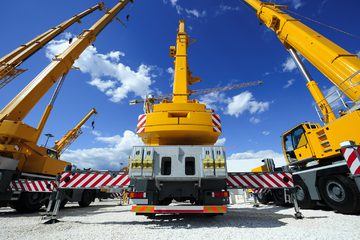
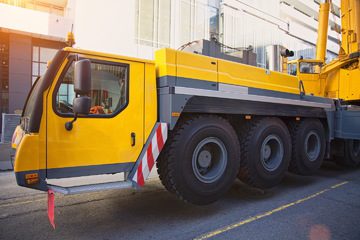
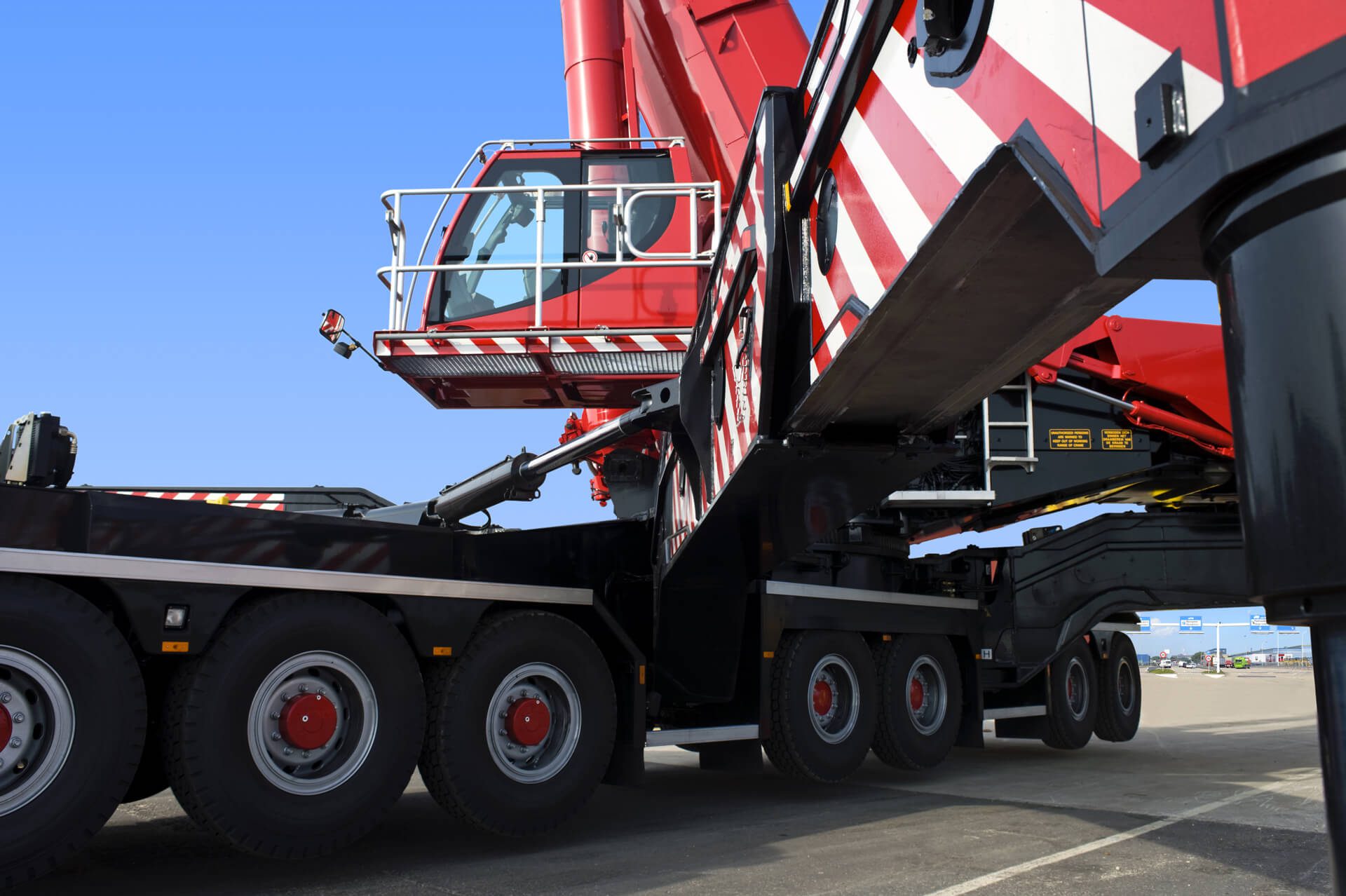
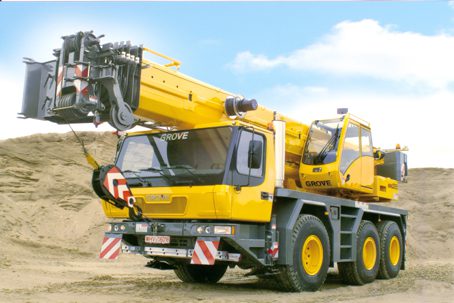
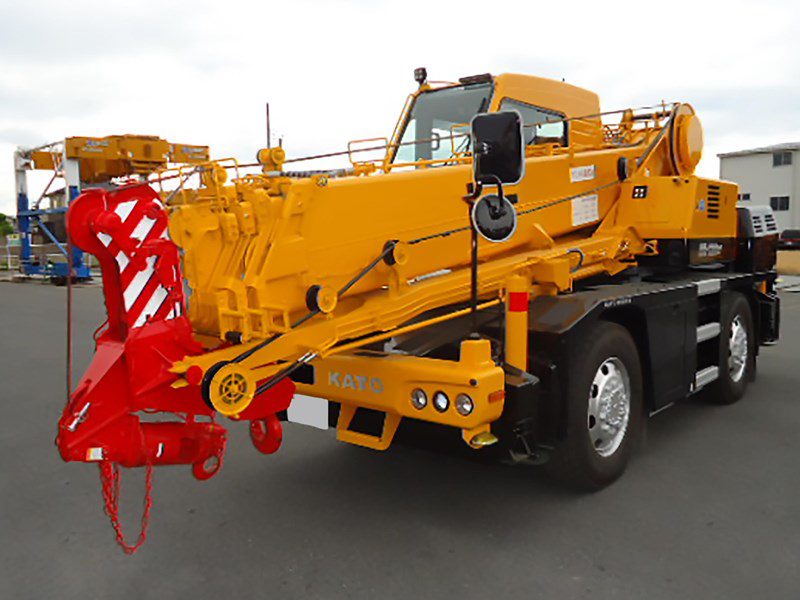
Among the most versatile lifting solutions available, mobile cranes play an essential role across infrastructure and mid-scale construction sites. Mounted on wheeled carriers, these cranes can be transported quickly between locations, making them particularly useful for projects that require short-term lifting capacity or frequent repositioning.
Across northern Sydney and surrounding regions, the demand for mobile crane hire northern sydney illustrates how infrastructure upgrades and urban redevelopment often depend on this flexibility. Road improvements, bridge construction, and rail corridor upgrades frequently involve multiple lifting operations spread across wide geographic areas. Mobile cranes allow contractors to move equipment rapidly while maintaining high lifting capacity.
In addition to infrastructure projects, mobile cranes are widely used during the early stages of building construction. They assist with tasks such as placing structural components, installing large equipment units, and supporting logistics during tight construction schedules. Their mobility also makes them valuable for maintenance operations and emergency repairs in critical infrastructure sectors.
While mobile cranes offer adaptability, they are generally limited in height compared with other crane types. As buildings rise higher in Australia’s major cities, other lifting solutions become more suitable for sustained vertical construction.
Tower Cranes and the Rise of the High-Rise City
Tower cranes have become synonymous with urban development in Australia’s largest cities. Their tall, fixed structures dominate skylines during the construction of high-rise buildings, allowing heavy materials to be lifted to great heights with precision.
The growing popularity of tower crane hire reflects the increasing density of Australian urban environments. In cities such as Sydney, Melbourne, and Brisbane, residential towers and mixed-use developments often exceed dozens of storeys. Tower cranes provide the vertical reach and lifting stability necessary for these projects.
Unlike mobile cranes, tower cranes are typically installed on-site for the duration of construction. Their design allows them to rotate 360 degrees, covering large work areas from a single central location. This capability improves efficiency on busy construction sites where materials must be moved quickly between storage areas, fabrication zones, and building floors.
The installation of a tower crane is itself a complex operation that requires careful planning and engineering oversight. Once erected, these cranes become the logistical backbone of the construction site, coordinating the movement of steel, concrete, mechanical systems, and finishing materials throughout the project’s lifecycle.
Luffing Cranes and the Challenge of Dense Urban Construction
As urban areas grow more crowded, construction sites often face strict space constraints. Buildings may be located close together, leaving little room for traditional crane operations. In these conditions, luffing crane hire has become increasingly important.
Luffing cranes differ from standard tower cranes in the design of their boom. Instead of rotating horizontally with a fixed angle, the boom can be raised or lowered, allowing operators to control the crane’s radius more precisely. This feature reduces the risk of the crane’s arm extending over neighbouring buildings or restricted airspace.
In dense districts of Sydney and Melbourne, where construction sites are frequently surrounded by existing structures, luffing cranes offer a practical solution. Their ability to operate within tight footprints allows developers to proceed with complex high-rise projects without disrupting nearby properties or infrastructure.
These cranes are also commonly used in locations where multiple cranes operate simultaneously on adjacent sites. By adjusting the boom angle, operators can coordinate movements safely and reduce the potential for interference between machines.
Safety Standards and Regulatory Oversight in Australia
The extensive use of cranes across the construction sector has led to strict regulatory oversight designed to protect workers and the public. Australia maintains some of the most comprehensive safety standards in the world, particularly through national workplace safety frameworks and state-based regulators.
Organisations responsible for workplace safety enforce detailed requirements for crane operation, maintenance, and inspection. Operators must hold specialised licences, and lifting equipment must undergo regular certification to ensure mechanical integrity. Risk assessments, lift planning, and safety protocols are mandatory components of most major construction projects.
Construction companies also rely on advanced training programs to ensure operators can manage increasingly sophisticated equipment. Modern cranes incorporate digital control systems, load monitoring technology, and anti-collision features that require technical expertise.
These safety measures have become even more important as construction sites grow more complex. The integration of multiple cranes, high-rise environments, and dense urban surroundings creates operational challenges that demand rigorous oversight.
Technology and the Future of Lifting Equipment
Technological innovation is transforming how cranes operate across Australia’s construction industry. Digital monitoring systems now allow engineers and site managers to track crane performance in real time, improving efficiency and safety.
Sensors embedded within modern cranes can measure wind conditions, load weights, and mechanical stress, helping operators make informed decisions during lifting operations. Some systems also provide predictive maintenance alerts, allowing technicians to identify potential mechanical issues before they become serious problems.
Automation and remote operation technologies are also emerging in the sector. While fully autonomous cranes remain rare on large construction sites, certain repetitive lifting tasks can now be assisted by automated controls. These developments have the potential to reduce operational risks while improving productivity.
Environmental considerations are influencing crane design as well. Manufacturers are increasingly developing energy-efficient models and hybrid power systems to reduce emissions on construction sites. As sustainability becomes a larger priority in Australia’s infrastructure strategy, equipment innovation is likely to accelerate.
The Infrastructure Boom Driving Demand
Australia’s ongoing investment in infrastructure continues to drive demand for specialised lifting services. Transport networks, renewable energy facilities, residential developments, and commercial buildings all require complex logistics and heavy lifting capabilities.
In rapidly developing regions, the availability of services such as mobile crane hire, tower crane hire, and luffing crane hire ensures that contractors can respond quickly to changing project requirements. These services allow developers to access the right equipment at the right time, improving project timelines and reducing operational costs.
The increasing prominence of mobile crane hire northern sydney highlights how localised demand for flexible lifting solutions has grown alongside urban expansion. As cities evolve and infrastructure projects multiply, cranes will remain an essential part of the construction ecosystem.
A Defining Feature of Australia’s Modern Skyline
Cranes have become a defining feature of Australia’s urban transformation. From infrastructure corridors to towering residential developments, these machines quietly enable the physical reshaping of cities and communities.
While they may appear simply as tools of construction, cranes represent a sophisticated blend of engineering, safety regulation, and technological advancement. The growing use of mobile crane hire, tower crane hire, and luffing crane hire reflects the complexity of modern building projects and the need for adaptable lifting solutions.
As Australia continues to expand its infrastructure and urban capacity, cranes will remain a visible and essential component of the nation’s construction story, lifting not only materials but the ambitions of a rapidly changing built environment.