Australia’s cities are in the midst of a profound transformation. Across metropolitan centres such as Sydney, Melbourne, and Brisbane, dense clusters of cranes dominate skylines once defined by lower horizons. From transport corridors and renewable energy facilities to high-rise residential towers, construction activity has accelerated in response to population growth, urban consolidation policies, and major infrastructure investment.
Behind this surge in development lies a critical but often overlooked component of the construction ecosystem: the crane hire sector. In particular, services such as mobile crane hire, tower crane hire, and luffing crane hire play a strategic role in enabling complex projects to proceed efficiently without requiring contractors to own expensive lifting equipment. In markets like Sydney, where space constraints and project timelines demand flexibility, the availability of mobile crane hire Sydney services has become essential to the pace of urban development.
The Strategic Importance of Crane Hire in Australia
Australia’s construction industry operates under unique conditions. Projects are often geographically dispersed, labour costs are high, and strict safety regulations govern work sites. In this environment, crane hire companies provide an adaptable solution that allows developers, builders, and infrastructure contractors to access specialised equipment only when required.
For many firms, purchasing and maintaining cranes outright would represent a significant capital burden. Hiring equipment instead enables projects to scale lifting capacity according to changing requirements. This flexibility has become particularly valuable in major urban centres like Sydney, where construction sites frequently operate within tight footprints and complex logistical environments.
The availability of mobile crane hire Sydney services reflects this demand for adaptability. Mobile cranes can be transported between sites relatively quickly, allowing contractors to schedule lifting operations precisely within construction timelines. Whether installing structural steel components, positioning prefabricated modules, or lifting heavy mechanical equipment, mobile cranes often provide the first stage of vertical construction capability before permanent lifting infrastructure is established.
Mobile Cranes: Versatility on Infrastructure and Mid-Scale Projects
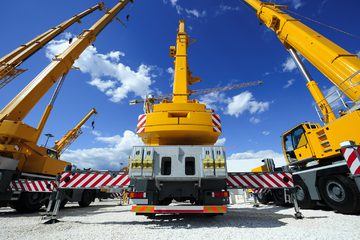
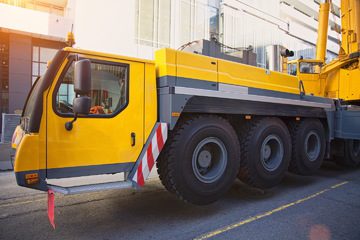
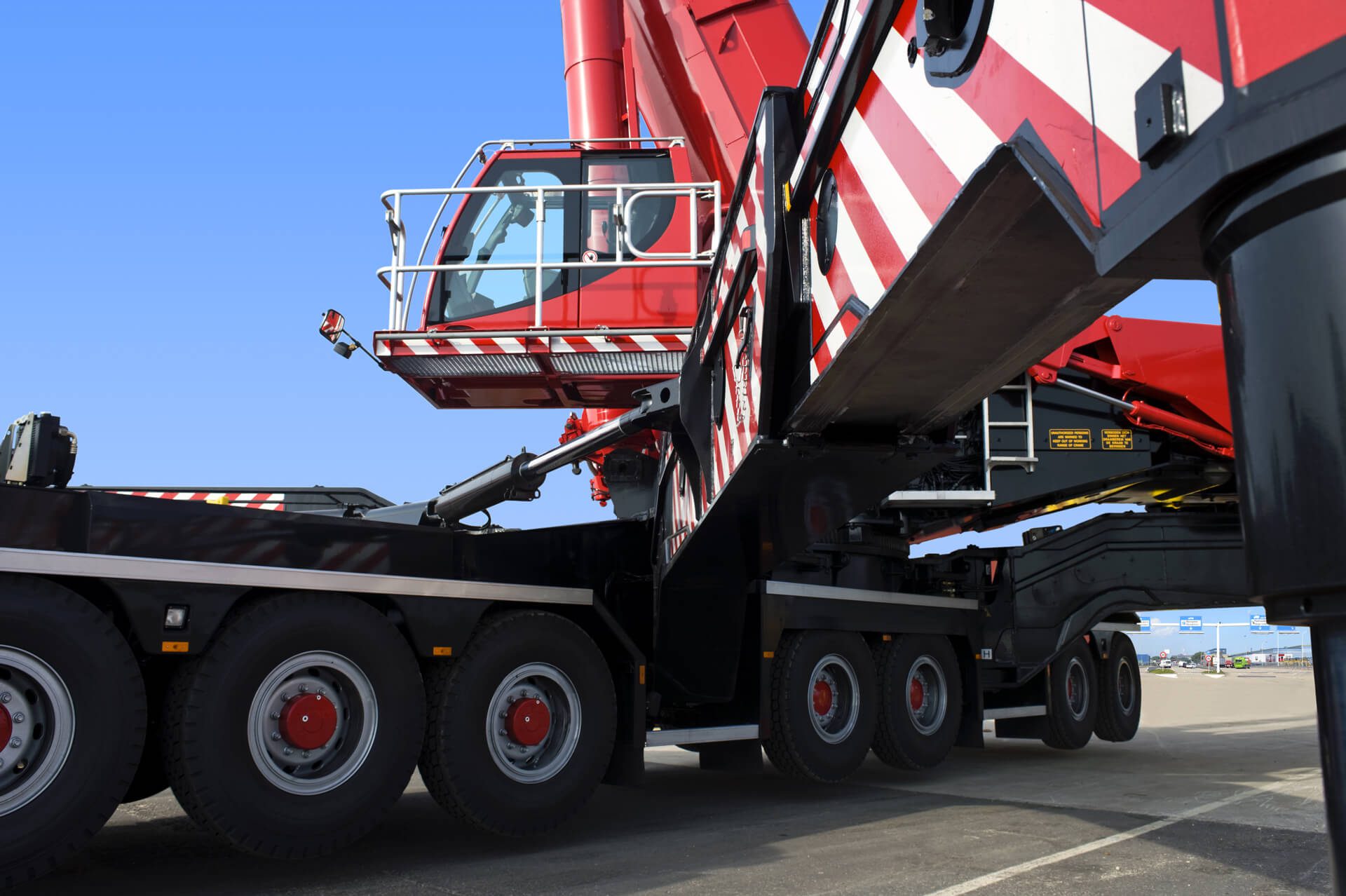
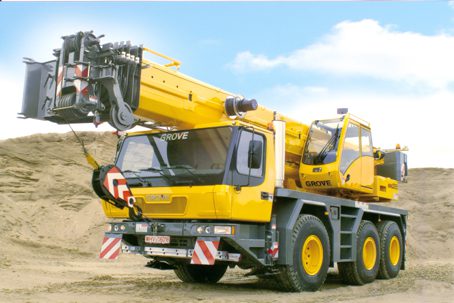
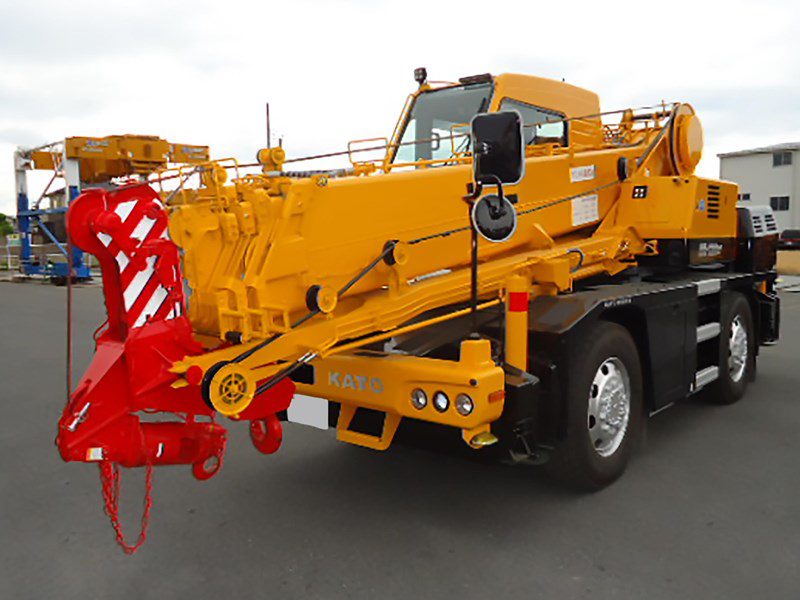
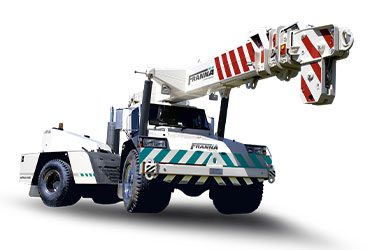
Mobile cranes are among the most versatile pieces of equipment on construction sites. Mounted on wheeled or crawler carriers, they are designed to travel easily between locations while providing substantial lifting capacity.
Across Australia, mobile cranes are commonly used in infrastructure projects, including highway expansions, bridge construction, and rail developments. Their mobility allows them to operate along linear corridors where fixed lifting systems would be impractical.
In urban settings, mobile cranes are also frequently deployed during early construction phases. On mid-rise commercial or residential developments, they may handle steel installation, concrete formwork placement, or the lifting of heavy plant equipment.
The flexibility of mobile crane hire arrangements allows contractors to select cranes of varying capacities—from compact city cranes suited to narrow streets to heavy all-terrain models capable of lifting large structural elements. This adaptability makes mobile cranes an indispensable part of Australia’s construction toolkit.
Tower Cranes and the Rise of High-Density Cities
If mobile cranes represent versatility, tower cranes represent scale. As Australia’s largest cities move toward higher density living, tower cranes have become a defining symbol of vertical urban expansion.
Tower cranes dominate high-rise residential and commercial developments, where their height and lifting radius allow materials to be transported efficiently across multi-storey structures. Services such as tower crane hire provide contractors with the ability to maintain continuous lifting capability throughout the life of a large project.
Unlike mobile cranes, tower cranes are typically installed for extended periods, often remaining on site for the duration of construction. Once erected, they function as the logistical backbone of high-rise projects, transporting steel, concrete buckets, façade panels, and mechanical equipment to precise locations across the building footprint.
In cities like Sydney and Melbourne, the widespread use of tower cranes reflects broader trends in urban planning. Increasing land scarcity and rising property demand have pushed developers to build upward rather than outward. The presence of multiple tower cranes across a single skyline illustrates the scale of this transformation.
Luffing Cranes in Constrained Urban Environments
In the densest parts of Australian cities, however, conventional tower cranes sometimes face limitations. Where neighbouring buildings stand close together or airspace restrictions apply, cranes with large horizontal jibs can pose operational challenges.
This is where luffing crane hire becomes particularly valuable. Luffing cranes feature a jib that can be raised or lowered vertically, reducing the horizontal swing radius. This design allows cranes to operate safely within confined spaces, making them ideal for projects in crowded central business districts.
In areas such as inner Sydney, where developments often rise alongside existing high-rise structures, luffing cranes help minimise interference with neighbouring buildings and reduce the risk of overlapping crane operations. They are commonly used on complex mixed-use towers, hospitals, and high-density residential projects where precision lifting and tight spatial control are essential.
As Australian cities continue to densify, the demand for luffing crane hire is likely to grow, reflecting the increasing complexity of urban construction sites.
Safety Standards and Regulatory Oversight
The operation of cranes in Australia is governed by strict safety regulations designed to protect workers and the public. Authorities such as Safe Work Australia establish national frameworks for workplace health and safety, while state regulators enforce compliance on construction sites.
Cranes must undergo rigorous inspection, certification, and maintenance processes. Operators are required to hold appropriate high-risk work licences, and lifting operations must be carefully planned to account for load limits, weather conditions, and site constraints.
Australia’s safety culture in construction has evolved significantly over the past two decades. Incidents involving crane operations have prompted industry-wide improvements in training, equipment monitoring, and site management procedures.
Today, contractors increasingly rely on digital systems that track crane usage, monitor load data, and provide real-time safety alerts. These technologies help ensure that lifting operations remain within safe operating parameters.
Technology Transforming Crane Operations
Technological innovation is also reshaping how cranes are deployed across Australia’s construction sector. Modern cranes increasingly incorporate advanced sensors, telematics systems, and automation features that enhance both efficiency and safety.
Telematics platforms allow fleet managers to monitor crane performance remotely, tracking metrics such as fuel consumption, load cycles, and maintenance requirements. This data enables more precise scheduling and reduces the risk of unexpected equipment failures.
Digital planning tools are also improving site coordination. Construction managers can simulate crane placements within building information modelling (BIM) systems, ensuring that lifting operations align with the structural design and construction sequence.
For tower cranes and luffing cranes operating in dense urban areas, anti-collision technology has become particularly important. These systems help prevent cranes from intersecting with neighbouring equipment or structures, a risk that increases as multiple cranes operate within the same skyline.
A Quiet but Essential Industry
Despite their visibility above city skylines, cranes often remain a background presence in discussions about Australia’s construction boom. Yet the crane hire sector plays a central role in enabling infrastructure expansion, housing development, and commercial construction.
From the adaptable solutions offered by mobile crane hire Sydney providers to the towering lifting capacity of tower crane hire and the precision capabilities of luffing crane hire, each type of equipment supports a different stage and scale of construction.
As Australia continues to invest in infrastructure and urban development, cranes will remain essential instruments of transformation. Their presence above construction sites reflects not only engineering capability but also the broader economic forces reshaping Australian cities.
In the years ahead, the intersection of safety regulation, technological innovation, and growing urban density will likely further redefine how cranes operate across the country. For an industry often noticed only in silhouette against the skyline, the crane hire sector will continue to play a pivotal role in building Australia’s future.