Across construction sites from transport corridors to high-rise residential towers, cranes have become one of the most visible indicators of economic growth in Australia. Their silhouettes dominate city skylines and infrastructure projects alike, symbolizing the scale and ambition of a country investing heavily in housing, transport, and urban renewal. Yet behind these towering machines lies a less visible but crucial operational decision: whether to own or source lifting equipment through specialized crane hire services.
In many regions, including the fast-growing districts surrounding Sydney, contractors increasingly rely on flexible solutions such as mobile crane hire, tower crane hire, and luffing crane hire to meet the technical and logistical demands of modern projects. In particular, the rise of mobile crane hire northern sydney reflects the growing complexity of construction in dense suburban environments where space, time, and safety constraints shape every stage of development.
The growing reliance on crane hire is not simply about convenience. It reflects broader shifts in construction economics, regulatory oversight, and technological innovation that are reshaping how large-scale projects are delivered across Australia.
The Strategic Role of Crane Hire in Modern Construction
Australia’s construction sector has expanded significantly over the past decade, driven by population growth, infrastructure investment, and housing demand. Projects such as rail expansions, renewable energy facilities, and high-density residential developments require sophisticated lifting capabilities that vary dramatically from site to site.
Crane hire services provide contractors with the flexibility to match equipment precisely to project requirements without the high capital costs of ownership. Large cranes can cost millions of dollars to purchase and maintain, while also requiring specialized operators, maintenance teams, and compliance systems. By relying on mobile crane hire or tower crane hire, construction firms can deploy advanced lifting equipment only when required.
This flexibility is especially important in metropolitan areas where project timelines are tight and land availability is limited. In northern suburbs around Sydney, where redevelopment projects coexist with established neighborhoods, mobile crane hire northern sydney has become a practical solution for short-duration lifting tasks, structural installations, and infrastructure upgrades.
The approach allows builders to scale their lifting capacity as projects progress, shifting from mobile cranes during early construction phases to tower or luffing cranes once structures begin to rise vertically.
Mobile Cranes and the Mobility Advantage
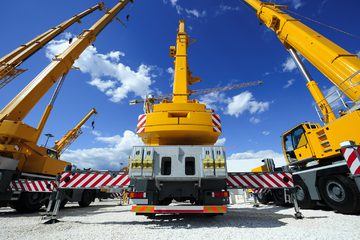
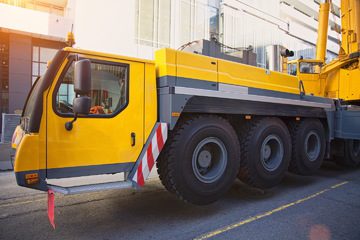
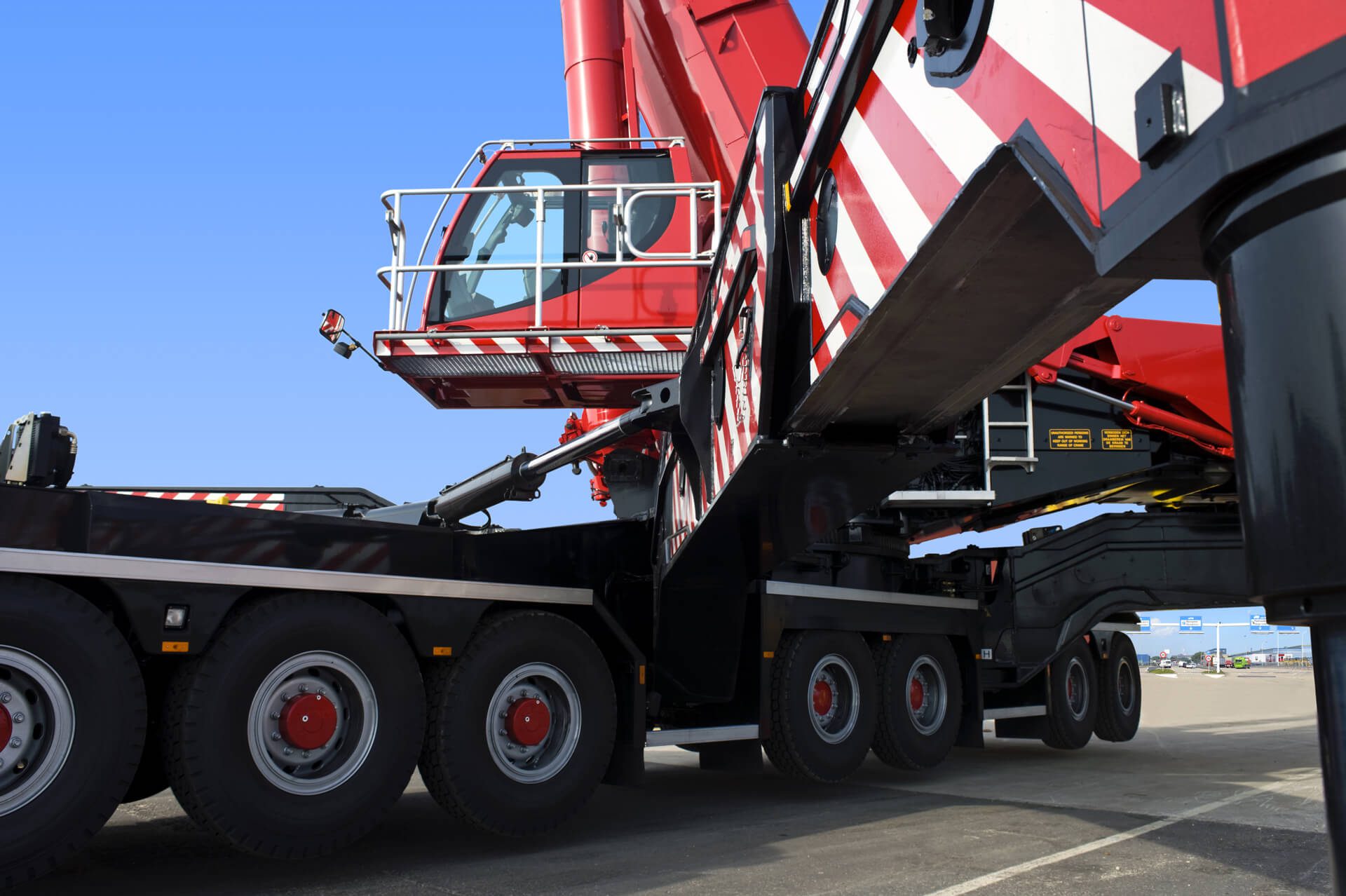
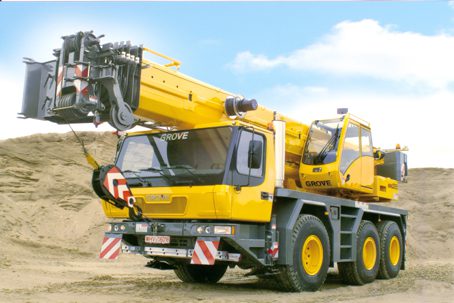
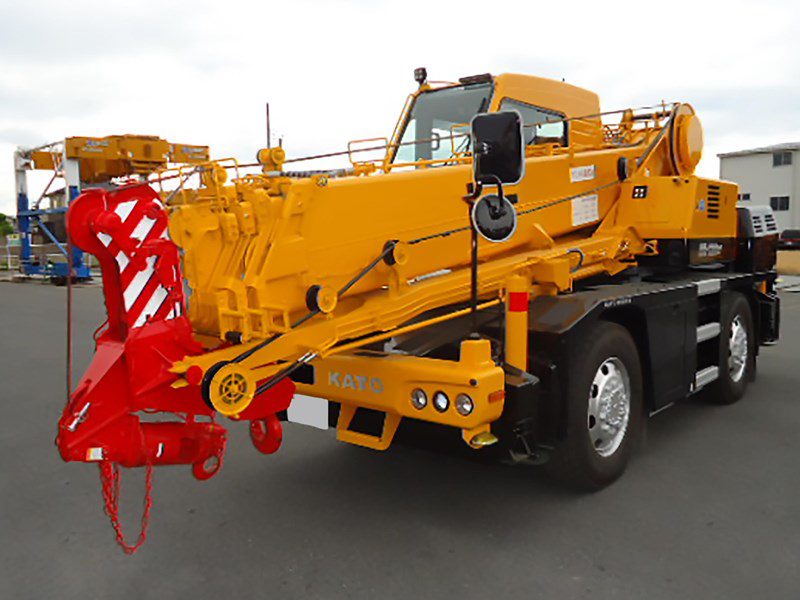
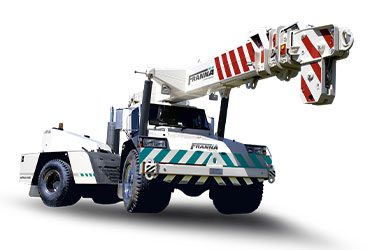
Among the various lifting solutions available to contractors, mobile cranes remain one of the most versatile. Mounted on wheeled or crawler platforms, these cranes can travel between job sites and be deployed rapidly, often within hours.
This mobility makes them particularly valuable for infrastructure and civil engineering projects such as bridge components, utility installations, and road upgrades. In urban areas, they are frequently used for tasks that require temporary lifting capacity, including steel beam placement, modular construction elements, and mechanical equipment installation.
The demand for mobile crane hire northern sydney illustrates how these machines support construction in suburban environments where space constraints make permanent crane installation impractical. Residential redevelopment, school expansions, and healthcare facility upgrades often require cranes for only brief periods during critical construction stages.
Mobile cranes also play a significant role in Australia’s energy and industrial sectors. Wind turbine components, for instance, require large lifting capacities but only during installation phases. Hiring mobile cranes allows developers to bring in specialized equipment capable of handling these loads without maintaining it year-round.
Tower Cranes and the Rise of High-Density Cities
If mobile cranes represent flexibility, tower cranes symbolize the vertical ambitions of modern cities. Tower crane hire has become indispensable for high-rise residential towers, commercial developments, and large mixed-use precincts.
As Australian cities grapple with population growth and housing shortages, urban planning policies increasingly encourage vertical development near transport hubs. Tower cranes provide the continuous lifting capacity required for these projects, transporting steel, concrete panels, and building materials hundreds of meters above the ground.
Unlike mobile cranes, tower cranes are typically assembled on-site and remain in place for months or even years during construction. Their height and reach allow them to service large areas of a building site efficiently, reducing the need for multiple smaller lifting systems.
In city centers such as Sydney and Melbourne, tower cranes have become so common that they form a recognizable feature of the skyline during major development cycles. Their presence often signals the early stages of long-term urban transformation, from residential towers to large commercial complexes.
Luffing Cranes in Dense Urban Environments
While tower cranes dominate large open construction sites, dense urban environments present a unique challenge. Buildings are often constructed in close proximity to neighboring structures, leaving limited room for the wide horizontal swing of conventional tower cranes.
This is where luffing crane hire becomes critical. Luffing cranes are designed with adjustable booms that move vertically rather than sweeping broadly across the skyline. This capability allows operators to control the crane’s working radius more precisely, minimizing the risk of interfering with nearby buildings or airspace.
In tightly packed urban districts, particularly near central business areas or transport corridors, luffing cranes allow developers to build upward without disrupting surrounding infrastructure. Their ability to operate safely in restricted spaces has made them increasingly popular in major Australian cities where land availability is limited.
As urban density increases, construction planners are likely to rely more heavily on these specialized cranes to meet both engineering and regulatory requirements.
Safety Standards and Regulatory Oversight
The growing scale and complexity of construction projects has placed greater emphasis on crane safety across Australia. Oversight from organizations such as Safe Work Australia establishes national guidelines for crane operation, maintenance, and operator certification.
These regulations cover everything from load management and site planning to weather monitoring and equipment inspections. Crane operators must undergo extensive training and licensing to ensure they can safely handle heavy loads in dynamic construction environments.
For crane hire providers, compliance with safety standards is not optional. Equipment must undergo regular inspections and maintenance to ensure it meets strict operational requirements. Contractors must also conduct detailed risk assessments before lifting operations begin, especially in busy urban areas where public safety is a concern.
Technological tools have also enhanced safety practices. Digital monitoring systems can track crane performance in real time, alerting operators to potential mechanical issues or unsafe load conditions before they escalate into accidents.
Technology Transforming Crane Operations
Innovation in construction technology is reshaping how cranes operate across Australia. Modern cranes increasingly incorporate advanced sensors, automation systems, and telematics that allow operators and project managers to monitor performance remotely.
Data analytics can track lifting efficiency, maintenance needs, and operational patterns across multiple projects. These insights help contractors optimize crane usage and reduce downtime, improving overall project efficiency.
Remote diagnostics and predictive maintenance systems are also becoming more common. By analyzing operational data, technicians can anticipate equipment issues before they lead to mechanical failures, reducing the risk of costly delays.
Another emerging development is the integration of cranes with digital construction models. Building Information Modeling (BIM) systems allow engineers to simulate crane operations within a virtual representation of the construction site, ensuring optimal placement and movement before physical equipment is installed.
Such technological integration is expected to become increasingly important as Australian construction projects grow more complex and timelines become tighter.
The Future of Lifting in Australia’s Infrastructure Boom
Australia’s long-term infrastructure plans suggest crane demand will remain strong for years to come. Transport expansions, renewable energy developments, and housing initiatives will require specialized lifting capabilities across diverse environments.
From mobile crane hire northern sydney supporting suburban redevelopment to tower crane hire shaping city skylines, the crane hire sector has become a foundational component of the country’s construction ecosystem.
As urban density increases and projects become more technically demanding, crane technology, safety systems, and regulatory frameworks will continue evolving. The cranes that define Australia’s skyline are more than construction tools—they are essential instruments in the ongoing transformation of its cities and infrastructure.