Across the skylines of Australia, cranes have become a familiar silhouette, marking the steady expansion of cities and infrastructure networks. From residential towers rising in Sydney to transport projects reshaping Melbourne and new commercial precincts emerging in Brisbane, cranes are among the most visible indicators of economic activity and urban growth. Behind these towering machines lies a logistical and operational ecosystem that increasingly relies on specialised crane hire services.
In particular, the strategic use of mobile crane hire, tower crane hire, and luffing crane hire has become central to how modern Australian construction projects are delivered. Rather than owning and maintaining expensive heavy equipment fleets, many contractors now rely on flexible hire arrangements that allow them to access specialised lifting solutions tailored to specific project conditions. This model has evolved alongside the country’s construction boom, enabling projects to adapt quickly to changing design requirements, dense urban environments, and increasingly complex infrastructure demands.
Tower Cranes and the Vertical Expansion of Cities
Among the most recognisable pieces of construction equipment in Australian cities are tower cranes. Their tall masts and horizontal jibs dominate construction sites where buildings extend upward rather than outward. As urban land becomes more constrained and populations grow, high-rise construction has become a defining feature of metropolitan development.
Tower crane hire plays a crucial role in enabling this vertical growth. High-rise residential towers, commercial buildings, and mixed-use developments require equipment capable of lifting heavy materials hundreds of metres into the air with precision. Concrete panels, steel reinforcement, mechanical equipment, and prefabricated building modules must be transported safely and efficiently across a constantly evolving construction site.
The flexibility of tower crane hire allows contractors to select crane models that match the height, reach, and lifting capacity required for a particular project stage. As construction progresses, cranes may be climbed upward with the building itself, ensuring that lifting capability remains aligned with the increasing height of the structure.
Beyond individual buildings, tower cranes also support major urban redevelopment projects where multiple structures are constructed simultaneously. In such environments, crane coordination becomes essential. Strategic placement ensures that overlapping work zones do not interfere with one another while maintaining efficient material movement across the site.
Mobile Cranes and Infrastructure Construction
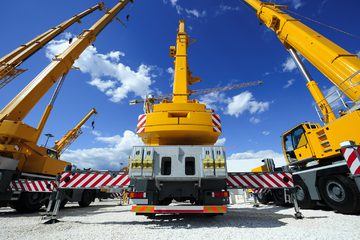
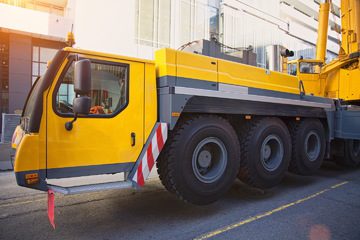
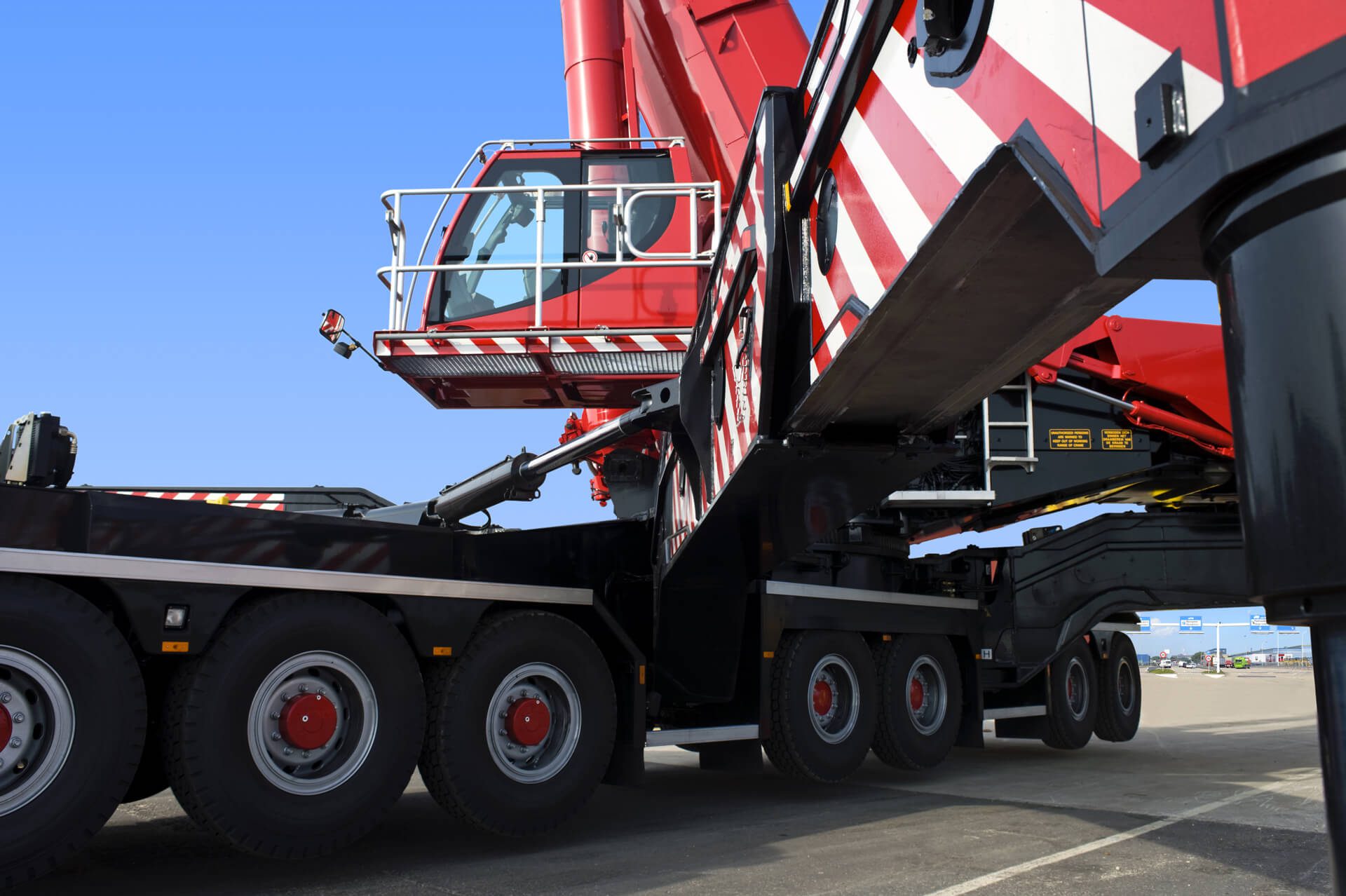
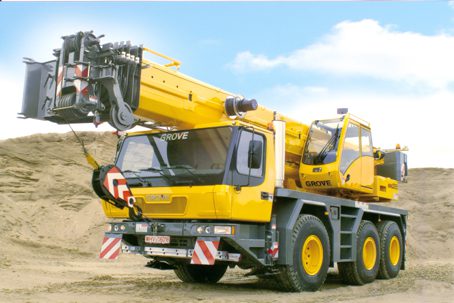
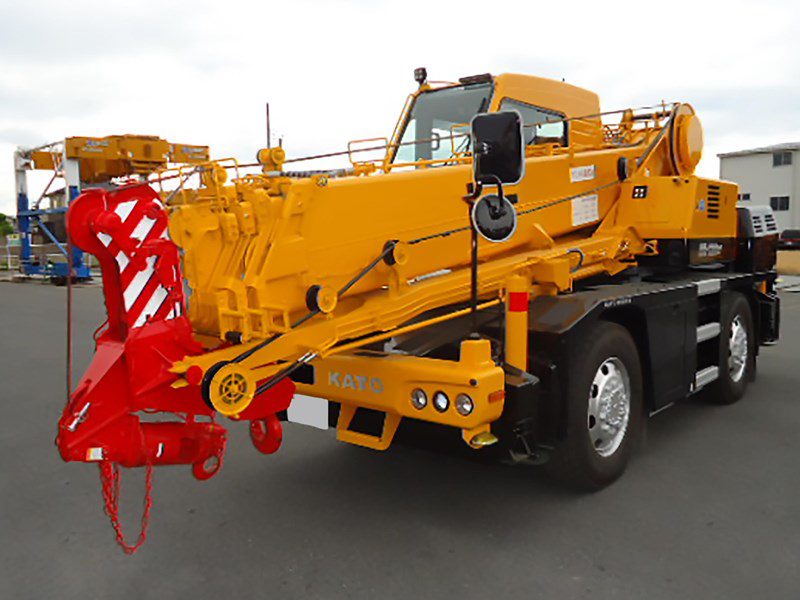
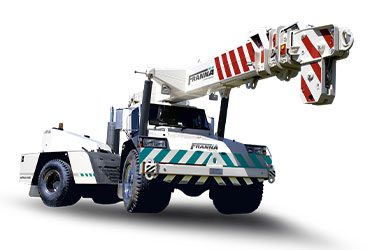
While tower cranes dominate urban skylines, mobile crane hire serves a different but equally important function across Australia’s infrastructure landscape. Mounted on trucks or crawler bases, mobile cranes provide mobility and rapid setup, allowing them to operate across a wide variety of construction environments.
Large-scale infrastructure projects such as bridges, rail lines, highways, and renewable energy installations often require lifting solutions that can be repositioned quickly as work progresses. Mobile cranes excel in these situations because they can move between locations without extensive assembly or disassembly.
On highway expansion projects, for instance, mobile cranes may be used to install precast bridge components or place heavy structural beams. In energy infrastructure, they lift wind turbine components or electrical transmission structures into position. Their versatility makes them an essential component of construction logistics across regional and metropolitan Australia alike.
Mobile crane hire also supports urban projects during specific phases of construction. When tower cranes are not practical or when heavy lifting must occur outside the reach of fixed equipment, mobile cranes can be deployed temporarily to complete specialised lifts.
Luffing Cranes in Dense Urban Environments
As Australian cities become denser, construction sites face new spatial challenges. Buildings are often constructed within tightly constrained plots surrounded by existing structures, busy roads, and active commercial districts. In these environments, traditional tower cranes with long horizontal jibs may not be suitable due to swing radius limitations.
This is where luffing crane hire becomes particularly valuable. Unlike conventional tower cranes, luffing cranes use a jib that can be raised or lowered, allowing the operator to adjust the working radius dynamically. This capability significantly reduces the crane’s swing footprint, making it safer and more practical to operate within confined spaces.
Luffing cranes are frequently used in central business districts where multiple cranes may operate simultaneously above narrow construction sites. Their ability to control the movement of loads within tight airspace helps minimise the risk of interference with nearby buildings or infrastructure.
In cities such as Sydney and Melbourne, where high-density development is common, luffing cranes have become a standard feature of major high-rise projects. Their deployment reflects how engineering solutions are adapting to the spatial realities of contemporary urban construction.
Safety and Regulatory Oversight
Operating cranes in busy construction environments carries inherent risks, which is why safety standards play a central role in Australia’s crane industry. Regulatory oversight is coordinated nationally through agencies such as Safe Work Australia, which provides guidance on workplace safety frameworks and equipment operation.
Australian construction sites must comply with strict safety protocols governing crane assembly, operation, maintenance, and operator certification. Detailed lift planning is required for complex lifts, including the calculation of load weights, wind conditions, and crane capacities.
Operators must hold appropriate licences and undergo specialised training to manage heavy lifting equipment safely. Additionally, site supervisors and engineers work closely with crane operators to ensure that lifts are coordinated with other construction activities, reducing the risk of accidents.
Regular inspection and maintenance of crane components are also mandated. Structural integrity checks, mechanical inspections, and operational testing help ensure that equipment remains reliable throughout the duration of a project.
These regulatory frameworks have evolved over decades and are widely regarded as essential to maintaining safety within a sector that relies on the movement of extremely heavy materials in dynamic work environments.
Technological Advancements in Crane Operations
Technological innovation is also reshaping how cranes operate on modern construction sites. Digital monitoring systems, advanced sensors, and automated safety controls are increasingly integrated into crane equipment, enhancing both operational efficiency and safety.
Load management systems allow operators to monitor lifting capacities in real time, ensuring that loads remain within safe operating limits. Anti-collision technology can detect nearby cranes or structures, reducing the likelihood of accidents on crowded worksites.
Remote diagnostics and telematics systems provide real-time data on crane performance and maintenance requirements. These technologies allow operators and project managers to track equipment usage, detect mechanical issues early, and optimise crane deployment across large projects.
In some cases, cranes can also be integrated into broader digital construction management systems. Data from lifting operations can be coordinated with building information modelling platforms, enabling more precise scheduling and logistics planning.
Such technological advancements reflect a broader transformation within the construction industry, where digital tools are increasingly used to manage complex projects with greater efficiency and oversight.
The Strategic Importance of Flexible Equipment Access
The growing reliance on crane hire services reflects a broader shift in how construction companies manage resources. Instead of maintaining large fleets of specialised equipment that may sit idle between projects, contractors increasingly prefer flexible access to machinery through hire arrangements.
This approach reduces capital expenditure while allowing companies to select equipment tailored to the specific technical requirements of each project. A high-rise development may require multiple tower cranes, while a regional infrastructure project might depend primarily on mobile crane hire. In dense city centres, luffing crane hire can address spatial constraints that conventional cranes cannot easily overcome.
The ability to scale equipment up or down depending on project needs has become particularly valuable as Australia’s construction pipeline fluctuates in response to economic conditions, population growth, and government infrastructure spending.
Building the Future Skyline
As Australia continues to expand its cities and infrastructure networks, cranes will remain a defining feature of construction sites across the country. From the precision of tower cranes lifting materials high above city streets to the versatility of mobile cranes operating across vast infrastructure projects, these machines play a critical role in shaping the built environment.
The increasing sophistication of crane technology, combined with rigorous safety standards and flexible hire models, reflects an industry adapting to the challenges of modern urban development. Whether assembling high-rise towers or installing components for major transport corridors, cranes—and the systems that support their deployment—are integral to how Australia’s evolving skyline is constructed.