Across Australia’s growing cities, cranes have become permanent fixtures on the skyline, towering above new apartment complexes, commercial developments, and large infrastructure works. From Sydney’s expanding transport networks to high-rise residential projects in Melbourne and Brisbane, the machinery that enables modern construction is as crucial as the structures themselves.
Behind these projects lies a carefully coordinated ecosystem of lifting equipment, each designed for specific engineering challenges. The strategic use of mobile crane hire, tower crane hire, and luffing crane hire has long shaped large-scale construction across the country. Increasingly, however, another category of equipment is drawing attention for its versatility and efficiency: franna crane hire.
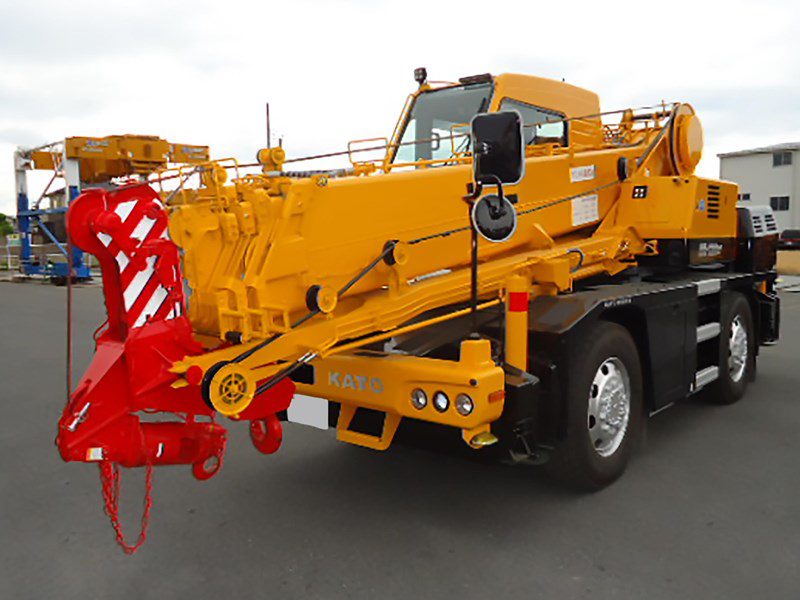
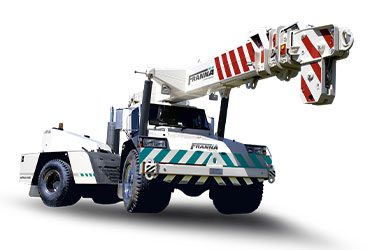
Franna cranes—often described as pick-and-carry cranes—have become an essential tool on Australian job sites. Their mobility and lifting capacity allow contractors to move heavy loads across confined areas without the need for complex setups. As construction projects grow more complex and urban land becomes more limited, the ability to combine lifting power with maneuverability has become increasingly valuable.
The Expanding Role of Cranes in Urban Development
Australia’s construction sector is undergoing a transformation driven by population growth, infrastructure investment, and urban densification. Major metropolitan regions are building upward rather than outward, with new residential towers and commercial buildings reshaping central business districts.
These structural shifts have intensified the need for specialized lifting equipment. Construction projects now rely on a combination of crane types to complete different phases of development.
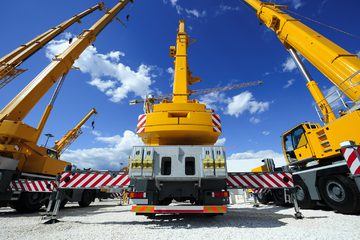
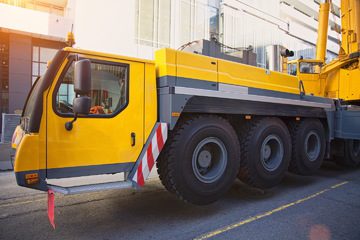
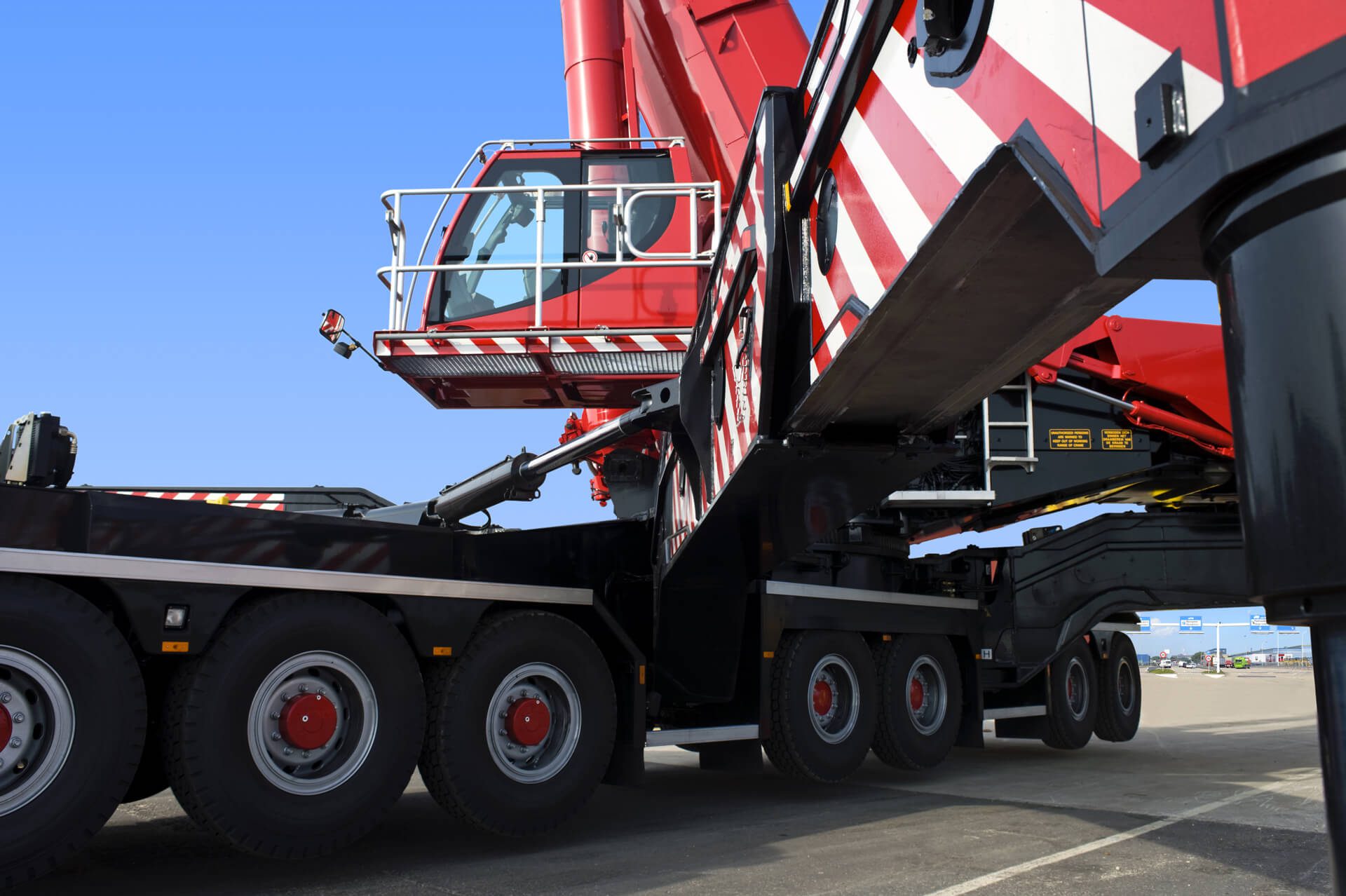
Large infrastructure works, including bridges, transport interchanges, and energy installations, frequently depend on mobile crane hire. Mobile cranes can be transported between sites and deployed quickly, making them suitable for projects where lifting points shift regularly or where equipment must operate across long corridors.
High-rise developments, by contrast, often rely on tower crane hire. Tower cranes provide the height and lifting capacity needed to move materials vertically as buildings rise floor by floor. Anchored to the structure they help construct, these cranes form the backbone of most tall-building projects in Australia’s major cities.
In dense urban environments where space is limited and multiple buildings rise simultaneously, contractors often turn to luffing crane hire. Luffing cranes use adjustable jibs that can be raised or lowered to control their working radius. This flexibility allows construction teams to operate cranes within narrow city blocks without interfering with neighboring buildings or adjacent cranes.
Amid these established crane categories, franna cranes have emerged as an important complement to larger lifting systems.
Franna Cranes and the Efficiency of Pick-and-Carry Operations
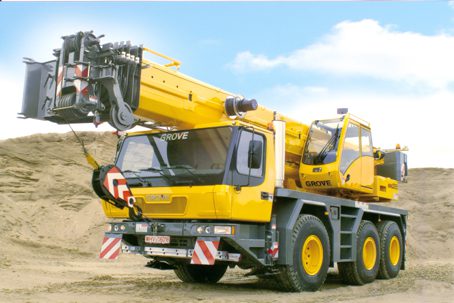
The strategic role of franna crane hire lies in its unique design. Unlike traditional cranes that remain stationary during lifting operations, franna cranes are capable of picking up a load and carrying it across the job site.
This pick-and-carry capability reduces the need for repeated lifting setups and allows materials to be transported directly to their destination. On large construction sites where equipment, steel components, or precast materials must be moved frequently, this mobility can significantly streamline operations.
Franna cranes are particularly well suited to tasks such as relocating heavy equipment, positioning structural components, or assisting in assembly work before larger cranes complete final lifts. Their compact design also allows them to navigate construction sites that may be crowded with machinery and materials.
In urban construction zones where space is constrained, franna cranes often act as support equipment alongside tower or luffing cranes. While the larger cranes handle vertical lifting, franna cranes move loads horizontally across the site, ensuring materials arrive at the correct staging areas.
This complementary relationship highlights how different crane types operate together within a coordinated construction strategy.
Matching Crane Types to Project Needs
Construction projects vary widely in scale and complexity, and the selection of crane equipment reflects these differences.
Infrastructure developments frequently require the flexibility of mobile crane hire, especially when heavy components must be installed across large geographic areas. Mobile cranes are commonly used to place bridge segments, install mechanical equipment, or assemble structural elements for transport systems.
High-rise construction projects depend heavily on tower crane hire, which provides the vertical reach required to lift concrete, steel, and building materials to extreme heights. These cranes typically remain in place for the duration of the construction phase, gradually climbing higher as the building rises.
In dense city centers where buildings stand close together, luffing crane hire becomes essential. The adjustable jib allows operators to manage airspace efficiently, preventing interference with neighboring structures or cranes. This capability has become increasingly important as Australia’s central business districts continue to densify.
Within these complex environments, franna crane hire provides logistical support that other cranes cannot easily replicate. By transporting heavy loads around the site, franna cranes reduce reliance on forklifts or multiple lifting stages, allowing materials to move efficiently through crowded construction zones.
The result is a layered lifting strategy in which each crane type performs a specialized role.
Safety and Regulatory Oversight in Australia
Operating cranes in urban construction environments involves significant risk, particularly when projects are located near public spaces, transport corridors, or occupied buildings. Australia’s construction sector therefore operates under strict safety regulations designed to protect workers and the public.
National guidelines established by Safe Work Australia set standards for crane operation, maintenance, and operator training. These rules require construction companies to implement comprehensive safety planning before cranes are installed on site.
Risk assessments must account for factors such as ground stability, load capacity, and the potential impact of weather conditions. Crane operators are required to hold specialized licenses, and lifting operations must be supervised by trained personnel.
State regulators conduct inspections and enforce compliance with these standards, particularly on large construction sites where multiple cranes operate simultaneously. Detailed lift plans are often required to ensure that equipment can operate safely within confined urban environments.
Franna cranes, despite their mobility, are subject to the same regulatory oversight as other lifting equipment. Operators must carefully manage load limits and ensure that pick-and-carry movements remain stable, particularly when transporting heavy materials across uneven surfaces.
Technology and the Future of Crane Operations
Advances in construction technology are reshaping how cranes are planned and managed across Australia’s building sector. Digital tools now allow project engineers to simulate lifting operations before construction begins, improving safety and efficiency.
Building information modeling, widely known as BIM, enables construction teams to integrate crane placement into a detailed digital representation of the job site. This approach is particularly valuable when coordinating tower crane hire or luffing crane hire in dense urban environments where space constraints are significant.
Sensor technology is also becoming increasingly common. Modern cranes are equipped with monitoring systems that track wind speed, load weight, and mechanical stress in real time. These systems help operators respond quickly to changing conditions while providing site managers with data that can improve operational planning.
Automation and remote diagnostics are gradually entering the sector as well. These technologies allow maintenance teams to identify potential mechanical issues before they result in equipment failure, reducing downtime and improving site safety.
For franna cranes, technological improvements are enhancing maneuverability and load control, allowing operators to handle materials more precisely within busy construction environments.
Building the Cities of the Future
Australia’s cranes are visible markers of a country investing heavily in infrastructure, housing, and commercial development. As cities continue to expand and densify, the construction sector must balance efficiency, safety, and logistical complexity.
The strategic combination of mobile crane hire, tower crane hire, luffing crane hire, and franna crane hire reflects how the industry adapts to these challenges. Each crane type contributes unique capabilities that enable projects to proceed in environments ranging from sprawling infrastructure corridors to tightly packed urban districts.
Together, these machines form the lifting framework that supports Australia’s modern construction economy. While they may be temporary structures themselves, cranes play a permanent role in shaping the skylines and infrastructure that define the nation’s future.