Across Australia’s largest cities, cranes have become a familiar feature of the skyline. Their long booms and towering structures signal not only individual construction projects but also a broader transformation in how urban environments are built and expanded. From transport infrastructure and residential towers to complex mixed-use developments, cranes serve as critical tools in shaping modern Australia.
In recent years, the construction sector has increasingly relied on specialised lifting equipment sourced through mobile crane hire, tower crane hire, and luffing crane hire arrangements. These services allow contractors to match the right crane technology with the demands of specific projects. In metropolitan regions such as Sydney, the strategic use of all terrain crane hire sydney has become particularly important as builders navigate complex urban environments, strict regulatory frameworks, and growing infrastructure investment.
Urban Expansion and the Demand for Advanced Lifting Equipment
Australia’s population growth and infrastructure expansion have intensified construction activity across major metropolitan regions. Cities such as Melbourne, Brisbane, and Sydney have experienced sustained demand for housing, transport networks, and commercial developments. As projects become larger and more technically complex, construction companies must coordinate logistics across multiple stages of development.
Cranes sit at the centre of this coordination. Heavy building materials, prefabricated structural components, and large mechanical systems must be lifted safely and efficiently throughout the construction process. The ability to access cranes through mobile crane hire or other specialized services enables project managers to scale equipment capacity according to the evolving requirements of a project.
This flexibility has become particularly important in dense metropolitan areas. With limited space for equipment storage and installation, construction teams must deploy cranes that can operate effectively without disrupting surrounding communities or infrastructure.
The Strategic Role of All Terrain Cranes in Sydney
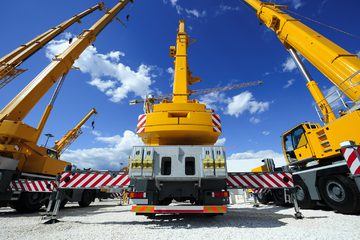
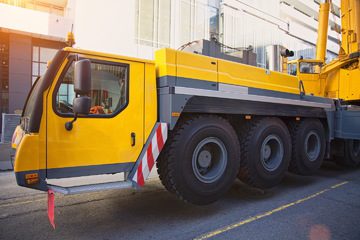
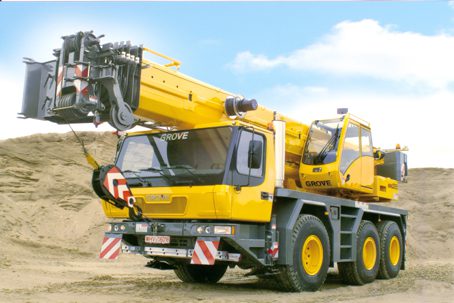
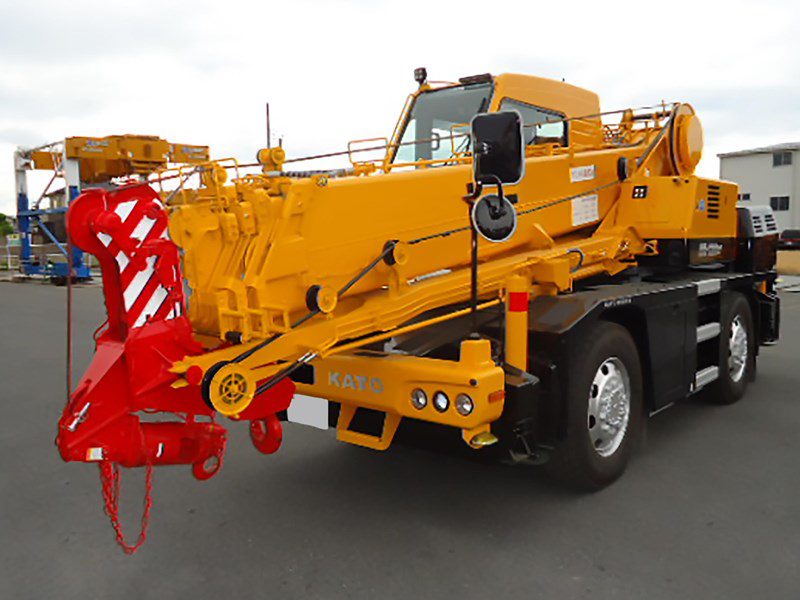
Among the various crane types used across Australia’s construction sector, all terrain cranes have emerged as especially valuable in complex urban regions. The practice of all terrain crane hire sydney reflects the growing need for equipment that combines mobility with high lifting capacity.
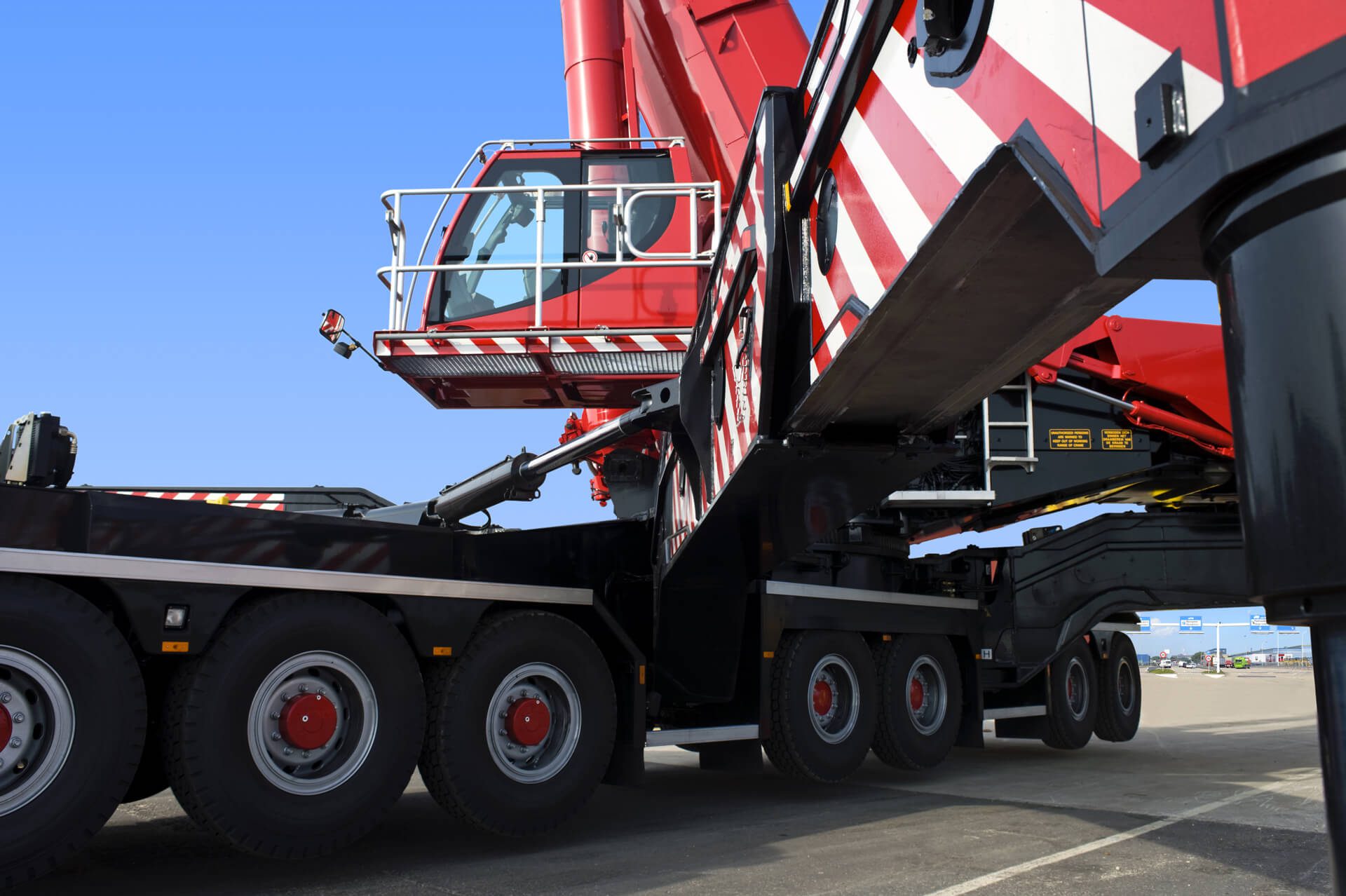
All terrain cranes are designed to travel on both public roads and uneven construction surfaces. Their multi-axle configurations and advanced suspension systems allow them to move efficiently between job sites while maintaining stability during heavy lifting operations. This dual capability is particularly useful in metropolitan areas where projects may span multiple locations or require rapid redeployment of equipment.
In Sydney’s expanding infrastructure landscape, these cranes are frequently used for bridge construction, structural steel installation, and major mechanical lifts. Their ability to operate in both confined urban environments and large-scale infrastructure sites makes them a versatile component of modern construction logistics.
The flexibility offered by all terrain crane hire sydney also helps contractors respond to tight project schedules. Instead of relying on permanently installed cranes for every lifting task, project managers can deploy mobile solutions that adapt to changing construction phases.
Tower Cranes and the Rise of High-Rise Development
While mobile cranes offer flexibility, tower cranes remain the defining symbol of high-rise construction. Tower crane hire is essential for projects that involve vertical building structures, particularly residential and commercial towers that dominate Australia’s urban skylines.
Tower cranes are designed for height and reach. Their fixed bases and long horizontal jibs allow them to lift materials to significant elevations, often hundreds of metres above ground level. This capability makes them indispensable in large apartment developments and commercial office buildings where heavy loads must be transported vertically throughout the construction process.
In cities experiencing rapid population growth, high-rise housing has become a key urban planning strategy. Tower cranes enable builders to deliver these projects efficiently by maintaining a continuous flow of materials to upper floors. Concrete panels, steel beams, and mechanical systems can be lifted directly into place, reducing the need for complex ground-level logistics.
Despite their advantages, tower cranes require extensive engineering planning before installation. Structural foundations must be designed to support the crane’s weight and operational loads, while engineers must consider wind forces and surrounding buildings. These requirements highlight the intricate planning involved in modern construction operations.
Luffing Cranes and the Constraints of Dense Cityscapes
As cities become more densely developed, construction sites are increasingly surrounded by existing buildings, transport infrastructure, and public spaces. In such environments, traditional tower cranes with fixed horizontal jibs may face operational limitations.
This is where luffing crane hire becomes particularly valuable. Luffing cranes feature adjustable jibs that can raise and lower, allowing operators to change the crane’s radius during lifting operations. This flexibility enables cranes to work within confined spaces while reducing the risk of overswing across neighbouring properties.
In highly congested districts of cities such as Sydney, luffing cranes are frequently used on high-rise developments located near established structures. Their compact operating footprint allows construction teams to continue building upward without interfering with surrounding buildings or airspace.
The increasing demand for luffing crane hire reflects broader urban planning trends. As cities grow vertically and available land becomes scarce, construction technologies must adapt to more constrained environments.
Safety Standards and Regulatory Oversight
Operating cranes in busy urban environments requires strict adherence to safety standards and regulatory frameworks. Australia’s construction sector is governed by national workplace safety policies developed by Safe Work Australia, which sets guidelines for the operation and maintenance of heavy lifting equipment.
These guidelines outline requirements for operator licensing, equipment inspections, and safe work procedures. They also address risk factors such as wind conditions, load stability, and communication between crane operators and ground personnel.
State regulators play an additional role in enforcing compliance. In New South Wales, for example, construction projects are overseen by SafeWork NSW, which conducts site inspections and investigates incidents involving cranes or other heavy machinery.
Safety planning has become increasingly sophisticated as construction sites grow more complex. Many projects now include detailed lift plans that specify load weights, crane configurations, and operational procedures. These plans help ensure that cranes operate within safe limits while minimizing risks to workers and surrounding communities.
Technological Advancements Transforming Crane Operations
Technological innovation is reshaping the way cranes are operated and managed across the construction sector. Modern cranes are equipped with digital monitoring systems that provide real-time information about load conditions, boom angles, and operational performance.
Load moment indicators, for example, automatically calculate safe lifting capacities based on current operating conditions. If a load approaches unsafe limits, the system can alert the operator or restrict further movement. Such technology has become standard across fleets used for mobile crane hire and tower crane hire.
Remote monitoring platforms also allow maintenance teams to track equipment performance and schedule repairs before mechanical issues develop into safety hazards. Predictive maintenance has become an important tool for reducing downtime on large infrastructure projects where delays can carry significant financial consequences.
Automation features are also gaining traction. Anti-collision systems, for instance, can prevent cranes from striking nearby structures or other cranes operating on the same site. These technologies are particularly useful on large urban developments where multiple cranes may be operating simultaneously.
Building the Future Skyline
Although cranes are temporary fixtures on construction sites, their role in shaping Australia’s cities is profound. Every residential tower, transport interchange, or commercial complex relies on carefully coordinated lifting operations throughout the building process.
Mobile crane hire, tower crane hire, and luffing crane hire services allow developers to match equipment capabilities with the unique demands of each project. In rapidly growing urban centres such as Sydney, the strategic deployment of all terrain crane hire sydney highlights how versatile lifting solutions support both infrastructure expansion and high-rise development.
As Australia continues to invest in urban growth and transportation networks, cranes will remain central to the construction process. Their presence above the skyline reflects the scale of engineering effort required to transform architectural plans into functioning cities. Behind every finished building stands a complex choreography of equipment, technology, and expertise—much of it carried out high above the streets by the cranes that quietly power modern construction.