Across Australia’s rapidly evolving urban landscape, cranes have become a defining feature of the skyline. From the expanding transport corridors of major cities to the residential towers reshaping metropolitan centers, lifting equipment plays a central role in the nation’s infrastructure ambitions. Behind the scenes, the widespread use of mobile crane hire, tower crane hire, and luffing crane hire services has become essential to meeting the technical and logistical demands of modern construction.
As the country navigates a period of sustained infrastructure investment and urban development, cranes are not simply tools of convenience. They are critical components of project planning, safety management, and construction efficiency. Their strategic deployment—particularly in regions experiencing steady growth, including parts of regional New South Wales such as the Southern Highlands—illustrates how specialized lifting solutions underpin Australia’s building sector.
The Expanding Role of Cranes in Australian Development
Australia’s construction industry is currently shaped by several intersecting forces: population growth, urban densification, large-scale infrastructure programs, and evolving sustainability expectations. These trends have intensified the need for sophisticated lifting operations capable of handling heavy materials in complex environments.
In many projects, crane access determines how quickly and safely materials can move from ground level to their final structural positions. This has elevated the importance of mobile crane hire and tower crane hire as flexible solutions that allow contractors to scale lifting capacity according to project requirements.
Regions such as the Southern Highlands demonstrate how these services are not limited to metropolitan areas. As development spreads beyond major city centers, the strategic role of tower crane hire southern highlands operations has become increasingly visible in commercial, residential, and infrastructure projects. By enabling the efficient handling of structural steel, prefabricated components, and concrete elements, cranes support both urban growth and regional construction initiatives.
Tower Cranes and the Vertical City
Among the most recognizable pieces of construction equipment, tower cranes have become synonymous with high-rise development. Their ability to lift heavy loads to significant heights while maintaining stability makes them indispensable in dense urban environments.
The increasing demand for tower crane hire reflects Australia’s shift toward vertical construction. In cities such as Sydney, Melbourne, and Brisbane, residential towers, mixed-use developments, and commercial office buildings rely heavily on these cranes to transport materials across large building footprints.
Tower cranes operate from fixed bases anchored into foundations or temporary structures. Once installed, they provide consistent lifting capacity throughout the duration of a project. This reliability allows contractors to plan construction sequences with precision, coordinating the movement of steel frameworks, curtain walls, and prefabricated modules.
In regional development zones, including parts of the Southern Highlands, tower cranes also support mid-rise construction projects where consistent lifting capability is required over extended timeframes. The availability of tower crane hire southern highlands services helps bridge the logistical gap between metropolitan-scale resources and regional building demands.
Luffing Cranes in Constrained Urban Spaces
As urban areas grow more densely developed, space constraints have introduced new challenges for construction logistics. Traditional tower cranes, which rely on wide horizontal jibs, may not always be suitable in tightly packed city blocks where multiple construction sites operate in close proximity.
This is where luffing crane hire plays an important role. Luffing cranes are designed with a pivoting jib that can move vertically, allowing operators to raise or lower the arm to avoid surrounding buildings or adjacent cranes. This feature significantly reduces the swing radius required during lifting operations.
In high-density districts, particularly where airspace restrictions or neighboring structures limit crane movement, luffing cranes provide the flexibility needed to maintain construction momentum without compromising safety. Their design allows multiple cranes to operate simultaneously within confined areas, supporting the layered complexity of urban megaprojects.
Because Australian cities increasingly favor mixed-use developments built within tight footprints, the demand for luffing crane hire has steadily grown. These cranes offer a practical solution where traditional lifting equipment might otherwise disrupt surrounding infrastructure or construction activities.
Mobile Cranes and Infrastructure Flexibility
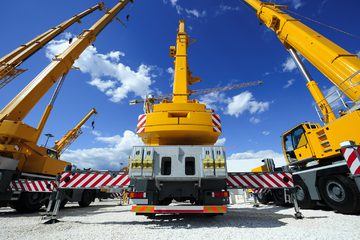
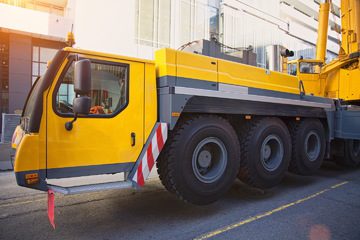
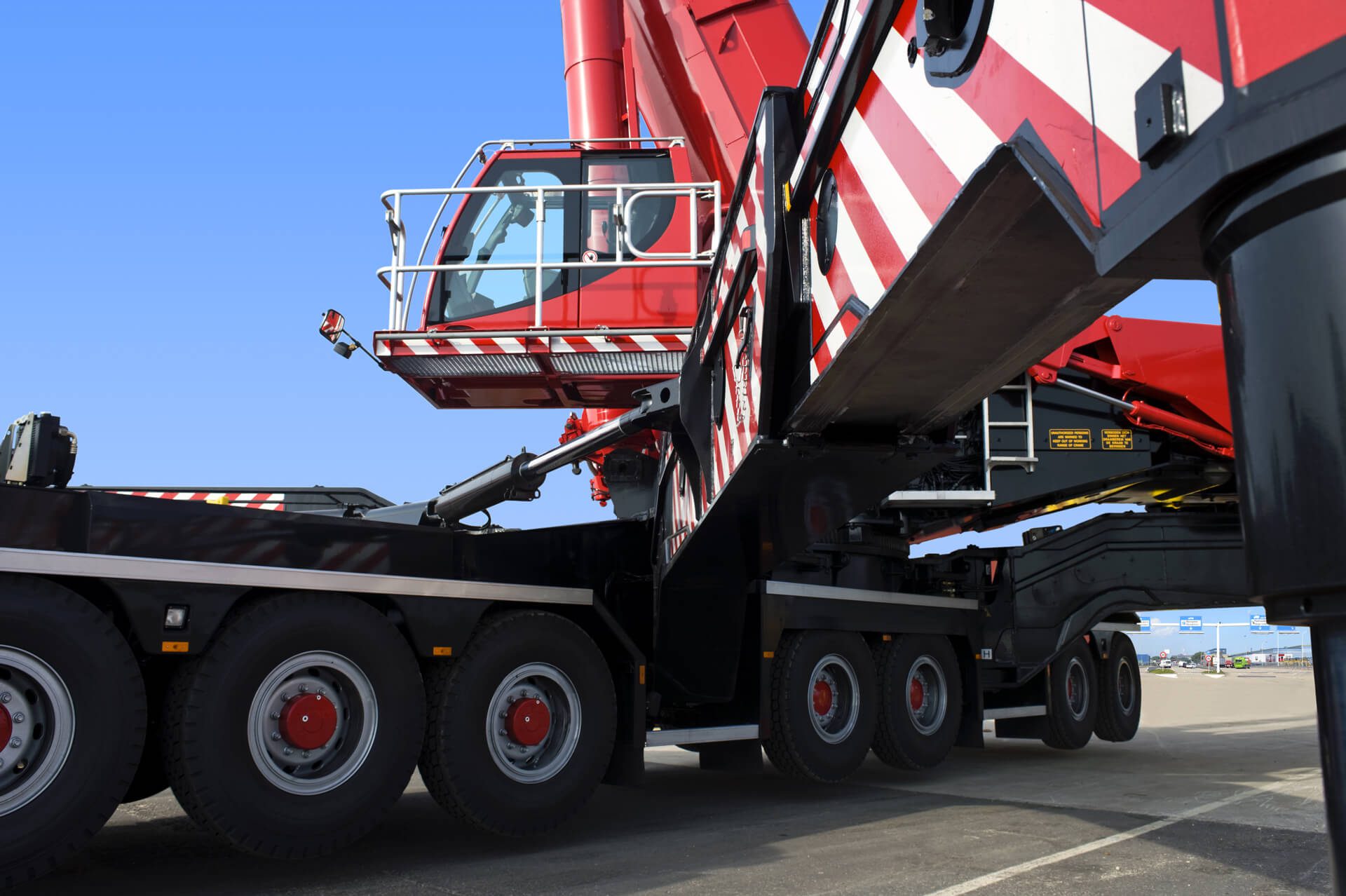
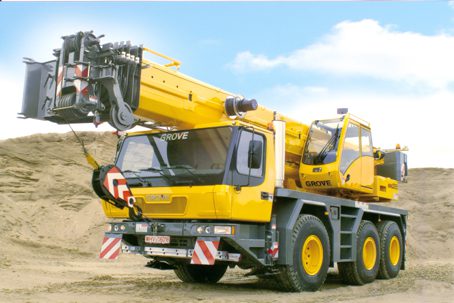
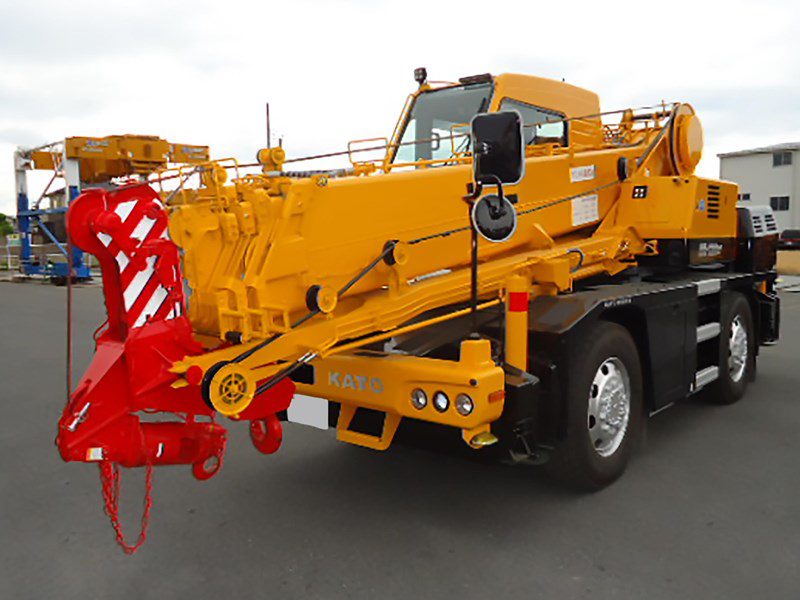
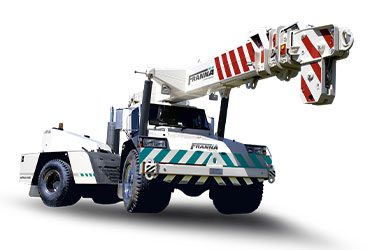
While tower and luffing cranes dominate high-rise construction, mobile crane hire remains indispensable across infrastructure and civil engineering projects. Mobile cranes provide versatility, mobility, and rapid deployment—qualities particularly valuable in large-scale transport, energy, and industrial developments.
Australia’s expanding infrastructure network, including highways, bridges, rail corridors, and renewable energy installations, frequently requires lifting equipment that can move quickly between project zones. Mobile cranes meet this need by operating on truck-mounted or all-terrain platforms, enabling contractors to reposition equipment as construction progresses.
For projects spread across wide geographic areas, mobile cranes can lift bridge girders, install precast concrete segments, or support heavy machinery placement without the lengthy installation process associated with tower cranes. This adaptability makes mobile crane hire a critical component of national infrastructure programs.
The combination of mobility and lifting power also proves valuable in remote or regional projects where permanent crane installations are impractical. In these contexts, mobile cranes help maintain construction timelines while minimizing logistical complexity.
Safety and Regulatory Oversight
The extensive use of cranes across Australia’s construction sector is governed by a robust regulatory framework designed to protect workers, surrounding communities, and infrastructure. National workplace safety guidelines, supported by state-level authorities, outline strict operational standards for crane installation, operation, and maintenance.
Organizations such as Safe Work Australia establish national policies that influence how crane operations are managed across construction sites. These guidelines address operator certification, load calculations, equipment inspections, and risk management procedures.
Compliance is not limited to national policy alone. Each state and territory implements its own workplace safety legislation, ensuring that crane operations adhere to localized regulatory requirements. Site-specific planning—often involving detailed lift studies and engineering assessments—has become a standard component of modern construction practice.
Training requirements for crane operators are also rigorous. Operators must obtain specialized licenses, complete ongoing competency assessments, and follow strict procedural protocols during lifting activities. These measures help reduce the risk of accidents and ensure cranes operate safely in complex environments.
Technology Reshaping Lifting Operations
Technological innovation is gradually transforming crane operations across the Australian construction sector. Digital monitoring systems, remote diagnostics, and advanced load-management technologies are increasingly integrated into modern cranes.
Sensors embedded within crane structures can monitor wind conditions, load weight, and equipment stress in real time. This data allows operators and site managers to make informed decisions about lifting operations, improving both safety and efficiency.
Automation and remote-control capabilities are also beginning to influence how cranes are operated. In some advanced installations, crane operators can manage lifting tasks from ground-level control stations equipped with digital displays and camera systems. These innovations reduce operator fatigue while improving situational awareness.
Building information modeling, widely adopted across the industry, has also reshaped crane planning. By integrating crane placement into digital construction models, engineers can identify potential conflicts between lifting paths, structures, and surrounding buildings before work begins.
As Australia’s construction sector continues to adopt digital technologies, cranes are becoming more intelligent, interconnected, and integrated into broader project management systems.
Cranes and the Future of Australian Cities
Looking ahead, cranes will remain central to Australia’s infrastructure transformation. The country faces ongoing housing demand, major transport upgrades, and the expansion of renewable energy facilities. Each of these sectors requires reliable lifting capabilities that can adapt to evolving project requirements.
Urban densification will likely sustain demand for tower crane hire and luffing crane hire, particularly as cities pursue high-rise residential developments and complex mixed-use precincts. Meanwhile, infrastructure investment across regional areas will continue to rely heavily on mobile crane hire to support distributed construction projects.
In regions experiencing steady growth outside major metropolitan areas, the availability of services such as tower crane hire southern highlands illustrates how construction capacity is expanding beyond traditional urban hubs. These developments highlight a broader shift in Australia’s construction geography, where regional centers play an increasingly significant role in national growth.
Ultimately, cranes are more than temporary fixtures on construction sites. They represent the mechanical backbone of a sector responsible for shaping the physical future of Australian communities. As cities rise, transport networks expand, and regional development accelerates, the silent choreography of cranes lifting steel, concrete, and glass will remain a defining feature of the nation’s progress.