Australia’s skyline tells a story of sustained urban growth. From the expanding apartment towers of Sydney to transport megaprojects stretching across major cities, construction activity has reshaped the country’s urban landscape over the past two decades. At the centre of this transformation is a piece of equipment often taken for granted: the crane. Behind many of Australia’s most visible construction projects lies an extensive ecosystem of crane hire services, providing the heavy lifting required to build cities vertically and maintain critical infrastructure.
As urban development accelerates and construction sites grow more complex, the strategic role of mobile crane hire, tower crane hire, and luffing crane hire has become increasingly central to the industry. Rather than owning expensive fleets outright, contractors frequently rely on specialised hire providers to supply the equipment, expertise, and operational flexibility needed to meet project demands.
This model has become particularly important in Australia, where fluctuating construction cycles, strict safety regulations, and geographically dispersed projects make equipment flexibility essential.
The Rise of Tower Cranes in Australia’s Urban Development
Few machines symbolize urban construction as clearly as the tower crane. With their long horizontal jibs and towering steel masts, tower cranes dominate the skylines of cities undergoing rapid development. In Australia, the demand for tower crane hire has grown alongside high-density housing projects and commercial developments in cities such as Sydney, Melbourne, and Brisbane.
The strategic importance of tower crane hire Sydney services reflects the city’s ongoing shift toward vertical development. As land availability tightens and property values increase, developers have increasingly turned to high-rise construction to meet housing and commercial demand. Tower cranes allow contractors to move heavy materials—including steel beams, concrete panels, and prefabricated building elements—efficiently across large building footprints.
Unlike mobile cranes, tower cranes remain fixed to a site for extended periods. Their height and lifting capacity make them especially suited to projects that involve repetitive vertical construction, such as residential towers or office buildings. Once installed, a tower crane can serve a construction project for months or even years, enabling continuous lifting operations as structures rise floor by floor.
This capability is particularly critical in dense urban environments where space constraints limit ground-level logistics. By lifting materials directly to upper floors, tower cranes help maintain productivity while reducing congestion on crowded building sites.
Mobile Cranes and the Flexibility of Infrastructure Projects
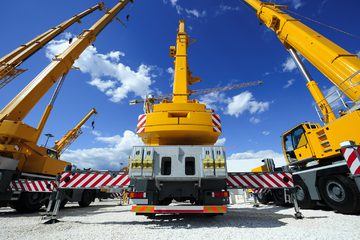
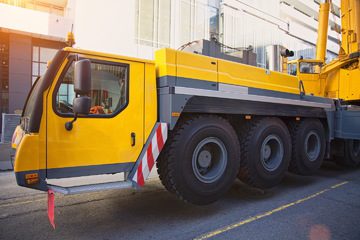
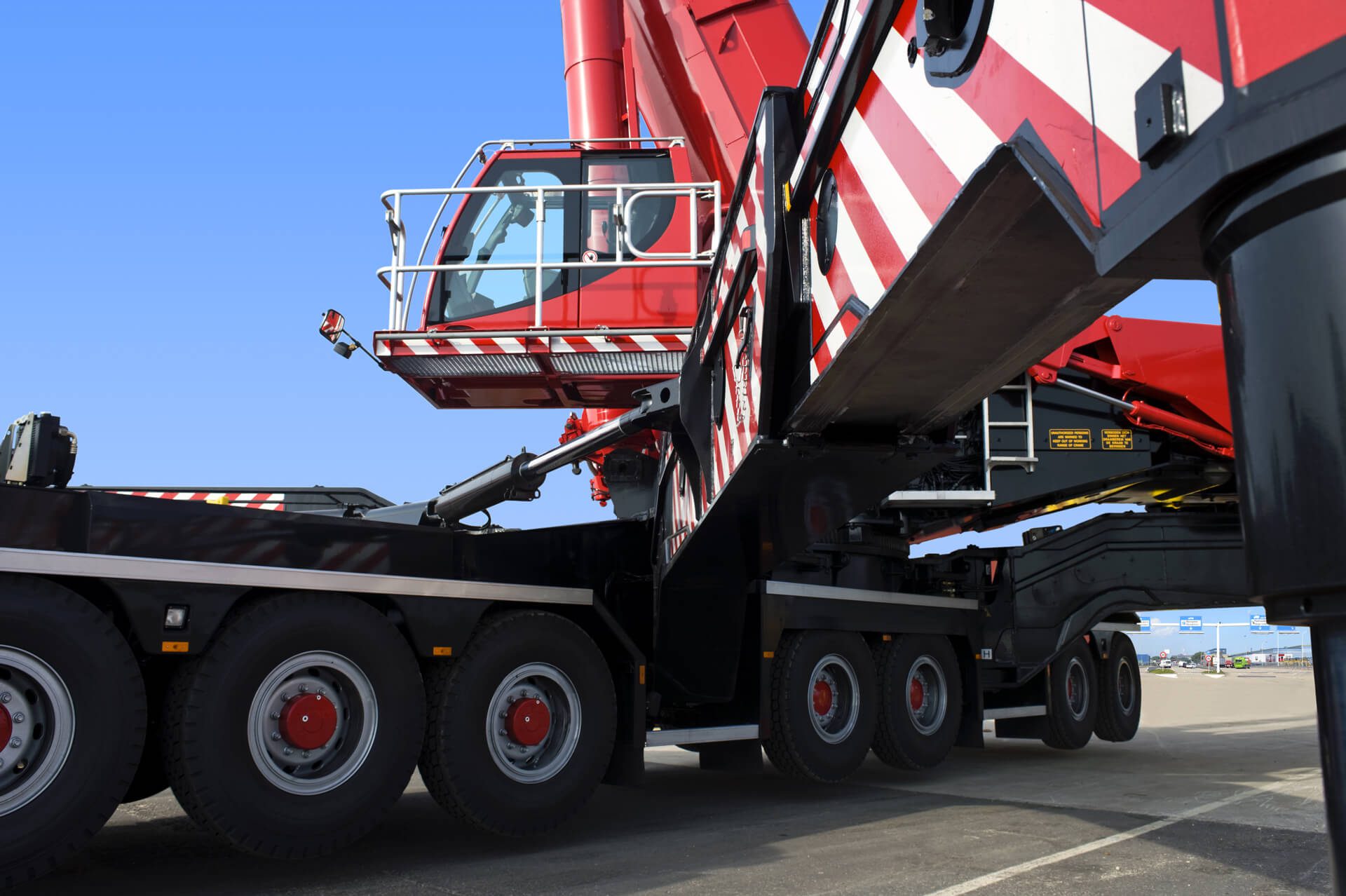
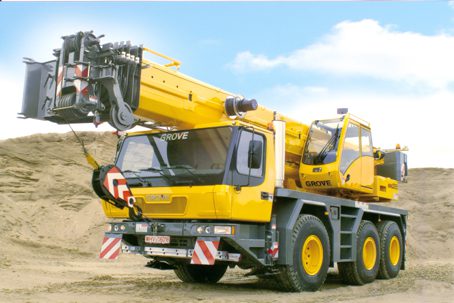
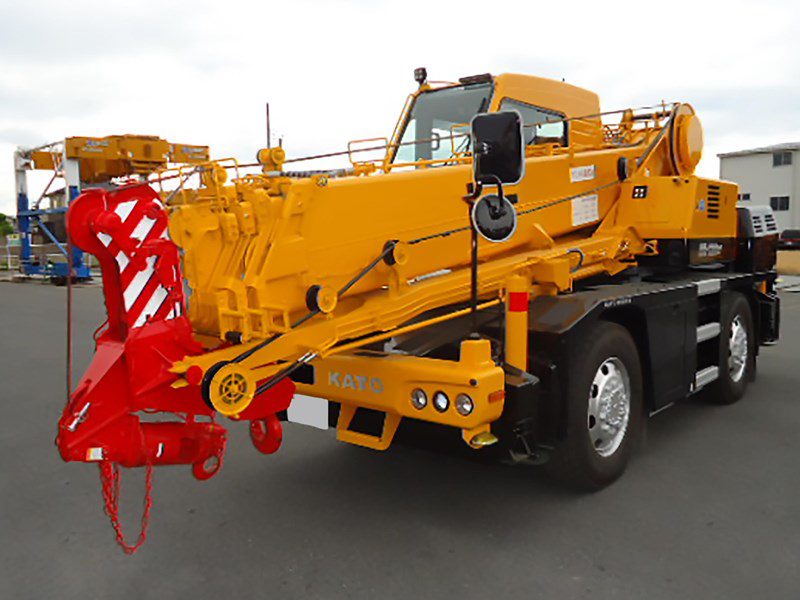
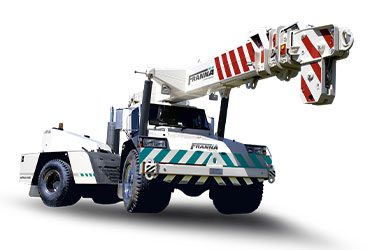
While tower cranes dominate high-rise construction, mobile crane hire plays an equally important role across Australia’s broader infrastructure sector. Mounted on wheeled or tracked vehicles, mobile cranes offer the mobility required for projects that span large geographic areas or require short-term lifting solutions.
Infrastructure works such as highway upgrades, rail expansions, and energy installations often rely on mobile cranes because they can be deployed quickly and repositioned with relative ease. Australia’s vast distances and varied terrain make this flexibility especially valuable. A mobile crane can travel between multiple work zones, supporting tasks ranging from bridge beam installation to heavy equipment placement.
Mobile crane hire also supports maintenance operations across industries such as mining, ports, and energy. When turbines, transformers, or large industrial components require installation or repair, mobile cranes provide the lifting capacity without the need for permanent site infrastructure.
In recent years, infrastructure investment programs have amplified demand for these machines. Major transport projects—including metro rail networks and highway expansions—require precise lifting operations carried out within strict timeframes. Mobile cranes, supported by experienced operators and rigging teams, enable contractors to complete these complex tasks efficiently.
Luffing Cranes and the Challenge of Dense Cities
As Australian cities grow denser, a different type of crane has become increasingly visible above construction sites: the luffing tower crane. Unlike conventional tower cranes with long horizontal arms, luffing cranes use a raised jib that can pivot upward and downward. This design allows them to operate safely within tight spaces where surrounding buildings limit the crane’s swing radius.
Luffing crane hire has therefore become essential for inner-city developments, particularly in central business districts where construction sites are constrained by neighbouring towers, streets, and airspace restrictions.
In Sydney and Melbourne, where urban density continues to increase, luffing cranes allow developers to construct tall buildings without interfering with adjacent properties. The cranes’ ability to adjust the jib angle means materials can be lifted vertically with minimal horizontal movement, reducing the risk of collisions with nearby structures.
This capability is particularly valuable for complex mixed-use developments or projects located in tightly packed urban blocks. By minimizing the crane’s operational footprint, luffing cranes enable construction to proceed in environments where traditional tower cranes would be impractical.
Safety Standards and Regulatory Oversight
The widespread use of cranes across Australia’s construction sector places safety at the forefront of industry operations. Cranes handle massive loads at significant heights, meaning even minor operational errors can have serious consequences.
Australia’s construction industry operates under strict workplace safety regulations enforced by state and federal authorities. Operators must hold appropriate high-risk work licenses, and crane installations require engineering verification to ensure structural stability. Comprehensive planning—including lift studies, site assessments, and risk management strategies—is typically conducted before cranes begin operating.
Tower cranes, in particular, require careful installation and regular inspection. Their foundations, mast sections, and anchoring systems must meet rigorous engineering standards to withstand wind loads and operational stresses. In major cities, local councils may also impose restrictions on crane placement, operating hours, and airspace coordination.
These regulatory frameworks are designed to reduce workplace incidents and ensure public safety, particularly in densely populated urban areas where cranes operate close to residential buildings and pedestrian corridors.
Technological Advancements Transforming Crane Operations
Advances in digital technology are reshaping how cranes are operated and managed on Australian construction sites. Modern cranes increasingly incorporate sensors, telematics, and remote monitoring systems that allow operators and project managers to track performance and safety metrics in real time.
Load-moment indicators and automated safety systems help prevent overload conditions, while wind monitoring sensors ensure cranes shut down automatically if conditions exceed safe operating limits. These technologies provide an additional layer of protection beyond traditional mechanical safeguards.
Digital planning tools have also improved how lifting operations are coordinated. Computer-based lift simulations allow engineers to model complex lifts before they occur, ensuring cranes can reach target positions without interfering with surrounding structures or equipment.
In large urban developments where multiple cranes may operate simultaneously, these systems help prevent conflicts between machines while optimizing site logistics.
Crane Hire and the Economics of Construction
The crane hire model has become a defining feature of Australia’s construction ecosystem. Purchasing and maintaining heavy cranes involves substantial capital investment, along with ongoing costs for transport, assembly, maintenance, and specialized personnel.
By relying on mobile crane hire, tower crane hire, and luffing crane hire services, construction companies can access the equipment they need without committing to long-term ownership. This approach allows contractors to scale equipment usage according to project requirements, improving financial flexibility and operational efficiency.
Hire providers typically supply not only the machinery but also trained operators, maintenance services, and logistical support. This integrated approach helps ensure cranes are installed and operated in compliance with regulatory standards while minimizing downtime.
The system also allows smaller construction firms to participate in large projects by accessing advanced lifting equipment through hire agreements rather than purchasing costly assets outright.
Shaping Australia’s Future Cities
As Australia continues to expand its infrastructure networks and urban housing supply, cranes will remain a defining feature of construction activity across the country. The varied demands of modern development—from high-rise towers to complex transport projects—require different lifting solutions tailored to each environment.
Tower crane hire Sydney operations will likely continue supporting vertical development in one of the nation’s fastest-growing metropolitan areas. At the same time, mobile crane hire will remain indispensable for large infrastructure initiatives spread across Australia’s vast landscape, while luffing crane hire will play an increasingly important role in dense city centres where space is limited.
Together, these machines represent more than just construction equipment. They are essential tools enabling Australia’s cities to evolve—lifting steel, concrete, and prefabricated components into the structures that shape modern urban life.
In the background of nearly every major project, cranes quietly perform the heavy lifting required to turn architectural plans into physical reality, defining skylines and infrastructure systems that will serve the country for decades to come.