Australia’s urban landscape is being reshaped at an extraordinary pace. From new transport corridors to clusters of high-rise apartments, cranes have become a defining feature of construction sites across the country. In cities such as Sydney and Melbourne, the sight of tower cranes stretching above dense neighborhoods signals a period of sustained investment in infrastructure and housing.
Behind these towering machines lies a complex ecosystem of equipment providers, engineering planners, and safety regulators. Within that system, city crane hire Sydney has emerged as a crucial operational model, enabling construction firms to access specialized lifting equipment without maintaining vast fleets themselves. As projects become more technically demanding and urban sites grow more constrained, the strategic use of mobile crane hire, tower crane hire, and luffing crane hire is shaping how Australia builds.
A Construction Sector Defined by Scale and Density
Australia’s construction pipeline remains closely tied to urban growth and infrastructure modernization. Major projects associated with initiatives such as Sydney Metro and WestConnex demonstrate the scale of contemporary engineering work.
These developments require sophisticated lifting capabilities to install bridge segments, move prefabricated building components, and assemble structural steel. For contractors, owning every type of crane required across a project’s lifecycle is often impractical. Hiring equipment has therefore become a standard approach, allowing builders to match crane capabilities to specific construction phases.
In metropolitan environments, the crane hire model also provides flexibility. Projects frequently operate under tight spatial and regulatory constraints, meaning equipment must be carefully selected to suit both engineering requirements and urban surroundings.
Mobile Cranes and the Flexibility of Infrastructure Work
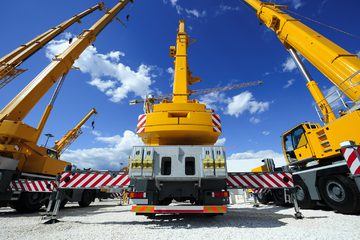
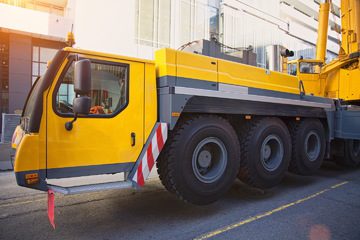
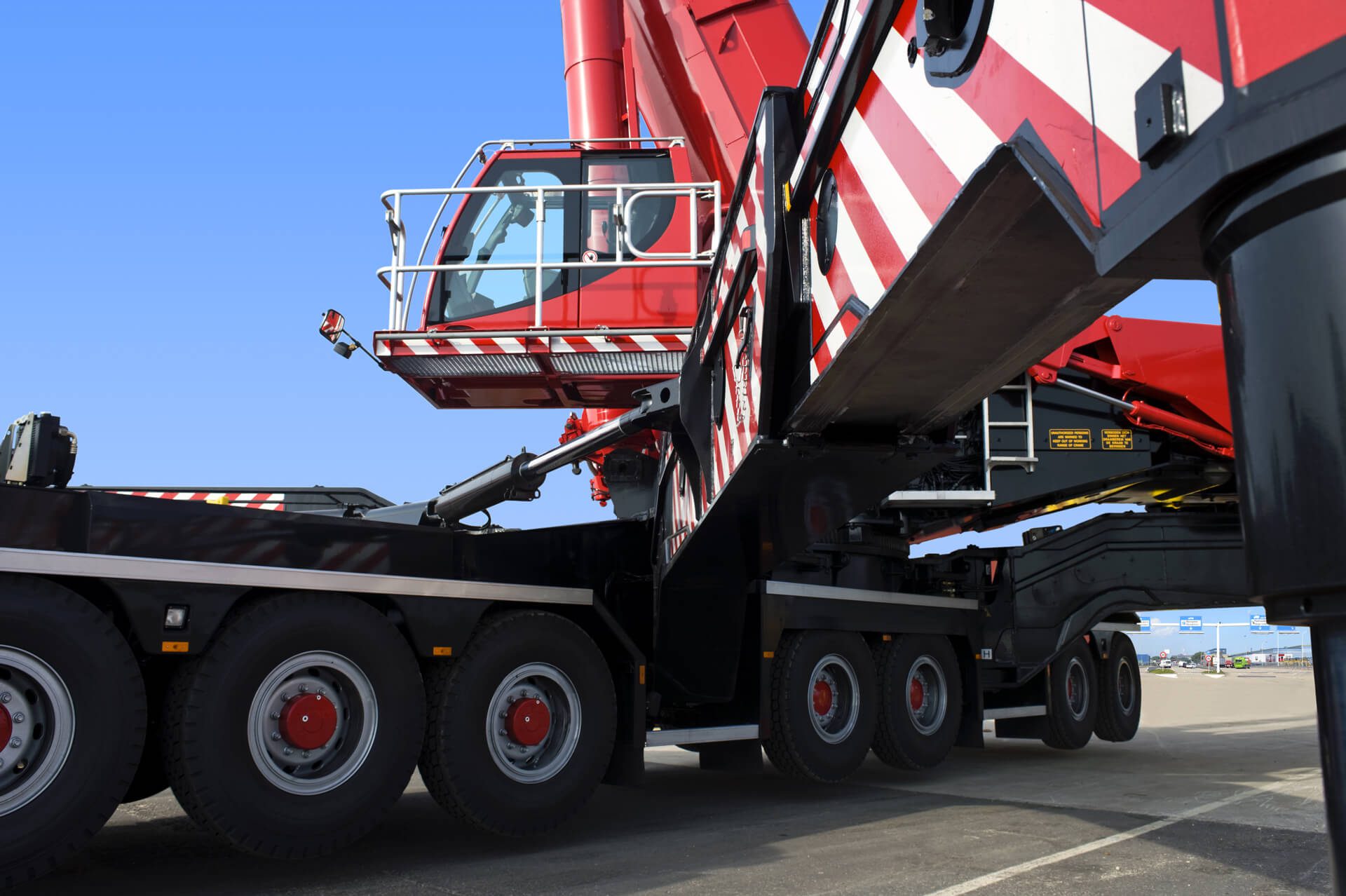
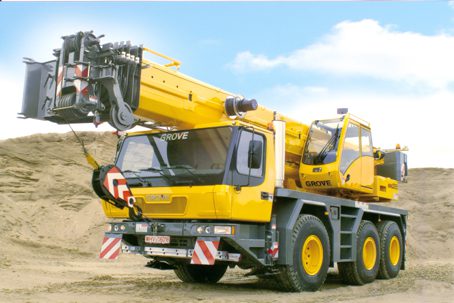
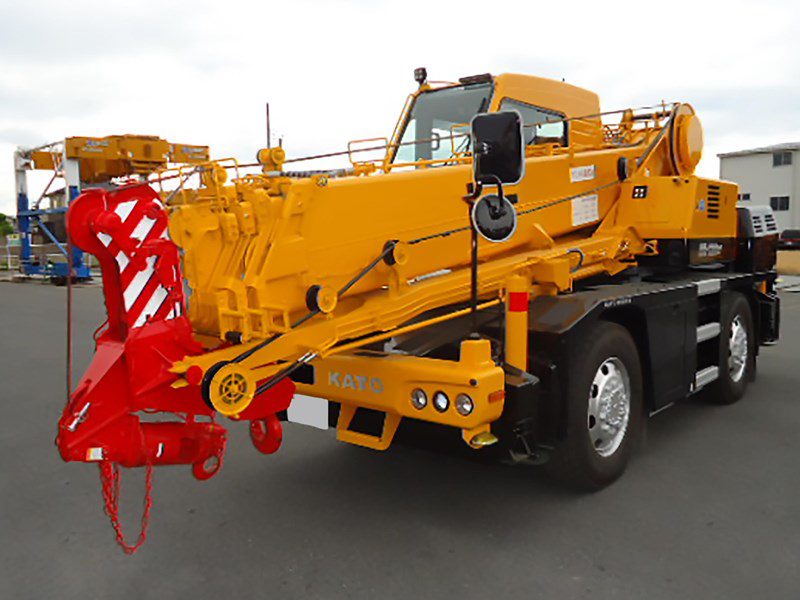
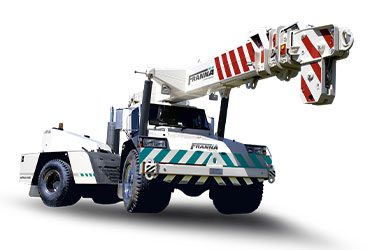
Among the most versatile lifting solutions used across Australian construction sites are mobile cranes. Through mobile crane hire, contractors can quickly deploy machines capable of lifting heavy loads while maintaining mobility across large sites.
Mobile cranes play a central role in infrastructure projects where tasks are dispersed rather than vertically concentrated. Road upgrades, bridge installations, and rail expansions often rely on mobile cranes for tasks such as placing concrete beams or installing structural segments.
The adaptability of these cranes allows them to navigate irregular terrain and reposition frequently, making them well suited for projects that extend over kilometers rather than a single building footprint. Their use is particularly common during early construction stages when structural frameworks and foundational elements are being assembled.
Mobile cranes are also frequently used for maintenance and short-term lifting tasks within cities, where rapid deployment is essential and permanent crane installations may not be practical.
Tower Cranes and the Rise of High-Density Development
While mobile cranes provide flexibility, tower crane hire has become synonymous with high-rise construction across Australia’s major cities. Tower cranes are designed for projects that require sustained vertical lifting over extended periods, particularly residential and commercial towers.
In urban environments like Brisbane and Perth, the growing demand for housing near employment centers has intensified vertical development. Tower cranes provide the height, reach, and lifting capacity necessary to transport materials such as steel beams, precast panels, and mechanical systems across multi-story construction sites.
Their fixed structure enables them to handle repeated lifting operations with precision, supporting complex workflows on high-rise projects. Materials can be lifted hundreds of meters above street level and positioned with accuracy, ensuring that construction proceeds efficiently despite limited ground space.
Because tower cranes remain in place for much of a project’s duration, their installation involves detailed planning. Engineers must assess load capacity, wind exposure, and site geometry to ensure the crane can safely operate throughout the building process.
Luffing Cranes and the Challenge of Dense Urban Environments
As Australian cities become more densely built, construction sites often face spatial restrictions that traditional cranes cannot easily accommodate. In these environments, luffing crane hire has gained prominence.
Unlike conventional tower cranes with long horizontal jibs, luffing cranes feature an adjustable arm that can raise or lower to control its working radius. This capability allows the crane to operate in confined airspace without interfering with nearby buildings or adjacent cranes.
The technology has become particularly valuable in tightly packed districts of Sydney, where multiple skyscrapers may be under construction simultaneously. Luffing cranes enable developers to maintain lifting operations without encroaching on neighboring properties or violating strict airspace regulations.
Their ability to maneuver within constrained spaces also supports construction near transport hubs and heritage structures, where maintaining safe distances is critical.
Safety and Regulation in the Australian Context
Operating cranes in Australia requires strict adherence to national safety standards and regulatory oversight. Agencies such as Safe Work Australia and regional regulators including SafeWork NSW set comprehensive requirements governing crane operation, maintenance, and operator certification.
These regulations address multiple aspects of crane usage, including structural integrity, load management, and environmental conditions. Wind monitoring systems, load-moment indicators, and automated safety shutoffs are commonly integrated into modern crane designs to reduce the risk of accidents.
Operator training is also a central component of safety compliance. Certified crane operators must demonstrate proficiency in both equipment handling and site coordination, particularly in urban environments where communication with ground crews and neighboring structures is essential.
Construction firms working with crane hire providers typically collaborate closely with safety engineers to conduct risk assessments before equipment is installed or deployed.
Technology Transforming Crane Operations
Technological innovation is reshaping how cranes are deployed and managed across Australian construction projects. Digital monitoring systems now allow engineers to track lifting loads, equipment performance, and environmental conditions in real time.
Telematics and sensor-based technologies provide operators and site managers with continuous data about crane stability, mechanical stress, and operational efficiency. These tools not only enhance safety but also help optimize construction schedules by minimizing downtime.
Building Information Modeling, commonly known as Building Information Modeling, has also become increasingly influential. Through BIM platforms, engineers can simulate crane placement and lifting paths before construction begins, ensuring equipment operates within safe and efficient parameters.
This level of planning is particularly important for projects involving multiple cranes operating simultaneously. Coordinated digital models allow project teams to anticipate potential conflicts and design lifting strategies that maintain productivity while avoiding operational risks.
The Strategic Importance of Crane Hire in Urban Development
The growing reliance on city crane hire Sydney reflects broader shifts within the construction industry. As projects become more specialized and technologically complex, contractors are increasingly prioritizing access to adaptable equipment rather than maintaining permanent fleets.
Crane hire arrangements enable construction firms to scale resources according to project demands. A high-rise tower may require long-term tower crane hire, while adjacent infrastructure work might rely on short-term mobile crane hire. In constrained city environments, luffing crane hire provides an additional layer of flexibility.
This approach aligns with the cyclical nature of construction, where equipment needs vary widely between project phases. By sourcing cranes through specialized providers, contractors can match machinery precisely to engineering requirements without bearing the full cost of ownership.
Building Australia’s Future Skyline
Across Australia’s cities, cranes remain one of the most visible symbols of economic development and urban transformation. From rail expansions to residential towers, the machines lifting steel and concrete into place represent a critical link between architectural ambition and practical engineering.
The growing sophistication of mobile crane hire, tower crane hire, and luffing crane hire reflects the industry’s adaptation to modern challenges: denser cities, more complex infrastructure, and heightened safety expectations.
In this environment, the crane hire sector has become more than a logistical service. It has evolved into a strategic partner in the construction process, enabling projects to proceed efficiently while meeting the rigorous technical and regulatory demands of contemporary Australian development.
As Australia continues to invest in housing, transportation, and urban infrastructure, cranes will remain central to the story of how its cities grow—quietly shaping skylines long before the buildings themselves are complete.