Across Australia’s major cities, construction cranes have become a defining feature of the urban skyline. From the expanding residential districts of Sydney and Melbourne to large infrastructure projects in Brisbane and Perth, cranes are indispensable to the pace and scale of modern development. Behind these machines is a complex ecosystem of equipment logistics, skilled operators, and regulatory oversight. Increasingly, the model that supports this activity is not ownership but specialized crane hire—an approach that allows construction firms to deploy the right machinery for each stage of a project.
Within this ecosystem, services such as mobile crane hire, tower crane hire, and luffing crane hire play distinct roles in enabling infrastructure development and high-density construction. Their use reflects both the evolving nature of Australia’s cities and the technical demands of contemporary engineering projects.
The Expanding Role of Crane Hire in Australian Construction
Urban construction in Australia has become more complex over the past two decades. Population growth, housing demand, and major public infrastructure investments have accelerated building activity in metropolitan areas. At the same time, projects are increasingly constrained by limited space, environmental considerations, and strict safety requirements.
In this environment, crane hire has emerged as a strategic component of project planning. Rather than maintaining large fleets of specialized lifting equipment, many construction companies rely on crane hire providers to supply machinery tailored to the specific conditions of a site. This approach reduces capital expenditure and ensures access to the most appropriate technology for each stage of construction.
The demand for city crane hire has risen alongside the vertical growth of Australia’s urban centres. High-rise residential towers, commercial precincts, and large transport projects require lifting solutions capable of handling heavy materials at height while operating safely in densely populated areas.
Mobile Cranes and Infrastructure Mobility
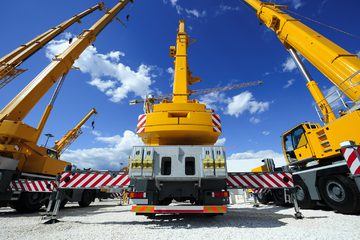
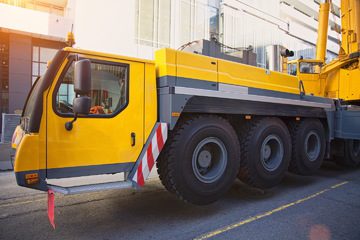
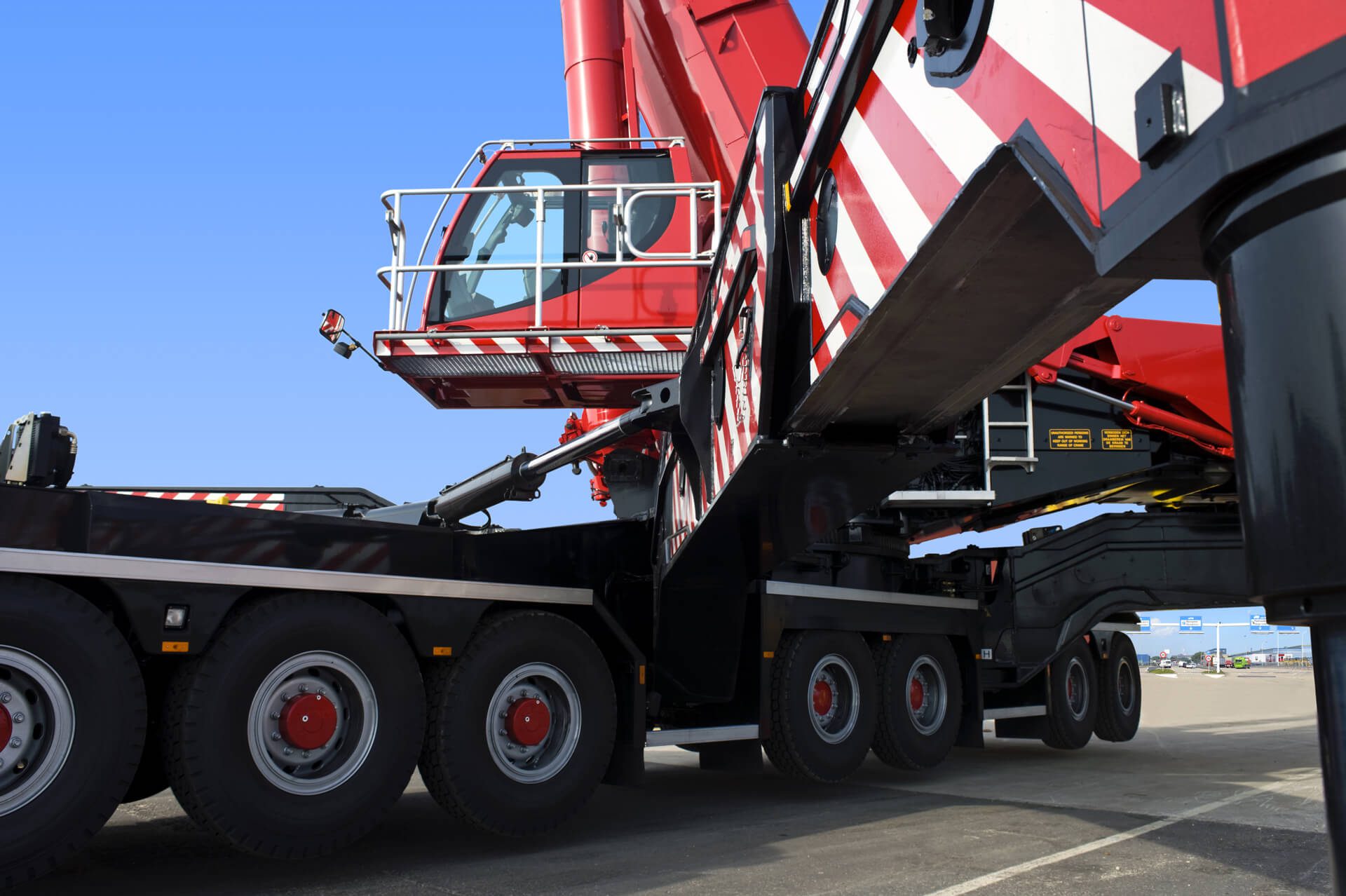
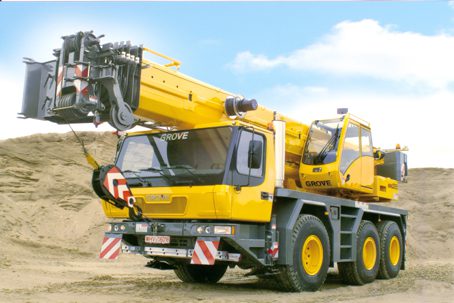
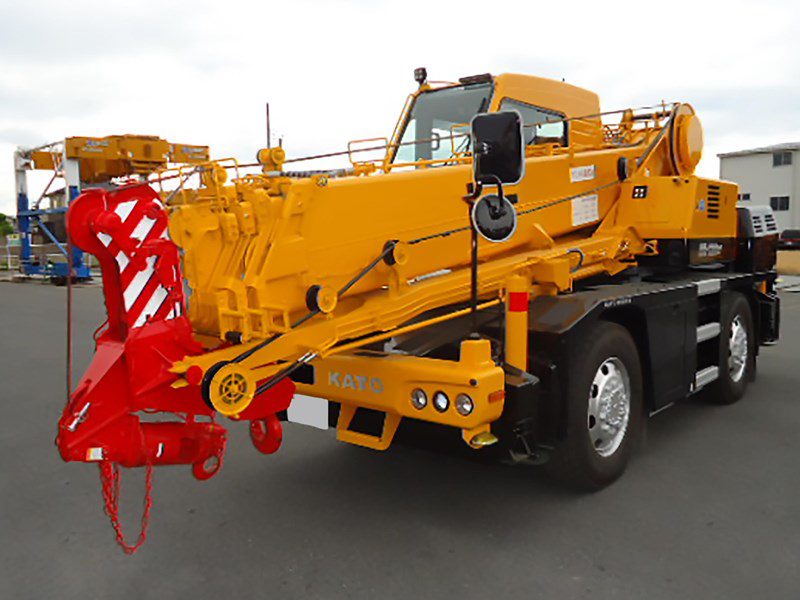
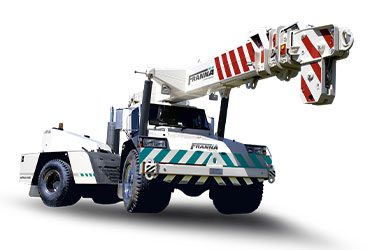
Mobile crane hire remains central to infrastructure development across Australia. These cranes are mounted on wheeled or tracked vehicles, allowing them to be transported quickly between job sites. Their flexibility makes them particularly valuable in projects that involve multiple phases or changing work zones.
Large-scale infrastructure—such as highway expansions, bridge construction, and rail upgrades—often relies on mobile cranes to lift structural components, install precast concrete elements, or position heavy machinery. Because these projects frequently extend across long corridors or dispersed locations, the mobility of these cranes is essential.
Mobile cranes are also commonly used during the early and final stages of urban construction projects. At the beginning of a project, they assist with site preparation, moving materials and equipment before permanent lifting systems are installed. Toward completion, they help dismantle tower cranes or lift finishing elements into place.
In cities with ongoing infrastructure investment, the adaptability of mobile crane hire allows construction firms to respond quickly to shifting project schedules while maintaining operational efficiency.
Tower Cranes and the Rise of High-Density Development
If mobile cranes provide mobility, tower cranes offer height and endurance. Tower crane hire has become synonymous with high-rise construction, particularly in Australia’s largest metropolitan areas where land scarcity drives vertical development.
These cranes are fixed to the ground or integrated into building structures, enabling them to lift heavy loads to significant heights over extended periods. Their long horizontal jibs allow operators to move materials across large building footprints, making them essential for constructing residential towers, commercial skyscrapers, and mixed-use developments.
The proliferation of tower cranes across Australian skylines reflects the broader shift toward high-density living. Cities such as Sydney and Melbourne have seen sustained growth in apartment construction, while urban regeneration projects continue to transform former industrial zones into residential and commercial precincts.
Tower cranes provide the stability and lifting capacity necessary for these projects, often remaining in place for months or even years as buildings rise floor by floor. Their presence has become a visual symbol of urban transformation.
Luffing Cranes in Dense Urban Environments
In tightly constrained city centres, however, traditional tower cranes are not always practical. This is where luffing crane hire plays an increasingly important role.
Luffing cranes differ from conventional tower cranes in the way their jibs move. Instead of sweeping a wide horizontal arc, the jib raises and lowers vertically in a controlled motion. This design allows the crane to operate within a smaller airspace footprint—an essential feature in crowded urban environments where buildings, roads, and existing infrastructure limit operational range.
For high-rise projects located close to neighbouring structures, luffing cranes help prevent conflicts with adjacent buildings or other cranes operating nearby. Their ability to adjust the angle of the jib also reduces the risk of oversailing surrounding properties, an important consideration in dense residential or commercial districts.
As Australian cities continue to intensify development in central areas, the demand for luffing crane hire has grown steadily. These machines provide the precision and spatial efficiency required to build upward while minimizing disruption to the surrounding urban environment.
Safety Standards and Regulatory Oversight
The widespread use of cranes in Australian construction is accompanied by rigorous safety standards and regulatory oversight. Workplace safety authorities and industry bodies impose strict requirements on crane operation, maintenance, and certification.
Operators must undergo specialized training and licensing, while cranes themselves are subject to regular inspections and engineering assessments. Load calculations, weather conditions, and site constraints are carefully monitored to ensure lifting operations remain safe.
Construction sites using cranes must also follow detailed planning procedures, including lift studies and risk assessments. These processes identify potential hazards and establish protocols for safe operation, particularly in busy urban areas where cranes may operate near roads, pedestrians, or occupied buildings.
The emphasis on safety reflects both regulatory expectations and the high level of public visibility associated with crane operations in major cities.
Technology Reshaping Crane Operations
Technological innovation is also reshaping how cranes are used across Australia’s construction sector. Modern cranes increasingly incorporate digital monitoring systems that track load weight, wind conditions, and mechanical performance in real time.
Sensors and telematics enable operators and site managers to monitor crane performance remotely, improving both safety and efficiency. Some systems can automatically prevent lifts that exceed safe capacity or halt operations if environmental conditions become hazardous.
Advanced planning software has also improved the coordination of cranes on complex construction sites. By simulating lifting sequences and crane movements in a digital environment, engineers can optimize equipment placement and minimize operational conflicts before work begins.
These technological tools are particularly valuable in dense urban projects where multiple cranes may operate simultaneously within limited space.
Supporting Australia’s Urban Transformation
The growing reliance on crane hire services reflects the broader transformation of Australia’s construction industry. As cities expand and infrastructure investment accelerates, construction firms increasingly depend on specialized equipment providers to support complex projects.
mobile crane hire enables flexibility across large infrastructure developments. Tower crane hire supports the vertical growth of residential and commercial buildings. Luffing crane hire allows construction to proceed safely in crowded urban centres.
Together, these lifting solutions form a critical part of the machinery behind Australia’s evolving skyline. While cranes may be temporary fixtures on the horizon, their role in shaping the nation’s urban landscape is enduring.
As Australian cities continue to grow and adapt to new economic and demographic pressures, the silent choreography of cranes above construction sites will remain a defining feature of modern development—an industrial ballet that lifts steel, concrete, and ambition into the air.