Across Australia’s largest cities, cranes have become one of the most visible symbols of economic activity. From the high-rise apartments reshaping inner-city skylines to the highways, rail links, and logistics hubs transforming outer suburbs, modern construction projects increasingly rely on sophisticated lifting equipment to manage scale and complexity. In this evolving landscape, services such as mobile crane hire, tower crane hire, and luffing crane hire have become essential components of the construction supply chain.
Nowhere is this more evident than in Western Sydney, where population growth, major infrastructure projects, and industrial expansion have accelerated construction activity. The region’s development has highlighted the strategic role of luffing crane hire Western Sydney in enabling builders to operate efficiently within dense urban environments while maintaining strict safety and regulatory standards.
Western Sydney’s Expanding Construction Landscape
Western Sydney has emerged as one of Australia’s fastest-growing urban regions. Large-scale infrastructure investments—including airport development, transport corridors, and logistics precincts—are reshaping the economic geography of the metropolitan area.
As construction projects increase in scale and technical complexity, lifting operations have become a critical element of project planning. Cranes are no longer viewed merely as equipment but as strategic assets that determine how quickly and safely structures can rise.
In high-density developments around Parramatta, Penrith, and emerging commercial centres, space constraints often limit the placement and movement of heavy machinery. These constraints have elevated the importance of specialised crane solutions, particularly those capable of operating within confined construction footprints.
The Role of Mobile Crane Hire in Infrastructure Projects
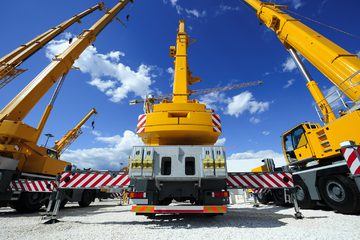
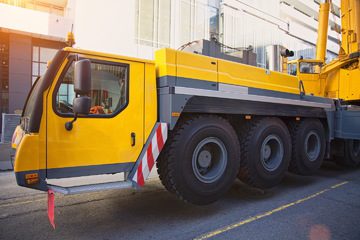
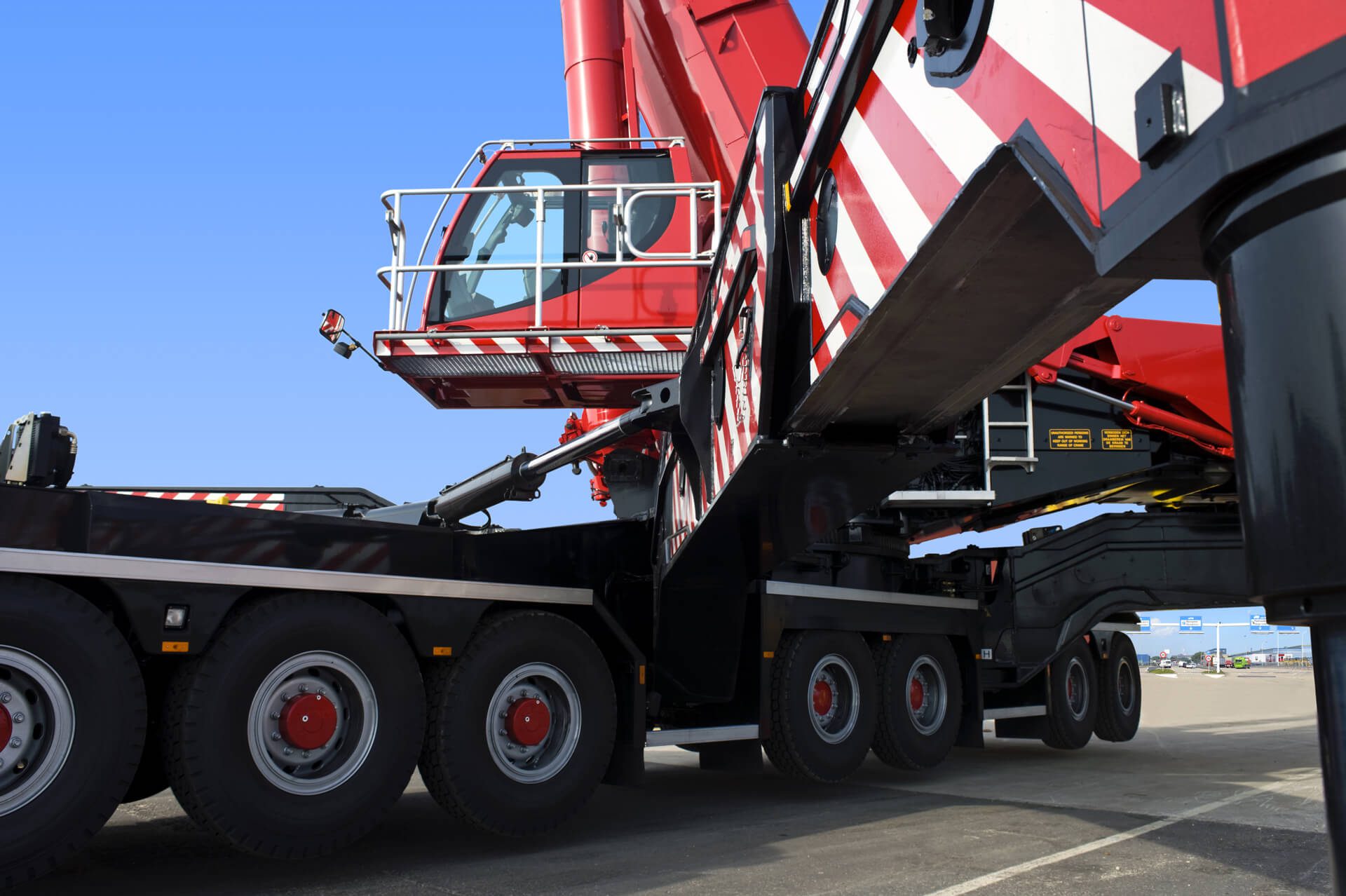
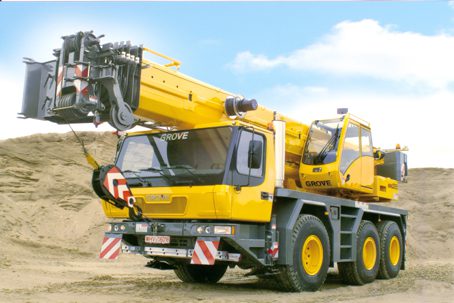
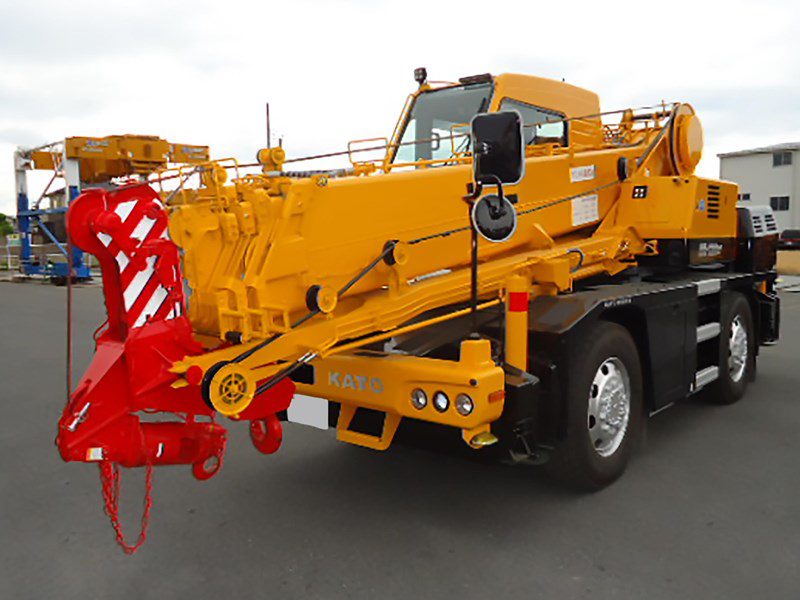
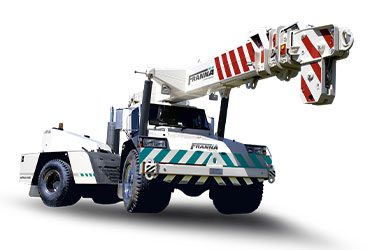
Mobile cranes remain among the most versatile tools in modern construction. Mounted on wheeled or tracked carriers, they can be transported easily between job sites, allowing contractors to respond quickly to changing project requirements.
Across Australia’s infrastructure sector, mobile crane hire is frequently used for bridge construction, road upgrades, and large-scale civil works. Their mobility allows them to perform lifting operations across multiple stages of a project, from installing precast concrete components to positioning steel beams.
Infrastructure projects in Western Sydney have relied heavily on this flexibility. Large transport corridors and logistics developments often require lifting equipment that can operate across extended project areas. Mobile cranes provide the adaptability needed for such environments, particularly when lifting tasks are intermittent or distributed across a wide site.
Despite their versatility, mobile cranes are typically not the primary solution for high-rise construction. As buildings grow taller and urban sites become more constrained, other crane types become more efficient.
Tower Crane Hire and the Rise of Australia’s High-Density Cities
For vertical construction, tower crane hire has long been a defining feature of major urban developments. These cranes, anchored to the ground or integrated into a building’s structure, are designed to operate continuously throughout the construction of tall buildings.
In cities such as Sydney, Melbourne, and Brisbane, tower cranes dominate the skyline during periods of intense development. Their height and lifting capacity allow them to move materials efficiently across multi-storey projects, enabling contractors to maintain tight construction schedules.
The widespread adoption of tower crane hire reflects the broader shift toward higher-density urban living. Apartment towers, mixed-use developments, and commercial high-rises require lifting equipment capable of moving heavy materials—steel, concrete panels, and mechanical systems—across both vertical and horizontal distances.
However, even tower cranes face limitations in highly constrained sites. As Australian cities densify and construction sites become increasingly compact, builders are turning to a specialised variation designed for tight spaces.
Why Luffing Cranes Are Crucial in Dense Urban Environments
Among the most significant technological adaptations in modern construction is the growing use of luffing cranes. These cranes differ from traditional tower cranes in one key respect: their jib, or horizontal arm, can move vertically through a luffing motion.
This design allows the crane to operate within a smaller airspace footprint, reducing the risk of oversailing adjacent buildings or public areas. As a result, luffing crane hire has become particularly important for developments in crowded urban districts.
In Western Sydney, where commercial centres are expanding rapidly and residential towers are rising near existing infrastructure, luffing crane hire Western Sydney plays a critical role. The cranes’ ability to lift materials vertically without extending far beyond the building footprint makes them well suited to sites surrounded by roads, rail lines, or neighbouring developments.
Their use also reflects the increasing complexity of urban construction planning. Developers must balance engineering requirements with local regulations, airspace restrictions, and safety considerations. Luffing cranes provide a practical solution that enables construction to proceed without interfering with nearby structures.
Safety Standards and Regulatory Oversight in Australia
Australia maintains some of the world’s most rigorous safety frameworks for construction and heavy lifting operations. The operation of cranes is governed by national workplace health and safety regulations as well as state-level oversight agencies.
Crane operators must undergo specialised training and licensing to operate equipment safely. Site managers must also comply with strict procedures governing lift planning, equipment inspections, and load management.
In New South Wales, construction projects must adhere to guidelines set by workplace safety authorities that regulate everything from crane assembly to operational clearances. These frameworks are designed to minimise risk in environments where heavy machinery operates close to workers and the public.
The complexity of crane operations has led to increased reliance on experienced operators and engineering oversight. Lift plans, risk assessments, and detailed site logistics have become standard practice across large construction projects.
These safety protocols are particularly important in urban areas like Western Sydney, where cranes operate close to residential neighbourhoods, transport infrastructure, and commercial districts.
Technology Transforming Modern Crane Operations
Technological innovation has also reshaped the way cranes are deployed across construction projects. Modern cranes are equipped with advanced control systems that allow operators to monitor load weights, wind conditions, and equipment stability in real time.
Digital systems can now integrate with site planning software, allowing engineers to model crane placements before equipment arrives on site. This approach helps project managers identify potential hazards, optimise lifting paths, and minimise disruption to surrounding areas.
Remote diagnostics and telematics have further improved safety and efficiency. Operators and maintenance teams can monitor crane performance continuously, identifying mechanical issues before they lead to operational delays.
For projects involving mobile crane hire, these technologies help coordinate complex lifting operations across multiple work zones. In the case of tower crane hire and luffing crane hire, digital tools enable precise control of lifting movements, particularly in high-rise construction where accuracy is critical.
Cranes as Indicators of Economic Activity
The visibility of cranes across Australian cities often serves as a barometer of economic momentum. Periods of rapid development typically correspond with increases in crane deployments, reflecting rising investment in housing, infrastructure, and commercial property.
Western Sydney’s construction boom illustrates this dynamic. As the region evolves into a major economic hub—with logistics centres, transport networks, and residential communities expanding simultaneously—the demand for specialised lifting equipment continues to grow.
The combination of mobile crane hire, tower crane hire, and luffing crane hire Western Sydney reflects the diversity of projects underway in the region. Each crane type plays a distinct role, supporting different stages and scales of development.
Building Australia’s Next Urban Era
Australia’s construction sector is entering a period defined by both growth and complexity. Urban densification, infrastructure expansion, and population increases are placing new demands on the systems that support large-scale building projects.
Cranes—often overlooked outside the industry—remain fundamental to this transformation. Their evolution reflects broader changes in engineering, safety standards, and urban planning.
As Western Sydney continues to expand, the strategic deployment of lifting equipment will remain central to construction efficiency. Whether through the flexibility of mobile crane hire, the vertical reach of tower crane hire, or the spatial precision enabled by luffing crane hire, these machines are helping shape the next chapter of Australia’s built environment.
High above construction sites, the cranes that dot the skyline offer more than a symbol of growth. They represent the infrastructure, planning, and technological coordination required to build modern cities—one carefully managed lift at a time.