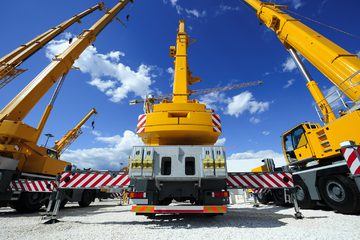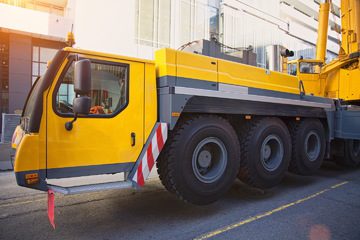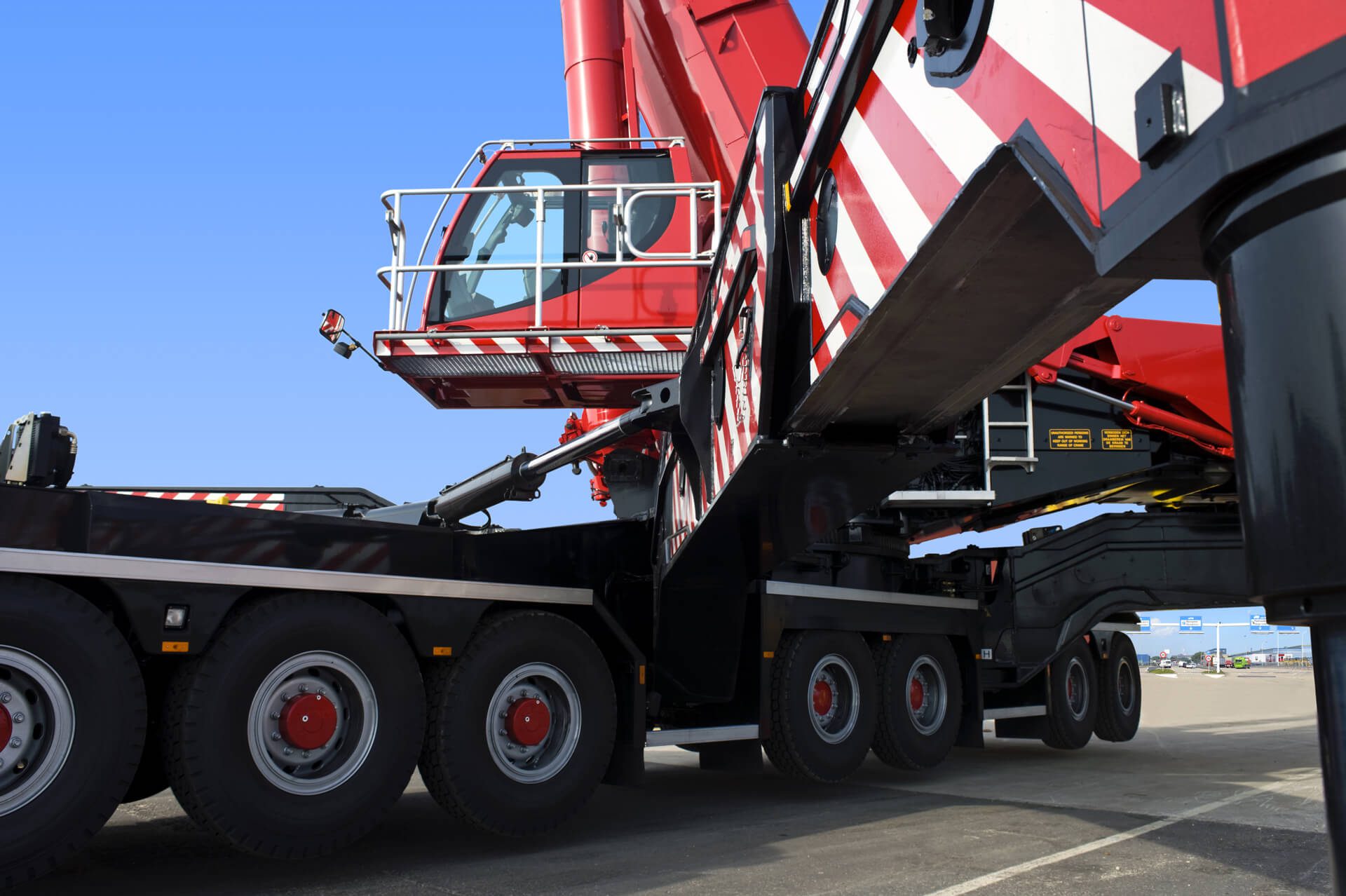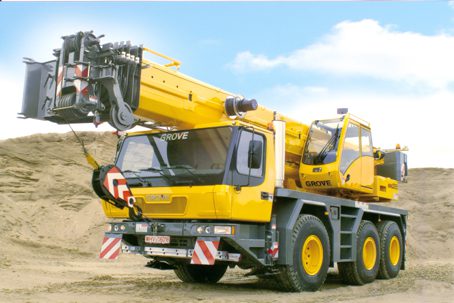
Across Australia’s rapidly expanding metropolitan regions, cranes have become a defining feature of the skyline. Nowhere is this more evident than in Western Sydney, where new transport corridors, residential developments, and industrial precincts are transforming the region into one of the country’s most significant economic hubs. Behind this growth lies a highly coordinated construction ecosystem in which mobile crane hire, tower crane hire, and luffing crane hire play a crucial operational role.
The availability of specialised lifting equipment through flexible hire models has become central to modern project delivery. As construction timelines compress and urban density increases, the crane hire sector has evolved from a logistical support function into a strategic partner in infrastructure and property development.
Western Sydney’s Expanding Construction Landscape
Western Sydney has emerged as one of the most active construction zones in the country, driven by major infrastructure investments such as the development surrounding Western Sydney International Airport and large-scale transport upgrades linked to Transport for NSW.
These projects are reshaping the region’s urban footprint. New metro stations, logistics hubs, apartment towers, and commercial precincts are rising simultaneously, creating a complex environment where lifting capacity, site access, and scheduling precision are critical.
In this context, the concept of city crane hire western Sydney reflects more than simple equipment rental. It represents a coordinated network of engineering expertise, site planning, and specialised machinery that allows contractors to match crane capabilities with the specific demands of each stage of construction.
The Role of Mobile Cranes in Infrastructure Delivery
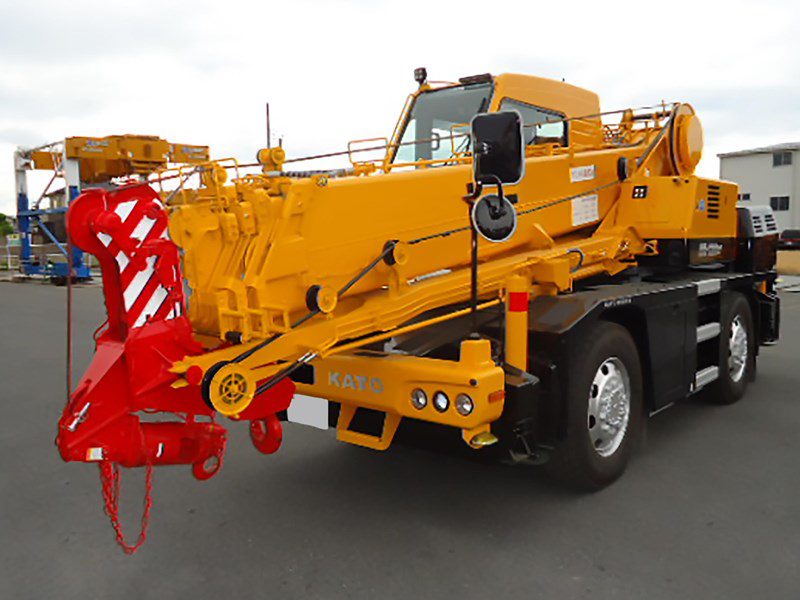
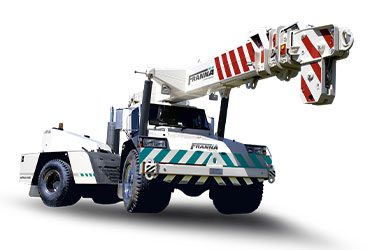
Among the most versatile lifting solutions used across Australia’s construction sector are mobile cranes. Through mobile crane hire, contractors gain access to highly adaptable machines capable of moving between job sites and performing a wide variety of tasks.
Mobile cranes are particularly suited to infrastructure projects such as highway upgrades, rail construction, and bridge installations. Their mobility allows them to travel directly to project locations without requiring permanent installation, making them valuable in early construction phases when structures are still emerging.
On transport corridors and civil works projects, mobile cranes are frequently used to position precast concrete beams, lift structural steel components, and support bridge assembly. Their ability to reposition quickly across large work zones improves operational efficiency, especially on projects with shifting work fronts.
The expansion of Western Sydney’s logistics and freight infrastructure has further increased demand for mobile lifting solutions. Warehousing developments and industrial estates often require cranes that can operate across expansive sites where permanent tower installations may not be practical.
In these contexts, mobile crane hire provides both flexibility and scale, allowing project managers to deploy lifting capacity exactly when needed without maintaining a permanent fleet.
Tower Cranes and the Rise of Vertical Construction
While mobile cranes dominate large horizontal infrastructure works, tower crane hire is closely associated with Australia’s growing high-rise construction sector. In major cities such as Sydney and Melbourne, tower cranes have become a visual symbol of urban expansion.
Tower cranes are designed for height and reach. Installed on fixed bases or integrated into building cores, they provide the vertical lifting capability necessary for multi-storey developments. As residential density increases in Australian cities, tower cranes play a central role in assembling structural frameworks, lifting steel reinforcement, positioning formwork systems, and transporting materials across construction sites.
The demand for tower crane hire has grown alongside the proliferation of mixed-use developments and apartment towers throughout Western Sydney’s growth corridors. Developers increasingly rely on cranes with greater lifting capacities and longer jib spans to support taller buildings and more complex architectural designs.
Tower cranes also contribute to improved site organisation. By providing predictable lifting cycles and stable operating positions, they allow construction teams to coordinate multiple trades working simultaneously across different floors of a structure.
Luffing Cranes in Dense Urban Environments
In highly congested urban areas, conventional tower cranes can face operational constraints due to limited airspace and nearby structures. This is where luffing crane hire becomes particularly valuable.
Luffing cranes differ from traditional tower cranes in their ability to raise and lower the jib angle, allowing the crane to operate within tighter airspace envelopes. This capability makes them especially suited to inner-city developments where cranes must avoid overlapping with neighbouring buildings or adjacent construction projects.
In cities like Brisbane and Perth, luffing cranes have become increasingly common on complex residential and commercial towers built on compact sites.
For Western Sydney, where urban density is gradually increasing around new transport nodes and commercial centres, luffing crane hire is emerging as a practical solution for projects located close to existing infrastructure or surrounding buildings.
The ability to control the crane’s operating radius through the luffing mechanism reduces the risk of interference with neighbouring cranes and structures, enabling multiple developments to progress simultaneously within tight urban spaces.
Safety and Regulatory Standards in Australian Crane Operations
The operation of cranes in Australia is governed by strict safety regulations designed to minimise risk in an industry where lifting heavy loads at significant heights presents inherent hazards.
Workplace safety frameworks overseen by Safe Work Australia establish national guidelines for crane operations, while state-level regulators enforce licensing, inspection, and operational requirements. These standards cover everything from crane assembly and maintenance to operator certification and site safety planning.
In major projects, lifting operations are typically supported by detailed lift studies, engineering assessments, and risk management protocols. Crane operators must hold appropriate high-risk work licences, and many projects also employ dedicated lifting supervisors to coordinate complex operations.
Technological systems are increasingly integrated into crane fleets to enhance safety. Modern cranes are equipped with load-moment indicators, anti-collision technology, and remote monitoring systems that provide real-time performance data. These tools help operators maintain safe operating conditions and allow project managers to track equipment usage and maintenance requirements.
The emphasis on safety has also influenced the crane hire industry itself. Companies providing mobile crane hire, tower crane hire, and luffing crane hire must maintain rigorous inspection schedules and comply with Australian engineering standards to remain competitive in a tightly regulated market.
Technology Transforming the Crane Sector
Beyond safety improvements, technological innovation is reshaping how cranes are integrated into construction planning.
Digital modelling tools such as building information modelling (BIM) are increasingly used to simulate crane placements and lifting operations before construction begins. By mapping crane movements in virtual environments, project teams can identify potential conflicts with structures, neighbouring buildings, or other cranes.
Automation and telematics are also becoming more prevalent in crane fleets. Sensors embedded within crane components provide continuous feedback on structural loads, wind conditions, and mechanical performance. This information supports predictive maintenance strategies, reducing downtime and improving operational reliability.
Another emerging trend involves hybrid and electric crane technologies designed to reduce emissions and noise in urban environments. As cities introduce stricter environmental standards, crane manufacturers are exploring alternative power systems that align with broader sustainability goals within the construction industry.
The Strategic Importance of Crane Hire in Urban Development
The growing reliance on crane hire reflects broader changes in how construction projects are delivered across Australia. Rather than owning and maintaining large fleets of specialised equipment, many contractors now depend on dedicated crane providers that supply machinery tailored to the needs of each project stage.
This model allows developers and builders to scale operations efficiently. Large infrastructure projects may require mobile cranes for early civil works, tower cranes for structural construction, and luffing cranes for dense urban sites. Access to a diverse fleet through crane hire services ensures that the appropriate lifting solution is available when required.
In Western Sydney, where multiple major developments are progressing simultaneously, this flexibility is particularly important. Construction timelines are often compressed, and project coordination across transport, residential, and commercial sectors demands precise logistical planning.
Crane hire providers therefore play a role that extends beyond equipment supply. Their engineering expertise, lifting strategies, and technical planning contribute directly to project efficiency and safety.
Looking Upward: Cranes and Australia’s Urban Future
As Australian cities continue to grow, the presence of cranes will remain an unmistakable indicator of economic activity and urban transformation. From the infrastructure shaping Western Sydney to the high-rise towers emerging across major metropolitan centres, cranes are integral to the process of building modern cities.
The increasing demand for mobile crane hire, tower crane hire, and luffing crane hire reflects the complexity of contemporary construction projects. Each crane type serves a distinct purpose, supporting everything from transport infrastructure and logistics facilities to residential skyscrapers and mixed-use precincts.
In the coming decade, technological innovation, stricter safety standards, and expanding urban development are likely to further elevate the strategic importance of crane hire within Australia’s construction industry. For Western Sydney and other rapidly growing regions, cranes will continue to shape the skyline—quietly enabling the infrastructure and buildings that define the next chapter of urban growth.