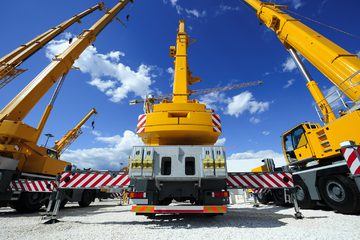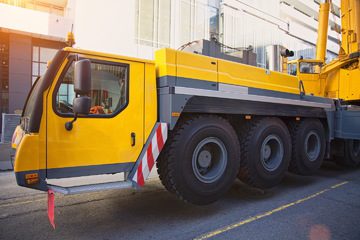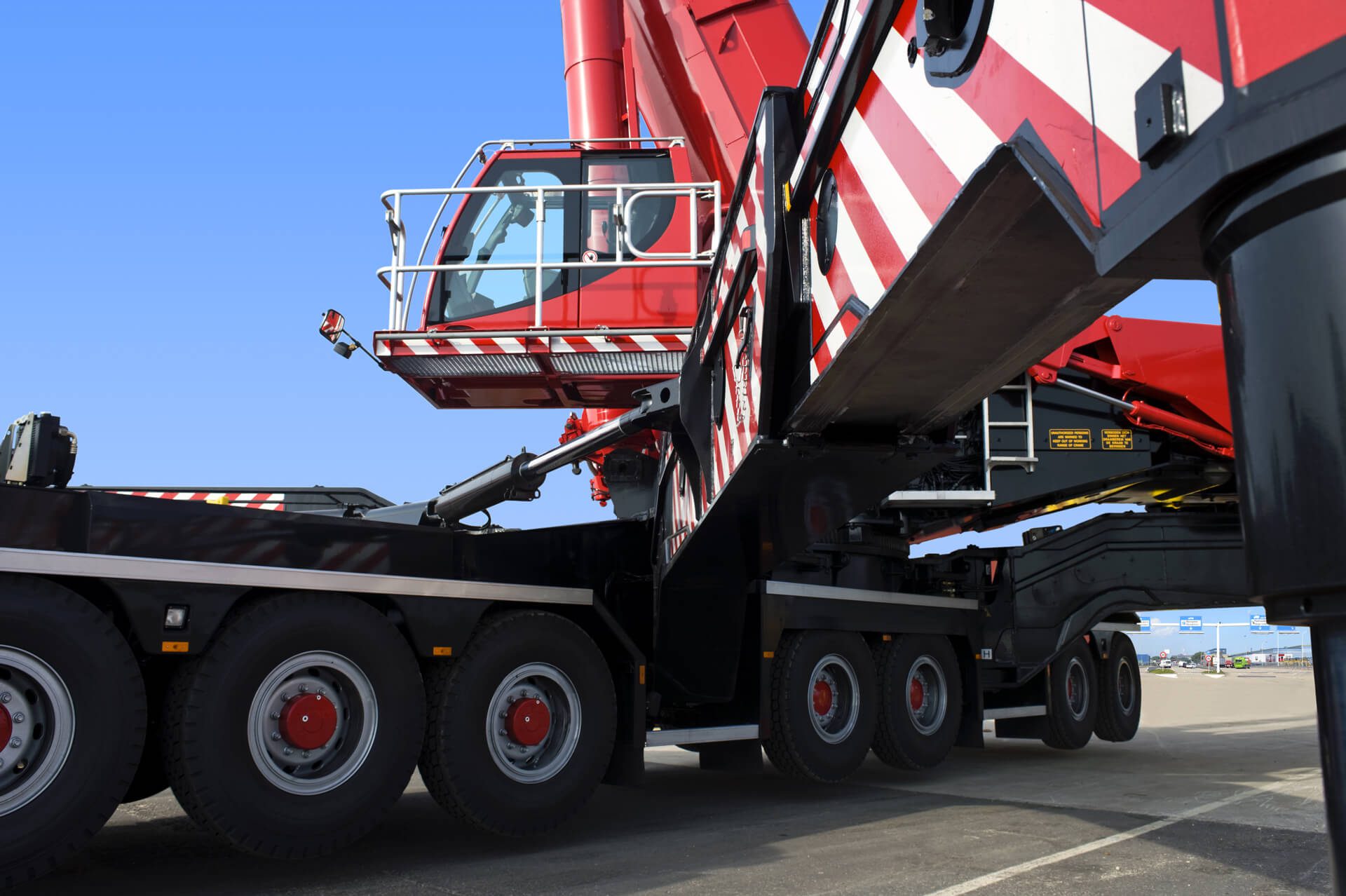
Across Australia’s rapidly evolving cities, cranes have become one of the most visible indicators of economic momentum. From high-rise residential towers reshaping metropolitan skylines to large transport infrastructure projects connecting expanding suburbs, the machinery that lifts steel, glass, and concrete into place plays a critical yet often overlooked role in national development. Increasingly, the construction sector relies on specialised equipment services—particularly mobile crane hire, tower crane hire, and luffing crane hire—to manage complex building environments and maintain the pace of urban growth.
In dense metropolitan areas such as Northern Sydney, crane deployment has become not only a logistical necessity but also a strategic decision tied to efficiency, safety, and regulatory compliance. As Australian cities continue to expand vertically and infrastructure investment accelerates, the systems that support crane operations are becoming central to the broader construction ecosystem.
The Strategic Importance of Tower Cranes in Urban Construction
Modern high-rise construction depends heavily on tower cranes, which provide the lifting capacity and reach required to assemble tall structures efficiently. In Northern Sydney, where redevelopment and commercial expansion are steadily transforming the urban landscape, the availability of tower crane hire northern sydney services has become essential to the construction timeline.
Tower cranes are typically installed early in the building process and remain on-site for months or even years. Their height and horizontal reach allow them to transport materials across large sections of a construction site, making them indispensable for projects involving multi-storey buildings. In rapidly developing precincts, where land availability is limited and construction footprints are tight, tower cranes allow contractors to move heavy components vertically without requiring additional ground space.
Urban planners and construction managers increasingly view crane placement as a strategic planning element. The positioning of a tower crane affects site logistics, delivery schedules, and worker safety. In high-density neighbourhoods, where buildings may rise only metres from existing structures, crane operators must coordinate carefully with surrounding infrastructure and airspace regulations.
Northern Sydney illustrates how these considerations shape construction activity. As commercial developments and residential towers continue to rise, crane hire arrangements often involve detailed planning between contractors, engineers, and local authorities to ensure the equipment can operate safely above busy streets and adjacent buildings.
Mobile Cranes and the Flexibility of Infrastructure Projects
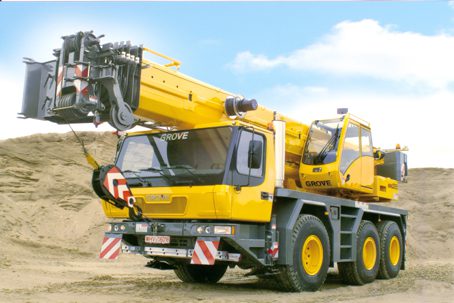
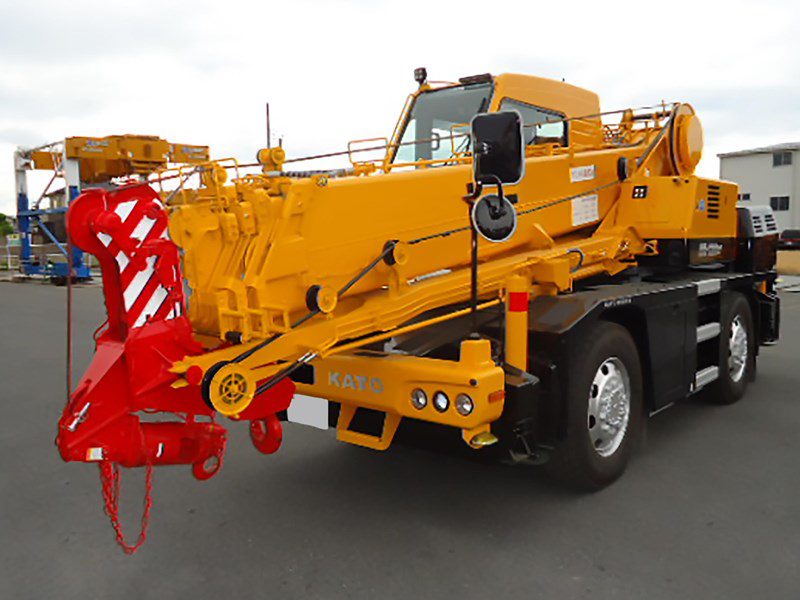
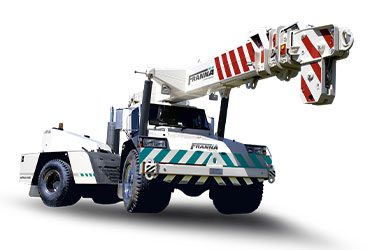
While tower cranes dominate the skyline during high-rise construction, mobile crane hire remains critical across infrastructure and civil engineering projects throughout Australia. Unlike fixed cranes, mobile cranes are mounted on wheeled or tracked platforms, allowing them to be transported easily between locations.
This mobility makes them particularly valuable in projects that span large geographic areas, such as highway upgrades, railway construction, or energy infrastructure installations. Mobile cranes are capable of lifting extremely heavy loads and can be deployed quickly for short-term tasks, including bridge assembly, prefabricated component placement, and industrial maintenance.
In infrastructure development, where timelines are tightly controlled and project phases shift rapidly, mobile cranes provide operational flexibility that fixed cranes cannot match. Contractors can bring them onto a site for specific lifting tasks and remove them once the work is completed, reducing long-term equipment commitments.
Across Australia, the expansion of renewable energy facilities, transportation corridors, and public infrastructure has increased reliance on mobile crane hire services. These machines enable construction teams to operate in remote or uneven terrain, where installing a permanent crane would be impractical.
Luffing Cranes and the Challenges of Dense Cityscapes
In particularly crowded urban environments, traditional tower cranes may face limitations due to their large horizontal jib radius. This is where luffing crane hire becomes essential. Luffing cranes are designed with a variable-angle jib that can be raised or lowered, allowing the crane to operate in confined spaces without extending too far beyond the construction site.
This capability makes luffing cranes especially useful in tightly packed city districts, where neighbouring buildings and limited airspace create operational constraints. By adjusting the angle of the jib, operators can lift materials vertically without swinging large sections of the crane across surrounding properties.
Australian cities such as Sydney and Melbourne increasingly rely on this technology as urban density grows. High-rise construction in central business districts often requires cranes that can work safely above narrow streets, transport corridors, and existing towers.
For large residential or commercial projects in crowded precincts, contractors may combine several crane types. A tower crane might handle the majority of vertical lifting, while a luffing crane operates in areas where space restrictions limit traditional crane movement. The integration of multiple crane systems allows construction teams to maintain productivity while adhering to strict safety and planning regulations.
Safety and Regulatory Oversight in Australia
Operating heavy lifting equipment in populated areas carries significant risk, and Australia maintains stringent safety standards governing crane operations. Construction companies must comply with regulations established by bodies such as Safe Work Australia, which provides national guidance on workplace health and safety practices.
State-level regulators also play a crucial role in enforcing crane safety requirements, including operator certification, equipment inspections, and safe operating procedures. Crane operators typically undergo specialised training and licensing to ensure they can manage complex lifting operations in varied environments.
Safety planning begins well before a crane arrives on site. Engineers and project managers conduct detailed risk assessments, evaluating load weights, wind conditions, ground stability, and potential hazards. Lift plans are developed to coordinate crane movements and ensure that loads are transported safely across the construction area.
Weather conditions can also influence crane activity. Strong winds, which are common at higher elevations, can make lifting operations dangerous. As a result, crane operators rely on real-time weather monitoring systems and strict operational thresholds that determine when work must pause.
The high level of regulatory oversight reflects the scale and complexity of modern construction projects. With cranes operating above busy city streets and near critical infrastructure, safety protocols are essential to protecting workers and the public alike.
Technological Innovation in Crane Operations
Advances in technology are reshaping how cranes operate on construction sites. Digital monitoring systems now allow operators and engineers to track equipment performance, load weights, and operational limits in real time. These systems help reduce the risk of overloading and improve coordination across large construction teams.
Automation and remote diagnostics are also becoming more common in crane management. Sensors embedded in crane components can detect structural stress or mechanical issues, allowing maintenance teams to address potential problems before they lead to equipment failure.
Building Information Modeling, widely known as BIM, has further transformed crane planning. Construction teams use digital models to simulate building processes and determine the optimal placement of cranes on site. By visualising lifting paths and construction stages in advance, project managers can avoid logistical conflicts and improve overall efficiency.
These technological tools are particularly valuable in complex urban environments such as Northern Sydney, where multiple construction projects may be underway simultaneously. Digital planning helps ensure cranes can operate safely while minimising disruptions to surrounding neighbourhoods.
The Broader Economic Context
Australia’s construction sector plays a central role in national economic growth, supporting employment, infrastructure development, and housing supply. Crane operations are closely tied to this activity, serving as a visible measure of building momentum in major cities.
When cranes populate the skyline, it often signals strong investment in property and infrastructure. Conversely, a decline in crane activity can reflect broader economic slowdowns in construction and development.
In recent years, Australia’s urban population growth and infrastructure spending have sustained demand for crane services across the country. Major transport projects, urban renewal programs, and residential developments continue to rely on specialised equipment providers to maintain construction timelines.
Within this environment, crane hire services have evolved into a sophisticated support industry that combines engineering expertise, logistical planning, and regulatory compliance.
Cranes as Symbols of a Changing Skyline
For many Australians, cranes are simply part of the background of city life—mechanical silhouettes that rise above construction sites and slowly rotate across the skyline. Yet their presence represents far more than the machinery itself.
Each crane signals a complex process involving architects, engineers, construction workers, and regulators working together to shape the built environment. Whether through mobile crane hire, tower crane hire, or luffing crane hire, these machines enable the physical transformation of cities and infrastructure.
As metropolitan regions continue to evolve, cranes will remain essential instruments of urban development. From the strategic deployment of tower cranes in Northern Sydney to the flexible use of mobile cranes in large infrastructure projects, the technology and expertise behind these towering machines will continue to support Australia’s next generation of construction.