Across Australia’s rapidly evolving cities and regional growth corridors, the sight of cranes rotating slowly above construction sites has become a familiar part of the skyline. These towering machines signal the scale of infrastructure investment reshaping the nation—from transport projects and commercial towers to hospitals, housing developments, and renewable energy facilities. Behind these projects lies a complex logistical system in which crane deployment plays a pivotal role.
In particular, the growing reliance on mobile crane hire, tower crane hire, and luffing crane hire reflects how modern construction has adapted to the demands of dense urban development and large-scale infrastructure works. In regional development areas such as the Southern Highlands of New South Wales, access to specialized lifting equipment—including tower crane hire southern highlands services—has become increasingly important for delivering projects efficiently and safely.
As Australia confronts rising population growth, housing pressures, and infrastructure expansion, cranes have become not only symbols of development but also essential tools shaping how cities and regional centers are built.
The Strategic Role of Cranes in Australia’s Construction Landscape
Construction activity in Australia has grown steadily over the past decade, driven by urban population increases and public investment in transportation networks, renewable energy, and housing. Projects ranging from metropolitan rail lines to regional hospital expansions require complex lifting operations that few construction firms maintain in-house.
Instead, many rely on specialized crane hire providers that supply equipment tailored to the scale and conditions of each project. This approach allows developers and contractors to access advanced machinery without the cost and logistical burden of owning and maintaining fleets of cranes.
In regional areas such as the Southern Highlands, the availability of tower crane hire southern highlands services has become a critical enabler for mid-scale urban development. Town centers experiencing population growth increasingly require multi-storey residential and mixed-use buildings—projects that depend on tower cranes to move materials vertically and efficiently across constrained worksites.
The crane hire model also reflects the diversity of modern construction tasks. Infrastructure projects may require heavy-lift mobile cranes capable of moving bridge segments or wind turbine components, while high-rise construction relies on fixed cranes that operate continuously for months or years.
Tower Cranes and the Rise of Vertical Construction
Among the most recognizable machines on Australian construction sites are tower cranes, whose tall masts and horizontal jibs dominate the skylines of cities like Sydney, Melbourne, and Brisbane. Tower cranes are essential for high-rise and large commercial developments, where materials must be transported hundreds of meters above ground level.
The demand for tower crane hire has increased alongside Australia’s shift toward higher-density urban living. As land values rise in metropolitan areas, developers increasingly build upward rather than outward. Tower cranes provide the reach and lifting capacity needed to move steel, concrete panels, and prefabricated modules into position on tall structures.
In regional growth corridors, including the Southern Highlands, tower cranes are also appearing more frequently as development intensifies. Apartment complexes, hotels, and civic buildings require equipment capable of sustained vertical lifting operations. Access to tower crane hire southern highlands solutions allows construction firms operating outside major metropolitan areas to deploy the same technologies used on city skyscrapers.
Unlike mobile cranes, which are temporary and move between sites, tower cranes are typically assembled on-site and remain in place throughout the structural phase of a project. Their ability to rotate 360 degrees and transport loads across large footprints makes them indispensable for complex building projects.
Mobile Cranes and Infrastructure Flexibility
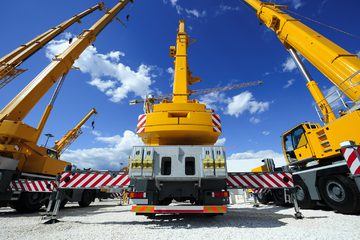
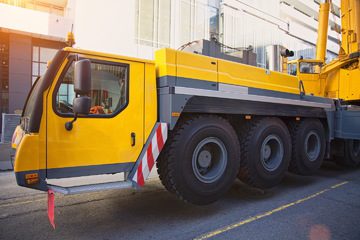
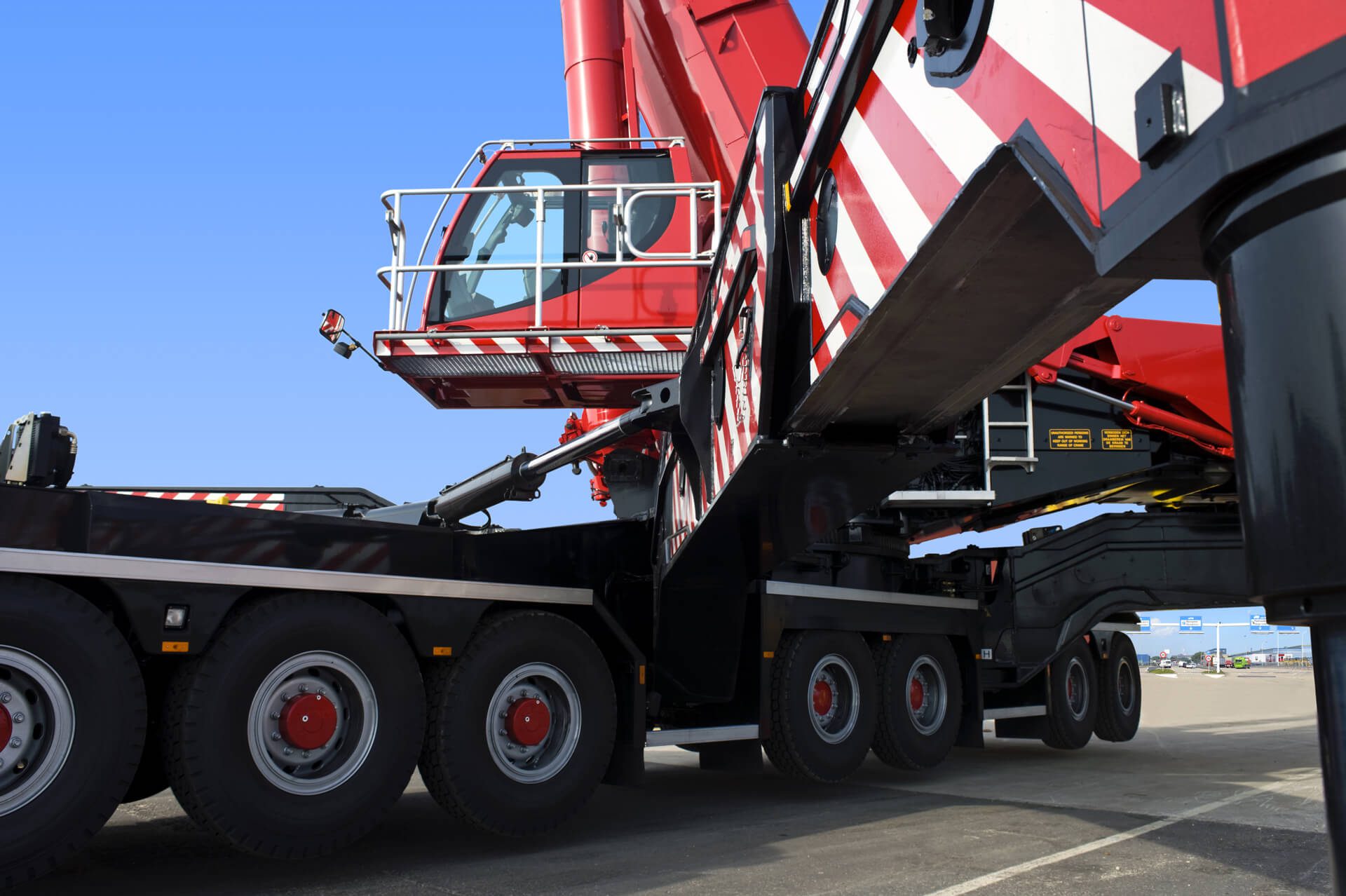
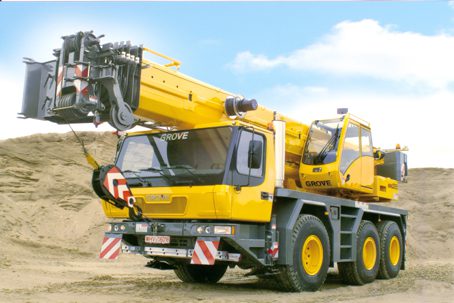
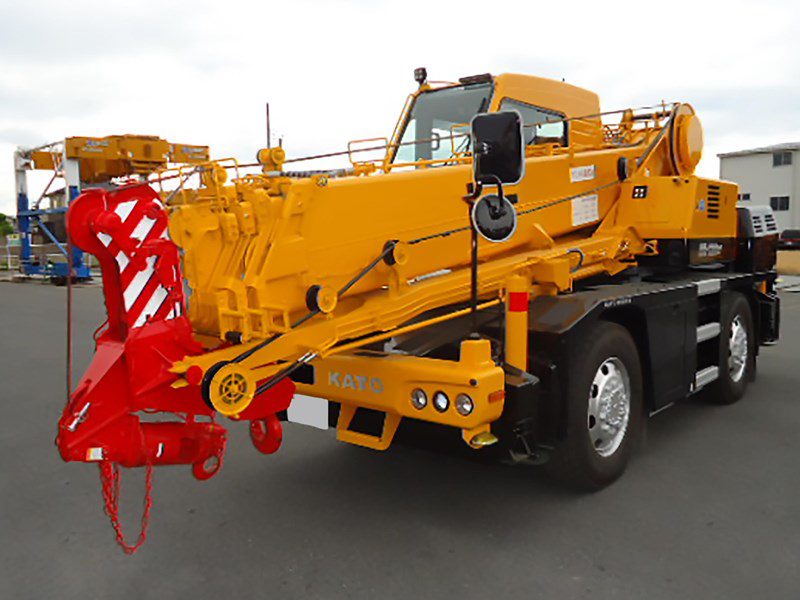
While tower cranes dominate vertical construction, mobile crane hire continues to play a central role in Australia’s infrastructure sector. Mounted on truck chassis or crawler tracks, mobile cranes are designed for rapid deployment and mobility across multiple worksites.
Infrastructure projects—such as highway expansions, bridge construction, rail upgrades, and port developments—often require heavy lifting at different locations over short timeframes. Mobile cranes provide the flexibility needed for these operations.
For example, bridge construction frequently involves lifting precast concrete beams weighing dozens of tonnes. Wind farm projects require cranes capable of raising turbine components to heights exceeding 100 meters. In such cases, specialized heavy-lift mobile cranes are transported to the site, assembled, and used for short but critical operations.
The popularity of mobile crane hire also reflects the seasonal and project-based nature of infrastructure work. Contractors may need large lifting capacity for only a few weeks during the installation phase of a project, making hiring equipment more economical than ownership.
Luffing Cranes in Dense Urban Environments
As Australian cities become more densely developed, space constraints have created demand for cranes that can operate safely in confined areas. This has led to increased use of luffing crane hire, particularly in central business districts where buildings stand close together.
Unlike traditional tower cranes with fixed horizontal jibs, luffing cranes feature booms that can raise and lower vertically. This capability allows the crane to operate within a smaller radius, reducing the risk of interfering with neighboring structures or airspace.
In cities like Sydney and Melbourne, where construction sites are often surrounded by existing buildings, luffing cranes offer an effective solution for navigating tight environments. Their design enables operators to lift materials directly upward without swinging long horizontal arms across adjacent properties.
For high-rise developments built in narrow urban lots, luffing crane hire has become a practical necessity rather than a luxury. These cranes allow developers to maximize construction efficiency while complying with strict urban safety regulations.
Safety Standards and Regulatory Oversight
Operating cranes—particularly on large construction sites—requires strict adherence to safety standards and regulatory oversight. Australia maintains comprehensive frameworks governing crane operations, worker certification, and site safety.
National workplace safety regulations are overseen by the Safe Work Australia, which develops model laws adopted by states and territories. These regulations require detailed lift planning, certified operators, and regular inspection of equipment.
Major infrastructure and building projects must also comply with guidelines established by industry groups such as the Crane Industry Council of Australia. The organization promotes best practices in crane operation, engineering standards, and workforce training.
Strict safety procedures govern everything from load calculations and wind speed monitoring to crane assembly and dismantling. These measures are particularly critical for tower cranes and luffing cranes operating in dense urban environments, where equipment failure could have significant consequences.
Australia’s construction sector has invested heavily in training programs and digital safety tools to reduce risk. Increasingly, crane operations are supported by technologies that monitor loads, track crane movements, and provide real-time alerts when operating limits are approached.
Technology Transforming Crane Operations
Technological innovation is reshaping the way cranes are used across the construction sector. Modern cranes are increasingly equipped with sensors, automation features, and remote monitoring systems designed to improve both efficiency and safety.
Telematics systems allow operators and project managers to track crane performance, fuel usage, and maintenance requirements remotely. Digital load indicators ensure that cranes do not exceed safe lifting capacities, while anti-collision systems help prevent contact between cranes operating on crowded worksites.
In high-rise construction, tower cranes are also benefiting from the rise of prefabricated building components. Large modules—such as bathroom pods or structural panels—are manufactured off-site and lifted into place using tower cranes, accelerating construction timelines.
These technological developments are particularly relevant in regions experiencing skilled labor shortages. Automation tools and data-driven planning allow construction firms to complete complex lifting tasks more efficiently while maintaining safety standards.
Cranes and the Future of Australian Development
As Australia’s population continues to grow, demand for housing, transportation infrastructure, and renewable energy projects is expected to remain strong. Construction activity will likely expand not only in major cities but also in regional areas experiencing economic growth.
In this context, the availability of specialized lifting equipment—including mobile crane hire, tower crane hire, and luffing crane hire—will remain central to the industry’s ability to deliver projects on time and within budget.
Regional development areas such as the Southern Highlands illustrate how crane access can influence construction capacity outside metropolitan centers. The emergence of tower crane hire southern highlands services reflects broader changes in the geography of Australian development, where regional towns increasingly support larger and more complex building projects.
Ultimately, cranes represent more than just construction machinery. They are indicators of economic activity, urban transformation, and infrastructure investment. As these machines continue to rise above construction sites across the country, they quietly support the complex engineering and logistical efforts that shape Australia’s built environment.