Across the skylines of Australia, cranes have become a defining feature of urban growth. From high-rise residential towers in Sydney to sprawling transport infrastructure across regional corridors, lifting equipment now plays a central role in how cities expand and how large-scale projects are delivered. The evolution of crane technology-and the increasing reliance on flexible procurement models such as mobile crane hire, tower crane hire, and luffing crane hire-has reshaped the economics and logistics of construction.
In particular, the rapid transformation of Western Sydney has underscored how specialized lifting solutions are critical to modern development. As the region absorbs population growth and infrastructure investment, construction companies increasingly depend on adaptable crane fleets that can meet the demands of complex urban environments.
The Strategic Role of Cranes in Australia’s Urban Expansion
Australia’s construction sector is experiencing sustained demand driven by housing shortages, transport infrastructure upgrades, and urban renewal initiatives. Projects ranging from metro rail expansions to mixed-use residential towers require precise coordination of heavy materials in constrained workspaces.
Cranes function as the logistical backbone of these developments. They allow structural components-steel beams, prefabricated panels, concrete elements, and mechanical systems-to be lifted and positioned efficiently in environments where ground-based transport is often impractical.
In fast-growing regions such as Western Sydney, this logistical capability is especially important. The area has become one of the country’s most active construction corridors, with new residential districts, logistics hubs, and transport infrastructure emerging simultaneously. In this environment, tower crane hire western Sydney has become a practical necessity for contractors who need high lifting capacity without the cost and complexity of maintaining permanent crane fleets.
The crane hire model allows builders to scale equipment to the size and duration of each project, improving financial flexibility while ensuring access to modern machinery.
Tower Cranes and the Vertical Growth of Cities
Among the most recognizable machines on urban skylines are tower cranes. Designed for high-rise construction, these cranes provide exceptional lifting height and reach, allowing materials to be moved vertically across multi-storey developments.
Tower crane hire is particularly common in dense metropolitan areas where projects exceed ten or more floors. Their fixed base and vertical mast provide stability for lifting heavy loads to significant heights, making them indispensable for apartment towers, commercial buildings, and large hospitals.
In Western Sydney and other expanding metropolitan zones, tower cranes are frequently installed early in a project’s lifecycle and remain on site for months or even years. As structures rise floor by floor, the crane itself may climb upward through the building’s core, maintaining lifting capacity throughout construction.
This approach has allowed Australian developers to deliver increasingly complex buildings while maintaining tight construction schedules.
Mobile Cranes and Infrastructure Delivery
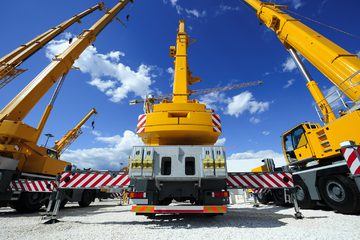
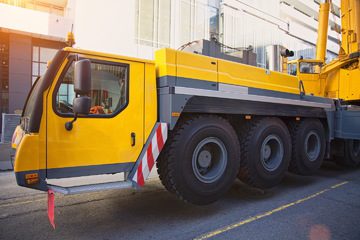
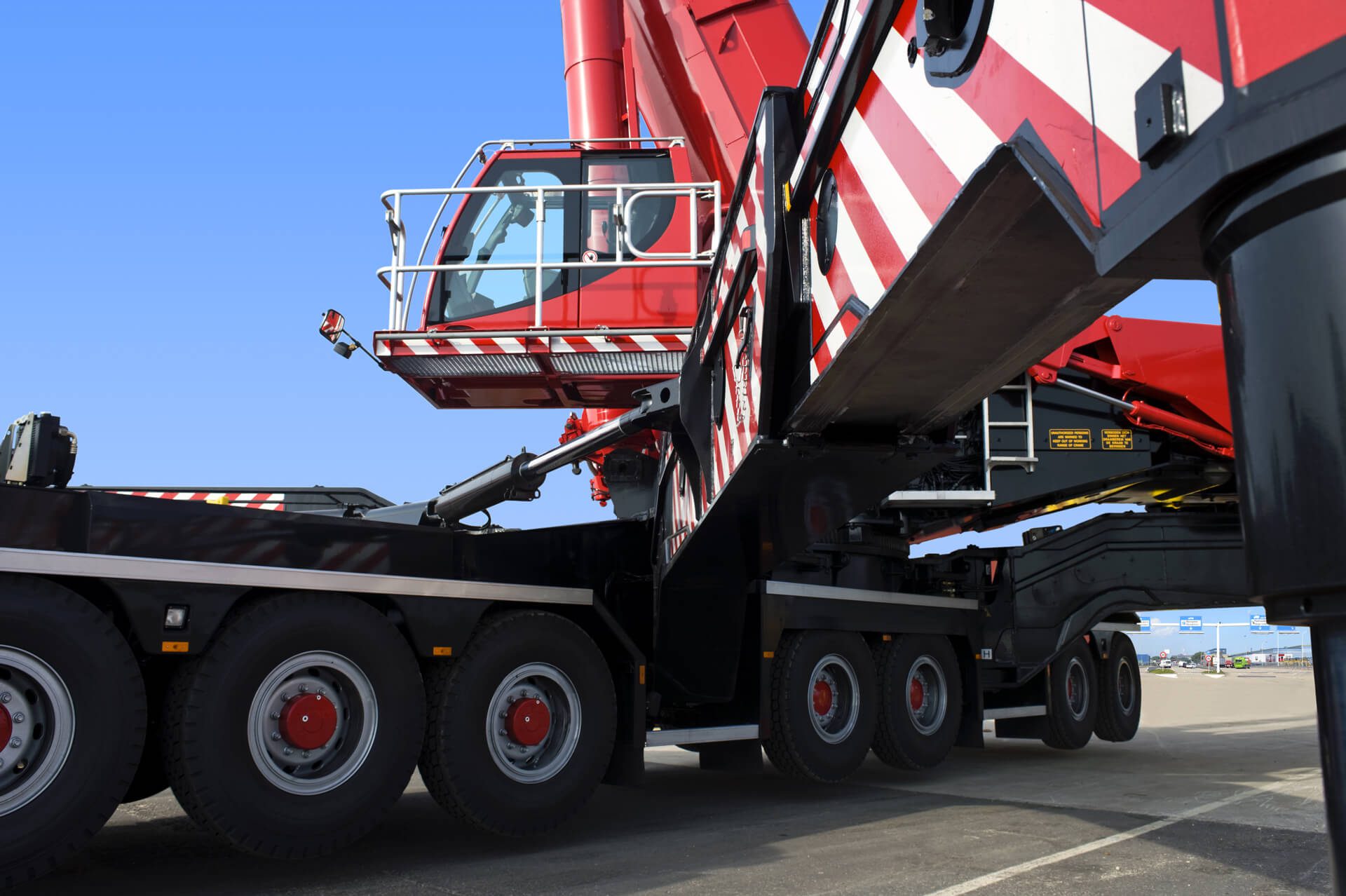
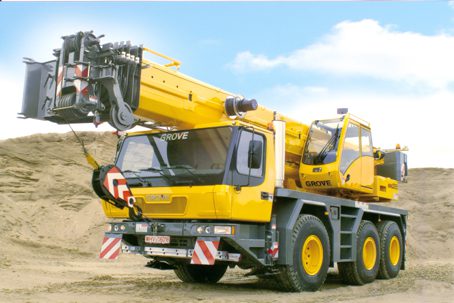
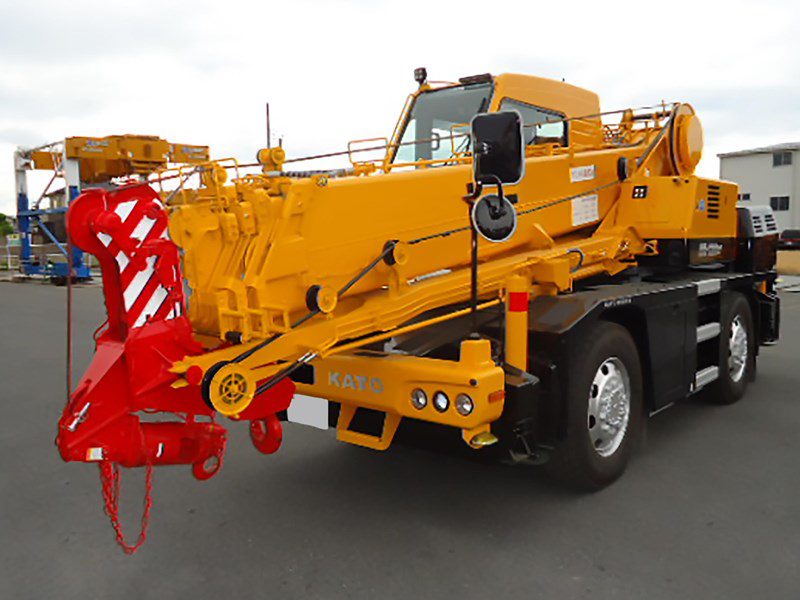
While tower cranes dominate vertical construction, mobile crane hire plays a critical role in infrastructure projects and short-term lifting operations. Mounted on wheeled carriers, mobile cranes can be transported quickly between sites and deployed within hours.
This mobility makes them particularly valuable for projects such as bridge construction, road upgrades, rail infrastructure, and energy installations. Unlike tower cranes, which remain fixed in position, mobile cranes can reposition frequently as project requirements change.
In infrastructure corridors outside central urban areas, mobile cranes are often used to install precast concrete sections, lift heavy machinery, and assemble structural frameworks. Their flexibility also makes them suitable for maintenance work, where temporary lifting capacity is required but permanent crane installation would be impractical.
Across Australia’s expanding highway and rail networks, the ability to deploy mobile lifting equipment rapidly has become a major factor in maintaining project timelines.
Luffing Cranes and the Challenge of Dense Urban Sites
As Australian cities grow denser, construction sites are increasingly constrained by neighbouring buildings, narrow streets, and strict airspace limitations. In these environments, luffing crane hire provides a specialized solution.
Luffing cranes differ from conventional tower cranes in the way their jib moves. Instead of swinging horizontally across a wide arc, the jib raises and lowers at an angle. This motion allows the crane to operate within tighter spaces, reducing the risk of oversailing nearby structures.
In highly congested areas of Sydney’s central business district, for example, multiple cranes may operate simultaneously on adjacent developments. Luffing cranes help manage these complex lifting environments by minimizing the horizontal footprint of crane movement.
Their design also allows higher lifting capacities in confined spaces, making them well suited for tall residential towers and mixed-use developments where precision is essential.
Safety Standards and Regulatory Oversight
Operating heavy lifting equipment in dense urban environments requires rigorous safety standards. In Australia, crane operations are governed by strict regulatory frameworks designed to protect workers, surrounding communities, and infrastructure.
National workplace safety authorities require crane operators to hold specialized licenses and undergo extensive training. Site managers must also develop detailed lift plans outlining load weights, rigging methods, and safe operating zones.
Engineering assessments are often required before cranes are installed, particularly for tower and luffing cranes that rely on structural anchoring or complex foundations. Wind loads, soil stability, and surrounding structures must all be considered during planning.
These requirements have contributed to Australia’s reputation for relatively strong safety performance in the construction sector. However, regulators and industry groups continue to emphasize the importance of training, supervision, and ongoing equipment maintenance.
The crane hire industry plays an important role in this process. Rental providers typically maintain large fleets of modern equipment and perform routine inspections to ensure compliance with national standards.
Technology Transforming Crane Operations
Technological innovation is rapidly transforming how cranes operate on modern construction sites. Advanced sensors, remote monitoring systems, and digital planning tools are improving both efficiency and safety.
Many modern tower cranes now include anti-collision systems that monitor nearby cranes and automatically prevent overlapping lifting zones. This technology is particularly valuable in dense construction environments where multiple cranes operate simultaneously.
Load-monitoring systems also allow operators and engineers to track lifting performance in real time, ensuring that cranes remain within safe operational limits. These systems provide detailed data that can be analyzed to improve planning and reduce risk.
Some construction firms are also integrating crane data with broader digital construction platforms. By linking crane operations to project management software, companies can coordinate deliveries, lifting schedules, and workforce planning more effectively.
Such innovations are gradually reshaping how construction sites function, transforming cranes from purely mechanical tools into digitally integrated components of modern project management.
The Future of Lifting in Australia’s Construction Sector
Australia’s construction pipeline suggests that cranes will remain a central feature of urban development for decades to come. Population growth, infrastructure investment, and housing demand continue to drive large-scale projects across the country.
In regions such as Western Sydney, where new transport hubs, residential communities, and commercial districts are emerging simultaneously, the need for flexible lifting solutions is expected to increase. Models such as mobile crane hire, tower crane hire, and luffing crane hire provide contractors with the adaptability required to manage diverse construction challenges.
At the same time, stricter safety regulations and rapid technological change are likely to shape how cranes are deployed and managed. Automation, data analytics, and improved engineering design may further enhance operational efficiency while reducing risk.
Above all, cranes will continue to symbolize the physical process of building cities. Rising above construction sites and urban skylines, they reflect the complex coordination of engineering, logistics, and planning required to transform architectural plans into functioning infrastructure.
In Australia’s rapidly evolving urban landscape, these machines are not merely tools of construction—they are instruments of national development. As cities grow taller and infrastructure networks expand, the cranes that lift steel and concrete into place will remain a visible marker of the country’s economic and architectural ambitions.