Across Australia’s expanding cities, the most visible symbol of growth is often not a new building but the machinery that makes it possible. Towering above construction sites in Sydney, Melbourne, Brisbane and Perth, cranes have become a defining feature of the urban skyline. As Australia invests heavily in housing, transport infrastructure and commercial development, the strategic use of lifting equipment—particularly through mobile crane hire, tower crane hire and luffing crane hire—has become central to modern construction logistics.
While cranes have long been essential to the building industry, the scale and density of contemporary projects have transformed how contractors deploy them. Each type of crane serves a distinct role, from flexible ground-based lifting to the precision work required in tight urban spaces. Together, they form a coordinated system that supports the country’s most ambitious development projects.
The Rise of Complex Urban Construction
Australia’s major metropolitan areas are undergoing rapid transformation. Population growth and urban consolidation policies have led to denser city centers, where new buildings must often rise on small sites surrounded by existing structures. This environment demands sophisticated lifting strategies.
In earlier decades, large open construction sites allowed developers to rely primarily on conventional tower cranes. Today, however, many projects are wedged between existing high-rise buildings, transport corridors or heritage sites. This spatial constraint has increased reliance on specialized equipment such as luffing cranes, whose adjustable jibs allow operators to maneuver loads with minimal horizontal swing.
The shift has also encouraged developers to rely more frequently on crane hire services rather than owning equipment outright. Construction companies increasingly choose mobile crane hire, tower crane hire and luffing crane hire depending on the specific requirements of each project phase. The flexibility allows firms to scale equipment needs without maintaining costly fleets.
The Strategic Role of Luffing Cranes
Among the most notable developments in recent years has been the growing importance of luffing crane hire in dense urban construction. Unlike conventional tower cranes with fixed horizontal jibs, luffing cranes feature a jib that can be raised or lowered. This design allows the crane to operate with a significantly smaller swing radius.
In dense city environments, that capability can be decisive. A standard tower crane’s jib might extend across neighboring properties or public roads during operation, potentially creating logistical and regulatory challenges. Luffing cranes reduce that risk by enabling operators to control the angle of the jib, keeping loads within tighter site boundaries.
As a result, these cranes are now widely used in high-rise residential and mixed-use developments in major Australian cities. Developers working on narrow sites often rely on luffing crane hire to ensure lifting operations remain compliant with local safety regulations while maintaining efficiency.
Another advantage lies in vertical lifting capacity. Luffing cranes are particularly well suited for projects where buildings rise rapidly to significant heights. Their design allows them to operate effectively at greater elevations without requiring the extensive horizontal clearance typical of traditional tower cranes.
Mobile Cranes and Infrastructure Projects
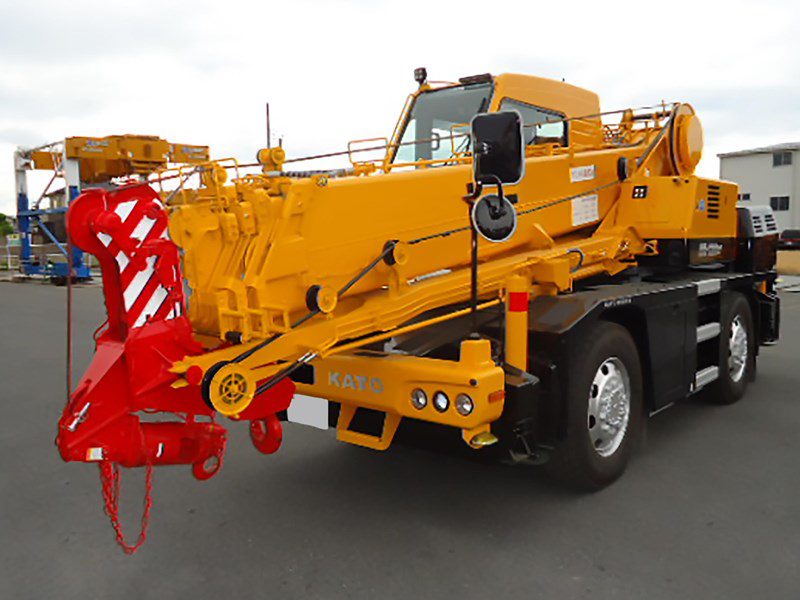
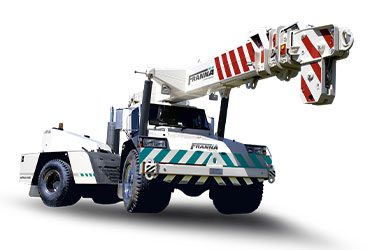
While luffing cranes dominate dense urban construction, mobile crane hire continues to play an indispensable role in infrastructure projects across Australia.
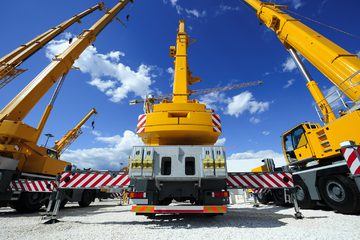
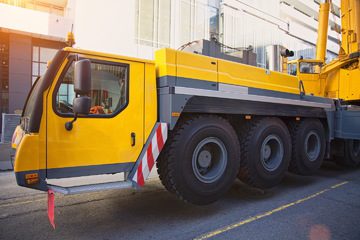
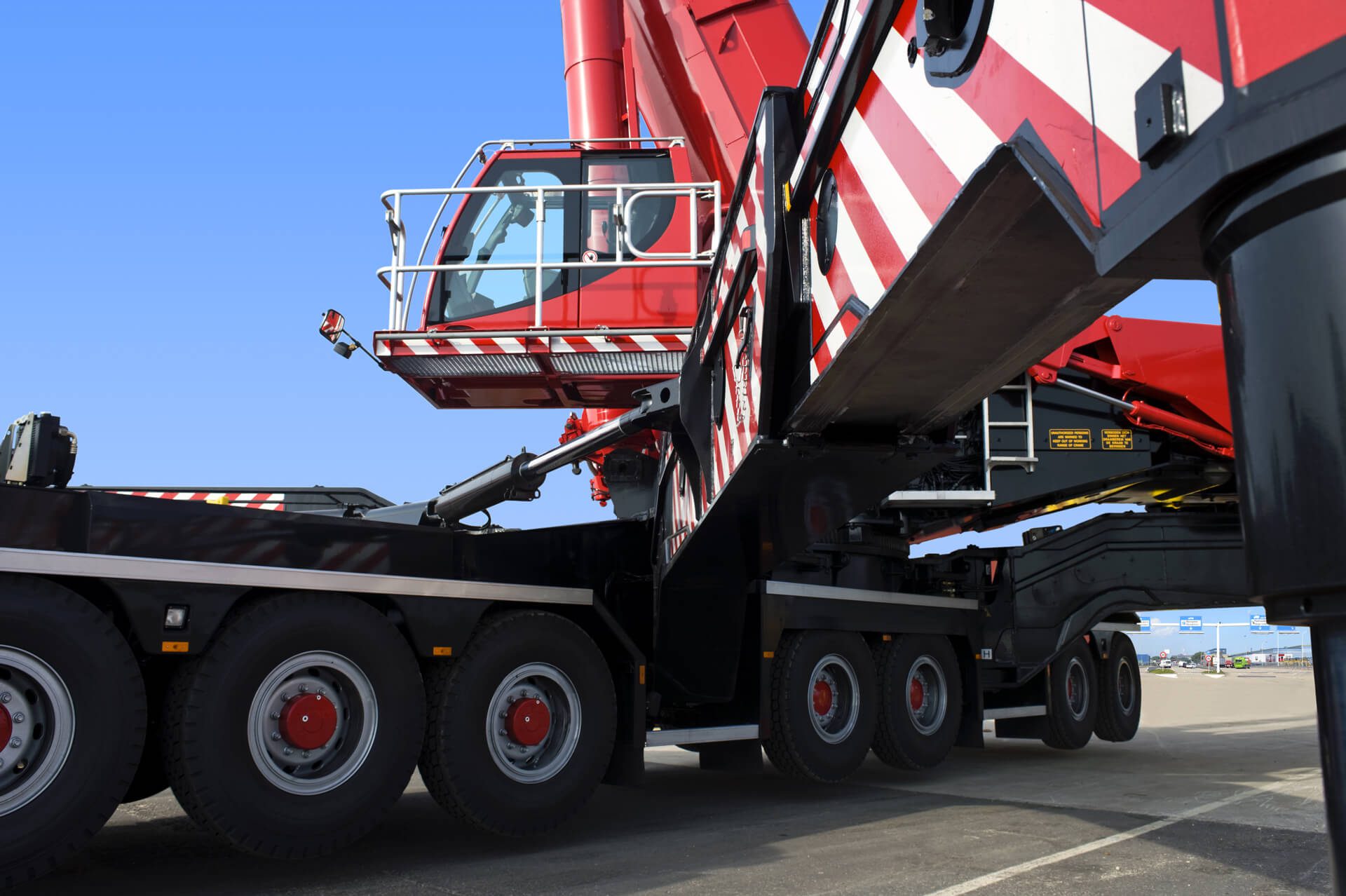
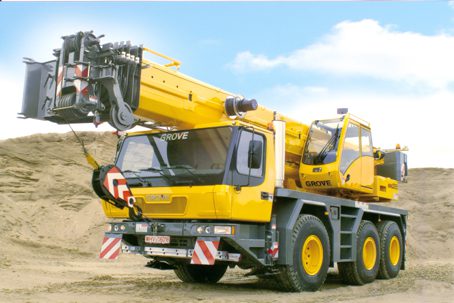
Mounted on wheeled or tracked carriers, mobile cranes can be transported quickly between sites and deployed with minimal setup time. This mobility makes them ideal for projects involving multiple lifting points, such as bridge construction, highway expansion and rail infrastructure upgrades.
In many cases, mobile cranes serve as the first heavy equipment on site during early construction phases. They lift prefabricated components, structural steel, and heavy machinery before permanent cranes are installed. Their flexibility also allows them to support maintenance work on existing infrastructure, including wind turbines, industrial facilities and power transmission lines.
Mobile cranes are particularly valuable in remote or regional areas, where large fixed cranes may be impractical. Australia’s vast geography means that infrastructure development often occurs far from major urban centers. In such environments, mobile crane hire enables contractors to bring high-capacity lifting equipment to locations that might otherwise lack specialized machinery.
Tower Cranes and the Vertical City
Despite the growing role of specialized equipment, tower crane hire remains the backbone of high-rise construction across Australia. These cranes provide the lifting height, stability and load capacity required for large residential towers, office complexes and mixed-use developments.
Tower cranes are typically anchored to a concrete foundation or attached to the structure as it rises. Their fixed position allows them to lift heavy materials—steel beams, concrete panels, mechanical systems—to precise locations at considerable heights.
In large projects, multiple tower cranes often operate simultaneously, each serving a different portion of the building site. Coordinating their movement requires careful planning and sophisticated site management to prevent interference and maintain safe operations.
For developers constructing large apartment towers in Australia’s rapidly growing cities, tower crane hire offers a balance of lifting capacity and cost efficiency. Once installed, these cranes can remain in operation for the entire construction cycle, sometimes for more than a year.
Safety and Regulatory Oversight
Given the size and complexity of cranes, safety remains a central concern in Australia’s construction industry. Strict regulatory frameworks govern crane operation, maintenance and certification.
National workplace safety laws, supported by state-based regulators, require operators to hold specialized licenses and undergo rigorous training. Regular inspections ensure that cranes meet structural and mechanical standards before they are deployed on site.
Modern construction projects also incorporate detailed lift planning procedures. Engineers assess load weights, wind conditions, site constraints and nearby structures before determining which crane type is appropriate. In densely populated urban areas, these considerations often influence the decision to use luffing crane hire rather than conventional tower cranes.
Technological improvements have further strengthened safety practices. Many cranes now feature digital monitoring systems that track load weights, operating angles and wind speeds in real time. These systems alert operators if conditions approach safe operating limits, reducing the likelihood of accidents.
Technology and the Future of Crane Operations
Beyond safety monitoring, technological innovation is reshaping how cranes are integrated into construction projects.
Digital site modeling, often built through building information modeling (BIM) platforms, allows engineers to simulate crane operations before construction begins. By visualizing crane movement in three-dimensional models, project planners can determine the optimal placement and type of crane required.
Automation is also emerging as a significant trend. While fully autonomous cranes remain rare, many modern systems incorporate assisted controls that help operators position loads more accurately. Sensors and cameras provide enhanced visibility, particularly on crowded sites where ground-level sightlines may be limited.
Remote diagnostics have also become increasingly common. Equipment suppliers can monitor crane performance and maintenance requirements from centralized control centers, reducing downtime and improving operational efficiency.
These technological developments are particularly valuable in Australia’s complex urban projects, where precision and safety are critical.
Supporting Australia’s Expanding Skyline
The cranes that dot Australia’s skylines represent more than construction machinery. They are the mechanical backbone of a nation undergoing rapid transformation.
From suburban housing developments to massive transport infrastructure projects, lifting equipment plays a crucial role in turning architectural plans into physical structures. mobile crane hire supports the logistical demands of infrastructure expansion. Tower crane hire enables the construction of tall residential and commercial buildings. Luffing crane hire provides the precision required for dense urban environments where space is limited.
As Australian cities continue to grow upward and outward, the strategic deployment of these cranes will remain essential to the construction industry’s ability to deliver projects safely and efficiently. Their presence on the skyline is not merely symbolic; it reflects the complex engineering, logistics and planning that underpin modern urban development.
In the years ahead, advances in technology, safety regulation and construction methods will likely reshape how cranes operate on building sites. Yet their central role in shaping Australia’s built environment is unlikely to change. For developers, engineers and urban planners, cranes remain both a practical necessity and a visible indicator of progress.