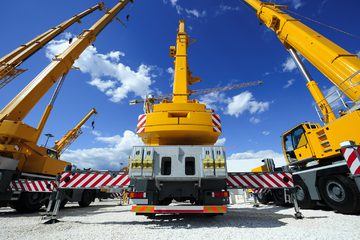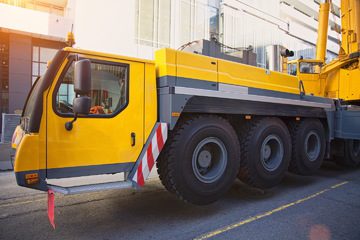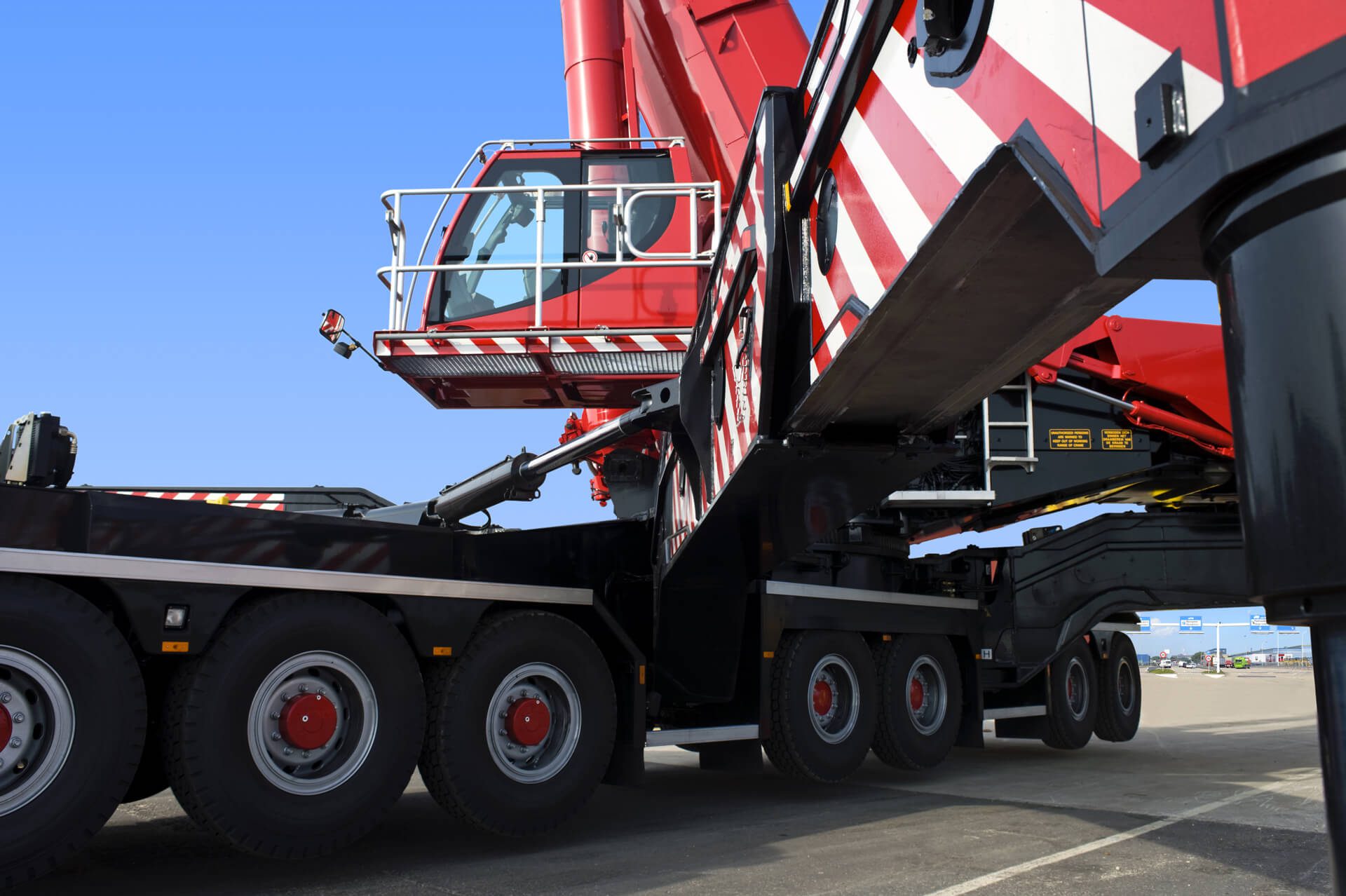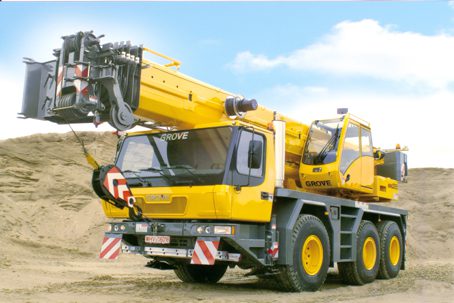
Across Australia’s expanding cities and regional growth corridors, cranes have become one of the most visible symbols of economic momentum. From high-rise apartment towers in central business districts to large-scale transport infrastructure and regional industrial projects, modern construction increasingly depends on specialized lifting equipment. Behind many of these developments is a growing reliance on the crane hire sector, including services such as mobile crane hire, tower crane hire, and luffing crane hire.
In regions such as the Southern Highlands of New South Wales, crane providers play an important logistical role in supporting construction activity that extends well beyond metropolitan cores. The availability of city crane hire southern highlands services has allowed contractors to access sophisticated lifting equipment without the significant capital cost of ownership. As Australia continues to pursue ambitious infrastructure programs and urban redevelopment projects, crane hire services have quietly become an essential component of the nation’s construction ecosystem.
The Hidden Infrastructure of Construction
Although cranes dominate the skyline visually, the systems behind their deployment are less visible. Hiring rather than purchasing cranes has become a practical strategy for many construction firms, particularly as projects become more technically complex and time-bound.
In Australia’s construction market, the hire model allows builders to access the precise lifting equipment required for each project stage. For example, infrastructure developments such as highways, rail lines, and energy facilities frequently rely on mobile crane hire because of the machines’ versatility and mobility. These cranes can be transported quickly between sites and configured for a wide range of lifting tasks, making them particularly useful in early-stage construction and civil engineering projects.
In contrast, high-rise construction in dense urban centres typically requires the installation of tower crane hire systems. Tower cranes are engineered to operate over extended periods, often remaining on-site for months or even years as buildings rise floor by floor. Their height and lifting capacity allow them to transport heavy structural materials, prefabricated components, and construction equipment vertically across complex building sites.
In tight city environments where space is limited and airspace must be carefully managed, luffing crane hire offers a specialized alternative. Luffing cranes feature adjustable jib angles that allow operators to lift loads without extending horizontally into surrounding buildings or infrastructure. This capability has made them increasingly common in dense urban developments where multiple towers are constructed within confined footprints.
Different Cranes for Different Construction Challenges
The diversity of crane types reflects the varied nature of Australian construction projects. Each crane category serves a specific operational purpose, shaped by both engineering requirements and site constraints.
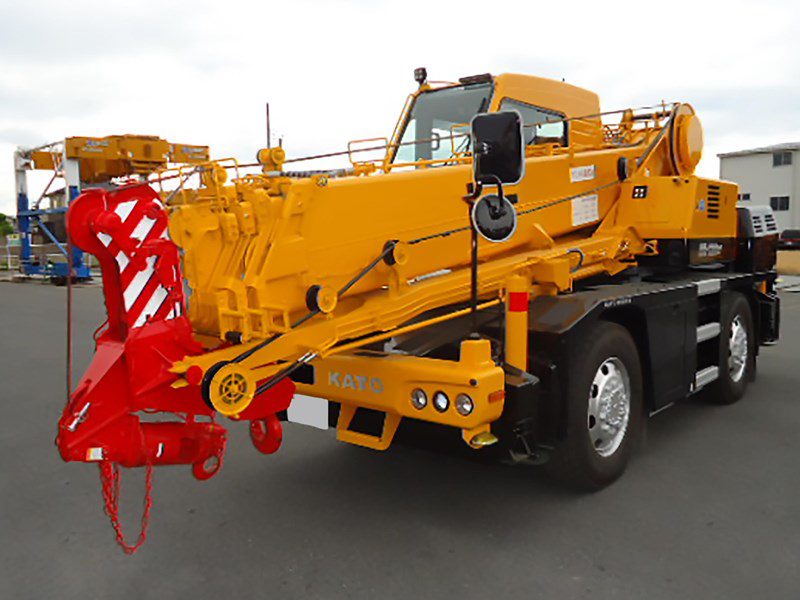
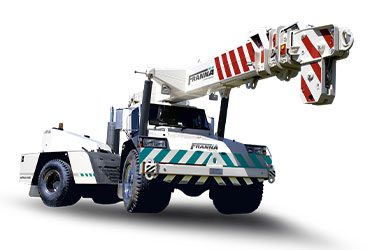
Mobile cranes, frequently used through mobile crane hire, remain essential in large-scale infrastructure works such as bridge construction, wind energy installations, and heavy industrial projects. Their ability to travel on public roads and quickly deploy at remote or temporary worksites allows construction teams to maintain tight schedules across geographically dispersed locations. In regions outside major cities—including parts of the Southern Highlands—this flexibility is particularly valuable.
Tower cranes, accessed through tower crane hire, dominate high-rise residential and commercial development. As Australian cities such as Sydney, Melbourne, and Brisbane continue to pursue vertical growth strategies, these cranes have become fixtures on the skyline. Their tall mast structures provide the reach necessary to move steel beams, concrete panels, and mechanical systems across multi-storey projects.
Luffing cranes serve an even more specialized role. Through luffing crane hire, developers working in highly congested urban environments can reduce the risk of crane overswing into neighbouring properties. Their upward-lifting jib design minimizes horizontal movement, making them particularly suitable for narrow sites surrounded by existing buildings. This feature has proven increasingly important as Australian cities pursue infill development within already established neighbourhoods.
Together, these crane types form a flexible network of lifting capacity that enables construction firms to tailor equipment selection to each project’s structural and spatial demands.
Safety and Regulation in the Australian Context
The presence of large cranes above active construction sites naturally raises questions about safety. Australia maintains a comprehensive regulatory framework governing crane operations, reflecting both the complexity and potential risks associated with heavy lifting equipment.
Workplace safety authorities across the country enforce strict standards covering crane installation, maintenance, and operation. Operators must hold specialized licenses, and cranes must undergo regular inspection and certification. These requirements extend across all forms of crane deployment, including mobile crane hire, tower crane hire, and luffing crane hire.
Modern crane operations also rely heavily on detailed planning and engineering analysis. Lift studies, load calculations, and site risk assessments are now standard practice before cranes begin work. Such measures ensure that lifting operations remain within the equipment’s design limits while protecting workers and surrounding communities.
The rise of urban construction has further intensified safety oversight. In densely populated areas, crane movements must be coordinated carefully to avoid conflicts with adjacent buildings, traffic corridors, and pedestrian zones. For projects requiring city crane hire southern highlands services near established communities, these safety considerations often shape equipment selection and site logistics from the earliest planning stages.
Technological Transformation in Crane Operations
Technological innovation is also reshaping how cranes are used across Australia’s construction sector. Advances in digital monitoring, automation, and engineering design have made modern cranes significantly more efficient and precise than earlier generations.
Telematics systems now allow crane operators and project managers to monitor equipment performance in real time. Sensors embedded within the machinery track load weights, wind speeds, and structural stress levels, helping ensure that lifting operations remain within safe parameters.
In addition, software-driven planning tools allow engineers to simulate crane movements before equipment is even installed on-site. These digital models help determine the most efficient crane placement and lifting sequences, reducing delays and improving overall project coordination.
For large developments requiring tower crane hire, such technologies can help synchronize crane movements with complex construction schedules. Similarly, infrastructure projects utilizing mobile crane hire benefit from logistics platforms that track equipment availability and deployment across multiple sites.
Luffing cranes have also benefited from engineering advances, including improved counterweight systems and more sophisticated control mechanisms. These improvements allow cranes used through luffing crane hire to operate with greater precision, particularly in crowded urban environments where even minor miscalculations can create logistical challenges.
Regional Services Supporting National Growth
While cranes are most visible in major cities, regional areas also rely heavily on specialized lifting equipment. Construction in regions like the Southern Highlands demonstrates how local crane hire providers contribute to broader infrastructure and development efforts.
Projects in these areas often include transport upgrades, industrial facilities, and residential expansions linked to population growth. Access to city crane hire southern highlands services ensures that contractors working outside metropolitan centres can obtain equipment suited to both large infrastructure projects and smaller-scale commercial construction.
This regional availability supports a more balanced national construction sector, allowing development to extend beyond capital cities. As infrastructure investment continues across Australia, regional crane hire networks will likely remain a critical link in the country’s broader construction supply chain.
The Machinery Behind Urban Change
Australia’s skyline tells a story of economic transformation, population growth, and evolving urban design. Yet the machinery that makes these developments possible often remains overlooked.
From infrastructure corridors to residential towers and industrial facilities, cranes provide the lifting power that allows complex construction projects to take shape. Through services such as mobile crane hire, tower crane hire, and luffing crane hire, contractors gain access to the specialized equipment necessary to navigate modern engineering challenges.
In regions such as the Southern Highlands and across Australia’s expanding urban centres, the crane hire sector has become an essential enabler of construction progress. As cities grow denser and infrastructure programs expand, these machines—silent but towering above the landscape—will continue to play a defining role in shaping Australia’s built environment.