Across the skylines of modern Australia, cranes have become an enduring symbol of economic growth and urban transformation. From transport infrastructure and residential towers to renewable energy installations, construction projects increasingly depend on highly specialised lifting equipment. Within this ecosystem, services such as mobile crane hire, tower crane hire, and luffing crane hire play a strategic role in enabling large-scale projects to proceed safely and efficiently.
In cities like Sydney, where land constraints and dense urban environments shape development patterns, the demand for adaptable lifting solutions has grown rapidly. The construction industry’s reliance on crane hire services reflects both the complexity of contemporary projects and the logistical challenges associated with building in crowded metropolitan areas across Australia.
The Expanding Role of Cranes in Australian Infrastructure
Australia’s construction sector is undergoing a period of sustained activity driven by population growth, urban densification, and major infrastructure programs. Projects such as metro rail expansions, highway upgrades, and high-rise residential developments require heavy lifting capabilities that few contractors maintain in-house. As a result, the crane hire market has become an essential partner to builders and infrastructure firms.
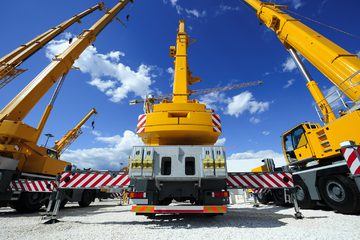
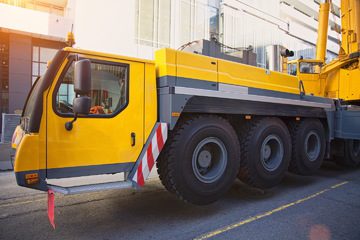
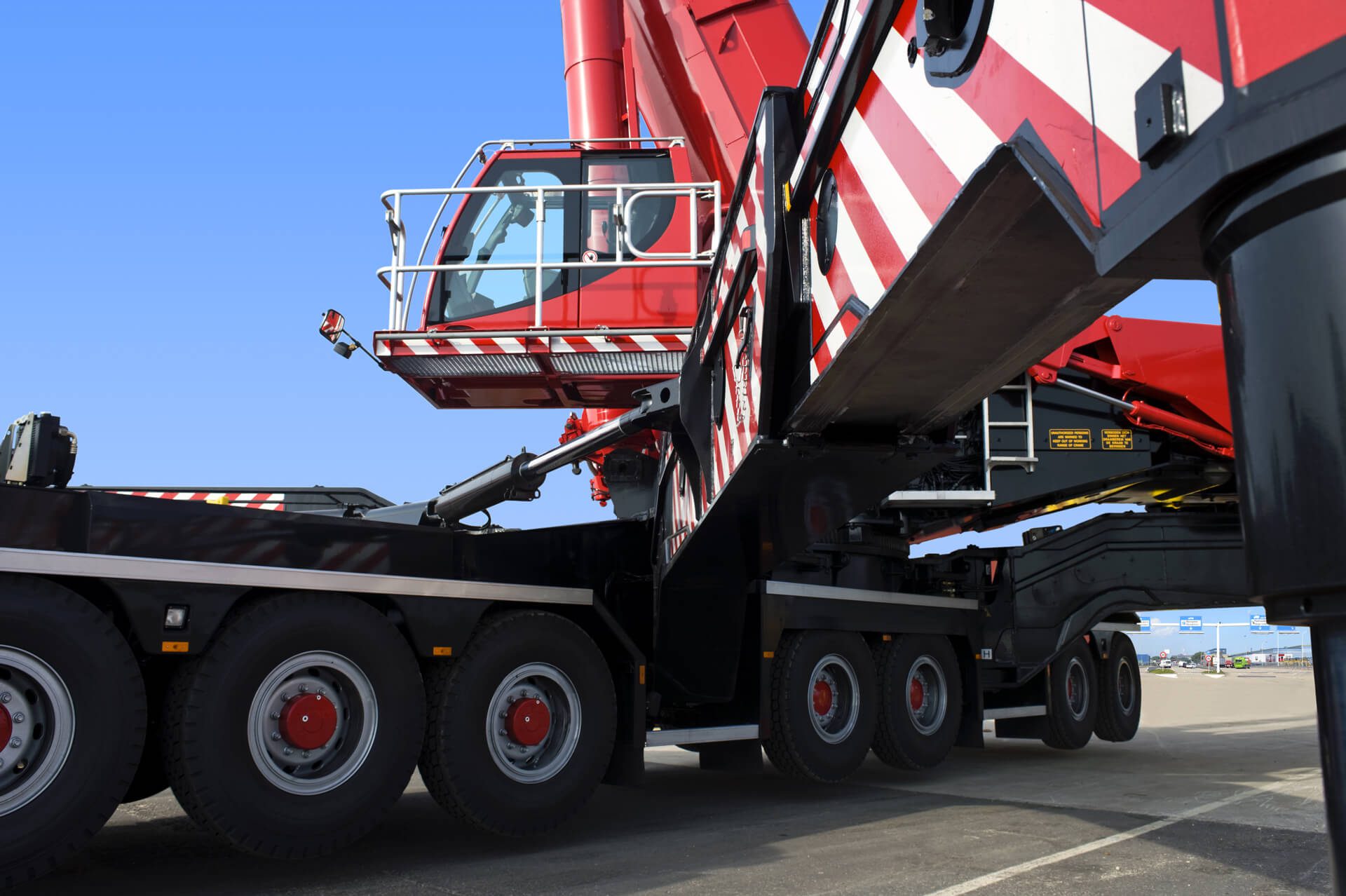
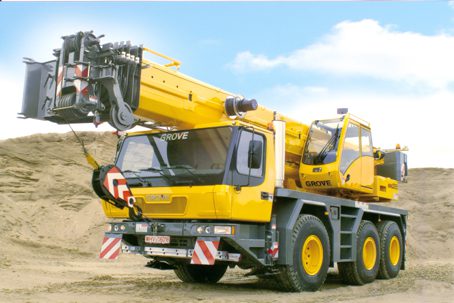
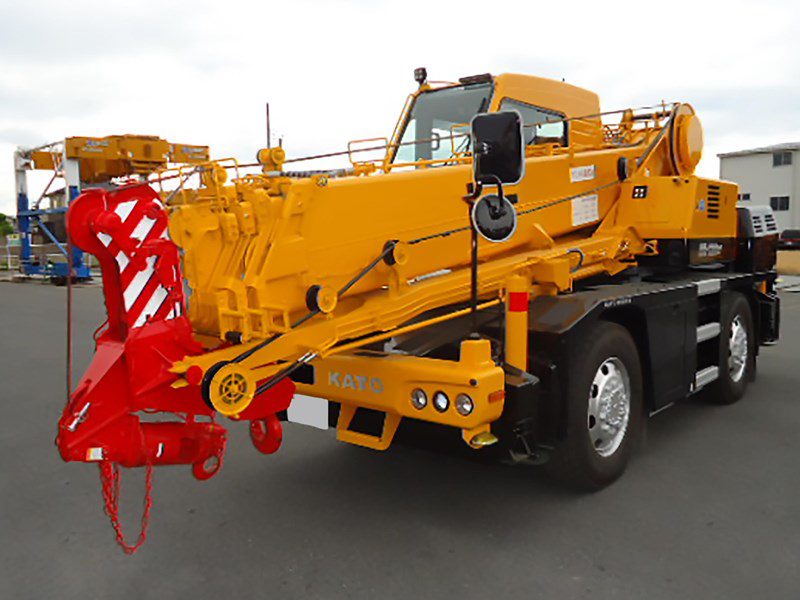
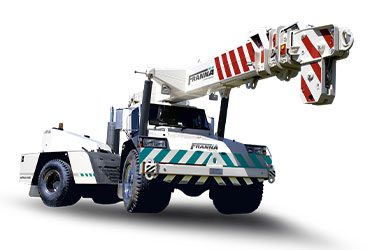
Mobile crane hire has emerged as one of the most versatile solutions within this sector. Mounted on truck or crawler bases, mobile cranes can be transported quickly between project sites and deployed with relatively minimal setup. Their mobility makes them particularly valuable for infrastructure projects where lifting requirements change frequently, such as bridge construction, roadworks, and energy facilities.
In metropolitan regions, the demand for mobile crane hire Sydney services illustrates the operational flexibility these machines provide. Construction sites scattered across a large urban area often require short-term lifting capacity for tasks ranging from structural steel placement to equipment installation. Hiring mobile cranes allows contractors to scale resources up or down without maintaining expensive fleets.
At the same time, tower crane hire remains indispensable for high-rise development. Tower cranes are designed for height and reach, making them the backbone of vertical construction across Australia’s rapidly densifying urban cores. As residential and commercial towers continue to reshape the skylines of major cities, tower cranes have become a permanent feature of the building process.
Matching Crane Types to Project Demands
Different crane configurations serve distinct roles depending on the nature of a construction project. The choice between mobile crane hire, tower crane hire, and luffing crane hire often reflects the spatial constraints, lifting loads, and timeline pressures faced by developers and contractors.
Mobile cranes typically dominate infrastructure and industrial projects where flexibility is paramount. Because they can be transported easily and repositioned quickly, they are often used for bridge segments, precast concrete installation, and mechanical plant assembly. Their telescopic booms allow operators to adjust reach and height without erecting complex support structures, reducing downtime between lifts.
Tower cranes, by contrast, are designed for sustained operations over long construction cycles. Fixed to the ground or anchored within a building structure, they can lift heavy materials hundreds of metres vertically while rotating across a wide radius. In Australia’s expanding apartment and office markets, tower crane hire has become synonymous with high-rise construction.
However, tower cranes face limitations in dense city centres where buildings are constructed close together. In these environments, luffing crane hire provides a more suitable alternative. Luffing-jib cranes have a boom that can raise and lower at an angle, allowing operators to reduce the crane’s horizontal swing radius. This capability is crucial when multiple cranes operate in close proximity or when airspace restrictions limit the movement of traditional tower cranes.
In tightly packed districts of Sydney and Melbourne, luffing cranes are often used on projects where adjacent buildings, narrow streets, and strict safety buffers require precise control of lifting zones. Their ability to operate within constrained airspace has made them a common feature of complex urban construction sites.
Navigating Safety and Regulatory Frameworks
The widespread use of cranes in construction carries inherent risks, making safety standards and regulatory oversight critical to the industry. Australia maintains some of the world’s most rigorous workplace safety frameworks, supported by national guidelines from organisations such as Safe Work Australia.
Operators and crane hire companies must comply with detailed regulations covering equipment maintenance, operator licensing, site planning, and lifting procedures. Risk assessments, load calculations, and engineered lift plans are standard practice on major projects, ensuring that heavy materials can be moved without endangering workers or surrounding communities.
In dense urban environments, safety considerations extend beyond the construction site itself. Local councils and state regulators often impose strict rules regarding crane placement, road closures, and airspace management. These measures aim to minimise disruption to nearby buildings, pedestrians, and traffic flows.
Training also plays a central role in maintaining safety standards. Crane operators in Australia must hold nationally recognised certifications, and many large projects require additional site-specific training to address unique hazards. The emphasis on professional expertise reflects the complexity of modern lifting operations and the high stakes involved in urban construction.
Technological Advances Reshaping Crane Operations
Technological innovation is gradually transforming how cranes are deployed and managed across Australia’s construction sector. Digital monitoring systems, telematics, and automation tools are helping operators improve both efficiency and safety.
Modern cranes increasingly incorporate sensors that monitor wind speeds, load weight, and structural stress in real time. These systems can alert operators when conditions approach safety thresholds, reducing the likelihood of accidents. Some tower cranes also feature remote diagnostics, allowing maintenance teams to detect mechanical issues before they escalate into operational failures.
Digital planning software has also become a standard component of large construction projects. Engineers can simulate crane placements, lifting paths, and potential conflicts with nearby structures using three-dimensional modelling tools. By identifying constraints before equipment arrives on site, project managers can minimise costly delays.
Automation is another emerging trend. While fully autonomous cranes remain largely experimental, semi-automated systems can assist with repetitive lifting tasks or enhance precision during complex manoeuvres. Such technologies may play a growing role as construction companies seek to improve productivity and address labour shortages.
Supporting Australia’s Urban Future
The prominence of cranes across Australian skylines reflects more than a construction boom. It signals a broader transformation in how cities are evolving to accommodate population growth, economic expansion, and infrastructure modernization.
As metropolitan areas continue to densify, the need for specialised lifting solutions will likely intensify. Mobile crane hire will remain essential for infrastructure and short-term lifting requirements, while tower crane hire will continue to dominate high-rise construction. In dense urban centres where space is limited, luffing crane hire offers a technical solution to the challenges posed by tightly packed development.
Together, these technologies form a critical foundation for Australia’s construction ecosystem. Their strategic deployment enables engineers and builders to tackle increasingly ambitious projects while adhering to strict safety and regulatory standards.
For industry professionals and policymakers alike, the cranes that dot Australia’s skylines represent more than machinery. They are instruments of urban transformation, quietly lifting the components of the country’s future into place.