Across the skylines of cities from Sydney to Melbourne, construction cranes have become a familiar silhouette—markers of a nation experiencing sustained investment in housing, infrastructure, and urban renewal. Australia’s construction industry, valued at hundreds of billions of dollars annually, relies on a network of highly specialized equipment providers that supply the machinery necessary to build everything from transport corridors to residential towers.
Among the most critical elements in this ecosystem are crane hire services. From mobile crane hire supporting regional infrastructure to tower crane hire that defines metropolitan skylines, cranes have evolved into strategic assets that shape how modern projects are designed and delivered. Increasingly, specialized services such as luffing crane hire and regional providers like tower crane hire southern highlands are becoming integral to construction across both dense urban environments and rapidly growing regional corridors.
As projects become taller, denser, and more technically complex, the choice of crane—and the expertise behind its deployment—has become as important as the structural engineering itself.
The Strategic Role of Cranes in Modern Construction
Cranes serve as the vertical backbone of large-scale construction. They enable the movement of heavy structural materials such as steel, precast concrete, and mechanical systems across job sites where conventional transport methods are impractical.
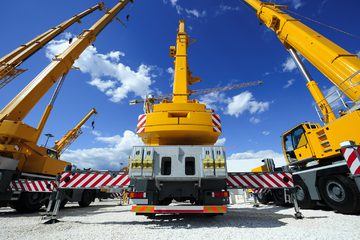
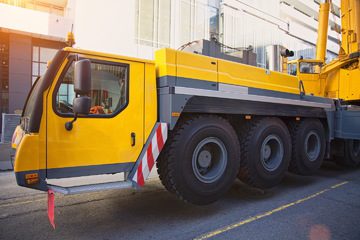
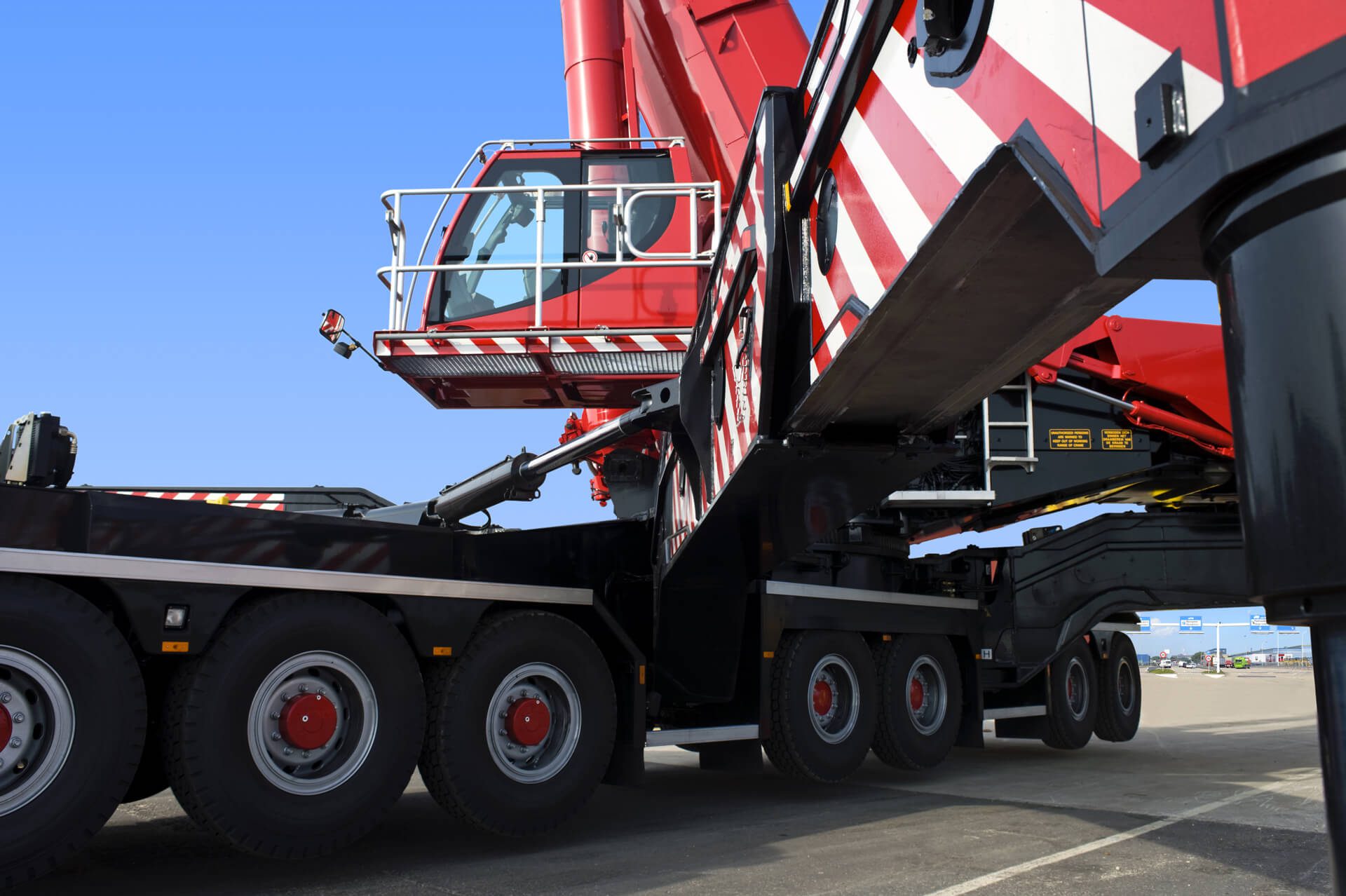
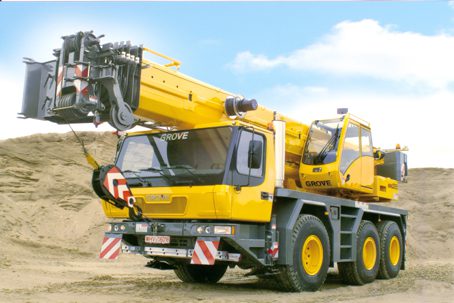
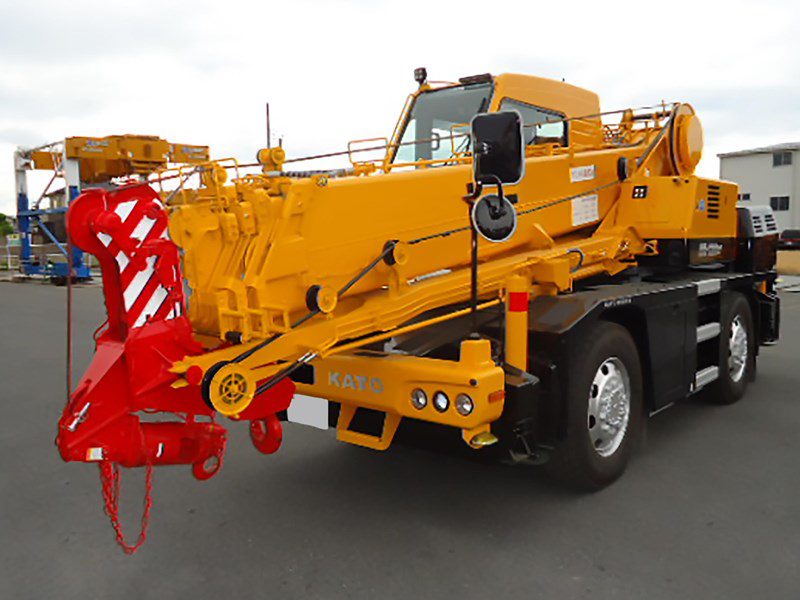
In Australia, the diversity of construction projects—from metropolitan skyscrapers to renewable energy infrastructure—has created demand for multiple types of crane systems. Mobile crane hire, for example, plays a vital role in projects that require flexibility and rapid deployment. These cranes can be transported easily between sites and are often used in infrastructure projects, roadworks, and industrial developments where lifting needs change frequently.
By contrast, tower crane hire is essential for high-rise construction. Tower cranes offer height, stability, and lifting capacity that mobile cranes cannot match in vertical environments. These machines are typically erected at the beginning of a project and remain operational throughout major phases of construction, acting as the central logistical hub for materials moving up a structure.
In regions experiencing significant population growth outside the largest metropolitan areas, specialized services such as tower crane hire southern highlands are increasingly important. As regional centers expand and housing demand rises, the need for high-capacity lifting solutions is no longer limited to capital cities. Construction projects in regional corridors require the same logistical precision and safety oversight as those in dense urban districts.
Matching Crane Types to Project Demands
Each crane type plays a distinct role within the broader construction ecosystem. Selecting the right equipment can influence project timelines, safety outcomes, and overall efficiency.
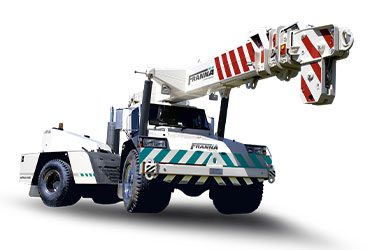
Mobile cranes are often the first on site during infrastructure projects. Their mobility makes them ideal for bridge construction, road upgrades, energy installations, and modular building assembly. Because these cranes can be repositioned quickly, they support projects where lifting requirements shift frequently across large areas.
Tower cranes dominate high-rise construction, where vertical lifting becomes the central logistical challenge. Their fixed foundations and rotating booms allow them to move heavy materials across a wide radius while maintaining precise control. In dense city environments, where space is limited and building heights continue to increase, tower crane hire has become indispensable.
A more specialized solution emerges in the form of luffing crane hire. Luffing cranes, characterized by their adjustable jib angles, are designed specifically for extremely tight construction sites. Their ability to raise and lower the boom allows them to operate without overswinging into neighboring airspace—a critical advantage in congested urban environments where multiple cranes may operate simultaneously.
In major metropolitan redevelopment projects, it is not uncommon to see several cranes working in coordinated sequences. Tower cranes handle vertical lifting, luffing cranes manage restricted airspace, and mobile cranes support ground-level operations or heavy component installation. The integration of these crane types reflects the growing complexity of Australia’s built environment.
Safety Standards in a High-Risk Environment
Operating cranes is inherently high-risk work. The scale of loads involved and the heights at which lifting occurs demand rigorous safety protocols.
Australia maintains some of the strictest construction safety regulations in the world. Oversight from authorities such as Safe Work Australia ensures that crane operations follow detailed compliance frameworks covering operator training, maintenance, and site planning.
Cranes must undergo regular inspections and certification processes to confirm their mechanical integrity. Operators are required to hold specialized licenses and complete ongoing training to maintain competency with evolving technologies.
Equally important is the coordination of lifting operations through detailed lift plans and risk assessments. Construction teams must account for variables such as wind speeds, load weights, ground stability, and proximity to other structures. The use of tower crane hire and luffing crane hire in dense environments often requires additional engineering oversight to prevent interference between cranes operating within the same airspace.
These procedures are not simply bureaucratic safeguards. In an industry where a single miscalculation can lead to catastrophic consequences, safety standards form the foundation of responsible crane operation.
Technology Transforming Crane Operations
The crane industry has undergone significant technological transformation over the past decade. Digital monitoring systems, remote diagnostics, and automation are reshaping how cranes are operated and maintained.
Modern cranes increasingly incorporate sensors that measure load weight, wind conditions, and structural stress in real time. These systems provide operators with continuous feedback, reducing the risk of overloads or unsafe lifting conditions.
Telematics platforms also allow equipment providers to track crane performance and maintenance requirements remotely. Predictive maintenance—where software detects potential mechanical issues before failure occurs—is becoming more common across fleets supporting mobile crane hire and tower crane hire operations.
Some of the most advanced developments involve semi-automated crane control systems. These technologies assist operators by stabilizing loads and optimizing lifting paths, improving both precision and safety.
As Australia’s construction industry pushes toward higher productivity and stricter safety standards, technology is becoming a central driver of operational efficiency.
Regulatory Complexity in a Growing Industry
Crane operations are shaped not only by engineering requirements but also by a complex regulatory environment.
In addition to national safety standards, each Australian state maintains its own regulatory frameworks governing crane operation, transport, and site management. Construction companies must navigate these overlapping jurisdictions when planning projects that span multiple regions.
Permitting processes can also influence crane selection. For example, transporting large mobile cranes between sites may require special road permits and coordination with local authorities. Similarly, erecting tower cranes in city centers often requires detailed approvals relating to airspace, traffic management, and public safety.
These regulatory factors are one reason why specialized crane hire providers play such a crucial role in the construction supply chain. Their expertise extends beyond machinery, encompassing logistics planning, compliance documentation, and site engineering.
In fast-growing regional areas, the emergence of services like tower crane hire southern highlands reflects how crane infrastructure is expanding alongside urban development.
Cranes and the Future of Australian Cities
Australia’s population growth continues to place pressure on housing supply, transportation networks, and energy infrastructure. Meeting these demands will require large-scale construction across both metropolitan and regional areas.
Cranes will remain central to this transformation. Whether through mobile crane hire supporting renewable energy projects, tower crane hire shaping high-rise skylines, or luffing crane hire enabling construction in increasingly dense city blocks, lifting technology underpins the physical expansion of the country.
At the same time, the industry faces new challenges. Sustainability expectations are rising, and construction firms are exploring ways to reduce emissions associated with heavy equipment. Electric and hybrid crane technologies are beginning to emerge, offering potential pathways toward lower-carbon construction sites.
Automation may also reshape crane operations in the coming decades. While human operators will remain essential, advanced digital systems could allow cranes to perform certain tasks with greater precision and efficiency.
What remains constant is the crane’s symbolic and practical presence in Australia’s development story. From the foundations of bridges to the upper floors of residential towers, these machines quietly orchestrate the complex choreography of modern construction.
Their role may be largely unseen by the public below, but the cranes above Australia’s skylines tell a clear story: building a nation requires not only vision and investment, but also the engineering tools capable of lifting those ambitions into reality.