Across Australia’s rapidly transforming urban landscapes, cranes have become an unmistakable feature of the skyline. From the expanding transport corridors of New South Wales to high-rise residential towers in Melbourne and Brisbane, these towering machines symbolize an industry responding to population growth, housing demand, and infrastructure investment. Behind many of these projects lies a logistical framework that relies heavily on equipment rental—particularly mobile crane hire, tower crane hire, and luffing crane hire.
Rather than owning large fleets of specialised machinery, construction companies increasingly depend on hiring services to access the right crane for each stage of a project. This approach reflects a broader shift in the construction sector toward flexibility, cost efficiency, and compliance with increasingly rigorous safety standards. As Australia embarks on multi-billion-dollar infrastructure initiatives and dense urban development, the strategic use of cranes has become a defining element of modern construction planning.
The Strategic Importance of Mobile Cranes in Modern Construction
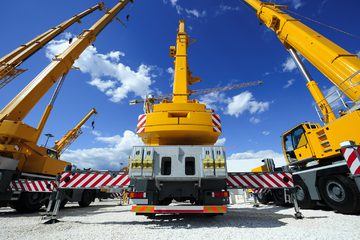
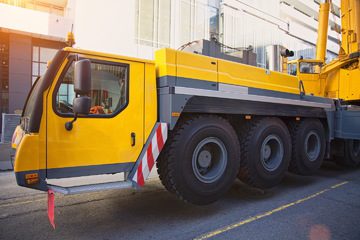
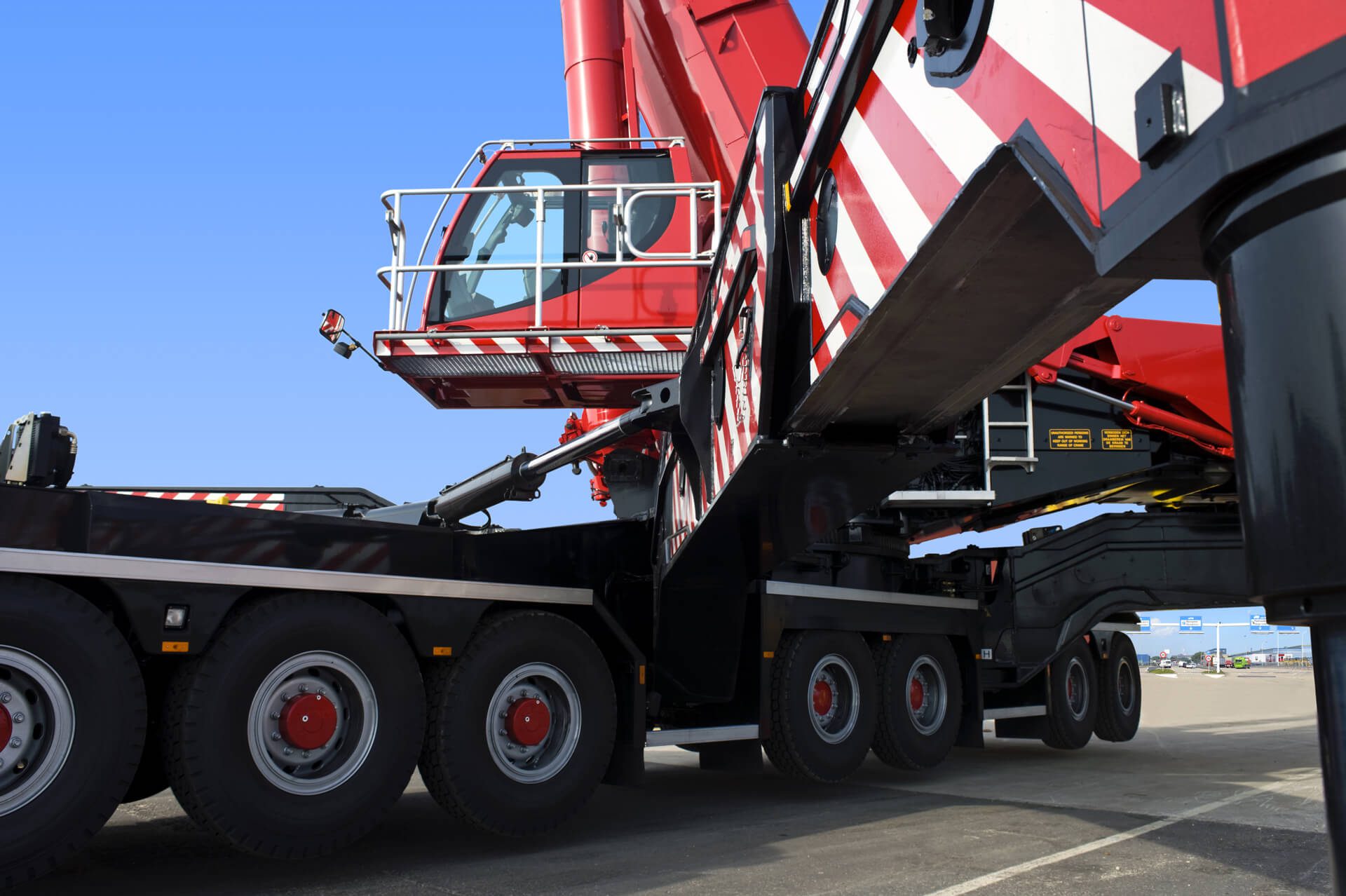
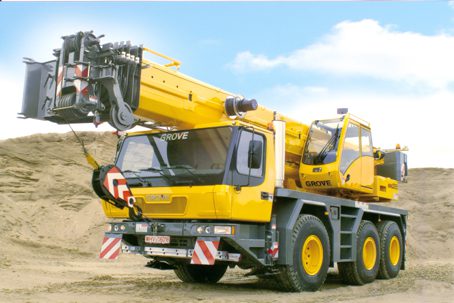
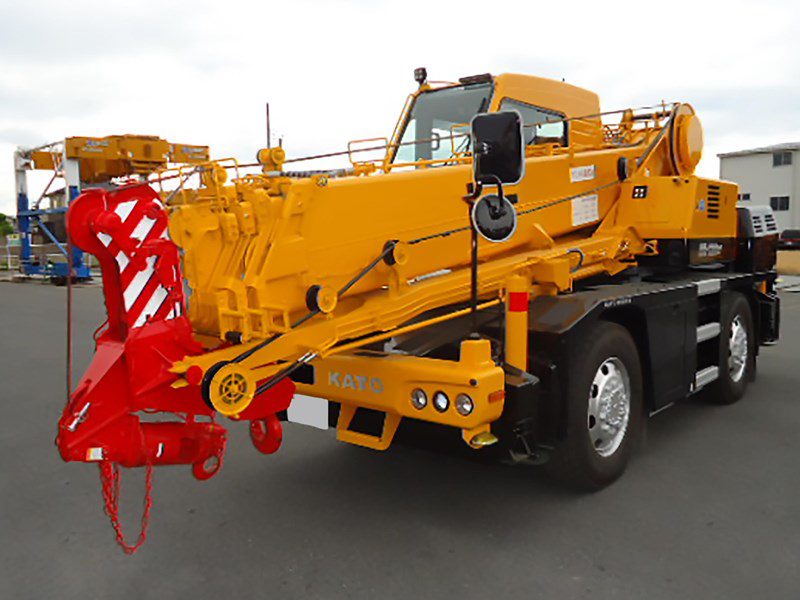
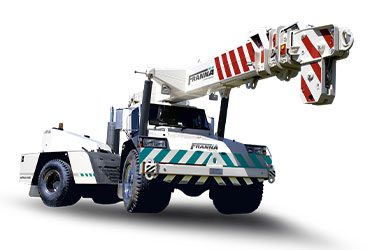
Among the most widely used lifting solutions in Australia is mobile crane hire. Mobile cranes offer mobility, versatility, and rapid deployment—qualities that make them indispensable across a broad range of projects. Unlike fixed cranes, mobile units can be transported between sites and set up quickly, often within hours. This flexibility is particularly valuable in infrastructure work where timelines are tight and work sites may shift frequently.
In road construction, bridge assembly, and utility installation, mobile cranes allow contractors to lift heavy components without committing to permanent structures. Large infrastructure projects—such as motorway upgrades, rail expansions, and energy installations—often rely on mobile cranes for tasks ranging from lifting precast concrete segments to installing steel frameworks.
Australia’s geographic scale also reinforces the importance of mobility. Construction activity is often dispersed across metropolitan and regional areas, and contractors frequently need lifting equipment that can be moved efficiently across long distances. Mobile crane hire enables companies to access high-capacity lifting equipment without maintaining costly fleets that may remain idle between projects.
As infrastructure investment continues across the country, particularly in transport and renewable energy, mobile cranes have become a central tool in maintaining project efficiency and meeting construction schedules.
Tower Cranes and the Rise of Australia’s Vertical Cities
While mobile cranes dominate infrastructure work, tower crane hire has become synonymous with urban expansion. Tower cranes are designed for large-scale building projects, especially high-rise residential and commercial developments. Their height and lifting capacity allow them to move materials vertically and horizontally across expansive building sites.
In cities such as Sydney and Melbourne, where land scarcity and population growth have pushed development upward, tower cranes play a central role in construction logistics. These cranes are typically installed early in a project’s timeline and remain in place for months or even years while the structure rises floor by floor.
One of the defining advantages of tower cranes is their ability to operate continuously within a fixed area while lifting heavy loads to significant heights. Materials such as steel beams, prefabricated wall panels, glass façades, and mechanical systems are routinely lifted hundreds of metres above ground level.
Tower crane hire also reflects the specialised nature of these machines. Installing and dismantling a tower crane requires technical expertise, engineering planning, and compliance with strict safety regulations. By relying on rental providers that specialise in crane systems, construction companies can access both equipment and technical support while avoiding the complexity of ownership and maintenance.
Luffing Cranes and the Challenges of Dense Urban Development
As Australian cities become more densely built, construction sites are increasingly constrained by limited space and nearby buildings. In these environments, luffing crane hire has become an essential solution.
Luffing cranes differ from traditional tower cranes in the way their jib—or horizontal arm—moves. Instead of rotating with a fixed radius, the jib can raise and lower, allowing the crane to adjust its working radius dynamically. This capability is particularly useful when construction sites are surrounded by other buildings, streets, or restricted airspace.
In tightly packed urban environments, a conventional tower crane may require a wide swing radius that risks overlapping neighbouring properties. Luffing cranes minimize this issue by allowing operators to control the arc of movement more precisely. As a result, they are widely used in inner-city high-rise projects where multiple cranes must operate simultaneously without interfering with each other.
Australian developers increasingly turn to luffing crane hire when constructing skyscrapers in crowded districts such as central Sydney or Melbourne’s CBD. The technology allows construction to proceed safely even in areas where space limitations would otherwise restrict building activity.
Safety Standards and Regulatory Oversight
Operating cranes at the scale required for modern construction involves significant safety considerations. Australia maintains some of the world’s most comprehensive workplace safety regulations, particularly within the construction sector.
Crane operations fall under the oversight of national and state-based workplace safety authorities, including Safe Work Australia and state regulators. These organizations establish strict guidelines governing crane operation, operator certification, equipment inspection, and site management.
Mobile crane hire providers and tower crane specialists must ensure their equipment complies with Australian standards, including load testing, structural inspections, and maintenance schedules. Operators are required to hold high-risk work licenses, and many construction companies implement additional training and safety protocols beyond regulatory requirements.
Urban projects also demand detailed lift planning. Engineers must calculate load weights, wind conditions, ground stability, and crane positioning before lifting operations begin. Such planning has become particularly important as cranes grow taller and lifting tasks become more complex.
In large infrastructure projects, safety coordination often involves multiple contractors and equipment operators working simultaneously. Clear communication systems and digital monitoring tools are increasingly used to reduce risk and improve coordination across construction sites.
Technology Transforming Crane Operations
Technological innovation is reshaping how cranes operate in Australia’s construction industry. Digital monitoring systems, telematics, and remote diagnostics are now commonly integrated into modern crane fleets.
For companies offering mobile crane hire, telematics allows real-time tracking of equipment performance, fuel consumption, and operational data. These insights help ensure machines are functioning efficiently and allow maintenance teams to detect potential issues before they become safety risks.
Advanced control systems are also improving precision in crane operations. Sensors can monitor wind speeds, load angles, and structural stress, providing operators with detailed feedback during lifts. Some cranes now incorporate semi-automated positioning systems that enhance accuracy when placing heavy components in confined spaces.
In the context of tower crane hire and luffing crane hire, digital planning tools have become particularly important. Construction managers use three-dimensional modeling software to simulate crane placement and lifting sequences before work begins. These simulations help avoid clashes between cranes and nearby structures, improving safety and reducing costly delays.
Emerging technologies such as Building Information Modeling (BIM) are further integrating cranes into the broader digital ecosystem of construction projects. By linking crane operations with project data, contractors can coordinate material deliveries and lifting schedules with greater efficiency.
The Future of Crane Hire in Australia’s Infrastructure Landscape
Australia’s construction sector is expected to remain active for decades, driven by population growth, urban densification, and infrastructure investment. Major government projects—including transport networks, energy infrastructure, and urban redevelopment—will continue to require complex lifting operations.
In this environment, the crane hire model offers flexibility that aligns with the cyclical nature of construction work. Contractors can access specialised equipment as needed without the financial burden of ownership. This is particularly important as cranes become more technologically sophisticated and costly to maintain.
Mobile crane hire will likely remain central to infrastructure and industrial projects, where mobility and rapid deployment are essential. Meanwhile, tower crane hire and luffing crane hire will continue to shape the skylines of Australia’s largest cities, enabling the construction of taller and more complex buildings.
As technology advances and safety standards evolve, cranes will remain an integral yet often overlooked component of Australia’s development story. Above the noise and movement of construction sites, these machines quietly perform the heavy lifting required to transform architectural plans into physical reality. In doing so, they help define the infrastructure, housing, and urban environments that will shape Australia’s future.