Across Australia’s major cities, cranes have become a familiar presence against the skyline. From transport corridors and commercial towers to residential developments rising in dense metropolitan districts, lifting equipment plays a crucial yet often overlooked role in how infrastructure and buildings take shape. Behind these projects lies a network of engineering expertise, logistics planning, and specialised equipment deployment that enables construction to proceed safely and efficiently.
Within this system, services such as mobile crane hire, tower crane hire, and luffing crane hire have become central to modern construction practice. Each crane type performs a different role depending on the demands of a project, the density of the surrounding environment, and the scale of materials being lifted. Nowhere is this more evident than in fast-growing metropolitan regions like Northern Sydney, where limited space and vertical development require highly specialised lifting solutions.
Understanding how these cranes function within Australia’s construction ecosystem reveals much about the country’s evolving approach to urban growth, infrastructure delivery, and workplace safety.
The Changing Landscape of Australian Construction
Over the past two decades, Australia’s urban centres have experienced significant transformation. Population growth, housing demand, and large-scale infrastructure programs have driven an increase in high-rise residential buildings, transport upgrades, and mixed-use developments. Cities such as Sydney, Melbourne, and Brisbane have responded with increasingly complex construction projects that require precise logistics and engineering coordination.
Cranes serve as the backbone of these operations. They enable the vertical movement of heavy structural components, steel frameworks, concrete panels, and mechanical systems that would otherwise be impossible to position at height. The choice of crane type often determines how efficiently a site can operate.
In sprawling infrastructure developments, mobile crane hire offers flexibility and rapid deployment. For tall commercial buildings, tower crane hire provides the height and lifting capacity necessary for vertical construction. In densely built districts with limited overhead space, luffing crane hire offers a more adaptable solution capable of operating within tight urban constraints.
The interplay between these technologies reflects the broader complexity of contemporary construction projects.
Mobile Cranes: Flexibility for Infrastructure and Large-Scale Works
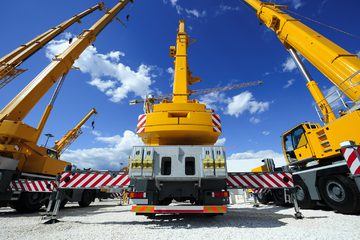
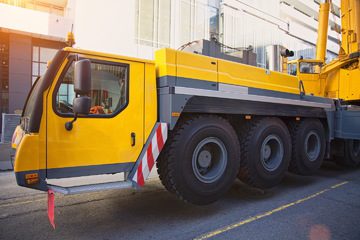
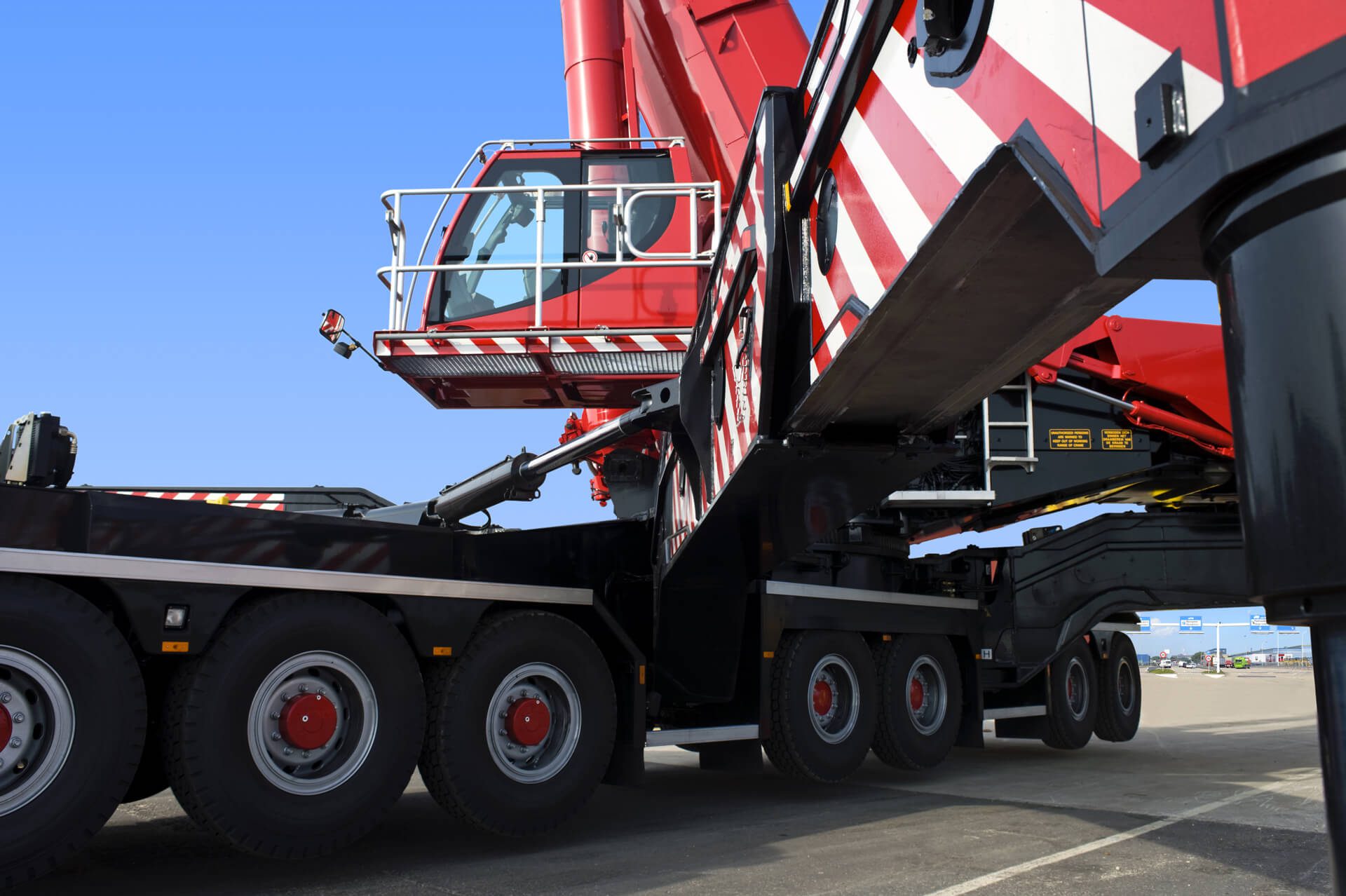
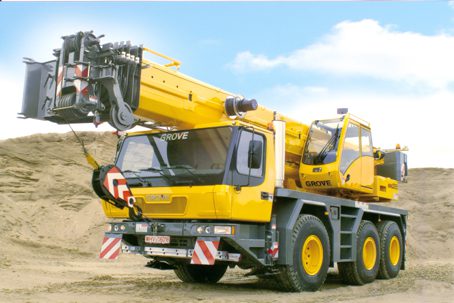
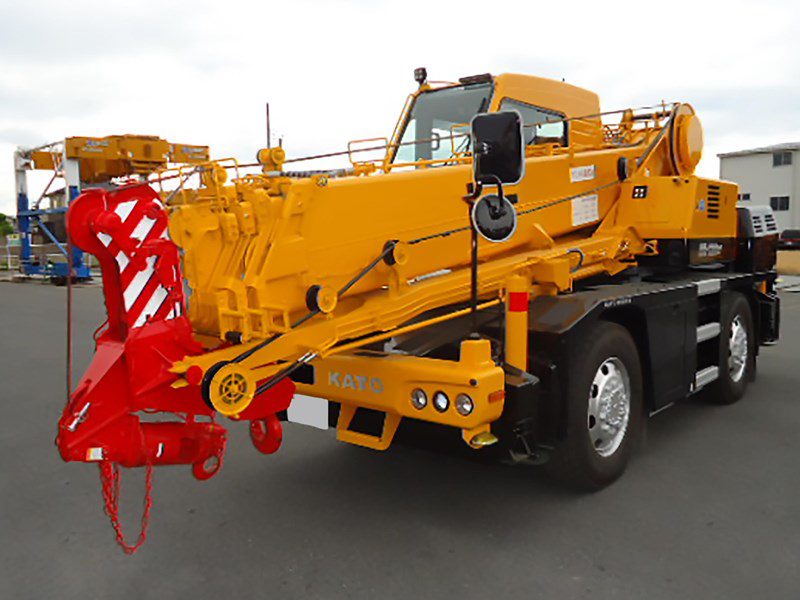
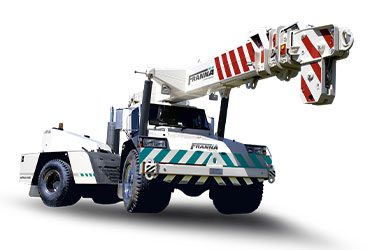
Mobile cranes have long been a staple of construction sites across Australia. Mounted on trucks or specialised carriers, they can travel directly to a project site and be operational within a relatively short timeframe. This mobility makes them particularly valuable for infrastructure projects that require heavy lifting across multiple locations.
Transport upgrades, bridge installations, and energy infrastructure frequently rely on mobile cranes to lift large structural components. Because these cranes can reposition easily, they are well suited for projects that progress along a linear corridor, such as rail extensions or highway construction.
The adaptability of mobile crane hire also makes it an essential resource during the early stages of building projects. Before permanent lifting equipment is installed, mobile cranes can move prefabricated materials, site equipment, and temporary structures. Their capacity ranges widely, enabling them to handle both modest lifting tasks and extremely heavy components used in civil engineering works.
However, mobility comes with limitations. Mobile cranes typically require significant ground space for outriggers and safe operation. In dense urban environments where land is constrained and neighbouring buildings restrict movement, other crane technologies often become more practical.
Tower Cranes and the Rise of Vertical Construction
As Australia’s urban centres continue to build upward rather than outward, tower cranes have become synonymous with city skylines. These cranes are fixed to the ground or attached to the structure being built, allowing them to reach heights of several hundred metres while maintaining precise control over heavy loads.
The growing reliance on tower crane hire reflects the increasing prevalence of high-rise residential and commercial construction. Tower cranes offer a combination of reach, lifting capacity, and efficiency that supports large projects operating over extended construction timelines.
Once installed, a tower crane becomes the central logistical hub of a building site. Materials are delivered to staging areas at ground level and then lifted to precise points across the structure. Concrete buckets, steel beams, glass panels, and mechanical equipment all pass through the crane’s lifting system as the building gradually takes shape.
Tower cranes are particularly effective on projects where consistent lifting operations occur over many months or years. Yet even these powerful machines face challenges in tightly packed urban districts where surrounding buildings limit the crane’s ability to swing freely.
Luffing Cranes and the Complexity of Dense Urban Sites
The increasing density of Australian cities has created new technical challenges for construction planners. In central business districts and established residential areas, projects often occupy compact sites surrounded by existing buildings. Traditional tower cranes, which rely on wide horizontal jib movement, can struggle to operate safely in these environments.
This is where luffing crane hire has become an important component of modern construction logistics. Luffing cranes use a movable jib that can be raised or lowered to control the radius of the crane’s swing. By adjusting the jib angle rather than rotating a long horizontal arm, these cranes can operate within confined airspace without interfering with neighbouring structures.
In Northern Sydney, where development pressure intersects with established urban neighbourhoods, the strategic use of luffing crane hire northern sydney has become increasingly common. High-rise residential towers and mixed-use developments often require cranes that can lift heavy loads vertically while minimising horizontal reach.
This ability allows construction teams to operate safely within tight boundaries, reducing the risk of oversailing nearby properties or infrastructure. As cities continue to densify, the role of luffing cranes is likely to expand, particularly in metropolitan areas where land availability is limited and regulatory oversight is strict.
Safety Standards and Regulatory Oversight
Australia’s construction industry operates under some of the most comprehensive workplace safety regulations in the world. Crane operations are governed by national and state-level standards that address equipment certification, operator licensing, and site management protocols.
Authorities such as Safe Work Australia and state regulators require detailed planning before cranes can be installed or operated. Lift plans, engineering assessments, and risk analyses must be completed to ensure that equipment is suitable for the site conditions and the loads involved.
The integration of mobile crane hire, tower crane hire, and luffing crane hire into large projects therefore involves close coordination between contractors, engineers, and safety regulators. Operators must hold appropriate high-risk work licences, and cranes undergo regular inspections to verify structural integrity and mechanical reliability.
These regulations are particularly important in dense urban areas, where lifting operations occur near public spaces, transportation corridors, and adjacent buildings. Strict oversight helps ensure that construction activity proceeds without compromising worker or community safety.
Technology Transforming Crane Operations
Technological innovation is also reshaping the crane sector. Modern cranes increasingly incorporate digital monitoring systems, load sensors, and automated safety mechanisms designed to reduce human error.
Telematics systems allow operators and site managers to monitor crane performance in real time, tracking load weights, operating conditions, and maintenance requirements. Anti-collision systems can detect the presence of nearby cranes or structures and automatically restrict movement to prevent accidents.
These technologies are especially valuable on large urban construction sites where multiple cranes operate simultaneously. By integrating advanced monitoring systems, contractors can coordinate complex lifting operations with greater precision.
In Australia, the adoption of these technologies aligns with broader trends toward digitisation within the construction industry. Data-driven planning and equipment monitoring are helping to improve both productivity and safety across major infrastructure and building projects.
The Future of Lifting in Australian Cities
As Australia continues to urbanise, cranes will remain central to how cities evolve. Infrastructure expansion, housing demand, and urban redevelopment are likely to sustain high levels of construction activity for years to come.
Within this environment, specialised lifting solutions will become increasingly important. The flexibility of mobile crane hire, the height and capacity of tower crane hire, and the adaptability of luffing crane hire each address different challenges faced by modern construction projects.
In regions such as Northern Sydney, where dense development intersects with established neighbourhoods, the technical advantages of luffing cranes illustrate how engineering solutions adapt to changing urban conditions. Their growing use reflects a broader shift toward construction strategies designed for compact, vertical cities.
Ultimately, cranes may appear as temporary fixtures on the skyline, but their influence on the built environment is lasting. Every bridge segment lifted into place, every tower floor installed, and every infrastructure component assembled contributes to the evolving shape of Australia’s cities.
The machinery eventually disappears when projects are complete, but the structures they helped build remain as enduring markers of the technology and expertise that made modern urban development possible.