In the skylines of Australian cities, cranes have become almost as constant as the buildings they help create. They rise and rotate above construction sites with a quiet persistence, shaping the physical form of cities while also reflecting something less visible: how urban Australia is changing under pressure from population growth, density, and infrastructure demand.
What was once a highly specialised, almost background industry—crane hire—now sits at the centre of how modern cities are built. The choices contractors make between different types of lifting equipment are no longer just logistical. They influence timelines, safety outcomes, environmental impact, and even the design of entire developments.
The Invisible Framework of Urban Growth
To understand the importance of crane services in Australia today, it helps to start with a simple observation: cities are increasingly built upwards and in tighter spaces than ever before. That shift has elevated the role of lifting equipment from a support function to a defining feature of construction strategy.
Whether it is transport infrastructure, commercial towers, or high-density residential projects, cranes determine what is possible on a site long before the first concrete pour. In that sense, crane hire is not just about machinery—it is about enabling urban form.
Across Australia, and particularly in metropolitan regions like Sydney, demand for specialised lifting solutions has grown alongside the complexity of projects. The industry has responded with more flexible fleets, more specialised operators, and increasingly sophisticated planning systems.
Mobile, Tower, and Luffing: Different Tools for a Vertical City
One of the most important distinctions in modern construction lies in the type of crane chosen for the job. Each category reflects a different set of constraints and ambitions.
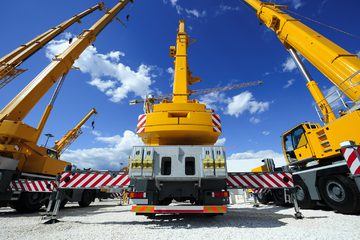
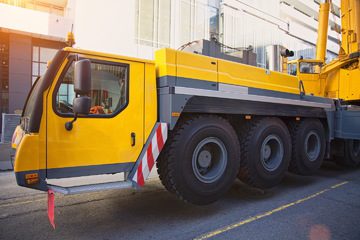
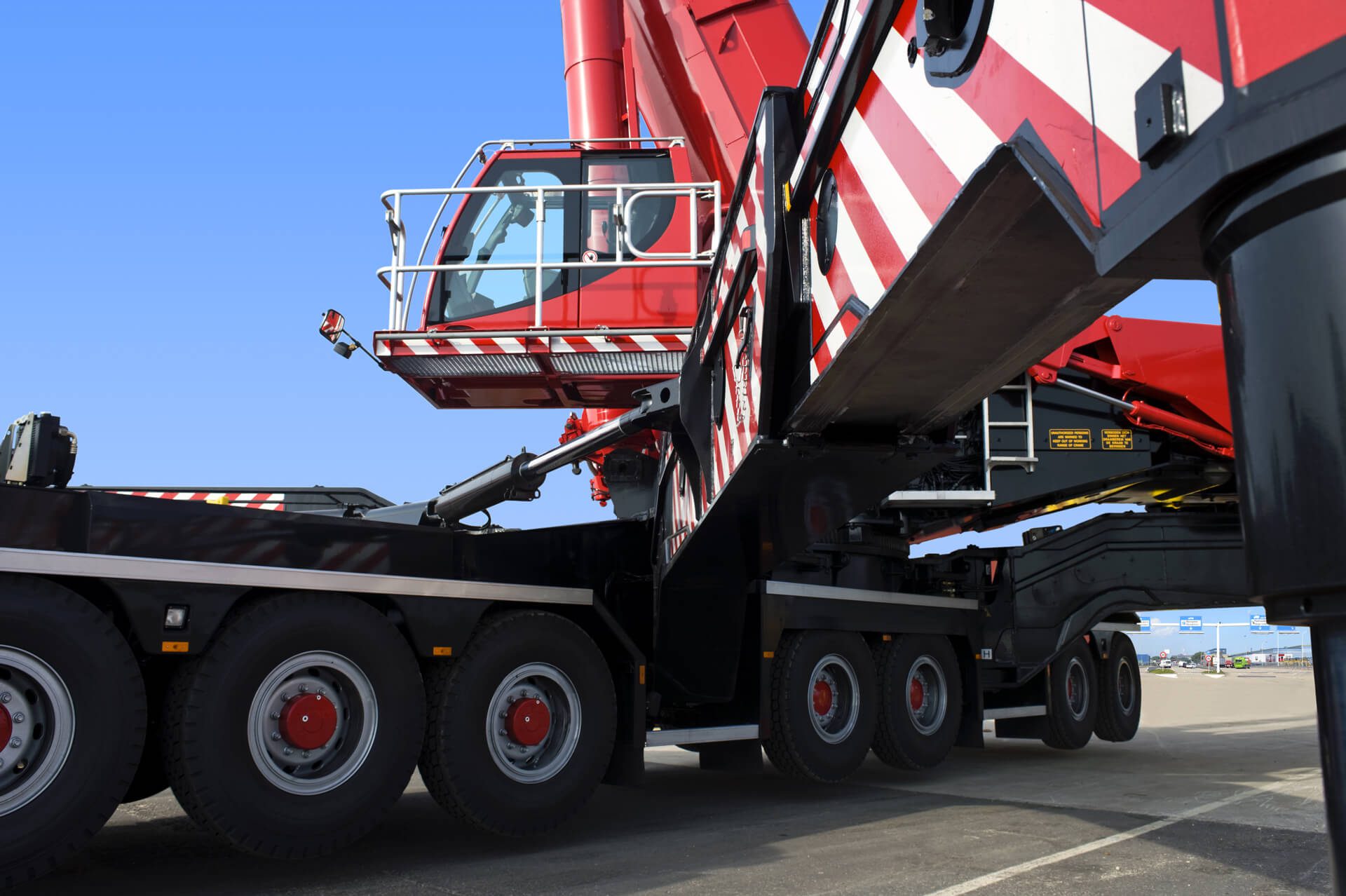
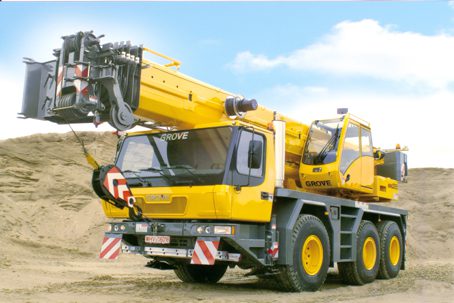
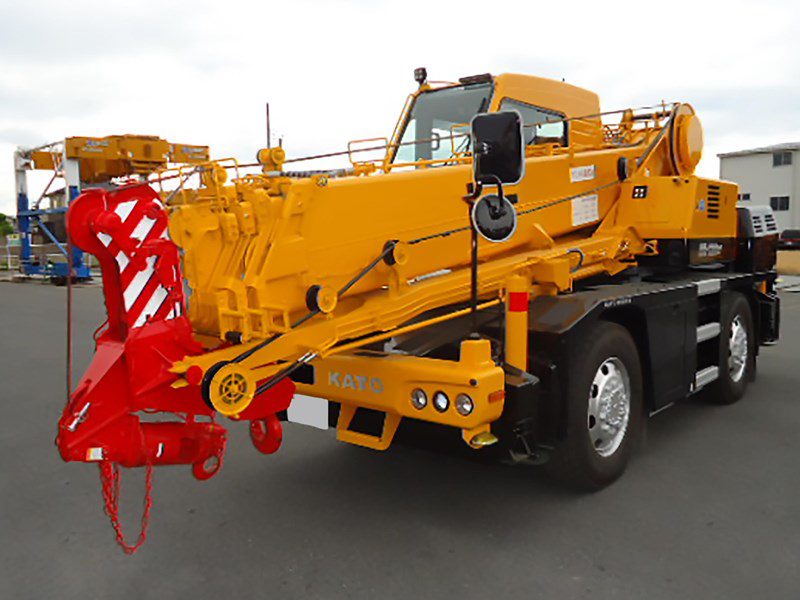
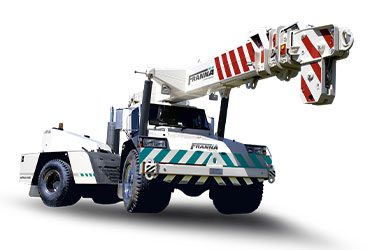
mobile crane hire remains one of the most adaptable solutions. These cranes are designed for flexibility, capable of moving between sites and handling a wide range of lifting tasks without the need for extensive assembly. On roadworks, bridge construction, and short-term urban projects, mobile cranes are often the first and fastest solution. Their value lies in responsiveness—being able to arrive, operate, and leave with minimal disruption.
By contrast, tower crane hire represents permanence and scale. These cranes are fixed to a foundation or structure and can remain on site for months or even years. They dominate high-rise construction because they provide height, stability, and lifting capacity that mobile systems cannot match. In cities experiencing vertical expansion, tower cranes are often the most visible symbol of development itself.
Then there is luffing crane hire, a more specialised category that has become increasingly important in dense urban environments. Luffing cranes are designed to operate in tight spaces where horizontal swing is limited. Their ability to raise and lower the jib without sweeping a wide radius makes them particularly useful in congested city centres, where multiple projects may sit side by side and airspace is at a premium.
Taken together, these three categories form a kind of vocabulary for construction teams. The choice between them is not merely technical; it reflects how a city block is being imagined and built.
Sydney’s Vertical Pressure and the Role of Urban Crane Strategy
Few Australian cities illustrate the pressures on construction infrastructure more clearly than Sydney. With its combination of waterfront geography, heritage zones, and rapidly densifying suburbs, it presents a uniquely constrained building environment.
In areas of northern Sydney in particular, construction activity has increasingly required careful coordination between developers, engineers, and crane operators. The term city crane hire northern sydney has come to reflect more than just a service offering; it signals a broader shift toward managing construction within highly regulated and spatially constrained urban corridors.
Sydney exemplifies this challenge. High-rise residential developments, transport upgrades, and commercial expansions are often happening simultaneously within limited space. Here, crane selection becomes a strategic decision. A tower crane might be essential for a multi-storey build, while luffing cranes may be required to avoid interference with neighbouring structures. Mobile cranes still play a crucial role, but typically in early-stage works or supporting infrastructure tasks.
What emerges in cities like Sydney is not just construction activity, but orchestration—multiple crane types working in coordinated systems above streets that remain active below.
Safety, Regulation, and the Australian Standard
Behind the visible machinery lies a less visible but equally important framework: regulation. Australia’s construction sector is governed by some of the most stringent workplace health and safety standards in the world, and crane operations are no exception.
Licensing requirements for operators, strict maintenance schedules, engineered lift planning, and site-specific risk assessments are all standard practice. Over the past decade, these requirements have tightened further, driven by both regulatory updates and industry experience.
Crane operations today are rarely improvised. Before a lift takes place, detailed planning considers wind conditions, load calculations, ground stability, and nearby hazards. This is particularly important in dense urban environments where a single miscalculation can have cascading consequences.
There is also increasing emphasis on coordination between different contractors on shared sites. In high-density projects, multiple cranes may operate within close proximity, requiring precise scheduling and communication systems to avoid conflicts in airspace.
Technology Changing the Way Cranes Work
While cranes themselves remain fundamentally mechanical in function, the systems surrounding them have changed significantly. Digital modelling, real-time monitoring, and advanced telemetry are now common features of modern crane operations.
In many projects, 3D modelling is used during the planning stage to simulate crane placement and movement before construction begins. This allows teams to anticipate spatial conflicts and optimise crane selection early in the process.
On site, sensors can now track load weights, wind conditions, and structural stress in real time. This data is often relayed back to operators and site managers, creating a more responsive and controlled environment.
Automation is also beginning to influence the industry, although in a measured way. Remote-controlled functions and assisted lifting systems are increasingly used to reduce operator exposure to risk, particularly in challenging weather or at extreme heights. However, full automation remains limited, largely due to the unpredictable nature of construction environments.
The Changing Role of Crane Hire in City Making
What emerges from all of this is a subtle but important shift in how crane hire is understood. It is no longer simply a transactional service tied to equipment rental. Instead, it functions as a core component of urban development strategy.
The choice between a mobile crane hire arrangement and a tower crane installation can shape not only construction efficiency but also how a city block evolves over time. Similarly, the growing use of luffing crane hire reflects a broader adaptation to urban density, where space is no longer abundant but carefully negotiated.
As Australian cities continue to grow upward and inward, the demand for more sophisticated lifting solutions is unlikely to slow. If anything, it will deepen, driven by infrastructure renewal, housing needs, and the ongoing reconfiguration of urban space.
Crane hire, in this sense, is not just about lifting materials. It is about lifting cities themselves into new forms—carefully, precisely, and increasingly under conditions where every metre of airspace matters.