If you pause long enough beneath the skyline of Sydney, you begin to notice something curious. The cranes do not simply move; they negotiate. Their arcs are careful, their rotations measured, as though each motion is part of a larger conversation—one between engineers, planners, regulations, and the physical limits of the city itself. In modern Australia, crane hire has become less about lifting materials and more about navigating constraints.
This shift reflects a broader transformation in how cities grow. Where development once expanded outward across abundant land, it now folds inward, compressing itself into denser, more complex forms. The result is a construction environment that demands precision, adaptability, and a nuanced understanding of space. It is here that mobile crane hire, tower crane hire, and luffing crane hire take on new significance—not as interchangeable tools, but as distinct responses to an evolving urban reality.
The End of Easy Space
Australia’s urban story has long been associated with openness. Cities spread horizontally, and construction followed suit, benefiting from fewer spatial restrictions. That model is increasingly outdated. Population growth, housing demand, and infrastructure investment have converged to create a new set of pressures, particularly in Sydney.
Today, the city is building upward. High-rise developments, transport corridors, and mixed-use precincts are redefining the skyline. Yet vertical growth introduces its own complications. Space is no longer just scarce on the ground; it is limited above it as well. Airspace must be managed, coordinated, and, in many cases, negotiated between multiple stakeholders.
This is where the role of crane hire becomes more intricate. It is no longer sufficient to simply select equipment based on lifting capacity. The question is now how that equipment fits within a tightly regulated and physically constrained environment.
The Versatility of Movement
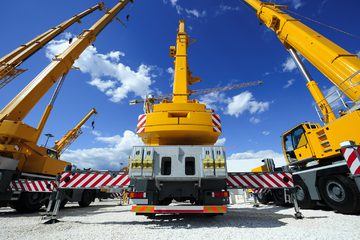
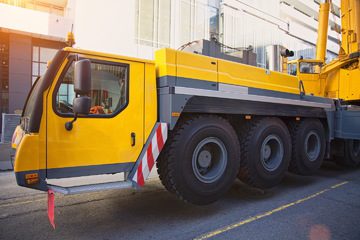
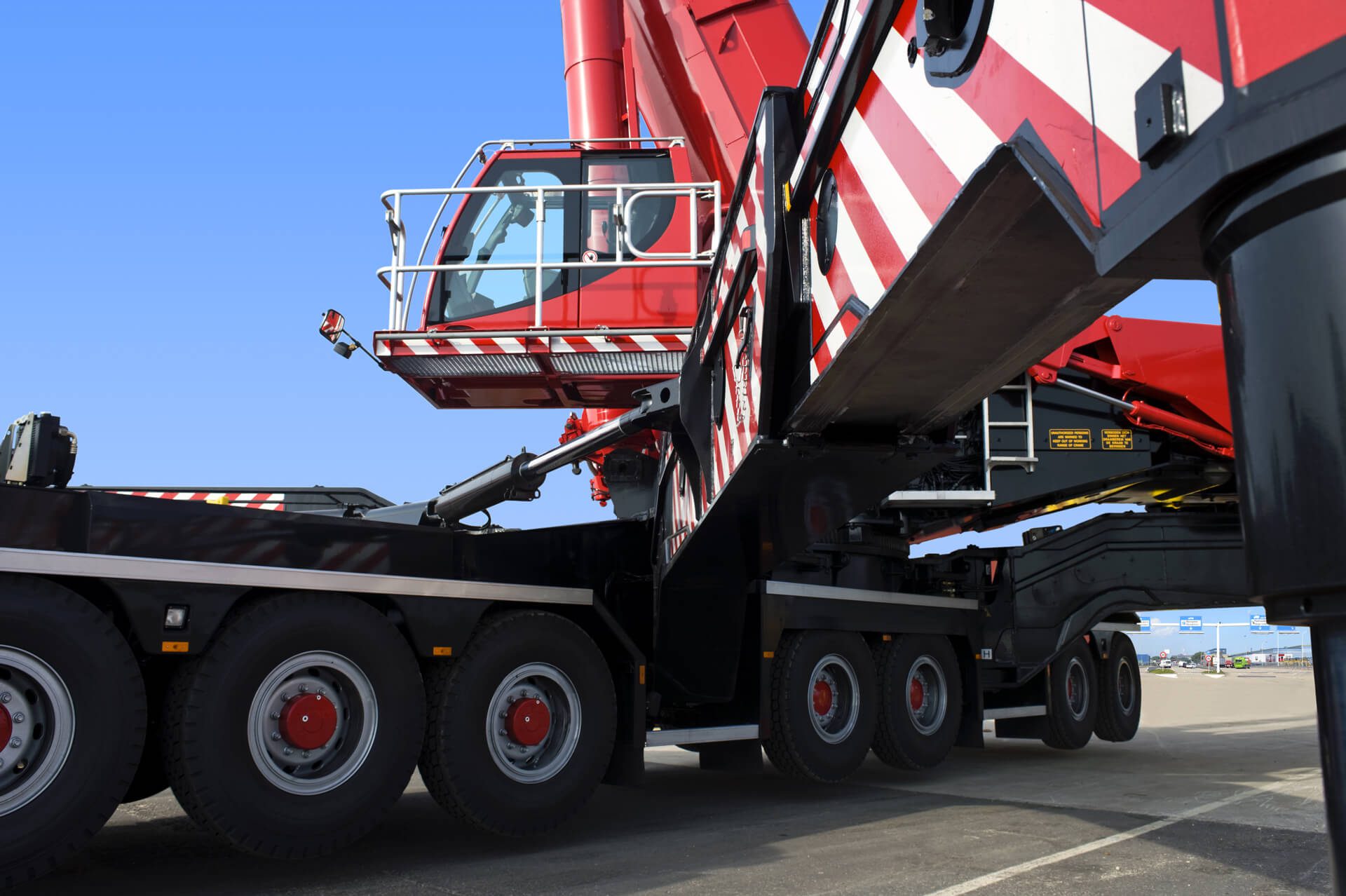
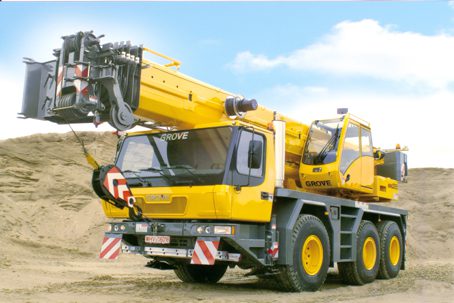
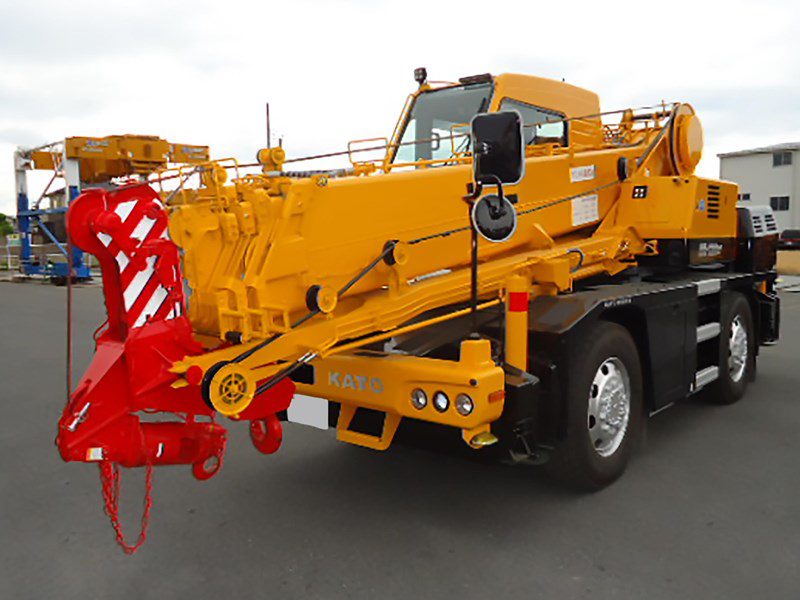
Mobile crane hire continues to play a foundational role in Australian construction, but its strengths are most evident in contexts that demand flexibility. These cranes are designed to move—between sites, across large project areas, and into positions where fixed equipment cannot operate efficiently.
On major infrastructure projects, such as highways or rail developments, this mobility is essential. Work unfolds across expansive sites, and the ability to reposition lifting equipment quickly allows construction to proceed without interruption. Mobile cranes also serve a critical function in urban settings, where they are often deployed for short, precise tasks—installing prefabricated components, lifting heavy machinery, or supporting time-sensitive operations.
Their contribution is subtle but vital. They bridge gaps in the construction process, providing capability where permanence would be impractical.
The Architecture of Height
If mobile cranes represent movement, tower crane hire represents commitment. These cranes are assembled on-site, rising alongside the structures they help create. They are, in many ways, the defining feature of vertical construction.
In high-rise developments, tower cranes function as the central artery of the project. Materials flow through them—steel, concrete, glass—each lift contributing to the gradual emergence of a building. Their design allows for sustained operation over long periods, making them indispensable in projects where consistency and reach are paramount.
Yet even tower cranes encounter limitations in dense urban environments. Their long horizontal jibs, while effective in open spaces, can become liabilities when construction sites are surrounded by existing buildings or subject to strict airspace regulations.
It is within this tension that a more adaptable solution has gained prominence.
Building in Tight Airspace
In the compressed landscape of Sydney’s inner and middle suburbs, luffing crane hire Sydney has emerged as a defining feature of modern construction. These cranes are engineered to operate within constrained environments, with jibs that can be raised and lowered to control their reach.
This capability addresses one of the central challenges of urban development: how to build in close proximity without overstepping boundaries. In dense areas, cranes must often avoid oversailing neighbouring properties, a requirement that can limit the use of traditional tower cranes.
Luffing cranes offer a way forward. By adjusting their working radius, they can operate within confined spaces while still providing the height and lifting capacity needed for high-rise construction. Their growing presence in Sydney reflects a broader shift toward precision—toward building not just taller, but smarter.
In this sense, luffing crane hire is not merely a technical adaptation. It is a response to the evolving character of the city itself, where every square metre—and every cubic metre of air—must be carefully managed.
Choosing the Right Tool for the Task
The distinctions between mobile crane hire, tower crane hire, and luffing crane hire are best understood in context. Each type of crane is suited to a particular set of conditions, and their effectiveness depends on how well they align with the demands of a project.
Large infrastructure developments favour mobility. High-rise construction demands stability and reach. Dense urban sites require precision and restraint. The selection of a crane, therefore, becomes a reflection of the environment in which it operates.
This interplay between equipment and context highlights a broader truth about modern construction: it is no longer defined by scale alone. Complexity, coordination, and compliance have become equally important considerations.
Safety in a Denser World
As construction environments grow more intricate, the expectations surrounding safety have intensified. Australia’s regulatory framework has evolved in response, introducing stricter standards for crane operation, maintenance, and oversight.
Operators must be licensed, equipment must undergo regular inspections, and lifting operations must be meticulously planned. These requirements are not merely procedural; they are essential in environments where the margin for error is minimal.
In cities like Sydney, where construction often occurs alongside active public spaces, the stakes are particularly high. Safety is not just about protecting workers; it is about safeguarding the broader community.
Technology has played a significant role in advancing these standards. Modern cranes are equipped with systems that monitor load weights, wind conditions, and structural performance in real time. Digital modelling tools allow construction teams to simulate operations before they take place, identifying potential risks and refining strategies accordingly.
This shift toward predictive safety represents a fundamental change in approach. It is no longer enough to respond to incidents; the goal is to prevent them entirely.
Innovation and the Changing Nature of Construction
The integration of technology into crane hire is reshaping the construction process in subtle but meaningful ways. Remote monitoring systems enable greater oversight, while advanced software allows for more precise planning and coordination.
There is also a growing emphasis on sustainability. As Australia grapples with the environmental impact of construction, the industry is exploring new approaches to reduce emissions and improve efficiency. Hybrid and electric cranes are beginning to appear, reflecting a broader commitment to more responsible building practices.
These developments are not always visible from the street. Yet they influence how projects are conceived, executed, and ultimately delivered.
The Human Factor
Despite these advancements, the role of human expertise remains central. Crane operators, riggers, and engineers bring a level of judgment and adaptability that cannot be fully replicated by machines. Their decisions shape the flow of construction, often in real time.
In Australia, the demand for skilled labour in this sector continues to grow. Training programs have expanded, but the increasing complexity of projects means that experience is more valuable than ever.
This dynamic underscores an important point: technology enhances capability, but it does not replace the need for human insight. The future of crane hire lies in the integration of both.
A Subtle Force Behind Urban Transformation
Cranes rarely dominate public attention, yet their influence on the built environment is profound. The rise of mobile crane hire, tower crane hire, and luffing crane hire reflects a deeper transformation in how Australian cities are constructed.
In Sydney, the growing reliance on luffing crane hire illustrates how infrastructure growth and urban density are intertwined. These cranes do more than lift materials; they enable a form of development that respects the constraints of a crowded city while still pursuing its ambitions.
They are, in effect, the quiet negotiators of urban space—balancing competing demands and translating them into physical form.
Looking Forward
As Australia’s cities continue to evolve, the role of crane hire will only become more nuanced. Projects will demand greater precision, stricter compliance, and more sophisticated coordination. The pressures of density, sustainability, and technological change will shape the industry in ways that are still unfolding.
Yet one thing remains constant. Cranes will continue to mark the horizon, their movements tracing the outline of what is yet to come. In their slow, deliberate motion, they reveal a city in the process of becoming—carefully, methodically, and always within limits.