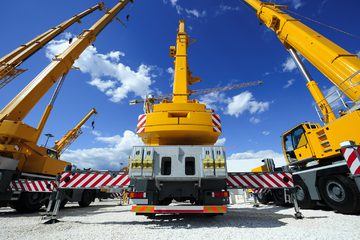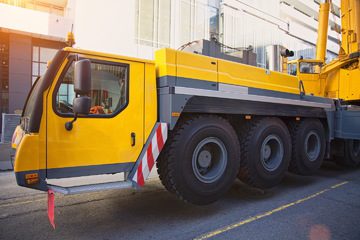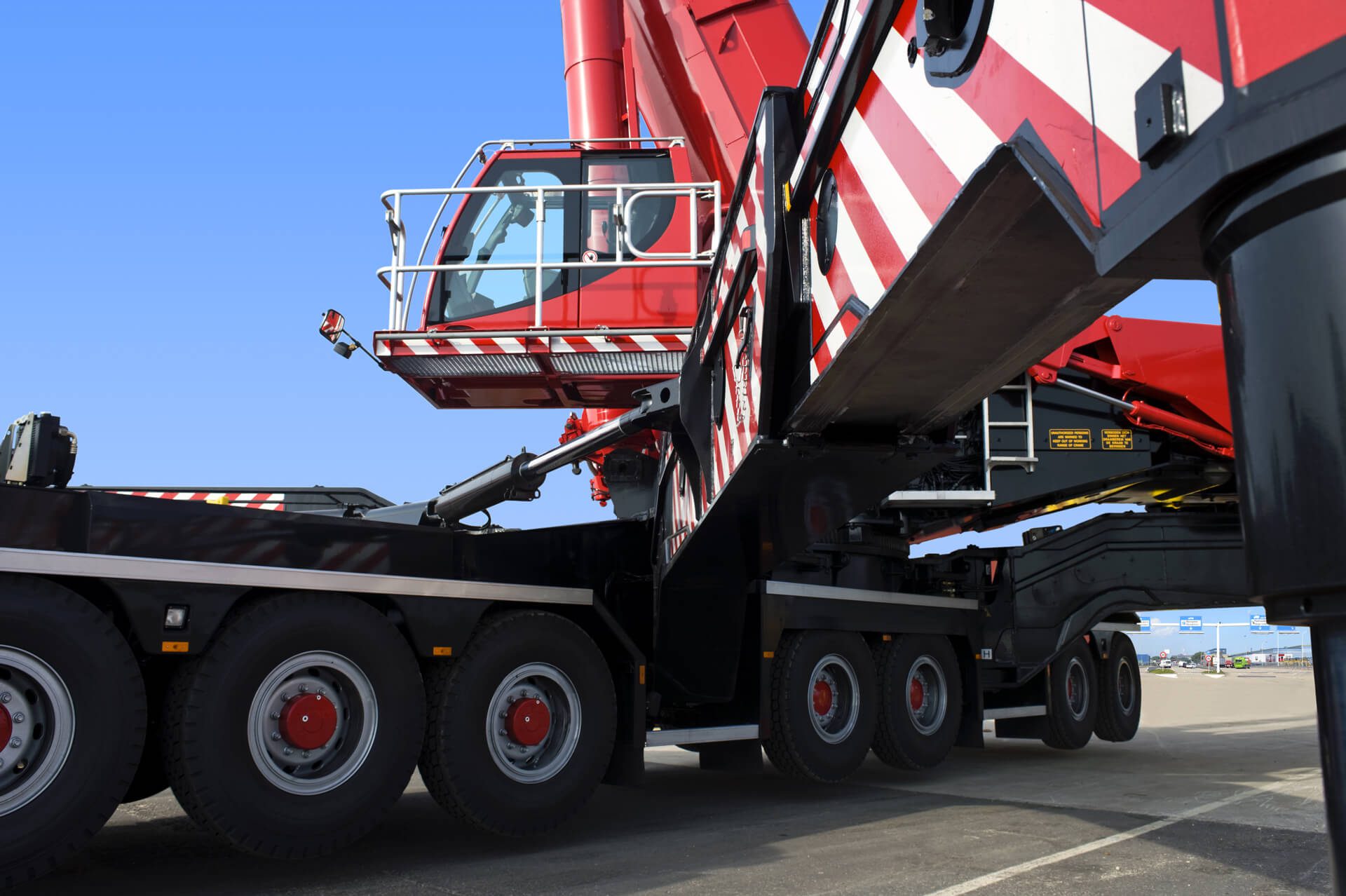
Across Australia, cranes have become a defining feature of the nation’s evolving skylines and infrastructure corridors. From high-rise apartment towers in major metropolitan centres to transport projects connecting regional communities, cranes play a critical role in enabling construction at scale. As development expands beyond capital cities into regional hubs, the demand for specialised lifting equipment continues to grow.
In this environment, services such as franna crane hire southern highlands illustrate how mobile lifting solutions support projects in both urban and semi-regional settings. The increasing reliance on mobile crane hire, tower crane hire, and luffing crane hire reflects a broader transformation within Australia’s construction sector, where efficiency, safety, and technological integration have become central to project delivery.
Understanding how these crane types function—and why contractors select them for specific tasks—offers insight into the logistical backbone of modern construction across the country.
A Construction Sector Driven by Growth
Australia’s construction industry has expanded steadily over the past decade, fuelled by population growth, infrastructure investment, and urban redevelopment. Government initiatives aimed at improving transportation networks, public facilities, and housing supply have led to an unprecedented volume of projects.
Large-scale rail developments, road upgrades, and renewable energy installations require sophisticated lifting operations to move heavy structural components. At the same time, residential and commercial buildings in urban centres are reaching greater heights and densities, increasing the need for advanced crane technology.
The widespread use of mobile crane hire allows construction companies to adapt quickly to changing project requirements. Instead of investing in permanent equipment for every job, contractors can deploy specialised cranes when needed, improving flexibility and cost efficiency.
Regional areas such as the Southern Highlands in New South Wales have also become important contributors to the construction landscape. Infrastructure improvements and residential expansion in these areas have increased demand for versatile equipment, including services like franna crane hire southern highlands that can operate efficiently across a variety of site conditions.
Mobile Cranes and the Flexibility of Modern Construction
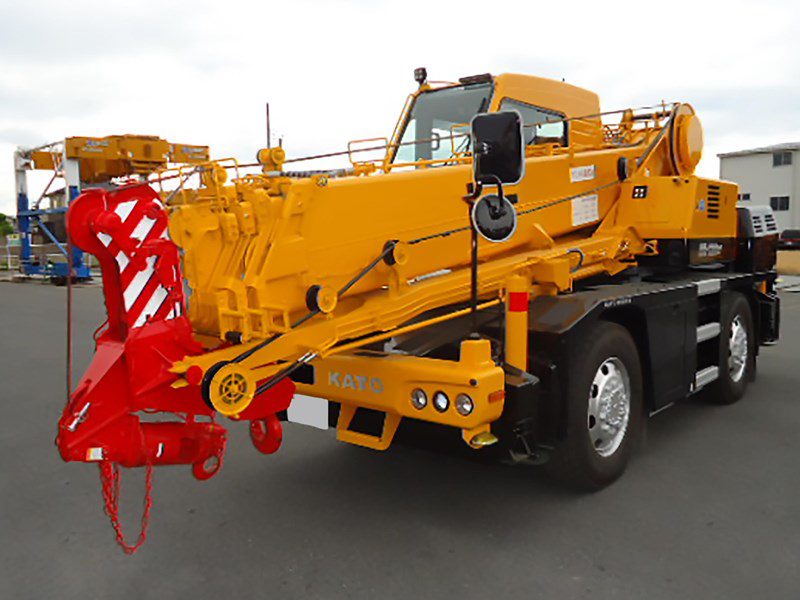
Among the most commonly used lifting machines in Australia are mobile cranes. Designed to travel between job sites and operate with minimal setup time, these cranes offer unmatched flexibility for a wide range of construction tasks.
The appeal of mobile crane hire lies in its versatility. Mobile cranes can lift structural steel, install heavy mechanical systems, position prefabricated building elements, and support maintenance work on bridges or utilities. Their ability to move quickly between locations makes them particularly valuable for infrastructure projects where multiple work zones must be serviced.
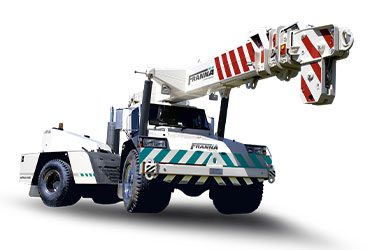
Within this category, Franna pick-and-carry cranes are widely used across Australia. These compact cranes are capable of lifting and transporting loads simultaneously, allowing materials to be relocated across construction sites without the need for additional equipment.
In regions such as the Southern Highlands, where projects may span rural terrain or smaller urban centres, services like franna crane hire southern highlands provide an efficient way to manage lifting tasks. Their manoeuvrability allows contractors to operate in spaces where larger cranes would be impractical or unnecessary.
Mobile cranes therefore function as the adaptable backbone of construction logistics, bridging the gap between large-scale infrastructure work and smaller site-specific operations.
Tower Cranes and the Rise of Vertical Construction
While mobile cranes dominate short-term lifting operations, tower cranes remain essential for high-rise construction. These tall, stationary machines are synonymous with the development of dense urban skylines, particularly in cities experiencing rapid residential and commercial expansion.
The demand for tower crane hire has grown alongside Australia’s increasing focus on vertical urban development. Tower cranes are capable of lifting heavy loads to significant heights while maintaining stability and precision. This makes them indispensable for multi-storey buildings where materials must be transported efficiently across large construction footprints.
Unlike mobile cranes, tower cranes are assembled directly on site and typically remain in place for most of the building process. Their fixed structure allows them to support complex lifting operations, including the placement of steel frameworks, concrete panels, and large prefabricated components.
Tower cranes are also evolving alongside new construction methods. As modular and prefabricated building techniques become more common, cranes must lift heavier and larger components with greater accuracy. Advances in crane engineering have therefore focused on improving load monitoring, structural stability, and operator control systems.
Across Australia’s major cities, tower cranes continue to play a central role in shaping the built environment.
Luffing Cranes and the Constraints of Dense Cities
As urban land becomes increasingly scarce, construction sites are often surrounded by existing buildings, narrow streets, and strict planning regulations. These constraints require specialised lifting equipment capable of operating safely within limited airspace.
This is where luffing crane hire has become particularly valuable. Luffing cranes are designed with adjustable booms that can raise and lower vertically, allowing operators to control the crane’s working radius more precisely than traditional tower cranes.
This feature is especially useful in dense urban areas where multiple cranes may operate on the same site. By adjusting the boom angle, luffing cranes reduce the risk of interference with neighbouring structures or adjacent cranes.
The demand for luffing crane hire has increased significantly in inner-city developments across Australia. High-rise residential towers, mixed-use buildings, and commercial complexes frequently rely on these cranes to maintain safe lifting operations while complying with strict planning and safety requirements.
As urban density continues to rise, luffing cranes are expected to become an increasingly common feature of construction sites across the country.
Safety Standards and Regulatory Frameworks
Australia maintains some of the most comprehensive construction safety regulations in the world, and crane operations are subject to particularly rigorous oversight. Workplace safety authorities require strict adherence to equipment inspection schedules, operator certification, and site-specific lift planning.
Crane operators must hold specialised licences that correspond to different types of equipment, ensuring they possess the technical expertise needed to perform complex lifting tasks. In addition, construction companies must conduct detailed risk assessments before major lifts take place.
The coordination of multiple crane types—including mobile crane hire, tower crane hire, and luffing crane hire—requires careful planning to avoid operational conflicts. Construction managers often rely on digital simulations and engineering models to ensure that crane movements remain safe and efficient.
Equipment such as Franna cranes, commonly used through services like franna crane hire southern highlands, must also comply with strict operational guidelines. Their ability to move loads across a site adds efficiency but requires precise control and adherence to safety procedures.
These regulatory frameworks play a critical role in maintaining Australia’s strong safety record within the construction industry.
Technological Advancements in Lifting Equipment
Technological innovation is rapidly transforming crane operations across Australia. Modern cranes are increasingly equipped with advanced sensors and digital control systems that improve both safety and efficiency.
Real-time monitoring systems allow operators and site managers to track load weights, wind speeds, and crane stability during lifting operations. If conditions exceed safe limits, automated systems can alert operators or halt operations entirely.
The integration of building information modelling (BIM) into construction planning has also improved crane coordination. Engineers can now simulate lifting sequences digitally, identifying potential logistical conflicts before construction begins.
Remote diagnostics and predictive maintenance technologies are further enhancing equipment reliability. These systems monitor crane performance continuously, enabling technicians to detect potential mechanical issues before they lead to costly downtime.
Such innovations are particularly valuable on complex construction sites where multiple cranes operate simultaneously and precision is essential.
Supporting the Next Phase of Australian Development
Australia’s future infrastructure ambitions—from renewable energy installations to major transport corridors—will require increasingly sophisticated construction logistics. Cranes will remain central to delivering these projects efficiently and safely.
The widespread use of mobile crane hire, tower crane hire, and luffing crane hire demonstrates how the industry has adapted to meet diverse construction challenges. Each crane type serves a distinct purpose, supporting everything from regional infrastructure upgrades to dense urban developments.
In areas such as the Southern Highlands, services like franna crane hire southern highlands highlight how specialised lifting equipment supports growth beyond major metropolitan centres.
As Australia continues to invest in housing, infrastructure, and urban renewal, cranes will remain both a practical necessity and a visible symbol of national development. Behind every rising structure lies a complex choreography of engineering, planning, and skilled labour—supported, quite literally, by the machines that lift the nation’s future into place.