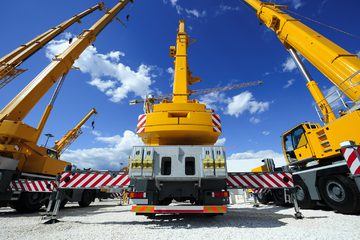
There is a particular rhythm to construction in Australia’s Major Cities—one that unfolds not at street level, but in the air above it. Look closely at the skyline of Sydney or Melbourne and you’ll notice that cranes are not simply present; they are orchestrating movement, timing, and possibility. Their slow rotations and calculated lifts are the visible expression of a much larger shift in how cities are built.
In recent years, the rise of crane hire—across mobile crane hire, tower crane hire, and luffing crane hire—has quietly redefined the construction landscape. What once might have been considered a background service has become central to how infrastructure is delivered, how urban density is managed, and how risk is controlled in an increasingly complex environment.
This is not just a story about machines. It is a story about constraints, adaptation, and the evolving logic of building in places where space is limited but expectations are not.
The Vertical Imperative
Australia’s urban centers are facing a familiar dilemma: how to accommodate growth without endlessly expanding outward. The answer, more often than not, is to build upward. This vertical turn is visible in the clustering of high-rise developments, particularly in Sydney, where land scarcity and planning frameworks encourage density over sprawl.
Within this context, tower crane hire Sydney has become an essential component of the construction ecosystem. Tower cranes are designed for precisely this kind of work. Fixed to the ground or integrated into the structure as it rises, they provide the reach and lifting power required to move heavy materials efficiently across vertical distances.
But their significance extends beyond functionality. Tower cranes impose a kind of order on the construction process. Their installation requires early coordination, careful engineering, and a clear understanding of how a project will unfold over time. Once operational, they become the central axis around which site activity revolves.
In dense urban environments, where multiple projects may be underway simultaneously, this level of coordination is not optional. It is the difference between a project that proceeds smoothly and one that becomes entangled in delays and disruptions.
Mobility Versus Permanence
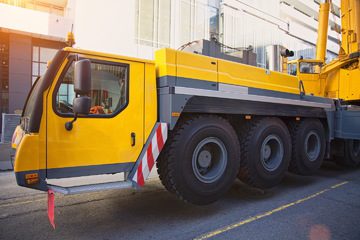
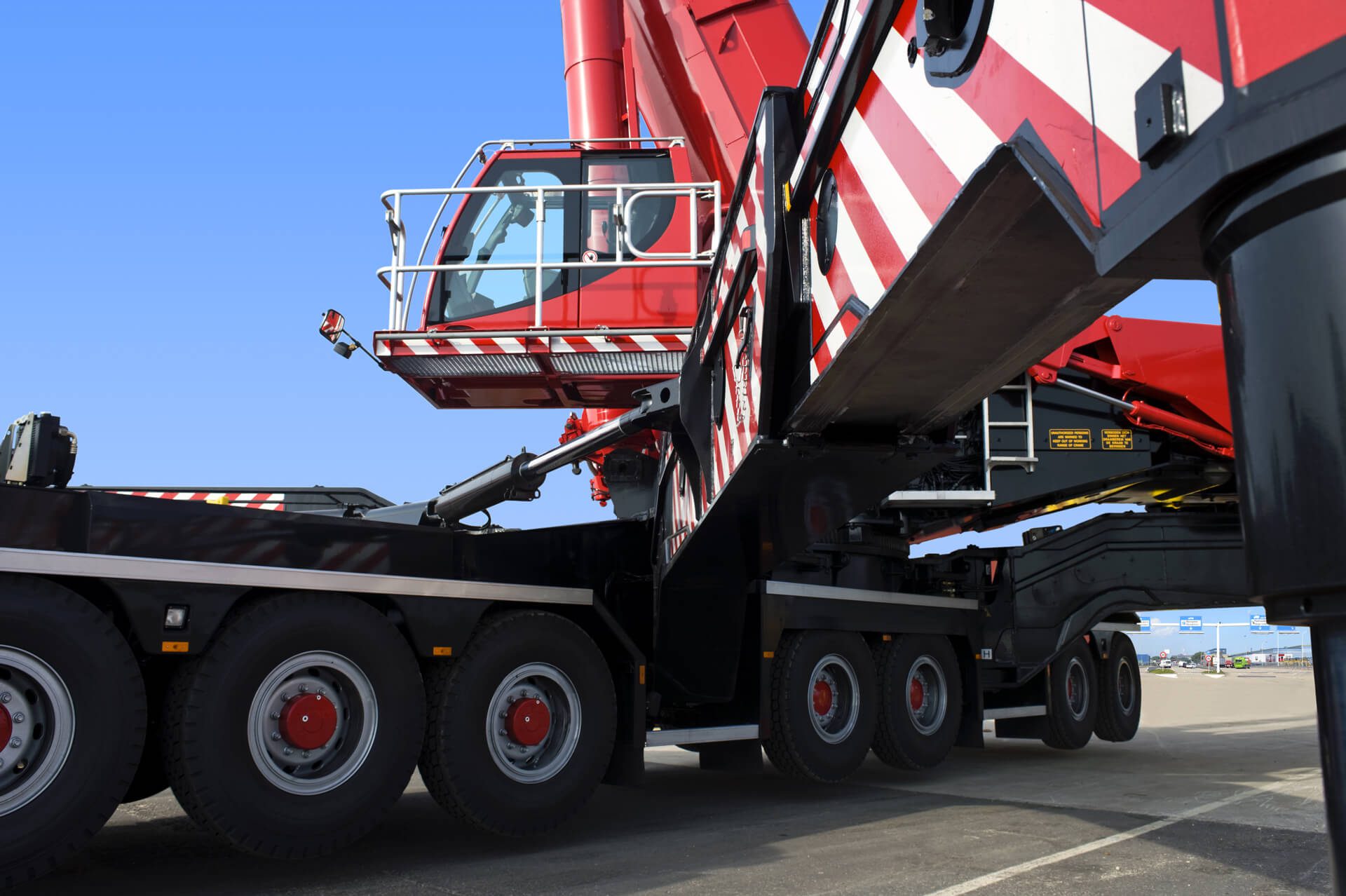
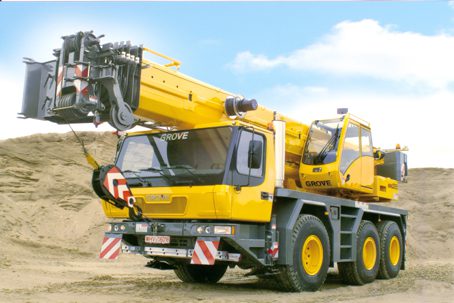
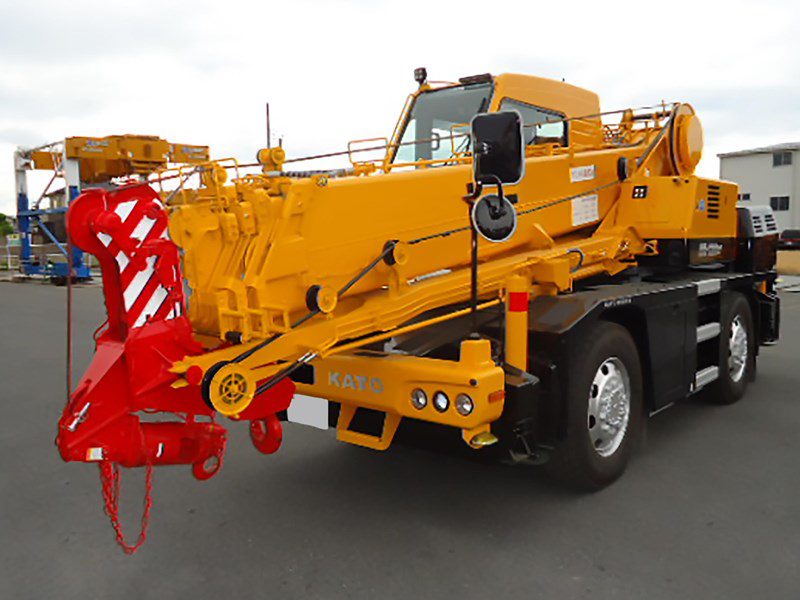
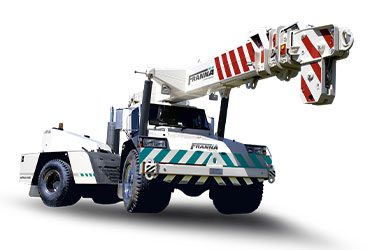
Not all construction challenges are vertical, and not all cranes are designed to stay in one place. The continued reliance on mobile crane hire reflects the enduring need for flexibility, particularly in large-scale infrastructure projects.
Across Australia, from transport corridors to energy installations, mobile cranes play a crucial role in handling heavy components that must be positioned with precision but not necessarily at great height. Their ability to move quickly between sites makes them well suited to projects that unfold across large geographic areas.
By contrast, tower cranes represent permanence within a temporary context. They are erected for the duration of a project and dismantled once their work is complete. This distinction—between mobility and stability—mirrors the broader diversity of construction itself.
Then there is luffing crane hire, which occupies a more specialized space within this spectrum. As cities become denser, the airspace above construction sites becomes more constrained. Traditional tower cranes, with their wide horizontal reach, are not always practical in such conditions.
Luffing cranes address this limitation by allowing the jib to move up and down, reducing the space required for operation. In tightly packed areas, where buildings stand close together and streets below remain active, this capability is invaluable. It allows construction to proceed without encroaching on neighboring properties or disrupting surrounding activity more than necessary.
Building Within Constraints
What ties these different crane types together is not just their technical capabilities, but the constraints they are designed to navigate. Modern construction in Australia is defined as much by what cannot be done as by what can.
Urban sites are often bounded by existing structures, transport networks, and regulatory limits. Noise restrictions, working hours, and environmental considerations all shape how and when work can take place. In this environment, the choice of crane becomes a strategic decision rather than a purely operational one.
Crane hire providers have adapted to this reality by offering not just equipment, but expertise. They are increasingly involved in the early stages of project planning, advising on the most suitable crane configurations and helping to anticipate potential challenges.
This shift reflects a broader trend toward specialization within the construction industry. As projects become more complex, the value of focused expertise grows. Crane hire is no longer a peripheral service; it is integrated into the decision-making process from the outset.
Safety as a Moving Target
If cranes are symbols of progress, they are also reminders of risk. The scale and complexity of modern construction amplify the consequences of failure, making safety a central concern.
Australia’s regulatory framework for crane operations is among the most comprehensive in the world. Standards are enforced through a combination of national guidelines and state-level oversight, requiring rigorous training for operators and strict maintenance protocols for equipment.
Yet safety is not a static achievement. It evolves in response to new technologies, changing work practices, and the lessons of past incidents. The increasing use of digital monitoring systems, for example, has transformed how risks are managed.
Modern cranes are equipped with sensors that track load weights, wind speeds, and operational limits in real time. These systems can alert operators to potential hazards or even intervene automatically to prevent unsafe movements. In doing so, they reduce reliance on human judgment alone, without eliminating the need for skill and experience.
This interplay between human expertise and technological support is reshaping the nature of crane operation. It reflects a broader shift within construction toward data-driven decision-making, where information is used not just to improve efficiency, but to enhance safety.
The Economics of Flexibility
Behind the technical and regulatory aspects of crane hire lies a set of economic considerations that are just as influential. Construction in Australia operates within a landscape of fluctuating demand, rising costs, and increasing uncertainty.
Owning heavy equipment such as cranes requires significant capital investment, along with ongoing expenses related to maintenance, storage, and compliance. For many firms, particularly those working on a project-by-project basis, this model is no longer practical.
Crane hire offers an alternative that aligns more closely with the realities of the market. By renting equipment as needed, companies can adjust their operations in response to changing conditions. This flexibility is particularly valuable in an industry where delays and cost overruns are common.
At the same time, crane hire providers have become more sophisticated, offering integrated services that extend beyond equipment rental. Their role now often includes logistics planning, technical support, and coordination with other aspects of the project.
Technology and the Shape of Work
The influence of technology on crane operations is subtle but significant. Digital tools are increasingly used to plan lifts, simulate site conditions, and coordinate activities across complex projects.
These tools allow for a level of precision that would have been difficult to achieve in the past. They enable construction teams to anticipate challenges, optimize workflows, and reduce inefficiencies. Over time, this contributes to a more predictable and controlled construction process.
For workers, this evolution is changing the nature of the job. Operators must now engage with digital systems as well as physical machinery, blending traditional skills with new forms of technical literacy.
The result is a workforce that is both more specialized and more adaptable—capable of navigating the demands of an industry that is itself in transition.
A Lasting Influence on the Urban Landscape
Cranes are, by definition, temporary structures. They arrive, perform their function, and disappear. Yet their impact endures in the buildings they help create and the patterns of development they enable.
In Australia, the growing reliance on mobile crane hire, tower crane hire, and luffing crane hire reflects a construction industry that is responding to the pressures of urbanization with increasing sophistication. These machines are not just tools; they are instruments through which cities negotiate their own limitations.
The skyline, in this sense, is not only a record of architectural ambition. It is also a record of the systems and decisions that made that ambition possible. And among those systems, crane hire stands out as both a practical necessity and a quiet force shaping the future of urban life.