If you pause long enough in any of Australia’s major cities, you begin to notice a pattern in the skyline. It’s not just the buildings themselves, but the machinery that precedes them—cranes, suspended in midair, moving with a slow and deliberate rhythm. They are so constant, so embedded in the visual language of growth, that they risk becoming invisible. Yet behind that quiet familiarity lies a significant shift in how Australia builds, expands, and imagines its urban future.
Crane hire, once a straightforward logistical decision, now sits at the intersection of economics, engineering, and urban planning. The increasing reliance on mobile crane hire, tower crane hire, and luffing crane hire tells a deeper story about flexibility, density, and the constraints of modern construction. To understand where Australian cities are heading, it helps to look up—and to consider how these machines are shaping what we see.
The Economics of Not Owning
One of the more subtle changes in the construction industry has been the move away from ownership toward access. Hiring cranes, rather than maintaining a permanent fleet, allows construction firms to adapt quickly to the varied demands of different projects. This is particularly relevant in Australia, where construction conditions can shift dramatically between dense metropolitan areas and expansive regional developments.
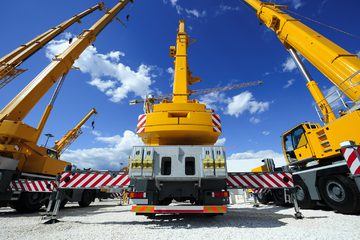
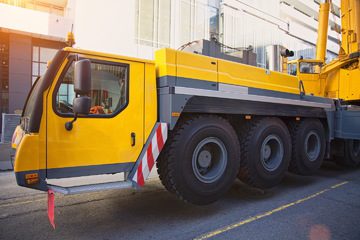
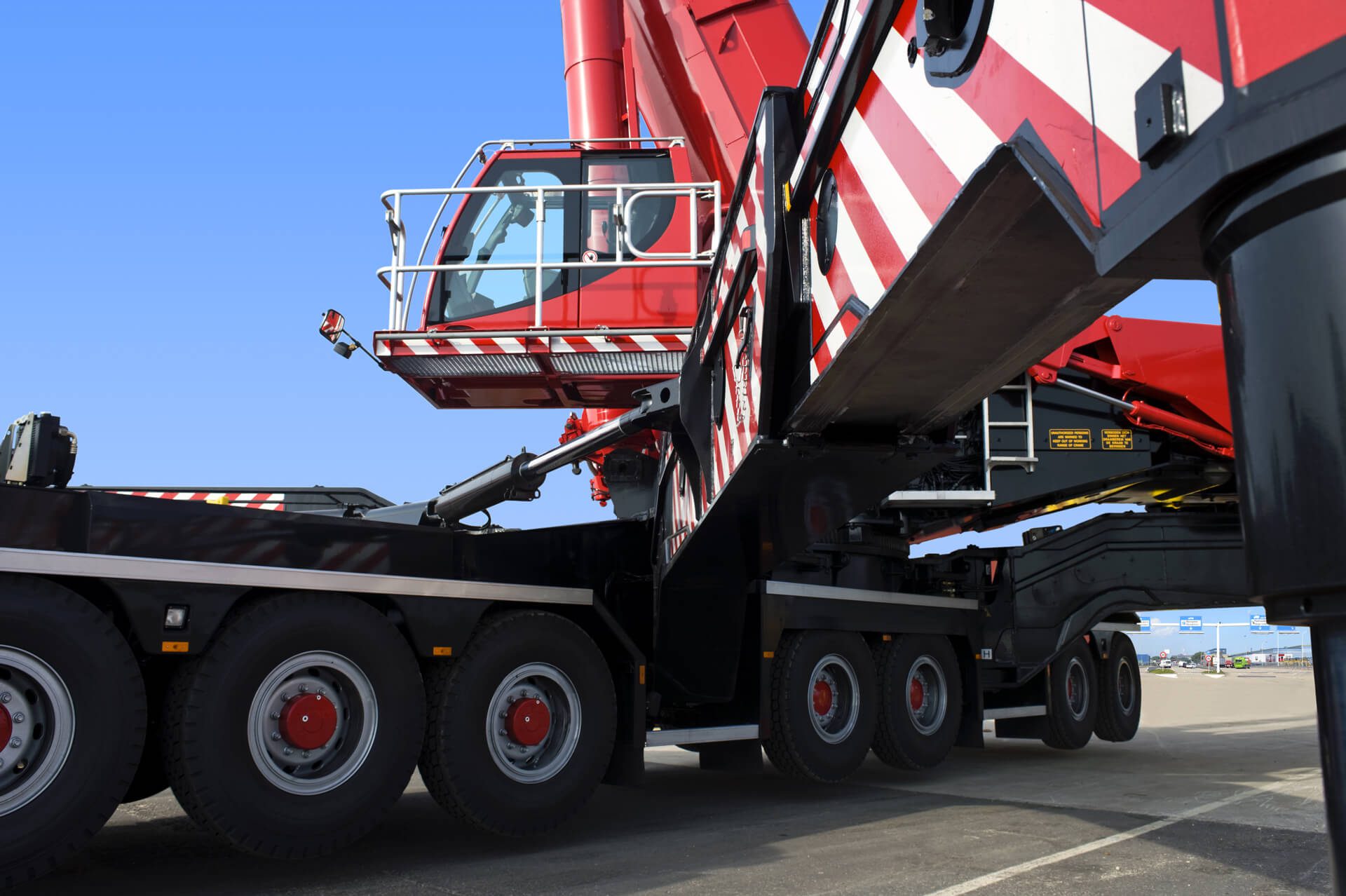
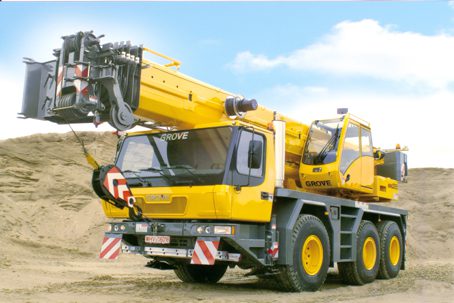
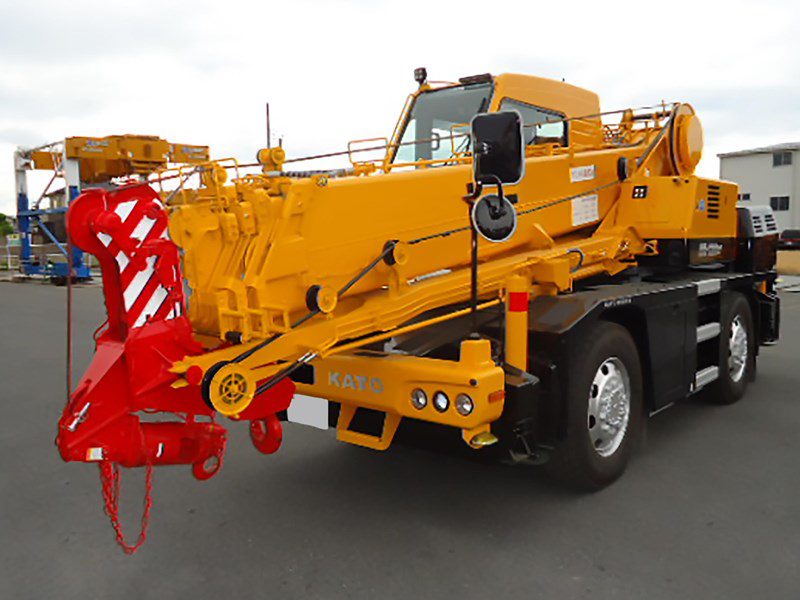
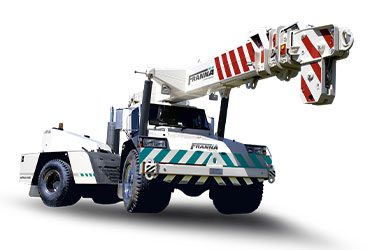
Mobile crane hire has become a cornerstone of this flexibility. These cranes are not tied to a single site; they travel, often over long distances, responding to the immediate needs of infrastructure projects. On highway expansions, rail upgrades, and energy developments, their value lies in their ability to arrive, perform a specific task, and move on. In a country defined by both its vast geography and its uneven distribution of development, that mobility is essential.
But flexibility alone doesn’t address the pressures of urban density. For that, the industry has had to look upward.
Building Vertically in a Constrained World
The phrase “tower crane hire northern sydney” may appear, at first glance, to describe a localized service. In reality, it points to a broader trend shaping Australian cities. Northern Sydney, like many urban centres, is experiencing the dual pressures of population growth and limited space. The result is a shift toward vertical construction—apartment towers, mixed-use developments, and increasingly complex high-rise projects.
Tower crane hire has become indispensable in this environment. These cranes are designed for height and endurance, often remaining on-site for the duration of a project. They lift heavy materials—steel, concrete, prefabricated sections—hundreds of metres into the air with a precision that allows construction to proceed efficiently in tight spaces.
What makes tower cranes particularly suited to dense urban areas is their ability to integrate into the building process itself. They can be anchored to the ground or attached to the structure as it rises, effectively growing alongside it. In places like northern Sydney, where multiple high-rise developments may occur simultaneously, tower cranes operate in carefully coordinated systems, sharing limited airspace while maintaining strict safety protocols.
Yet even these towering machines face limitations when space becomes truly constrained.
Precision in Tight Spaces
As Australian cities become more compact, construction sites are increasingly hemmed in by existing buildings, roads, and infrastructure. This is where luffing crane hire has found its niche. Unlike traditional tower cranes, which have long horizontal arms, luffing cranes can adjust the angle of their jib, raising or lowering it to control their working radius.
The advantage is subtle but significant. In environments where space is at a premium, the ability to operate within a reduced swing area minimizes the risk of encroaching on neighbouring properties. This is particularly important in inner-city developments, where even minor oversights can lead to regulatory complications or safety concerns.
Luffing cranes are, in many ways, a response to the evolving geometry of cities. They reflect a move toward building not just taller structures, but more carefully integrated ones—projects that must coexist with their surroundings from the very first stage of construction.
Infrastructure, Scale, and the Role of Mobility
While urban density drives the need for tower and luffing cranes, large-scale infrastructure projects tell a different story. Across Australia, significant investments in transport, energy, and public works continue to reshape the landscape. These projects often unfold over vast areas, far removed from the constraints of city centres.
In these contexts, mobile crane hire remains indispensable. Whether assembling bridge components, installing wind turbines, or supporting rail construction, mobile cranes provide the adaptability required for projects that evolve over time and space. Their role is less about permanence and more about responsiveness—arriving where needed, performing precise lifts, and then relocating as the project progresses.
The contrast between these crane types highlights a broader truth about modern construction: there is no single solution. Each project demands a tailored approach, shaped by its environment, scale, and logistical challenges.
Safety as an Evolving Standard
As crane operations become more varied and complex, safety expectations have evolved in tandem. Australia’s regulatory environment is among the more stringent globally, reflecting both the inherent risks of heavy lifting and the increasing proximity of construction to populated areas.
The shift has been toward proactive risk management. Detailed planning now precedes most lifts, with engineers and operators working through scenarios before equipment even arrives on site. Real-time monitoring systems track load weights, wind conditions, and crane movements, providing operators with immediate feedback.
What’s changed is not just the technology, but the mindset. Safety is no longer seen as a separate layer added onto construction; it is embedded within the process itself. For crane hire companies, this means maintaining high standards not only in equipment maintenance but also in training and operational discipline.
Technology and the Digital Construction Site
Beyond safety, technological advancements are quietly reshaping how cranes are used. Digital tools such as Building Information Modelling have begun to integrate crane operations into the early stages of project design. Instead of reacting to logistical challenges on-site, planners can anticipate them, mapping out crane positions and movements in a virtual environment.
Sensors and telematics systems provide ongoing data about crane performance, enabling predictive maintenance and reducing the likelihood of unexpected breakdowns. This shift toward data-driven operations is changing the rhythm of construction, making it more precise and, in some cases, more efficient.
For operators, the role is becoming more complex. It’s no longer just about controlling machinery; it involves interpreting data, coordinating with digital systems, and adapting to increasingly sophisticated equipment. The human element remains central, but it is evolving alongside the technology.
Pressures and Possibilities
Despite these advancements, the crane hire sector faces its own pressures. Demand is closely tied to the broader construction cycle, which can fluctuate with economic conditions and government policy. Periods of intense activity can strain resources, while downturns require careful adjustment.
Labour shortages add another layer of challenge. Skilled crane operators and technicians are in high demand, and training new professionals takes time. At the same time, environmental considerations are beginning to influence the industry, prompting discussions about fuel efficiency, emissions, and the potential for alternative energy sources.
These pressures, however, are not purely constraints. They also drive innovation, pushing the industry to adapt in ways that align with broader societal expectations.
Looking Up, Looking Ahead
Cranes are often described as symbols of growth, but that description only captures part of their significance. They are also indicators of how growth is managed—how cities respond to constraints, how industries adapt to change, and how technology reshapes long-standing practices.
In Australia, the increasing reliance on mobile crane hire, tower crane hire, and luffing crane hire reflects a construction sector that is becoming more flexible, more precise, and more integrated into the fabric of urban life. The prominence of tower crane hire in northern Sydney is not just a local phenomenon; it is a window into the broader dynamics of density and development.
The skyline, in other words, is not just rising—it is evolving. And the cranes that punctuate it are not merely tools, but instruments of that evolution, quietly shaping the cities in which millions of people live and work.