Look closely at any major Australian city in the midst of growth and a pattern begins to emerge—not just in the architecture, but in the machinery that makes it possible. In Sydney, Melbourne, and Brisbane, cranes are no longer occasional intrusions on the skyline; they are part of its language. They signal not just construction, but momentum. And within that momentum, the role of crane hire has quietly evolved from a supporting service into a central force shaping how cities are built.
This evolution is tied to a broader shift in Australia’s urban narrative. Cities are no longer expanding primarily outward. Increasingly, they are building upward and inward, compressing growth into denser, more complex environments. In this context, crane hire—whether mobile crane hire, tower crane hire, or luffing crane hire—has become less about lifting materials and more about enabling entire forms of development that would otherwise be impractical.
Density Changes Everything
The move toward urban density has redefined the conditions under which construction takes place. Where builders once had the luxury of space, they now operate within tight, highly regulated sites, often bordered by existing buildings, transport corridors, and active public areas. These constraints have elevated the importance of precision, timing, and adaptability.
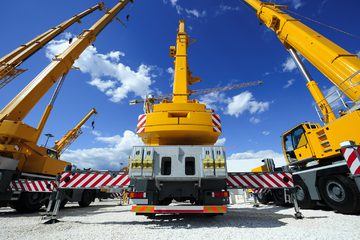
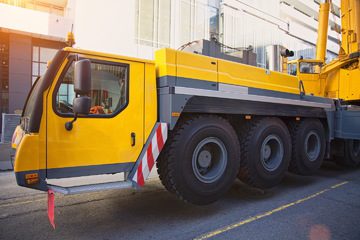
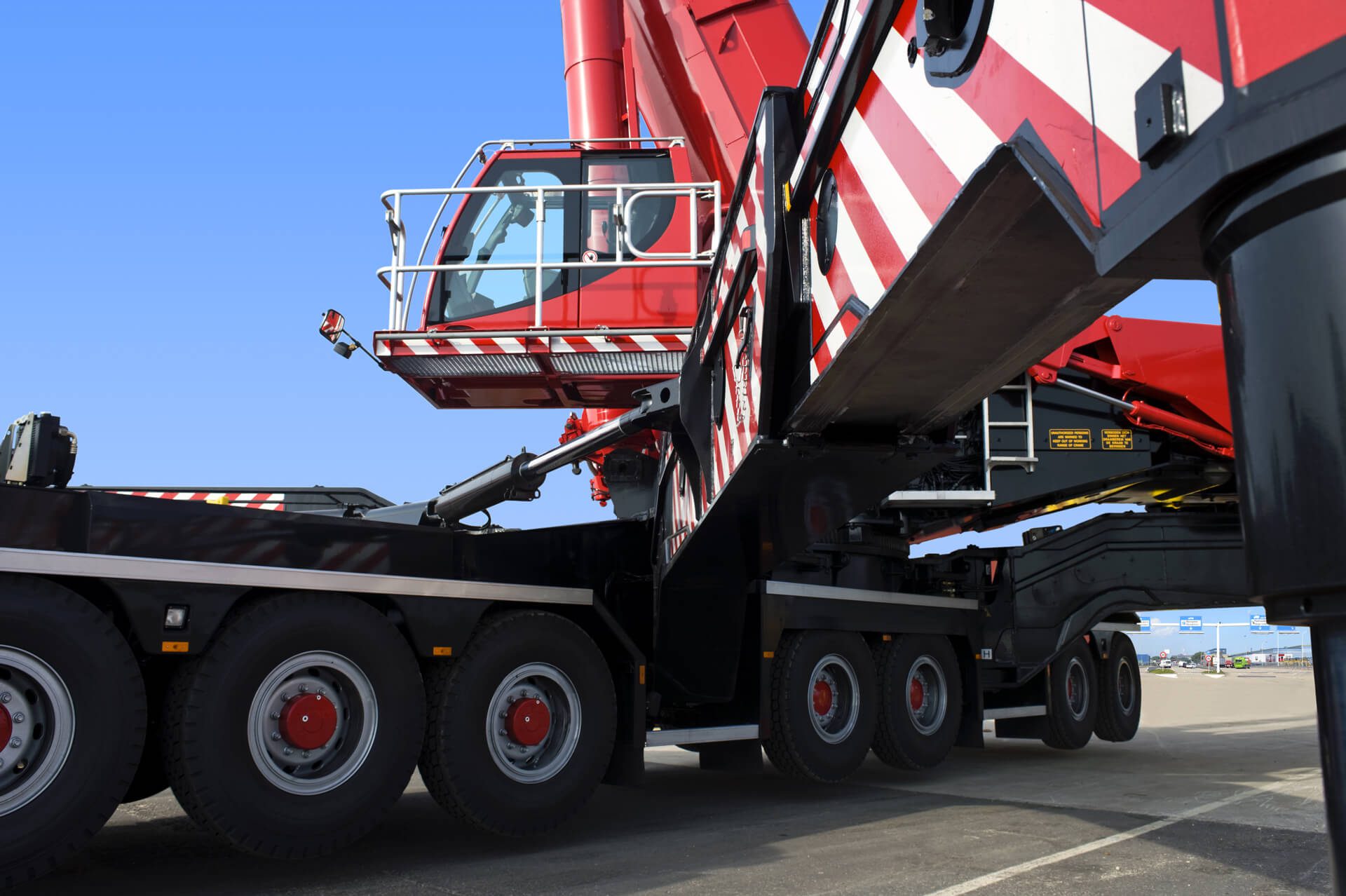
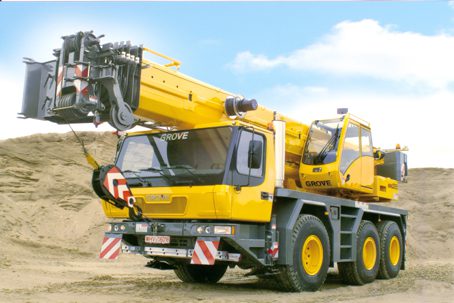
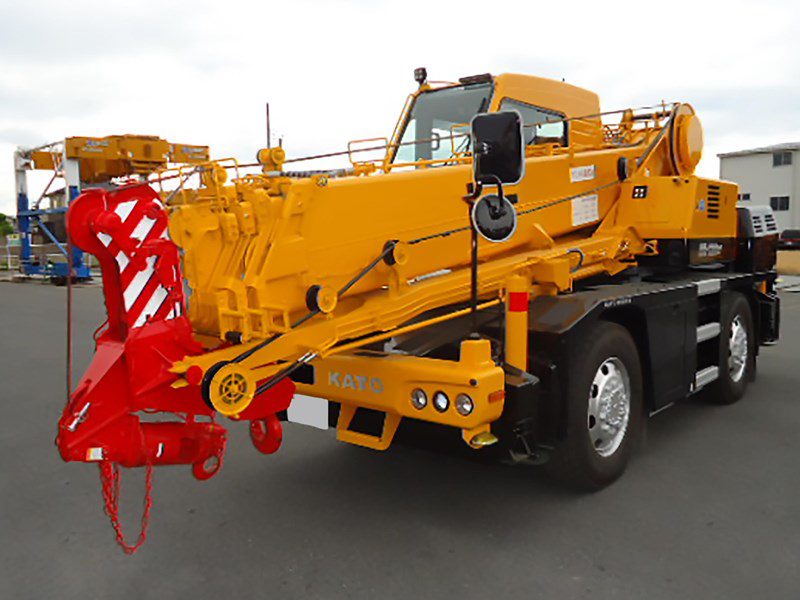
city crane hire sits at the center of this transformation. It provides the means to navigate spatial limitations while maintaining efficiency. Mobile crane hire, for instance, offers flexibility that aligns with the stop-start rhythm of urban infrastructure projects. Whether installing bridge components, supporting utility upgrades, or handling short-duration lifts in busy precincts, mobile cranes can be deployed quickly and removed just as fast, minimizing disruption.
Tower crane hire, by contrast, reflects the permanence of vertical development. These cranes rise with the structures they serve, becoming fixtures on the skyline for months or even years. Their ability to operate continuously at height makes them indispensable for high-rise construction, where materials must be lifted repeatedly and reliably across multiple levels.
In the most constrained environments, luffing crane hire has emerged as a critical solution. With the ability to adjust the angle of the jib, these cranes can operate within narrow airspace envelopes, avoiding interference with neighboring buildings or other equipment. As urban sites grow tighter and more complex, this level of control becomes not just advantageous, but essential.
Different Cranes, Different Stories
Each type of crane tells a different story about the project it supports. Large-scale infrastructure projects—rail expansions, highways, and major bridges—often depend on mobile crane hire for its versatility. These projects unfold across wide areas and changing conditions, requiring equipment that can adapt as the work progresses.
High-rise developments, on the other hand, rely heavily on tower crane hire. Here, the crane is not just a tool but part of the construction system itself. It dictates the pace of work, the sequence of assembly, and even aspects of site design. The presence of a tower crane often marks a long-term transformation, a signal that a new vertical community is taking shape.
Then there are the tight urban infill projects that characterize much of modern city building. In these environments, luffing crane hire becomes indispensable. The ability to operate within confined spaces allows developers to build where traditional methods might fall short, unlocking sites that would otherwise remain underutilized.
These distinctions highlight a broader truth: crane hire is not a one-size-fits-all service. It is a nuanced, highly specialized field that mirrors the diversity and complexity of contemporary construction.
Safety in a Living City
As cranes have become more integral to urban development, the expectations surrounding their operation have intensified. In Australia, safety is not merely a regulatory requirement; it is a public expectation shaped by the proximity of construction to everyday life.
Organizations such as Safe Work Australia play a key role in setting and maintaining these standards. Over time, the regulatory framework governing crane operations has grown more sophisticated, reflecting both technological advancements and lessons learned from past incidents.
Modern crane operations involve meticulous planning. Lift studies account for variables such as load weight, wind conditions, and site constraints. Operators must meet strict licensing requirements, and equipment is subject to regular inspection and certification. These measures are designed not only to protect workers, but also to safeguard the public in increasingly dense urban environments.
Technology has reinforced this focus on safety. Anti-collision systems, load monitoring devices, and real-time communication tools have become standard features, reducing the margin for error. Yet even with these advancements, the human element remains central. Skilled operators and coordinated teams are essential to translating safety protocols into practice.
Technology as a Quiet Revolution
If safety defines the standards of crane hire, technology is reshaping its possibilities. The integration of digital tools into construction has altered how cranes are planned, positioned, and operated.
Building Information Modeling has become a particularly influential development. By simulating crane movements and site conditions before construction begins, project teams can identify potential conflicts and optimize workflows. This proactive approach reduces delays and improves efficiency, allowing projects to proceed with greater certainty.
Advances in crane design have also played a role. Modern machines are more precise, more efficient, and increasingly equipped with automated features that assist operators. Remote monitoring systems provide real-time data on performance and conditions, enabling quicker responses to potential issues.
In a country as vast as Australia, these innovations carry added significance. Projects often span long distances and varied environments, making coordination a complex task. Technology offers a way to bridge these challenges, ensuring consistency across sites and improving overall outcomes.
Pressures Shaping the Industry
The evolution of crane hire is influenced by broader pressures within the construction sector. Economic uncertainty, supply chain disruptions, and labor shortages all affect how projects are delivered. These factors, in turn, shape the demand for different types of cranes and the ways in which they are used.
Sustainability has emerged as another important consideration. As the construction industry faces increasing scrutiny over its environmental impact, crane operations are part of the conversation. Efforts to improve fuel efficiency, reduce emissions, and optimize logistics are gradually gaining traction, though the pace of change varies.
Urban density itself remains both a challenge and a catalyst. It complicates construction, but it also drives innovation, encouraging the development of new techniques and equipment tailored to constrained environments.
The Machinery Behind the Skyline
It is easy to focus on the finished product of construction—the completed tower, the new transport link, the revitalized precinct. Yet these outcomes depend on processes that are less visible, and crane hire is among the most critical.
Through mobile crane hire, tower crane hire, and luffing crane hire, cranes enable the physical realization of urban growth. They make it possible to build higher, faster, and in more complex environments than ever before. In doing so, they shape not just individual projects, but the broader trajectory of city development.
In Australia, where urban centers continue to expand and evolve, this role is only becoming more significant. The cranes that dot the skyline are more than temporary structures; they are indicators of change, tools of transformation, and, in many ways, the quiet architects of the modern city.
To watch them at work is to see the mechanics of progress in motion. Each lift, each adjustment, contributes to a larger narrative—one in which the evolution of crane hire is inseparable from the evolution of the cities themselves.