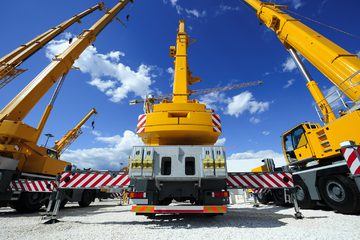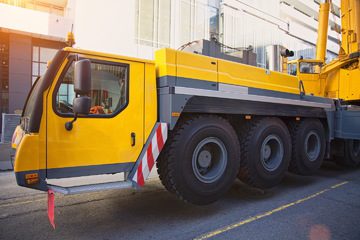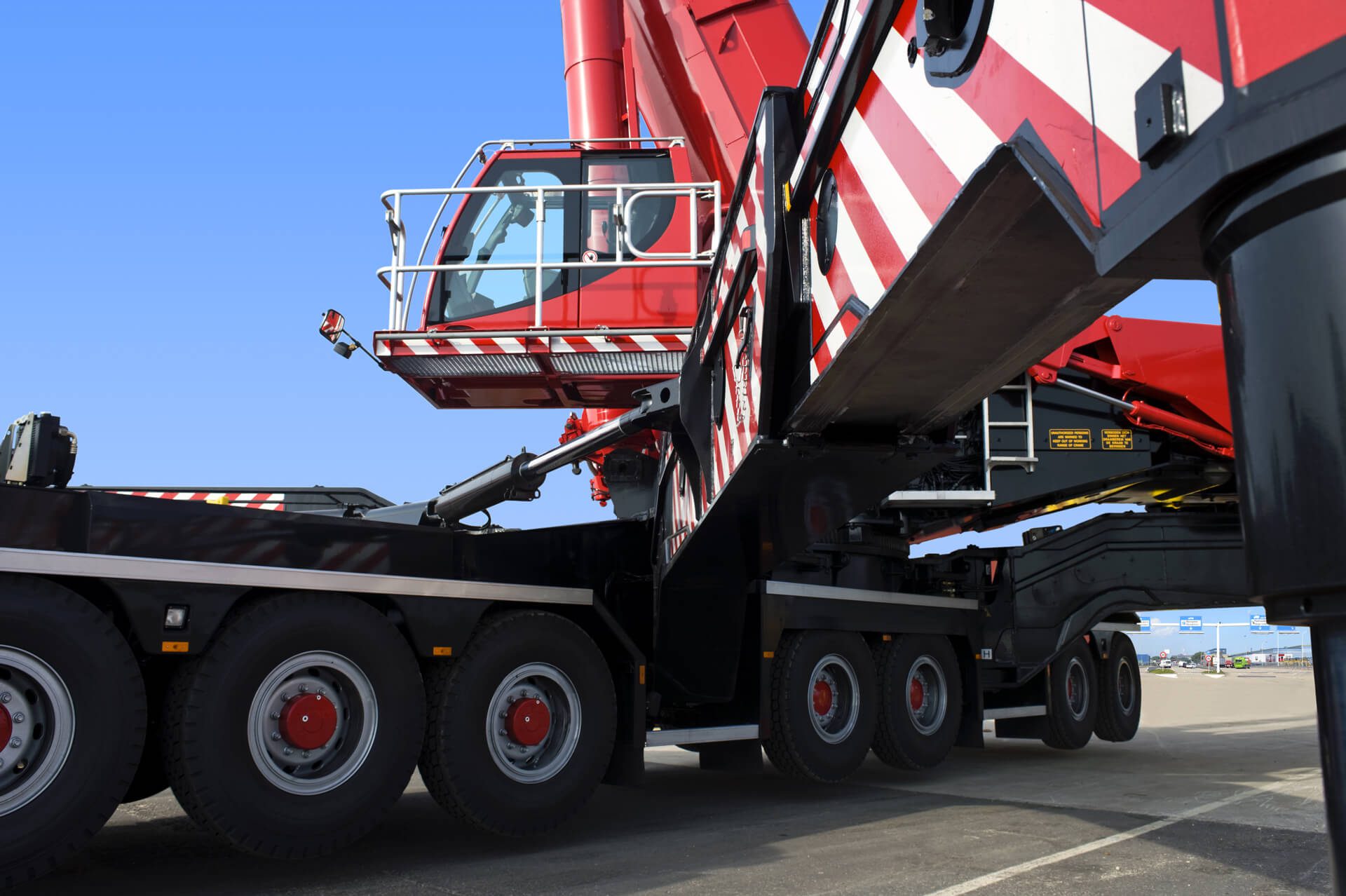
If you want to understand how a city is changing, it helps to look up. In Sydney, Melbourne, and increasingly Brisbane, the skyline has become a shifting grid of steel booms and counterweights. Cranes are so ubiquitous that they risk becoming visual noise—yet they are anything but incidental. They are, in many ways, the operating system of modern construction.
Over the past two decades, the role of crane hire in Australia has evolved from a practical afterthought into a strategic cornerstone. Whether it is mobile crane hire supporting sprawling infrastructure, tower crane hire enabling vertical density, or luffing crane hire navigating tight urban constraints, the choice of crane now shapes not just how projects are built, but what kinds of projects are even possible.
Building Up in a Constrained Landscape
Australia’s major cities are experiencing a familiar global pressure: more people, limited land, and rising expectations around livability. The result has been a steady pivot toward vertical development. Apartment towers, office blocks, and mixed-use precincts now define urban growth far more than suburban expansion once did.
This shift has placed tower crane hire at the centre of the construction process. Tower cranes are uniquely suited to high-rise work, capable of lifting heavy materials to considerable heights while maintaining a relatively small footprint on the ground. But their importance goes beyond their physical capabilities. They allow construction to proceed efficiently in dense environments where space is scarce and disruption must be minimised.
What is striking is how early these cranes enter the conversation. Developers and engineers routinely design projects around crane logistics—factoring in reach, load capacity, and placement before construction begins. The crane is no longer just a tool that follows design; it is part of the design logic itself.
In this sense, tower crane hire fits directly into the broader story of urban density. Without it, the economics and practicality of building upward would look very different. It is not an exaggeration to say that the modern Australian skyline is, in part, a product of the cranes that make it possible.
The Reach of Infrastructure
While high-rise construction captures attention, much of Australia’s building activity takes place beyond the city centre. Transport networks, energy projects, and industrial developments stretch across vast distances, often in environments that are less predictable and more dispersed.
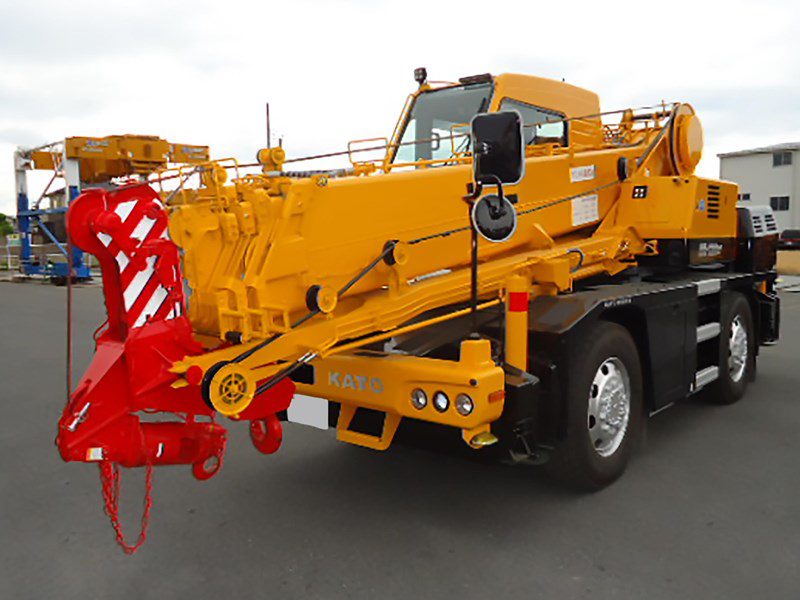
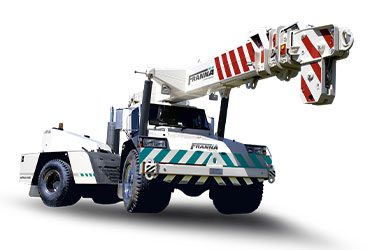
Here, mobile crane hire plays a defining role. These cranes are built for movement, able to travel between sites and adapt to a wide range of conditions. Their versatility makes them indispensable in infrastructure projects, where tasks vary from lifting bridge segments to assembling large mechanical components.
The importance of mobility becomes clearer when you consider the scale of the country. Projects can span hundreds of kilometres, and conditions can change quickly. A fixed crane would struggle to keep pace. Mobile cranes, by contrast, provide a kind of logistical agility, allowing construction teams to respond to shifting demands without losing momentum.
Even in urban contexts, mobile cranes fill critical gaps. They often handle early groundwork and final installations, operating before tower cranes are erected and after they are dismantled. In doing so, they connect different phases of a project, ensuring continuity in a process that rarely unfolds in a straight line.
Working Within the City’s Limits
As cities become denser, construction increasingly takes place within tight physical and regulatory boundaries. Sites are hemmed in by existing buildings, airspace is restricted, and the tolerance for disruption is low. These conditions demand a different kind of precision.
Luffing crane hire has emerged as a response to this challenge. Unlike traditional tower cranes, luffing cranes can adjust the angle of their jib, allowing them to operate within confined spaces. This makes them particularly valuable in crowded urban environments, where avoiding interference with neighbouring structures is essential.
The rise of luffing cranes reflects a broader shift in how development is approached. Building is no longer about clearing space and starting anew; it is about working within an existing urban fabric. Projects must coexist with their surroundings, balancing efficiency with sensitivity to context.
In areas of Sydney where heritage buildings sit alongside modern developments, this balance becomes especially delicate. The ability to control a crane’s movement with precision is not just a technical advantage; it is a prerequisite for building in such environments.
Safety in a More Complex Era
As cranes have become more integral to construction, the expectations surrounding their operation have grown more demanding. Australia’s regulatory framework, shaped by organisations like Safe Work Australia, has long emphasised rigorous standards. But the nature of those standards is evolving.
Modern crane operations involve a complex interplay of factors: load weights, wind conditions, ground stability, and proximity to other structures. In dense urban areas, the consequences of error can extend beyond the construction site, affecting surrounding communities.
Technology has become a key part of managing these risks. Many cranes are now equipped with advanced monitoring systems that track performance in real time. Sensors can detect overload conditions, measure wind speeds, and provide alerts if operations move outside safe limits. Some systems can even restrict movement automatically to prevent accidents.
These innovations have changed the role of the operator. Experience and judgment remain essential, but they are now complemented by data-driven insights. Training has expanded to include not only mechanical skills but also the ability to interpret and respond to digital information.
Safety, in this context, is no longer a fixed set of rules. It is a dynamic process, shaped by technology, regulation, and the specific conditions of each project.
The Economics of Access
Behind these operational changes lies a shift in how construction companies approach investment. Owning cranes has always required significant capital, but in a market characterised by fluctuating demand and diverse project types, ownership can be limiting.
Crane hire offers a more flexible model. Companies can access the equipment they need when they need it, whether that involves mobile crane hire for infrastructure work, tower crane hire for high-rise construction, or luffing crane hire for constrained sites. This approach allows them to adapt to changing conditions without committing to long-term investments.
However, flexibility comes with its own challenges. Coordinating the availability of cranes across multiple projects requires careful planning, and delays can have cascading effects. A crane that arrives late or leaves early can disrupt schedules and increase costs.
As a result, crane hire providers have taken on a more integrated role. They are involved not just in supplying equipment but in planning its use, advising on logistics, and helping to manage risk. Their expertise becomes part of the broader construction process.
Technology and the Future of Lifting
The integration of digital tools into construction is reshaping how cranes are used. Building Information Modelling allows project teams to simulate crane operations before construction begins, identifying potential conflicts and refining plans. This reduces uncertainty and improves efficiency.
Remote monitoring systems provide ongoing insights into crane performance, enabling more effective use of equipment and quicker responses to issues. Data collected from these systems can inform future projects, creating a cycle of continuous improvement.
Automation is also beginning to influence the industry, though its role remains limited. While certain aspects of crane operation can be automated, the complexity of real-world construction sites—particularly in urban environments—means that human oversight is still essential. For now, technology enhances human capability rather than replacing it.
Reading the Skyline Differently
Cranes are often seen as temporary fixtures, disappearing once a project is complete. But their influence extends far beyond their physical presence. The choices made about which cranes to use, and how to use them, shape the form and pace of urban development.
In Australia, the growing reliance on tower crane hire reflects a commitment to vertical growth and efficient land use. The continued importance of mobile crane hire highlights the scale and diversity of infrastructure projects. The rise of luffing crane hire underscores the challenges of building in dense, established cities.
Together, these trends reveal an industry that is adapting to a changing landscape—one that is becoming more flexible, more technologically integrated, and more attuned to the complexities of modern urban life.
If you take a moment to watch a crane in motion, its movements begin to feel almost deliberate, as though it is following a script. In reality, it is responding to a carefully orchestrated set of decisions—about design, logistics, safety, and economics. Those decisions, in turn, shape the cities we inhabit.