There is a quiet, almost methodical rhythm to the way Australian cities are being reshaped. It is not just the visible rise of towers or the steady expansion of highways that tells the story, but the machinery that makes these transformations possible. Among them, cranes stand out—not simply as tools of construction, but as instruments that increasingly determine how, where, and how quickly development unfolds.
To understand modern Australian construction, you have to look beyond finished buildings and into the systems that enable them. Crane hire, once a straightforward logistical choice, now sits at the intersection of engineering, urban planning, and economic pressure. The distinctions between mobile crane hire, tower crane hire, and luffing crane hire are no longer technical footnotes. They are part of a broader conversation about density, infrastructure, and the constraints of contemporary city-making.
The Expanding Edge of the City
Consider Western Sydney, where the scale of transformation is difficult to overstate. What was once a largely suburban expanse is now a focal point for major infrastructure projects—transport links, industrial hubs, and new residential precincts. This is where the role of mobile crane hire western Sydney becomes especially revealing.
Infrastructure projects rarely unfold neatly. A rail extension or motorway upgrade stretches across multiple zones, often requiring construction to proceed in segments while accommodating existing traffic, utilities, and communities. In such conditions, flexibility is not a luxury; it is a requirement.
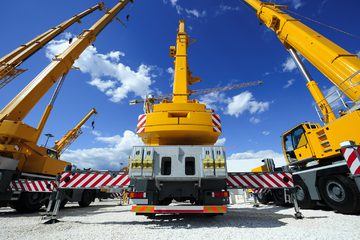
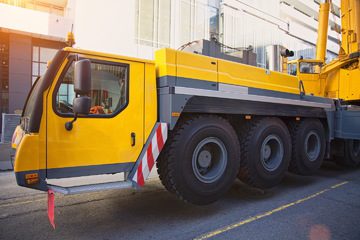
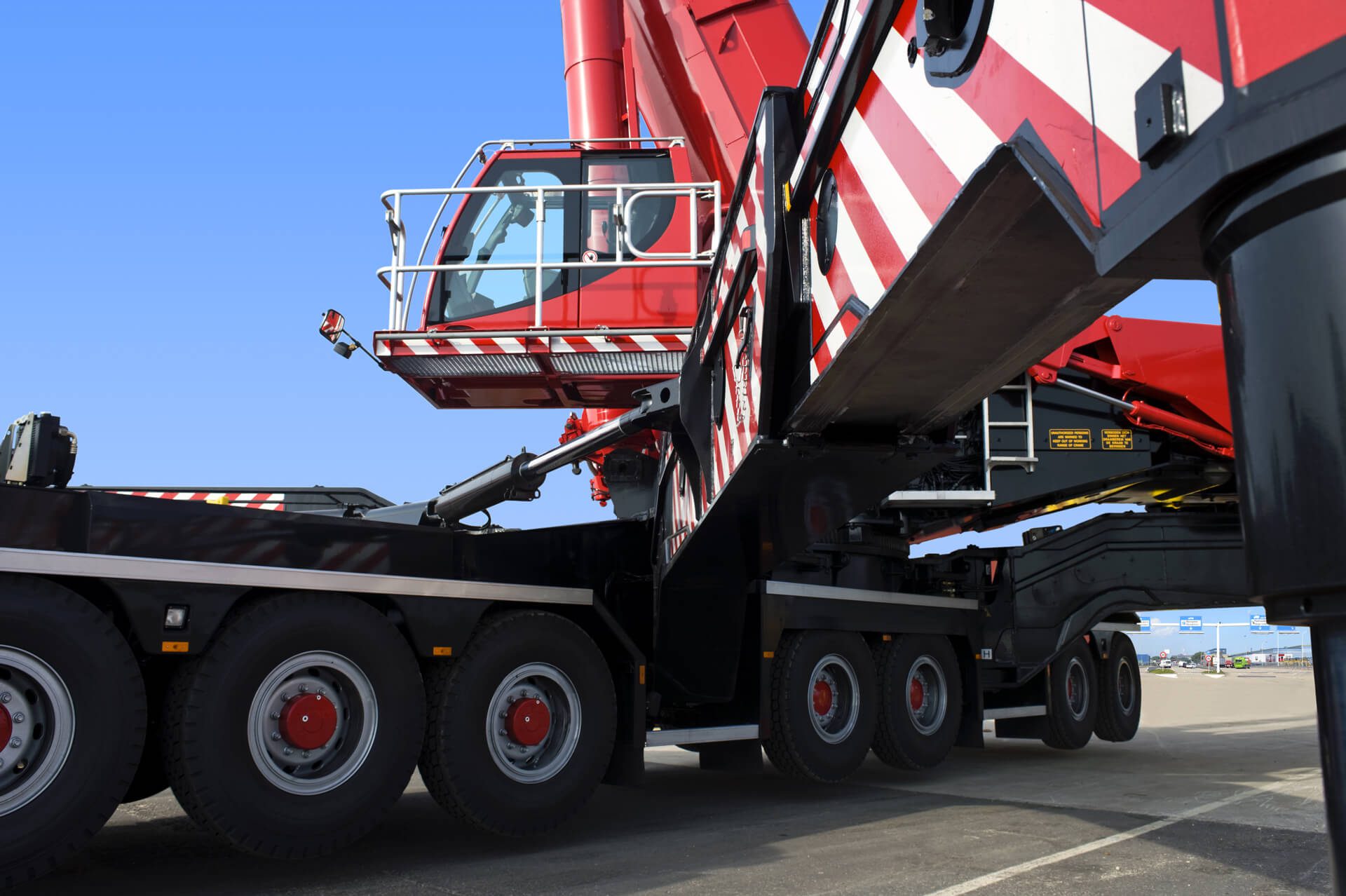
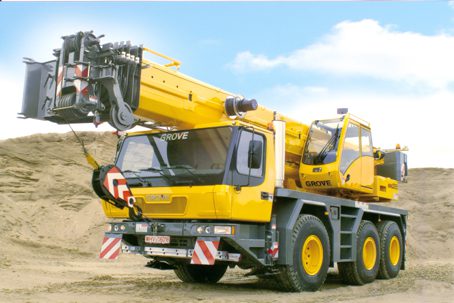
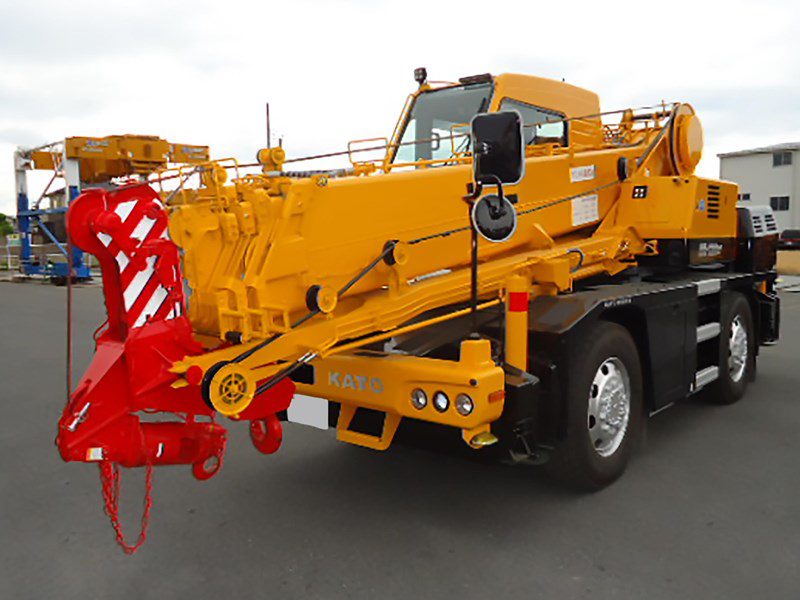
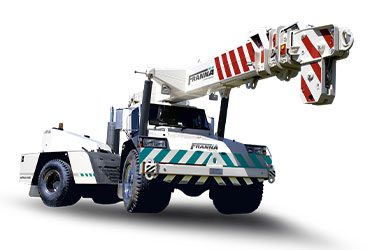
Mobile cranes, mounted on trucks or crawler systems, offer precisely that. They can be deployed quickly, repositioned as needed, and adapted to a range of lifting tasks within a single project. This mobility allows construction teams to respond to shifting site conditions without the delays that come with dismantling and reassembling fixed equipment.
The implications extend beyond efficiency. In densely populated or actively used areas, reducing setup time and minimizing disruption becomes part of the social contract of construction. Projects that move faster and more fluidly impose fewer burdens on surrounding communities. In this sense, mobile crane hire is not just a technical solution but a contributor to how infrastructure integrates into everyday life.
Building Upward, Not Outward
While the edges of cities continue to expand, their centers are undergoing a different kind of transformation. Space is increasingly scarce, and the response has been a decisive turn toward vertical construction. Apartment towers, office buildings, and mixed-use developments now define the skylines of cities like Sydney, Melbourne, and Brisbane.
At the heart of this vertical growth is tower crane hire. Unlike mobile cranes, tower cranes are fixed in place, designed to operate over long periods and to reach considerable heights. Their presence signals a different kind of project—one that unfolds upward, layer by layer, over months or even years.
On these sites, the crane is more than a lifting device. It becomes the organizing force of construction. Materials arrive on the ground but are distributed across multiple levels with precision. Timing is everything. Concrete pours, steel installations, and facade work must align with the crane’s availability and capacity. The entire project, in a sense, revolves around its movements.
This centrality reflects a broader shift in how buildings are conceived. Architects and engineers must account not only for the finished structure but for the process of constructing it. The placement and capabilities of a tower crane influence design decisions, from the sequencing of floors to the positioning of structural elements.
The Challenge of Density
Yet as cities grow denser, even tower cranes face limitations. The very environments that demand vertical construction also impose constraints on how it can be carried out. Narrow sites, close neighboring buildings, and strict planning regulations create a complex set of boundaries.
This is where luffing crane hire has become increasingly significant. Luffing cranes differ from traditional tower cranes in their ability to adjust the angle of their jib. Instead of sweeping a wide horizontal arc, they can raise and lower their arm, allowing for more controlled movement within confined spaces.
In practical terms, this means construction can proceed in locations that would otherwise be too restrictive. In tightly packed urban areas, where oversailing adjacent properties may be prohibited or heavily regulated, luffing cranes offer a way forward. They enable developers to work within the limits imposed by density, rather than being constrained by them.
Their growing use points to a deeper reality: modern construction is as much about navigating constraints as it is about achieving scale. The tools that succeed are those that can adapt to both.
A More Strategic Approach to Lifting
What emerges from these different crane types is a more strategic approach to construction planning. The choice between mobile crane hire, tower crane hire, and luffing crane hire is shaped by a range of factors—project size, site conditions, regulatory requirements, and timelines.
A large-scale infrastructure project may rely heavily on mobile cranes for their adaptability. A high-rise development will almost certainly depend on tower cranes for sustained lifting at height. A constrained inner-city site may require the precision of a luffing crane to operate safely and legally.
These decisions are not made in isolation. They influence budgets, schedules, and even the feasibility of a project. Increasingly, they are considered early in the planning process, integrated into the broader design and engineering strategy.
Safety in a Complex Environment
As the role of cranes has expanded, so too have expectations around safety. Australia’s construction industry operates within a comprehensive regulatory framework, with strict guidelines governing crane operations, operator qualifications, and site management.
These regulations reflect the inherent risks involved. Cranes handle heavy loads, often at significant heights, in environments that can be unpredictable. Weather conditions, ground stability, and human factors all play a role. Managing these risks requires a combination of clear standards and constant vigilance.
Over time, the approach to safety has evolved from reactive to proactive. Modern cranes are equipped with systems that monitor load weights, wind speeds, and operational limits in real time. These technologies provide operators with immediate feedback, helping to prevent accidents before they occur.
Training has also become more sophisticated. Operators are expected to understand not only the mechanics of the crane but the data it produces. This shift reflects a broader trend in construction, where digital tools are becoming integral to day-to-day operations.
Technology and the Future of Crane Hire
Innovation is reshaping crane hire in ways that extend beyond safety. Telematics systems allow companies to track equipment usage, monitor performance, and anticipate maintenance needs. This data-driven approach improves efficiency and reduces downtime, ensuring that cranes are available when and where they are needed.
Automation is beginning to make its presence felt as well. Features such as assisted lifting and collision avoidance are becoming more common, reducing the margin for human error. While fully autonomous cranes remain a future prospect, the direction of travel is clear.
Environmental considerations are also influencing the industry. As Australia moves toward stricter emissions targets, the construction sector faces pressure to reduce its environmental impact. In response, manufacturers and hire companies are exploring more sustainable options, including hybrid and electric cranes.
These developments are still emerging, but they point to a future in which crane hire is not only more efficient and safer, but also more aligned with broader environmental goals.
The Invisible Framework of Urban Growth
Cranes are among the most visible elements of construction, yet their significance often goes unremarked. They do not appear in glossy architectural renderings, nor do they feature prominently in discussions about urban policy. And yet, without them, the pace and scale of modern development would be impossible.
In Australia, where cities are growing both outward and upward, crane hire has become a critical enabler of progress. It connects planning to execution, translating abstract designs into tangible structures.
To watch a crane at work is to see a process that is both precise and deliberate. Each movement is calculated, each lift part of a larger sequence. It is a reminder that cities are not built in grand gestures, but in countless incremental actions.
As urban pressures continue to mount—driven by population growth, economic change, and environmental constraints—the role of crane hire will only become more central. It is not simply about lifting materials. It is about enabling a way of building that can meet the demands of a complex and evolving landscape.
In the end, cranes do more than shape skylines. They shape the conditions under which cities are made, reflecting the challenges and possibilities of building in the twenty-first century.