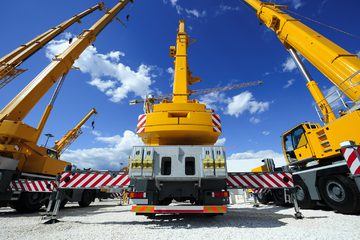
Stand on almost any busy street in Sydney or Melbourne and look up. The skyline is rarely still. Steel arms stretch across the air, pivoting with deliberate calm, lifting concrete, glass, and steel into place. These cranes, so ordinary they often escape notice, are in fact among the most telling indicators of how Australian cities are evolving. Their presence signals not just construction, but a deeper shift in how urban growth is planned, financed, and executed.
At the center of this shift is an increasingly sophisticated reliance on crane hire—an approach that has transformed from a logistical convenience into a strategic necessity. To understand modern construction in Australia, it helps to see crane hire not as a supporting service, but as a core mechanism through which cities take shape.
A More Flexible Way to Build
There was a time when large construction firms maintained their own fleets of cranes, treating them as long-term assets. That model, while still present in some corners, has steadily given way to a more flexible system. Today, mobile crane hire, tower crane hire, and luffing crane hire allow builders to match equipment precisely to the demands of each project phase.
This shift reflects the realities of contemporary construction. Projects are more complex, timelines tighter, and financial pressures more acute. Owning heavy machinery outright can tie up capital and limit adaptability. Hiring, by contrast, introduces a level of responsiveness that aligns with the fluid nature of modern development.
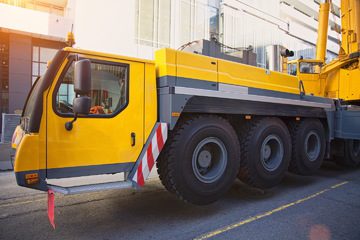
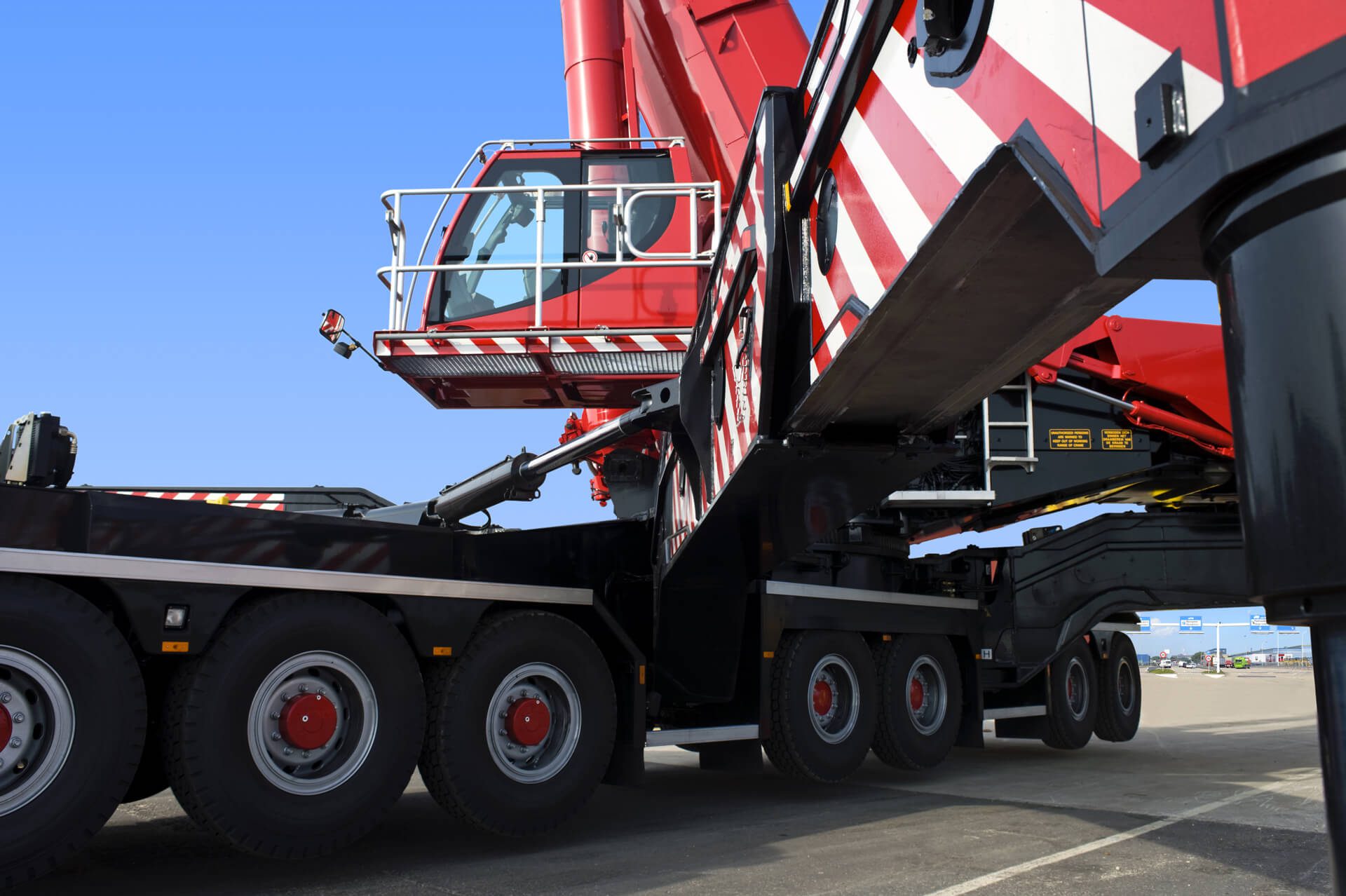
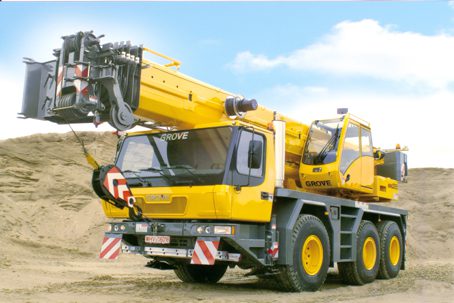
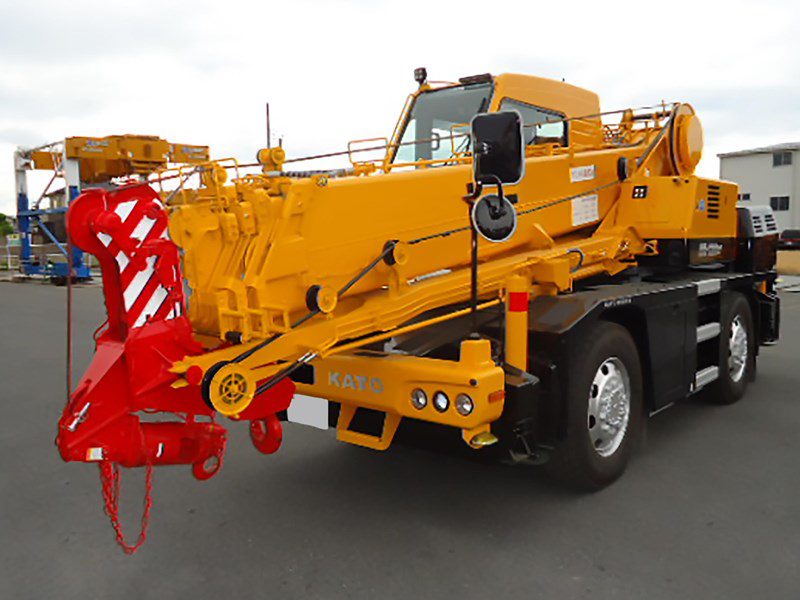
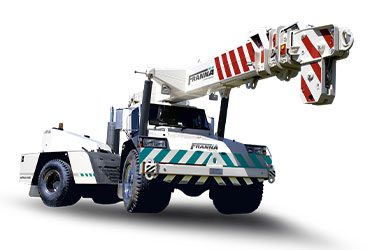
Mobile crane hire illustrates this well. These cranes are designed for movement and rapid deployment, making them indispensable in early-stage construction and infrastructure work. Whether placing prefabricated components on a highway project or assisting with bridge assembly in regional areas, mobile cranes provide the kind of versatility that static equipment cannot. In a country as geographically expansive as Australia, where construction often occurs far from urban centers, that mobility is not just useful—it is essential.
Building Upward, Building Smarter
As Australia’s major cities grapple with population growth and land constraints, the direction of expansion has increasingly turned vertical. High-rise residential towers, mixed-use developments, and commercial buildings are becoming defining features of urban landscapes. And with this vertical ambition comes a reliance on tower crane hire.
Tower cranes are uniquely suited to high-rise construction. Their height and reach allow them to transport heavy materials across large footprints and up multiple levels with precision. But their importance lies not only in their capabilities; it lies in how they structure the entire construction process.
On a dense city site, the placement of a tower crane is often one of the first and most consequential decisions. It determines how materials flow, how work is sequenced, and how efficiently a project progresses. In this sense, tower crane hire becomes a form of planning as much as execution. It is less about lifting materials and more about orchestrating the complex choreography of construction in confined spaces.
This orchestration becomes even more intricate as cities grow tighter.
Navigating the Constraints of Density
Urban density introduces a new set of challenges—ones that cannot always be addressed by traditional equipment. In areas where buildings stand close together and airspace is limited, the margin for error narrows considerably. This is where luffing crane hire has gained prominence.
Unlike conventional tower cranes, which operate with a fixed horizontal jib, luffing cranes can raise and lower their arm. This seemingly simple adjustment allows them to operate within tighter envelopes, avoiding interference with nearby structures and other cranes. In cities like Sydney, where multiple high-rise projects often unfold side by side, this capability is critical.
Luffing cranes are, in many ways, a response to the realities of modern urbanism. They reflect an industry adapting to constraints not by slowing down, but by becoming more precise. Their growing use highlights how crane hire has evolved beyond basic functionality into a nuanced, highly specialized field.
Safety in an Era of Complexity
With greater specialization comes heightened responsibility. Crane operations are inherently high-risk, and in Australia, they are governed by some of the most stringent safety standards in the world. Yet the nature of these standards has shifted over time.
Safety is no longer confined to compliance checklists or on-site protocols. It is increasingly embedded in the earliest stages of project design. Decisions about which type of crane to hire, where to position it, and how it will interact with its surroundings are all made through the lens of risk mitigation.
This proactive approach is supported by advances in technology. Modern cranes are equipped with systems that monitor load limits, wind speeds, and operational parameters in real time. Digital modeling tools allow engineers to simulate crane movements before they are ever installed on site, identifying potential conflicts and optimizing performance.
These developments are particularly relevant in Australia, where environmental conditions can be unpredictable. High winds, extreme temperatures, and varying terrain all influence how cranes operate. Technology does not eliminate these challenges, but it does make them more manageable, allowing operators to respond with greater confidence and precision.
The Economics Behind the Machinery
Beneath the technical considerations lies a set of economic realities that continue to shape the industry. Construction in Australia faces persistent pressures: rising material costs, labor shortages, and the demand for faster project delivery. In this context, crane hire offers a form of financial agility.
By relying on hired equipment, companies can avoid the substantial upfront costs associated with purchasing and maintaining cranes. More importantly, they can scale their resources in line with project needs. A high-rise development may require tower crane hire for an extended period, followed by mobile crane hire during the final stages. This ability to adapt without long-term commitments is a significant advantage in an uncertain market.
At the same time, the crane hire sector itself has become more competitive and technologically advanced. Providers are investing in newer, more efficient machines and integrating digital tools that enhance performance and reliability. The result is a feedback loop in which innovation in crane technology supports more ambitious construction, which in turn drives further innovation.
A Subtle but Defining Presence
For all their size and visibility, cranes occupy a curious place in public perception. They are both prominent and overlooked, essential yet rarely discussed. And yet, their influence on the built environment is profound.
Consider the alternative. Without the flexibility of mobile crane hire, infrastructure projects would face greater logistical constraints. Without tower crane hire, the pace and scale of high-rise construction would be significantly limited. Without luffing crane hire, many urban projects simply would not be feasible within the confines of dense cityscapes.
In this sense, cranes are not just tools of construction; they are enablers of urban possibility. They allow cities to grow upward rather than outward, to make efficient use of limited space, and to respond to the demands of a changing population.
Looking Ahead
The future of crane hire in Australia is likely to be shaped by the same forces that have driven its evolution thus far: urban density, technological advancement, and economic pressure. But new considerations are also emerging.
Sustainability, for instance, is becoming an increasingly important factor. The construction industry is under growing scrutiny to reduce its environmental impact, and crane operations are part of that equation. More efficient machines, alternative energy sources, and smarter planning all have a role to play in reducing emissions and improving overall sustainability.
There is also the question of workforce skills. As cranes become more technologically advanced, the demands on operators and engineers increase. Training and expertise will be critical in ensuring that the industry can fully leverage new capabilities while maintaining high safety standards.
What seems clear is that crane hire will remain central to how Australia builds. It will continue to evolve, adapting to new challenges and opportunities, but its fundamental role will endure.
The next time you find yourself beneath a skyline in flux, it may be worth pausing for a moment. Those cranes overhead are doing more than lifting materials. They are quietly shaping the cities in which millions of people live and work. And in their steady, methodical movements, they offer a glimpse into the complex, often unseen systems that make modern urban life possible.