Sydney’s construction landscape is defined by vertical ambition. From transport interchanges to residential towers and mixed-use precincts, the city’s growth increasingly depends on building up rather than out. In this environment, tower crane hire has moved from being a specialist logistical decision to a core strategic consideration. The choice of lifting infrastructure now shapes productivity, safety outcomes, and the economic viability of major projects, particularly in dense urban conditions.
Understanding why tower crane hire has become so central requires examining how it fits within modern construction practices, regulatory frameworks, and technological change across New South Wales and Australia more broadly.
Tower Crane Hire and the Economics of Urban Construction
At its most basic level, tower crane hire addresses a fundamental constraint in Sydney construction: limited space. Urban sites are often constrained by neighbouring buildings, roadways, and active public spaces. Traditional ground-based lifting solutions can struggle to operate efficiently under these conditions. Tower cranes, by contrast, occupy a relatively small footprint while offering extensive vertical and horizontal reach.
For large contractors, tower crane hire allows capital expenditure to be shifted into predictable operating costs. Rather than purchasing, storing, and maintaining heavy lifting equipment, project teams can align crane capacity with project timelines. This flexibility is particularly relevant in Sydney, where construction schedules are sensitive to weather, labour availability, and regulatory approvals. The ability to scale crane capacity up or down reduces financial exposure when projects face delays or scope changes.
From a broader economic perspective, tower crane hire supports the city’s ability to deliver high-density housing and infrastructure at scale. Without reliable vertical lifting systems, many projects would face extended timelines and higher labour costs, affecting both private investment and public infrastructure delivery.
Deploying Tower Cranes Across Project Types
The strategic value of tower crane hire becomes clearer when comparing how cranes are deployed across different construction contexts. In high-rise residential developments, tower cranes function as the central material handling system. Concrete, steel, formwork, and prefabricated components are lifted repeatedly and predictably, allowing floors to be completed in rapid cycles. Consistency and uptime are critical, as any interruption can halt multiple downstream trades.
Infrastructure projects present a different challenge. While not always vertical in nature, large transport or utility builds often involve heavy components and complex sequencing. Luffing-jib tower cranes are frequently used where oversailing neighbouring properties must be minimised. Their ability to adjust jib angles makes them suitable for sites near rail corridors or active roads, where airspace control is tightly regulated.
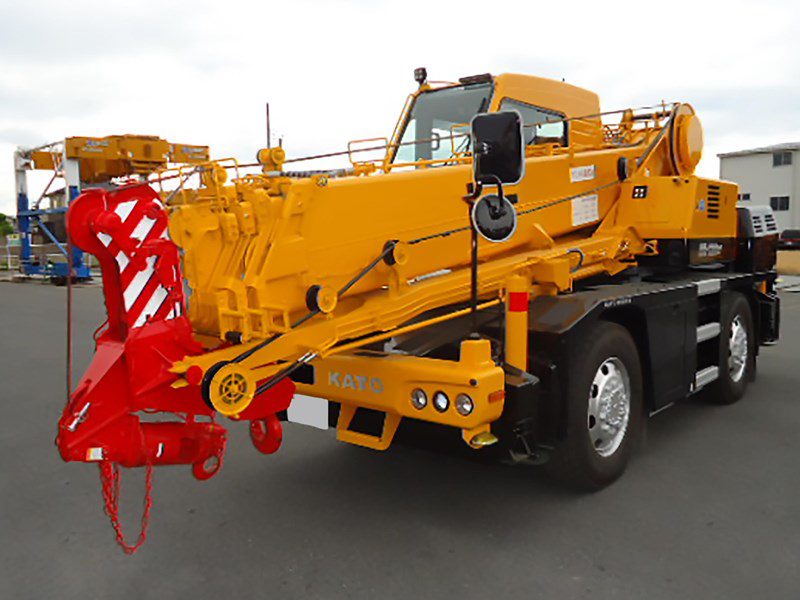
In regional and peri-urban areas, including projects that rely on tower crane hire southern highlands, the context shifts again. Sites may offer more space, but logistical challenges such as access roads, weather variability, and workforce availability influence crane selection. Here, tower crane hire is often combined with mobile cranes, reflecting a hybrid approach that balances reach with mobility.
Comparing these applications highlights an important distinction. Tower cranes are not a one-size-fits-all solution. Their effectiveness depends on careful integration with site layout, construction methodology, and surrounding land use.
Technology, Precision, and Modern Crane Operations
Technological advancement has reshaped how tower crane hire is approached in Australia. Modern cranes increasingly incorporate digital load monitoring, anti-collision systems, and real-time data reporting. These features are not merely enhancements; they are becoming standard expectations on complex Sydney sites.
Anti-collision technology is particularly relevant in precincts where multiple cranes operate simultaneously. Sensors and control software help prevent overlapping slewing paths, reducing the risk of incidents that could have severe safety and legal consequences. Similarly, load moment indicators provide operators with continuous feedback, supporting compliance with safe working load limits under Australian Standards.
Remote monitoring systems allow project managers to track crane utilisation and downtime. This data informs scheduling decisions and helps identify inefficiencies. Over time, such insights contribute to more accurate project planning and cost forecasting, reinforcing the strategic appeal of tower crane hire over ad hoc lifting solutions.
Safety Standards and Regulatory Oversight in Australia
Safety considerations underpin every discussion of tower crane hire. In Australia, crane operations are governed by a combination of national standards and state-based regulation. AS 2550 and AS 1418 set out requirements for the safe use, testing, and maintenance of cranes. These standards are supported by Work Health and Safety legislation enforced by bodies such as SafeWork NSW.
For Sydney projects, compliance extends beyond equipment certification. Operators must hold appropriate high-risk work licences, and lift plans are required for complex or high-risk operations. Regular inspections and documented maintenance are mandatory, particularly for long-term tower crane installations.
The regulatory environment also addresses community impact. Noise, oversailing, and working-at-height risks are scrutinised during planning approvals. Tower crane hire providers and principal contractors must demonstrate that crane operations will not unreasonably affect neighbouring properties or public safety. This scrutiny reinforces the importance of experienced planning and conservative operational assumptions.
Urban Density and the Case for Vertical Logistics
Sydney’s increasing density amplifies the logistical advantages of tower cranes. As sites become tighter, horizontal material movement becomes less practical. Vertical logistics, supported by tower crane hire, allows materials to be delivered directly to the point of use, reducing on-site handling and storage requirements.
This approach aligns with broader industry trends toward prefabrication and modular construction. Components manufactured off-site can be lifted into place with precision, shortening build times and improving quality control. Tower cranes play a central role in enabling these methods, particularly on multi-storey projects where repeated lifts follow a predictable pattern.
The same logic applies, albeit at a different scale, in regions that rely on tower crane hire southern highlands. While density may be lower, projects increasingly adopt urban construction techniques to improve efficiency and reduce environmental impact. Tower cranes support these objectives by minimising ground disturbance and optimising material flows.
Challenges and Limitations of Tower Crane Hire
Despite its advantages, tower crane hire is not without challenges. Installation and dismantling require careful planning and often involve road closures or specialised mobile cranes. In Sydney, these activities must be coordinated with local councils and transport authorities, adding complexity to project schedules.
Weather is another factor. High winds can restrict crane operations, particularly for taller installations. While modern cranes are designed to withstand significant loads, operational limits still apply, and downtime must be factored into project planning.
There is also a skills dimension. Experienced operators, riggers, and maintenance personnel are essential for safe and efficient crane use. Skills shortages can place pressure on the industry, particularly during periods of high construction activity.
A Strategic Tool in a Complex Market
When viewed through an editorial lens, tower crane hire emerges not as a procurement decision but as a strategic tool. It reflects how Sydney builds, how it manages risk, and how it balances growth with safety and regulation. The same principles extend beyond the metropolitan area, shaping projects that depend on tower crane hire southern highlands and other regional markets.
As Australia continues to urbanise and invest in infrastructure, the role of tower cranes will remain closely tied to policy, technology, and workforce capability. Their presence on the skyline is more than symbolic. It signals an industry adapting to constraint through vertical efficiency, regulatory discipline, and increasingly sophisticated engineering solutions.
In that sense, the prevalence of tower crane hire across Sydney is less about convenience and more about necessity. It represents a practical response to the realities of modern construction, where space is scarce, expectations are high, and the margin for error continues to narrow.