Australia’s construction sector is once again at the centre of national economic and urban debate. From transport corridors and energy infrastructure to high-rise residential towers and commercial precincts, the physical transformation of Australian cities depends on a class of machinery that rarely attracts public attention but quietly determines what can and cannot be built. Crane systems, particularly luffing crane hire, tower crane hire, and mobile crane hire, now sit at the intersection of engineering capability, urban density, safety regulation, and technological innovation.
As cities such as Sydney, Melbourne, and Brisbane continue to grow upward rather than outward, the role of cranes has become both more complex and more strategic. The choice of crane type is no longer a purely operational decision; it reflects land constraints, planning approvals, environmental limits, and community expectations around safety and disruption.
The Strategic Importance of Cranes in Modern Australian Construction
Australia’s construction landscape is defined by a mix of sprawling infrastructure projects and highly constrained urban developments. Large-scale road, rail, and energy projects often require flexibility and rapid deployment, while inner-city construction must operate within tight airspace, noise, and safety constraints. In this environment, crane selection plays a decisive role in project feasibility and delivery timelines.
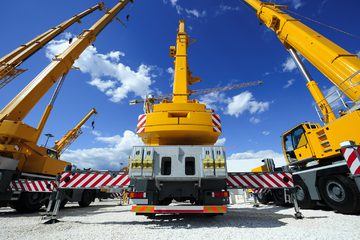
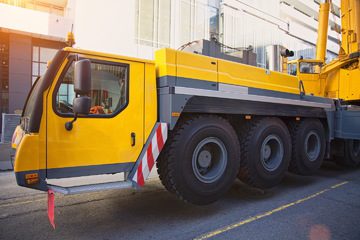
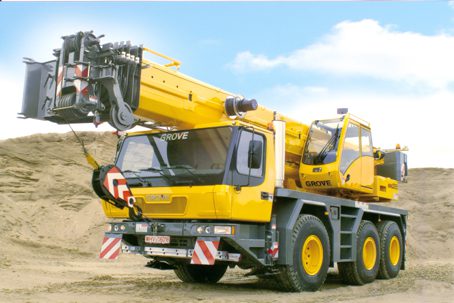
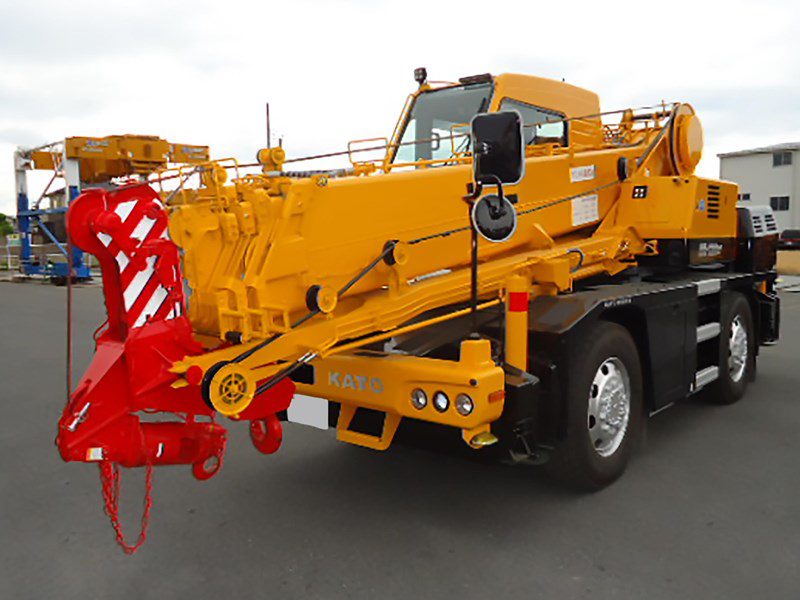
Mobile crane hire remains central to early-stage works, infrastructure upgrades, and regional construction, where sites demand versatility and rapid relocation. Tower crane hire, by contrast, underpins the delivery of major high-rise developments, providing the height and lifting capacity needed for vertical construction. Increasingly, however, luffing crane hire has emerged as a critical solution for dense urban environments, particularly where neighbouring buildings, flight paths, or planning regulations restrict horizontal movement.
Together, these crane systems form an integrated lifting ecosystem that supports Australia’s evolving built environment.
Luffing Crane Hire and the Challenges of Dense Urban Development
The rise of luffing crane hire reflects a broader shift in how Australian cities are built. Unlike traditional tower cranes with long horizontal jibs, luffing cranes feature adjustable booms that can be raised or lowered as required. This design allows operators to limit oversail into neighbouring properties and manage airspace more precisely.
In central business districts, where multiple projects often operate simultaneously within a small radius, this capability is essential. Planning authorities increasingly require developers to demonstrate how crane movements will avoid infringing on adjacent sites or public spaces. Luffing cranes, with their reduced swing radius, offer a practical response to these regulatory pressures.
Beyond compliance, luffing cranes also address safety and community concerns. By minimising the area over which loads travel, they reduce exposure risks for workers, pedestrians, and nearby structures. As urban residents become more vocal about construction impacts, these considerations carry growing weight in project approvals.
Tower Crane Hire and Vertical Growth
Despite the growth of luffing cranes, tower crane hire remains the backbone of high-rise construction across Australia. Traditional hammerhead and flat-top tower cranes provide the height, stability, and lifting capacity required for large-scale residential and commercial towers.
In less constrained sites, particularly in outer CBD zones or large redevelopment precincts, tower cranes offer efficiency advantages. Their long reach allows materials to be distributed across expansive floor plates, supporting faster construction cycles. For projects involving repetitive lifts, such as prefabricated components or structural steel, tower cranes deliver predictable performance over extended build periods.
Technological advances have also strengthened the position of tower cranes. Modern systems incorporate advanced load monitoring, anti-collision software, and real-time wind analysis, improving both safety and productivity. These features are increasingly standard expectations rather than optional enhancements, reflecting the industry’s broader shift toward data-driven construction management.
Mobile Crane Hire and Infrastructure Flexibility
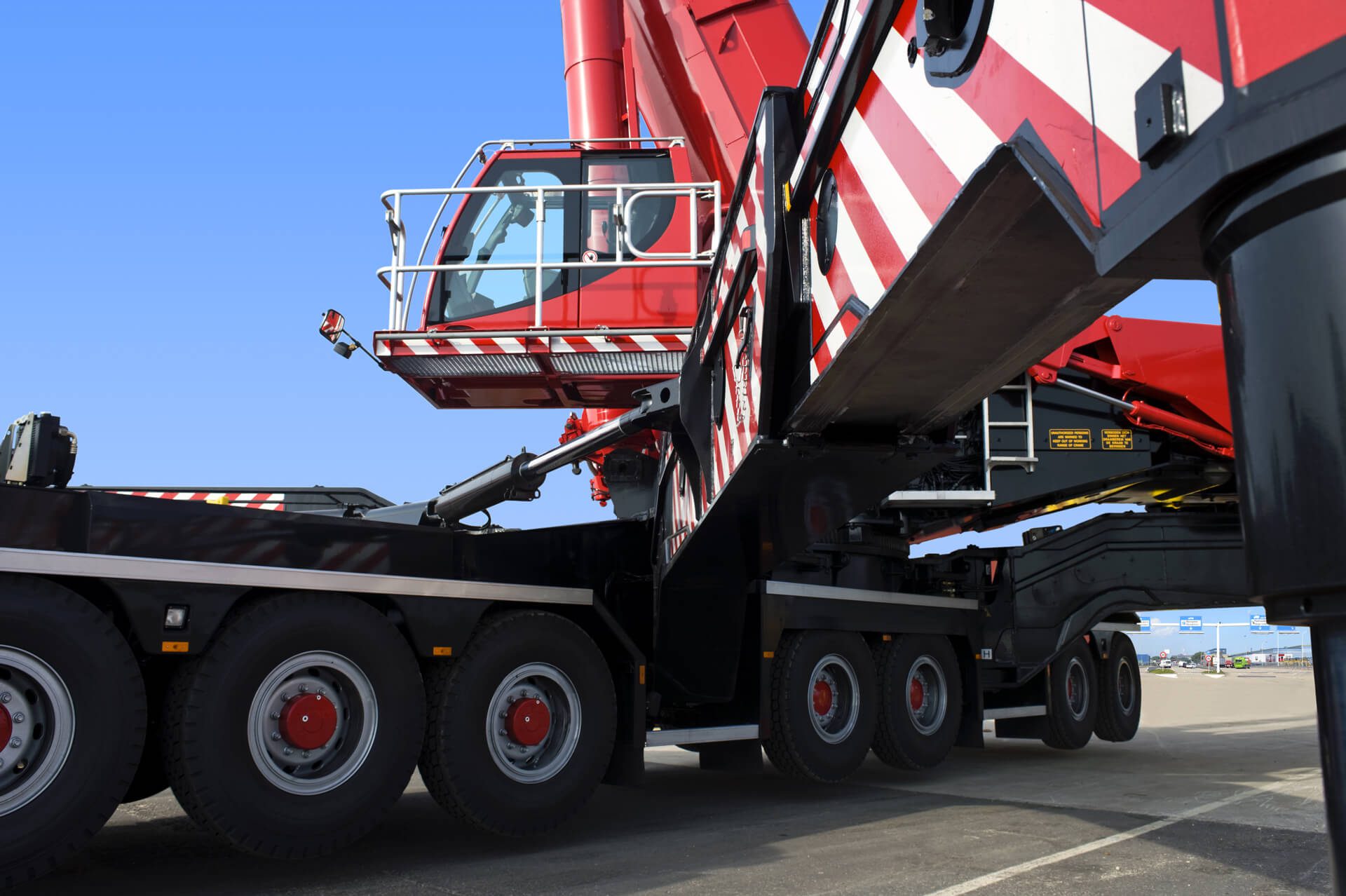
While tower and luffing cranes dominate skylines, mobile crane hire continues to play a vital role in Australia’s infrastructure and civil construction sectors. Mobile cranes offer unmatched flexibility, capable of operating across multiple sites with minimal setup time.
In transport infrastructure projects, such as bridge construction or rail upgrades, mobile cranes are often used for heavy lifts, component placement, and maintenance works. Their ability to be deployed quickly is particularly valuable in projects that must minimise disruption to existing services or operate within limited shutdown windows.
Mobile cranes also serve as complementary systems on high-rise sites, supporting tasks such as crane erection, facade installation, and mechanical plant placement. In this sense, mobile crane hire is less a substitute for tower systems than an essential supporting element within complex construction logistics.
Safety Standards and Regulatory Oversight
Safety remains the defining concern across all crane operations in Australia. The country’s work health and safety framework imposes stringent obligations on crane operators, principal contractors, and site managers. Compliance extends beyond equipment certification to include operator licensing, lift planning, and ongoing risk assessments.
For luffing crane hire and tower crane hire in urban environments, regulators place particular emphasis on oversail agreements, exclusion zones, and wind management. High-profile incidents in recent years have reinforced the importance of rigorous planning and real-time monitoring, especially as cranes operate at greater heights and in closer proximity to occupied buildings.
Technological tools now play a central role in meeting these expectations. Digital lift plans, automated load limiters, and remote condition monitoring help identify risks before they escalate. These systems also provide valuable documentation, supporting regulatory compliance and post-incident analysis.
Technology and the Future of Crane Operations
Innovation is reshaping crane operations in ways that extend beyond mechanical performance. Telematics, automation, and integration with building information modelling systems are changing how cranes are planned and utilised on site.
For complex projects, crane positioning and sequencing are now often simulated digitally before construction begins. This approach allows project teams to test different crane configurations, assess potential conflicts, and optimise workflows. In dense urban settings, such simulations are particularly valuable in demonstrating compliance with planning conditions related to airspace and safety.
Automation is also gaining traction, with features such as semi-autonomous load positioning and enhanced operator assistance improving precision and reducing fatigue. While fully autonomous cranes remain a future prospect, incremental advances are already delivering measurable safety and productivity benefits.
An Evolving Role in Urban Australia
The growing prominence of luffing crane hire, alongside established tower crane hire and mobile crane hire, reflects deeper changes in how Australia builds. Urban densification, stricter regulation, and rising community expectations have transformed cranes from simple lifting tools into strategic assets.
For policymakers, developers, and construction professionals, understanding the capabilities and limitations of each crane type is increasingly important. Decisions made at the planning stage can influence not only construction efficiency but also public safety, project approval timelines, and long-term urban outcomes.
As Australia continues to invest in both infrastructure renewal and vertical urban growth, cranes will remain a defining feature of the construction landscape. Their evolution mirrors the broader challenges facing the sector: building more, in less space, under closer scrutiny, and with higher expectations of safety and sustainability.