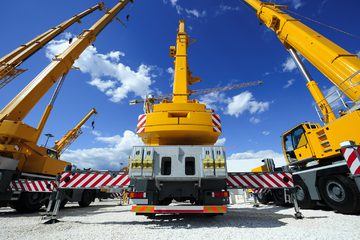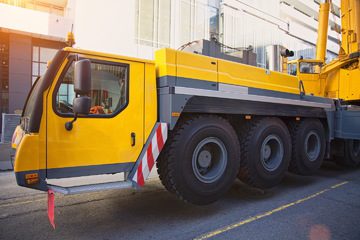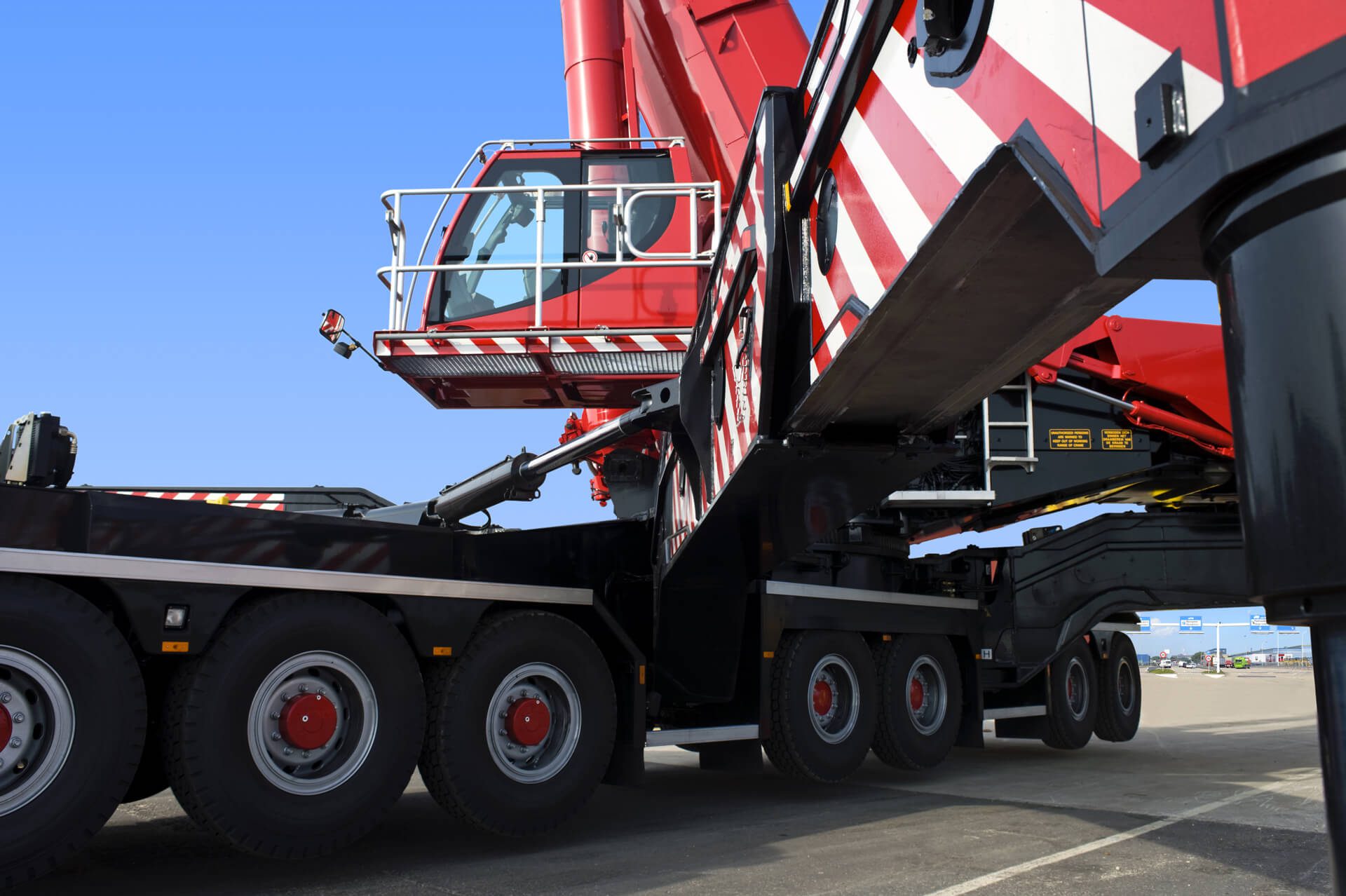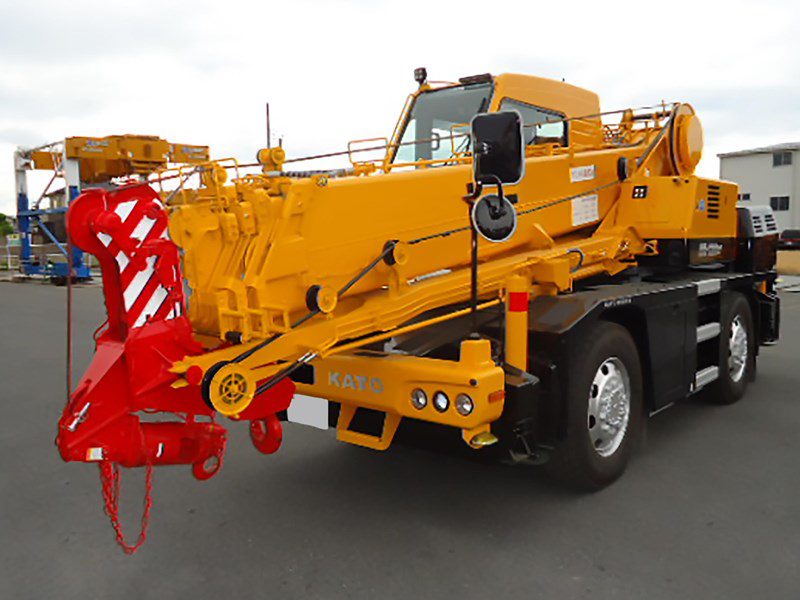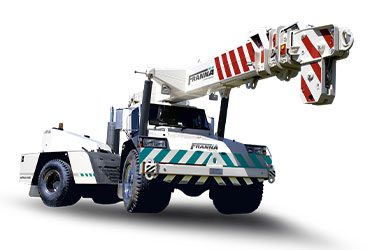
The Sydney skyline has undergone a dramatic transformation since 1990, with residential towers, commercial complexes, and infrastructure projects reshaping the city’s urban fabric. Behind this vertical expansion lies a critical yet often overlooked component of modern construction: the specialised heavy lifting equipment that makes high-rise development possible. For more than thirty years, construction professionals across New South Wales have demonstrated a consistent preference for contracting rather than purchasing this essential machinery, a decision rooted in economic pragmatism, regulatory complexity, and the evolving demands of urban development.
The Economics of Equipment Access in Construction
The Australian construction sector operates within unique financial constraints that distinguish it from other global markets. Capital expenditure on heavy machinery represents a substantial burden for building firms, particularly when projects vary significantly in scale, duration, and technical requirements. A single piece of major lifting equipment can cost several million dollars, requiring maintenance, storage, insurance, and operator training that extends well beyond the initial purchase price.
Tower crane hire has emerged as the predominant model because it transforms fixed capital costs into variable operating expenses. This approach allows construction companies to match equipment costs directly to project timelines, avoiding the financial liability of idle machinery between contracts. In Sydney’s competitive construction environment, where margins remain under pressure from labour costs, material price fluctuations, and stringent compliance requirements, this flexibility provides crucial financial breathing room.
The model also addresses technological obsolescence. Heavy lifting equipment advances rapidly, with improvements in load capacity, reach, safety systems, and automation occurring on regular cycles. Firms that commit to purchasing equipment risk holding assets that become outdated within five to seven years, whereas contracting arrangements allow access to current technology without the depreciation burden.
Regulatory Frameworks Shaping Equipment Deployment
Australia maintains some of the world’s most rigorous safety standards for construction equipment, governed by frameworks including AS 1418 and AS 2550, which establish detailed requirements for design, installation, operation, and maintenance of cranes. WorkSafe NSW and SafeWork Australia enforce compliance through regular inspections, mandatory certifications, and substantial penalties for violations.
These regulatory demands create significant operational complexity for construction firms. Each piece of lifting equipment requires registration with the relevant state authority, regular engineering inspections, documented maintenance schedules, and operators holding current high-risk work licenses. The administrative burden of maintaining compliance across multiple pieces of owned equipment can overwhelm smaller and medium-sized construction companies that lack dedicated safety and compliance departments.
Professional equipment providers specialise in navigating this regulatory landscape, employing full-time compliance officers, maintaining inspection schedules, and ensuring all machinery meets current standards. When construction firms engage these specialists, they effectively transfer regulatory risk and administrative overhead to organisations with the expertise and systems to manage it efficiently. This risk transfer has become increasingly valuable as penalties for safety violations have escalated and public scrutiny of construction site safety has intensified.
Geographic Considerations in Equipment Distribution
Sydney’s construction market presents distinct geographic challenges that influence equipment deployment strategies. Tower crane hire western Sydney has grown substantially as development pressure has pushed outward from the central business district into suburbs including Parramatta, Liverpool, Penrith, and Blacktown. These areas have experienced significant residential and commercial development, driven by infrastructure investments including the Western Sydney Airport, motorway expansions, and public transport extensions.
Western Sydney’s development patterns differ markedly from inner-city construction. Projects tend to be more dispersed, with longer distances between sites and less concentrated development corridors. The logistics of moving heavy equipment between these scattered locations makes ownership even less practical for individual construction firms. Equipment providers maintain strategic staging facilities across the metropolitan area, allowing them to respond efficiently to demand across multiple suburban locations while individual construction companies would struggle to justify similar distribution networks.
The region’s developing infrastructure also presents unique technical challenges. Many western Sydney sites lack the established road access, utilities, and ground conditions found in long-developed inner suburbs. Equipment providers bring expertise in site assessment, foundation requirements, and installation logistics that construction firms encounter infrequently enough that developing internal expertise proves inefficient.
Technological Evolution and Specialised Expertise
Modern heavy lifting equipment bears little resemblance to the machinery deployed in 1990. Contemporary systems incorporate computerised load monitoring, automated safety cutoffs, remote diagnostics, and sophisticated control systems that optimise performance while minimising risk. Many newer models feature self-erecting capabilities, reducing installation time and eliminating the need for additional mobile cranes during setup and dismantling.
This technological sophistication requires specialised knowledge that extends beyond basic operation. Equipment providers employ engineers who design installation plans specific to each site’s constraints, calculate wind loading and structural requirements, and specify foundation systems adequate for the anticipated loads. They maintain relationships with equipment manufacturers, ensuring access to technical support, spare parts, and firmware updates that keep machinery operating at peak efficiency.
Construction firms that attempt to maintain their own equipment fleets must develop parallel expertise, recruiting and retaining specialists whose skills may not be fully utilised between projects. The economics favour consolidation of this expertise within dedicated equipment providers who spread these costs across numerous simultaneous projects and clients.
Project Flexibility and Scale Matching
Australian construction projects vary enormously in scope, from modest four-storey residential developments to landmark towers exceeding sixty floors. Each project type requires different equipment specifications regarding height, reach, and lifting capacity. Even within a single project, requirements may change as construction progresses, with different phases demanding varying capabilities.
The contracting model allows construction firms to specify equipment precisely matched to current needs without over-investing in capability that exceeds requirements. A builder working simultaneously on a low-rise suburban project and a high-rise city development can engage appropriate equipment for each site rather than attempting to deploy one-size-fits-all machinery owned outright. This matching of resources to requirements optimises both cost and operational efficiency.
The Stability of Established Relationships
The persistence of equipment contracting relationships since 1990 reflects accumulated trust and demonstrated reliability. Construction projects operate on tight schedules where equipment failure or unavailability can cascade into costly delays affecting multiple trades and contractors. Established equipment providers have demonstrated their ability to maintain uptime, respond to breakdowns, and provide backup equipment when needed.
These relationships also facilitate knowledge transfer. Equipment providers familiar with a construction firm’s work patterns, preferred project types, and operational approaches can anticipate requirements, suggest appropriate specifications, and streamline the planning process. The value of these established relationships increases over time, creating switching costs that discourage experimentation with alternative approaches.
The Australian construction sector’s enduring preference for equipment contracting reflects rational economic decision-making within a complex regulatory environment. As Sydney and other Australian cities continue vertical growth, the fundamental factors driving this preference remain firmly in place, suggesting the model will persist well into its fourth decade of dominance.