Australia’s construction sector is undergoing a quiet but profound transformation in how major projects approach heavy lifting operations. From the congested streetscapes of Sydney’s central business district to sprawling infrastructure corridors stretching across New South Wales, contractors and developers are increasingly abandoning traditional fixed crane installations in favour of flexible, on-demand lifting solutions. This shift reflects broader changes in project economics, regulatory pressures, and the evolving complexity of urban development across the nation.
The Strategic Role of Mobile Lifting in Modern Development
The Australian construction industry contributed approximately 180 billion dollars to the national economy in 2023, with heavy civil infrastructure and high-rise development accounting for substantial portions of that output. Within this landscape, mobile crane hire has emerged as a critical operational strategy rather than merely a logistical convenience.
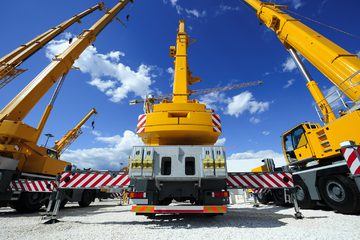
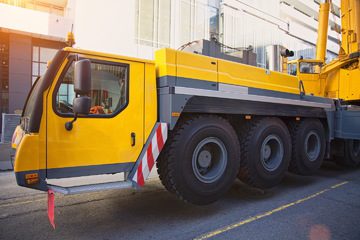
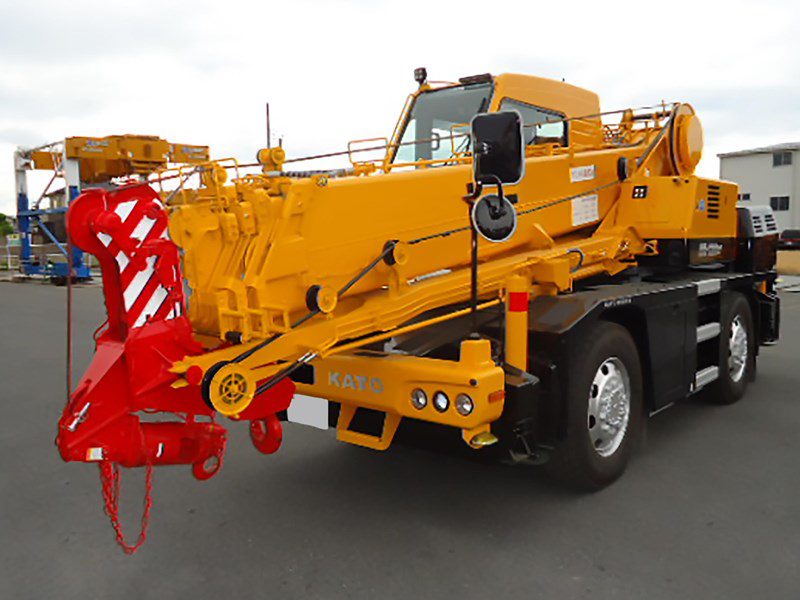
Unlike tower cranes, which require extensive foundation work and lengthy installation periods, mobile units can arrive on site, complete complex lifts, and depart within hours. This operational agility has proven particularly valuable in Sydney, where site constraints and traffic management requirements impose significant planning burdens on project managers. The ability to schedule lifting operations during approved windows without maintaining permanent equipment on site represents a fundamental advantage in densely populated urban environments.
Industry analysts note that this approach aligns with broader trends toward asset-light operational models across the construction sector. Rather than committing capital to depreciating equipment, contractors are redirecting resources toward core competencies while accessing lifting capacity through specialised service providers.
How Urban Density Is Reshaping Equipment Decisions
Sydney’s ongoing densification presents unique challenges for construction logistics. Sites in suburbs such as Parramatta, Chatswood, and the emerging Aerotropolis precinct frequently lack the footprint necessary for conventional crane installations. Mobile crane hire offers a practical solution to these spatial limitations, enabling contractors to execute complex lifts from adjacent streets or compact staging areas.
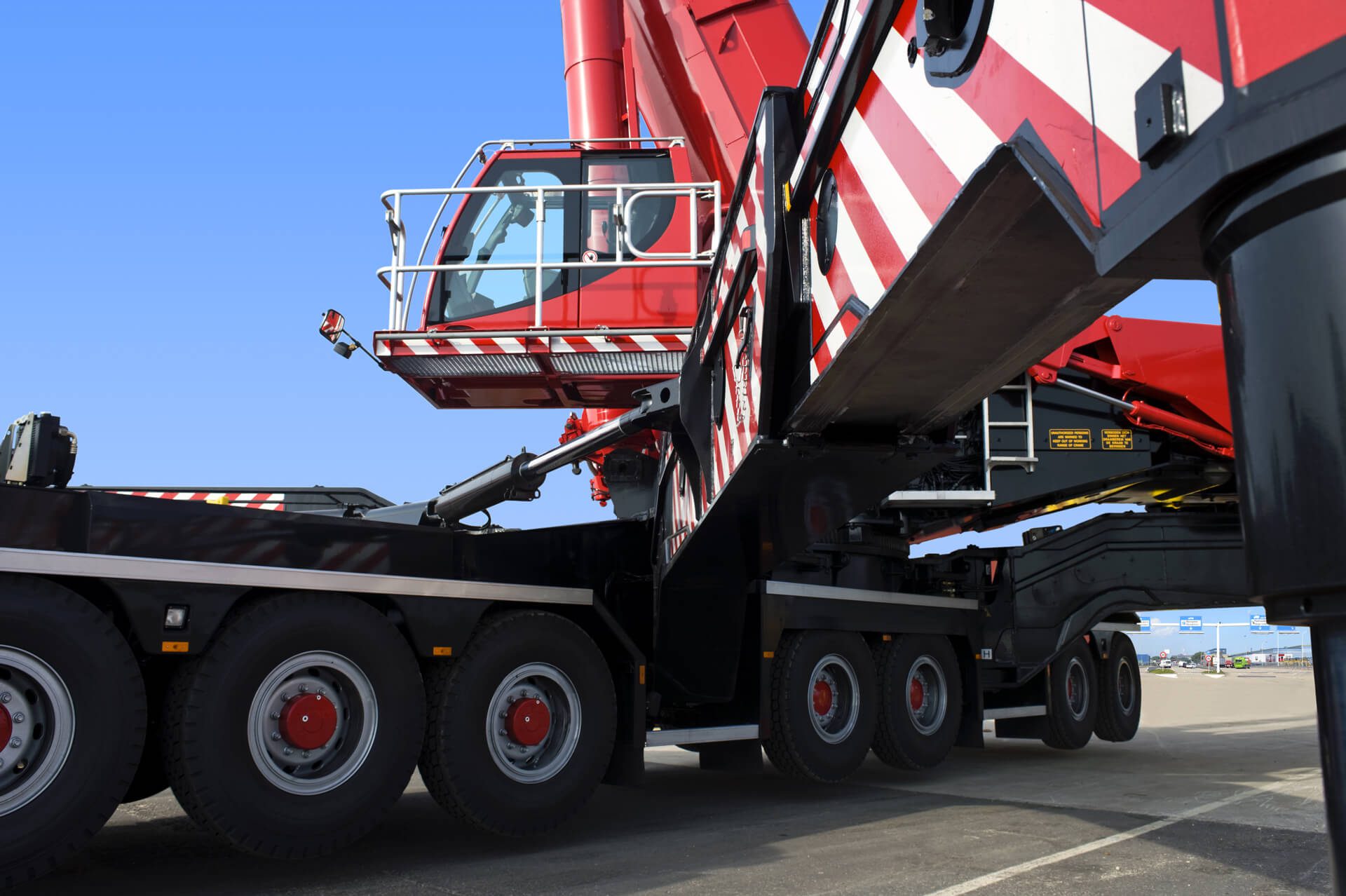
The physics of urban construction further favour mobile solutions in certain applications. Modern hydraulic truck-mounted cranes can achieve lifting capacities exceeding 500 tonnes while maintaining relatively compact ground footprints. For projects requiring periodic heavy lifts rather than continuous material handling, this capability-to-footprint ratio proves economically compelling.
Traffic authorities across Greater Sydney have also tightened requirements for construction-related road closures in recent years. The shorter duration of mobile lifting operations, compared to the weeks required for tower crane erection and dismantling, simplifies approval processes and reduces community disruption.
Regional Growth and Specialised Equipment Demand
The transformation in lifting practices extends well beyond metropolitan boundaries. Regional New South Wales has experienced sustained construction activity, driven by population growth, renewable energy installations, and agricultural infrastructure investment. This geographic dispersal has created demand for specialised equipment capable of operating across varied terrain and project types.
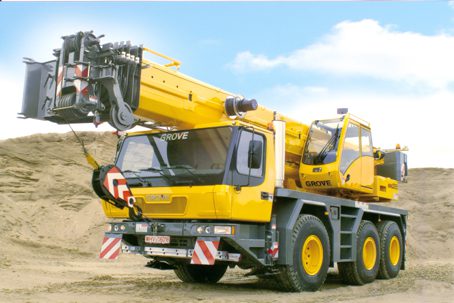
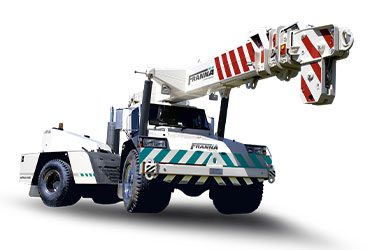
In areas south of Sydney, the demand for franna crane hire southern highlands has increased notably as residential development and light industrial projects proliferate. Franna cranes, an Australian-designed pick-and-carry variant, offer particular advantages for sites where ground conditions or access limitations preclude larger equipment. Their ability to lift loads while travelling makes them especially suitable for construction scenarios requiring material placement across extended distances without repeated repositioning.
The Southern Highlands region, situated approximately 100 kilometres from Sydney’s centre, has experienced population growth exceeding state averages as remote work arrangements enable professionals to relocate from metropolitan areas. This demographic shift has accelerated residential construction activity, creating steady demand for lifting equipment appropriately scaled to the region’s characteristic project profiles.
Regulatory Frameworks Governing Lifting Operations
Australian authorities maintain rigorous oversight of crane operations through interlocking federal and state regulatory mechanisms. Safe Work Australia establishes national policy frameworks, while state-level bodies such as SafeWork NSW administer licensing requirements and enforce compliance standards.
All crane operations in Australia must comply with AS 1418, the comprehensive standard governing cranes, hoists, and winches. This standard specifies design requirements, operational procedures, and maintenance protocols applicable across equipment categories. Additional standards, including AS 2550 for crane safe use, establish detailed requirements for operator competency, site assessment, and lift planning.
High-capacity mobile crane hire operations require operators holding High Risk Work Licences with appropriate crane classifications. These credentials, administered through state regulators, mandate demonstrated competency in load calculation, ground condition assessment, and emergency procedures. The licensing framework distinguishes between crane capacities, with operations exceeding 100 tonnes requiring the highest certification tier.
Recent regulatory attention has focused on the interfaces between crane operations and other construction activities. WorkSafe inspectors increasingly scrutinise lift planning documentation, particularly for operations occurring near overhead electrical infrastructure or in proximity to occupied structures.
Technological Innovation in Lifting Equipment
Contemporary mobile crane hire fleets incorporate technological capabilities that substantially enhance operational safety and efficiency. Computerised load moment indicators, now standard across modern equipment, continuously monitor lifting parameters and prevent operators from exceeding safe working limits. These systems integrate real-time data on boom extension, load weight, and ground conditions to provide dynamic capacity calculations.
Telematics platforms enable remote monitoring of equipment status, maintenance requirements, and operational performance. This connectivity supports preventive maintenance scheduling and provides documentary evidence of compliance for regulatory purposes. Several major hire providers operating in the Australian market have implemented these systems across their fleets.
Emerging technologies including electric and hybrid powertrains are beginning to appear in mobile crane applications, driven by contractor sustainability commitments and urban air quality regulations. While fully electric heavy-lift equipment remains developmental, hybrid systems that reduce fuel consumption and noise emissions during positioning operations have achieved commercial deployment.
Economic Considerations Driving Market Evolution
The decision between equipment ownership and hiring arrangements involves complex economic calculations extending beyond headline rental rates. Maintenance obligations, insurance requirements, operator employment, and utilisation rates all influence total cost outcomes.
For contractors with consistent, high-volume lifting requirements, ownership may remain economically rational despite capital intensity. However, mobile crane hire presents compelling advantages for organisations with variable workloads or projects requiring specialised equipment beyond their core fleet profiles.
The Australian hire market has responded to this demand through fleet diversification and geographic network expansion. Major operators now maintain equipment ranging from compact pick-and-carry units suitable for residential sites through to heavy-lift crawlers capable of serving major infrastructure projects.
Implications for Industry Trajectory
The sustained shift toward mobile lifting solutions reflects structural changes in how Australian construction projects are planned and executed. Tightening urban constraints, evolving regulatory requirements, and increasingly sophisticated equipment capabilities have collectively favoured flexible operational models over fixed infrastructure approaches.
For industry professionals, understanding these dynamics has become essential to effective project planning and competitive positioning. The continued growth of mobile crane hire as a preferred solution suggests these trends will intensify as Australian cities grow denser and construction logistics grow correspondingly complex.