Selecting the right lifting solution is a critical decision in construction project planning. The choice between mobile crane hire and tower crane hire can directly impact project timelines, safety outcomes, costs, and overall efficiency. While both crane types are essential within modern construction, their applications differ significantly based on project scale, site conditions, duration, and lifting requirements. Understanding when to use each option allows contractors and developers to optimise operations and reduce unnecessary risk.
Understanding the Role of Tower Crane Hire
Tower crane hire is most commonly associated with large-scale, vertical construction projects. These cranes are fixed to the ground or attached to the structure itself, providing exceptional height, reach, and load-handling capabilities over extended periods.
Tower cranes are designed to support continuous lifting operations throughout the life of a project. They are particularly effective in high-rise residential towers, commercial office buildings, hospitals, and major mixed-use developments. Once installed, tower crane hire provides a stable and predictable lifting solution that supports repetitive material movements such as concrete pours, formwork placement, steel erection, and façade installation.
However, the benefits of tower cranes come with longer setup times, higher upfront costs, and limited flexibility once erected. As a result, they are best suited to projects with well-defined scopes, long durations, and consistent lifting demands.
Understanding the Role of Mobile Crane Hire
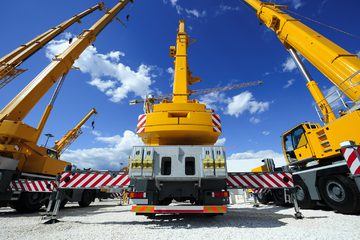
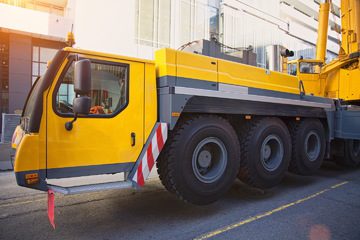
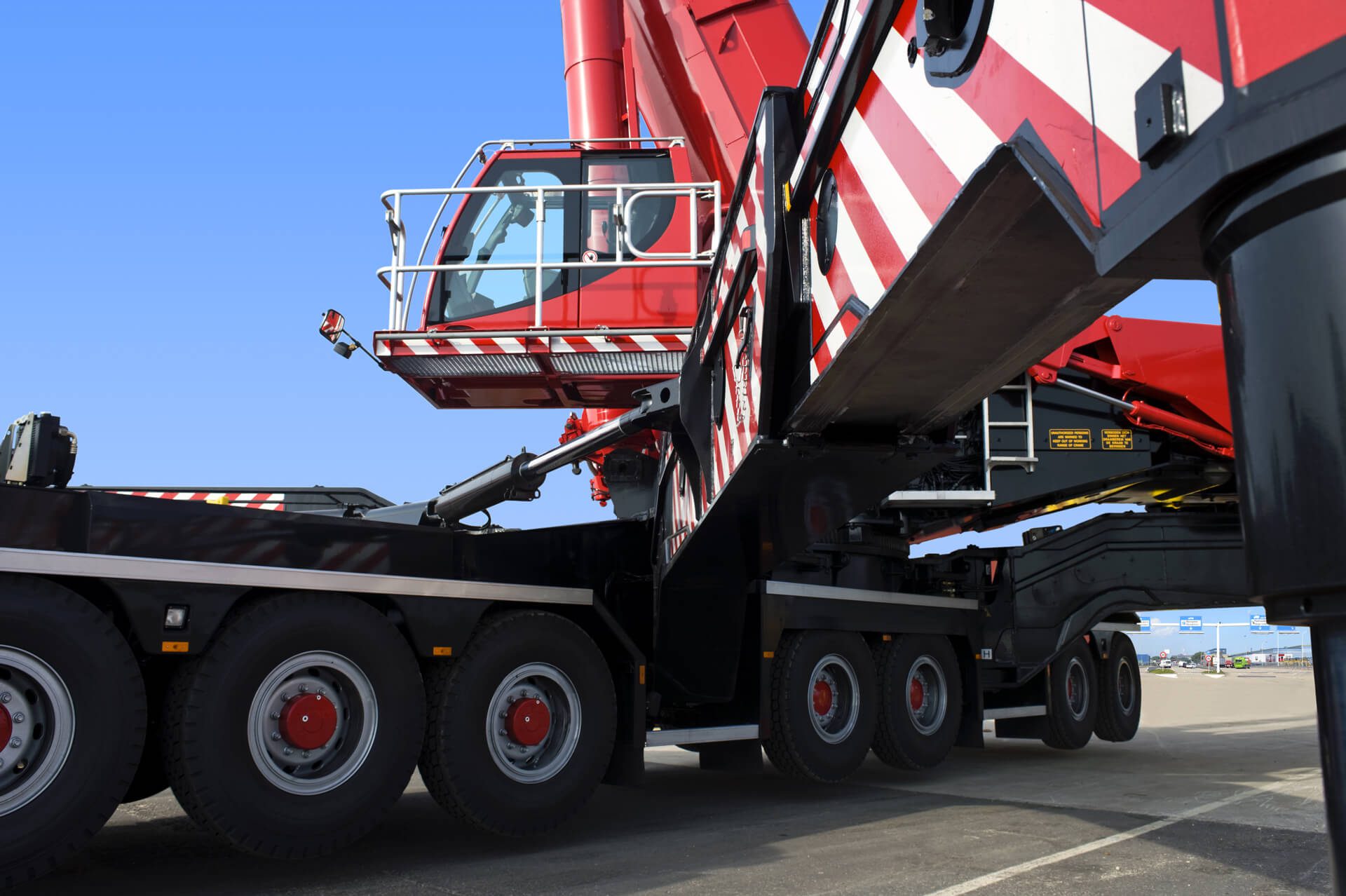
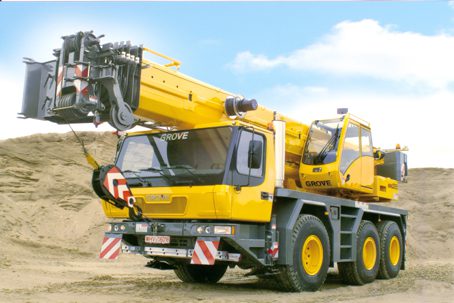
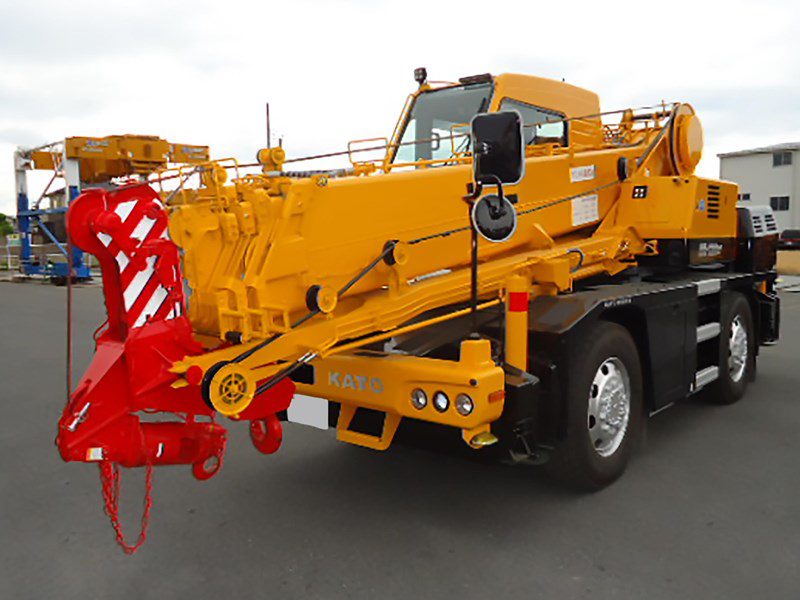
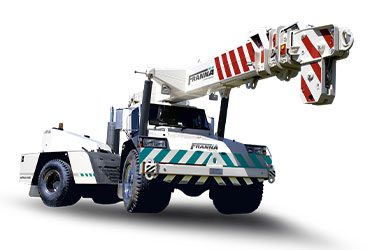
Mobile crane hire offers a fundamentally different value proposition. These cranes are mounted on wheeled or tracked carriers, allowing them to be transported and repositioned easily across sites. Mobile cranes are typically used for short-term lifts, specialised tasks, or projects where a fixed crane is impractical.
Mobile cranes are widely used for plant installation, precast placement, structural steel erection, rooftop equipment lifts, and maintenance works. Their ability to mobilise quickly and operate without permanent foundations makes them ideal for projects with tight schedules, changing work zones, or restricted site access.
While mobile cranes may not match the continuous reach of tower crane hire, modern models provide impressive lifting capacities and precision, making them suitable for a wide range of construction activities.
Project Duration as a Key Decision Factor
One of the most important considerations when choosing between mobile crane hire and tower crane hire is project duration. Long-term projects that span many months or years typically justify the investment in tower crane hire due to the volume of lifts required over time.
In contrast, short-duration projects or isolated lifting tasks are better suited to mobile crane hire. Installing a tower crane for a brief phase of work is rarely cost-effective, whereas a mobile crane can be engaged for a single day or week without long-term commitment.
Many large projects adopt a hybrid approach, using mobile cranes during early site establishment and final demobilisation, while relying on tower crane hire during peak construction phases.
Site Constraints and Access Conditions
Site conditions play a decisive role in crane selection. Tower cranes require sufficient space for foundations, tie-ins, and swing radius clearance. In congested urban environments or constrained regional sites, this may not always be feasible.
Mobile crane hire provides greater adaptability in such conditions. Cranes can be positioned strategically to avoid overhead obstructions, neighbouring properties, or live traffic areas. This flexibility is particularly valuable in renovation projects, brownfield sites, and regional developments where space is limited.
In areas such as the Southern Highlands, where projects may involve varied terrain and mixed-use construction, tower crane hire southern highlands is typically reserved for larger developments, while mobile cranes support smaller commercial and residential builds.
Lifting Frequency and Load Characteristics
The frequency and nature of lifts required also influence crane selection. Tower crane hire excels in environments where materials must be moved repeatedly across multiple levels. This includes continuous concrete placement, formwork cycles, and bulk material handling.
Mobile cranes are more efficient for heavy, infrequent, or complex lifts that require high capacity but limited repetition. Examples include lifting large plant equipment, placing prefabricated modules, or handling oversized steel components.
In some cases, mobile cranes are used alongside tower crane hire to manage loads that exceed the tower crane’s capacity or optimal radius, ensuring safe and efficient operations.
Cost Structure and Budget Control
Cost considerations extend beyond hire rates alone. Tower crane hire involves significant upfront expenses related to installation, engineering, permits, and dismantling. These costs are justified on large projects where the crane will be utilised consistently over a long period.
Mobile crane hire offers a more variable cost structure, allowing contractors to pay only for the time and capacity required. This makes it easier to control budgets, particularly on projects with fluctuating lifting needs or uncertain timelines.
For developers and builders operating in regional markets, including those seeking tower crane hire southern highlands, careful cost-benefit analysis is essential to determine whether a permanent crane solution is warranted.
Safety and Risk Management Considerations
Both mobile and tower cranes are subject to strict safety standards and regulatory oversight. However, the risk profile differs between the two options.
Tower crane hire introduces long-term site risks related to working at height, crane climbing, and ongoing maintenance. These risks are manageable but require comprehensive planning, experienced operators, and robust safety systems.
Mobile crane hire reduces long-term exposure by limiting the duration of crane operations onsite. Lifts can be scheduled during controlled windows, minimising interaction with other trades and reducing overall site congestion.
When used together, mobile cranes and tower cranes can enhance safety outcomes by allocating specific tasks to the most appropriate equipment.
Flexibility and Project Adaptability
Construction projects rarely proceed exactly as planned. Design changes, supply delays, and weather conditions can all impact lifting requirements.
Mobile crane hire offers superior adaptability in response to these variables. Cranes can be upgraded, swapped, or rescheduled with minimal disruption. Tower crane hire, while highly efficient within its design parameters, is less flexible once installed.
As a result, many contractors now view mobile cranes as a strategic supplement to tower crane hire rather than a direct alternative.
Regional and Market-Specific Considerations
In metropolitan areas, tower cranes dominate skylines due to high-rise density and long-term developments. In contrast, regional and semi-urban markets often demand a balanced mix of lifting solutions.
For projects across the Southern Highlands, tower crane hire southern highlands is typically deployed for larger commercial or residential developments, while mobile crane hire supports infrastructure works, industrial facilities, and bespoke construction projects. Understanding local conditions, labour availability, and logistics is essential when making crane hire decisions.
Conclusion
Choosing between mobile crane hire and tower crane hire is not a matter of preference but of strategic alignment with project requirements. Tower crane hire is best suited to long-duration, high-volume lifting on vertical construction projects, while mobile crane hire offers flexibility, speed, and cost control for short-term or specialised tasks.
In practice, the most effective construction projects leverage both solutions in a complementary manner. By carefully assessing project duration, site constraints, lifting frequency, budget, and safety considerations, contractors can deploy the right crane at the right time—maximising efficiency and ensuring successful project delivery across both metropolitan and regional markets.