Australia’s construction sector is increasingly defined by vertical growth, constrained sites, and heightened regulatory scrutiny. As cities such as Sydney, Melbourne, and Brisbane densify, decisions about lifting technology have become strategic rather than purely operational. Among these decisions, the choice between luffing cranes and standard hammerhead tower cranes is one of the most consequential. Understanding when luffing crane hire is the more appropriate option requires an examination of urban form, engineering constraints, safety obligations, and evolving industry practices.
The Changing Geometry of Australian Construction Sites
Over the past two decades, Australian cities have shifted toward taller buildings on smaller footprints. Inner-city redevelopment, transport-oriented precincts, and mixed-use towers often leave little room for horizontal crane slewing. Standard tower cranes, with long fixed jibs rotating in wide arcs, can create oversailing risks in dense environments. This is where luffing cranes, designed with adjustable jib angles, become strategically relevant.
The growing use of luffing crane hire reflects a broader adaptation to spatial scarcity. By allowing the jib to be raised and lowered, these cranes limit their horizontal reach when not lifting loads. This capability is particularly valuable in precincts with adjacent residential buildings, live traffic corridors, or protected airspace. In such contexts, crane selection directly affects not only construction efficiency but also regulatory compliance and community risk exposure.
How Luffing Cranes Differ from Standard Tower Cranes
The fundamental distinction between luffing and standard tower cranes lies in how the jib operates. A hammerhead crane relies on a horizontal jib with a trolley that moves loads in and out. While efficient on open sites, this configuration requires a clear radius for rotation. Luffing cranes, by contrast, alter their working radius by changing the jib angle, reducing the need for full-swing clearance.
This difference has practical consequences. On congested sites, luffing cranes can be positioned closer to boundaries without oversailing neighbouring properties. In Australia, oversailing is not merely a technical concern but a legal and contractual one, often requiring complex agreements with adjacent landowners. Luffing cranes can mitigate or eliminate these negotiations, reducing project risk and delays.
Strategic Deployment in High-Rise and Infrastructure Projects
In high-rise residential and commercial developments, particularly in central business districts, luffing cranes have become a default choice. Their ability to operate within tight envelopes aligns with planning conditions imposed by local councils and state authorities. In transport infrastructure projects, such as station upgrades or elevated rail works, luffing cranes are often selected to avoid encroachment over live assets.
However, luffing crane hire is not universally superior. These cranes generally have lower lifting speeds and more complex control systems than standard tower cranes. On expansive sites, such as industrial estates or greenfield developments, the efficiency of a hammerhead crane can outweigh the spatial advantages of a luffing configuration. The strategic decision depends on balancing spatial constraints against productivity requirements.
Safety, Compliance, and Regulatory Considerations
Australian crane operations are governed by a robust framework of standards and regulations. WorkSafe authorities in each state, along with Safe Work Australia, enforce compliance with model Work Health and Safety laws. Standards such as AS 2550 (Cranes, hoists and winches – Safe use) and AS 1418 (Cranes, hoists and winches – Design and construction) set clear expectations for crane selection, operation, and maintenance.
Luffing cranes introduce specific safety considerations. Their changing geometry requires precise load charts and skilled operators familiar with dynamic radius control. From a compliance perspective, this can necessitate additional planning, supervision, and competency verification. Yet these requirements are often justified on constrained sites where the alternative would involve higher oversailing risks or complex engineering controls.
Technological Advances Shaping Crane Selection
Recent technological developments have further influenced the decision between crane types. Modern luffing cranes are increasingly equipped with advanced anti-collision systems, load moment indicators, and remote monitoring capabilities. These features support safer operation in environments where multiple cranes operate in close proximity, a common scenario in Australian CBDs.
Digital planning tools, including 3D lift simulations, now allow engineers to model crane behaviour across all phases of construction. Such tools have highlighted the advantages of luffing cranes in staging complex builds, particularly where multiple structures rise simultaneously. As these technologies become standard practice, the threshold for choosing luffing crane hire continues to lower in dense urban projects.
The Role of Complementary Lifting Solutions
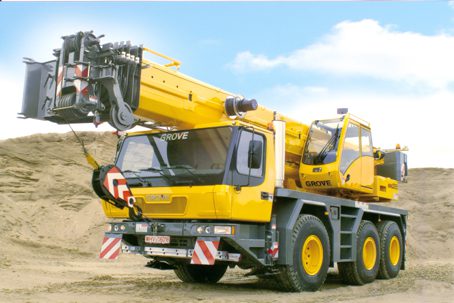
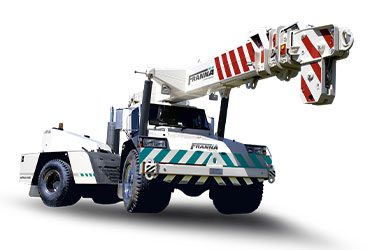
While tower cranes dominate high-rise construction, they are rarely used in isolation. Mobile cranes, including smaller articulated units, often support site establishment, materials handling, and specialised lifts. In Western Sydney, for example, franna crane hire western sydney is frequently integrated into broader lifting strategies, particularly during early works or in logistics zones surrounding major projects.
This complementary approach underscores that crane selection is rarely binary. Luffing cranes may handle the primary vertical lifts, while mobile cranes address flexibility and access challenges at ground level. Understanding how these systems interact is essential for planners seeking to optimise safety and efficiency across the construction lifecycle.
Industry Practices and Cost Implications
From an industry perspective, luffing cranes are typically more expensive to install and operate than standard tower cranes. Their complex mechanisms and slower cycle times can affect program durations if not carefully managed. However, these costs must be weighed against the potential savings from reduced delays, simplified approvals, and lower legal exposure related to oversailing.
Australian contractors increasingly assess crane strategies as part of early design development rather than treating them as late-stage logistical decisions. This shift reflects a recognition that crane choice can influence building form, construction sequencing, and stakeholder engagement. In this context, luffing crane hire is less about preference and more about alignment with site-specific constraints.
Urban Density and the Future of Crane Selection
As Australian cities continue to densify, the prevalence of luffing cranes is likely to increase. Planning authorities are imposing stricter conditions on construction impacts, particularly in mixed-use precincts where residential and commercial activities coexist. Noise, visual intrusion, and safety concerns are now central to development approvals, placing further emphasis on cranes that can operate discreetly within limited airspace.
At the same time, the industry faces skills shortages and rising costs, placing pressure on productivity. This tension highlights the importance of informed decision-making. Choosing luffing crane hire over standard tower cranes is rarely about technological superiority alone; it is about contextual suitability within a complex regulatory, spatial, and economic environment.
A Strategic Decision Rather Than a Default Choice
Ultimately, the decision to use a luffing crane reflects a strategic assessment of site conditions, regulatory obligations, and project objectives. In dense urban environments, where oversailing risks and spatial constraints dominate, luffing cranes offer clear advantages. In more open settings, standard tower cranes may remain the more efficient option.
For Australia’s construction sector, this choice encapsulates a broader transition toward precision, planning, and risk management. As projects grow taller and sites grow tighter, crane selection will continue to serve as a visible indicator of how the industry adapts to the realities of modern urban development.