Australia’s construction industry is undergoing a period of sustained transformation, driven by population growth, urban densification, and large-scale infrastructure investment. As projects become taller, tighter, and more technically complex, decisions around lifting methodology have moved from operational detail to strategic priority. One of the most consequential choices facing project teams is whether to rely on tower crane hire or to deploy mobile cranes for vertical and horizontal lifting tasks. This decision shapes construction sequencing, safety outcomes, and cost control across the project lifecycle, particularly when compared with alternatives such as franna crane hire southern highlands in regional and semi-urban settings.
The Strategic Role of Crane Selection in Australian Construction
Crane selection is no longer a purely technical exercise based on load charts. In modern Australian construction, it is closely tied to project scale, duration, and site constraints. Tower crane hire has become a defining feature of high-rise residential and commercial developments in major cities, where vertical reach and sustained lifting capacity are essential. Mobile cranes, by contrast, remain central to short-duration lifts, infrastructure works, and projects with greater spatial flexibility.
This strategic distinction reflects broader urban development patterns. In metropolitan centres such as Sydney and Melbourne, where land scarcity drives vertical construction, tower cranes support continuous material flow over extended periods. In regional contexts, including areas where franna crane hire southern highlands is common, mobility and rapid setup often outweigh the need for permanent lifting infrastructure. The choice between these approaches influences not only how buildings rise, but how efficiently projects integrate into their surrounding environments.
Understanding Tower Cranes and Mobile Cranes
Tower cranes are fixed or semi-fixed structures designed to service a defined area for months or even years. Once erected, they provide consistent lifting capacity at height, making them indispensable for tall buildings and dense urban sites. Their ability to move loads horizontally across a site reduces reliance on ground-based transport and enables just-in-time delivery of materials.
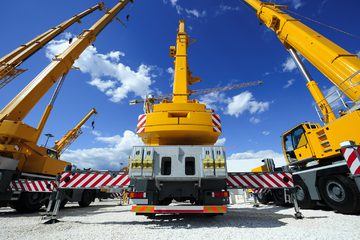
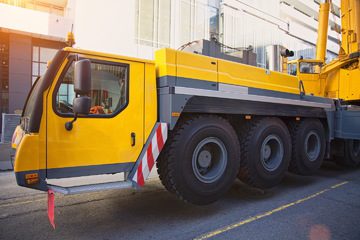
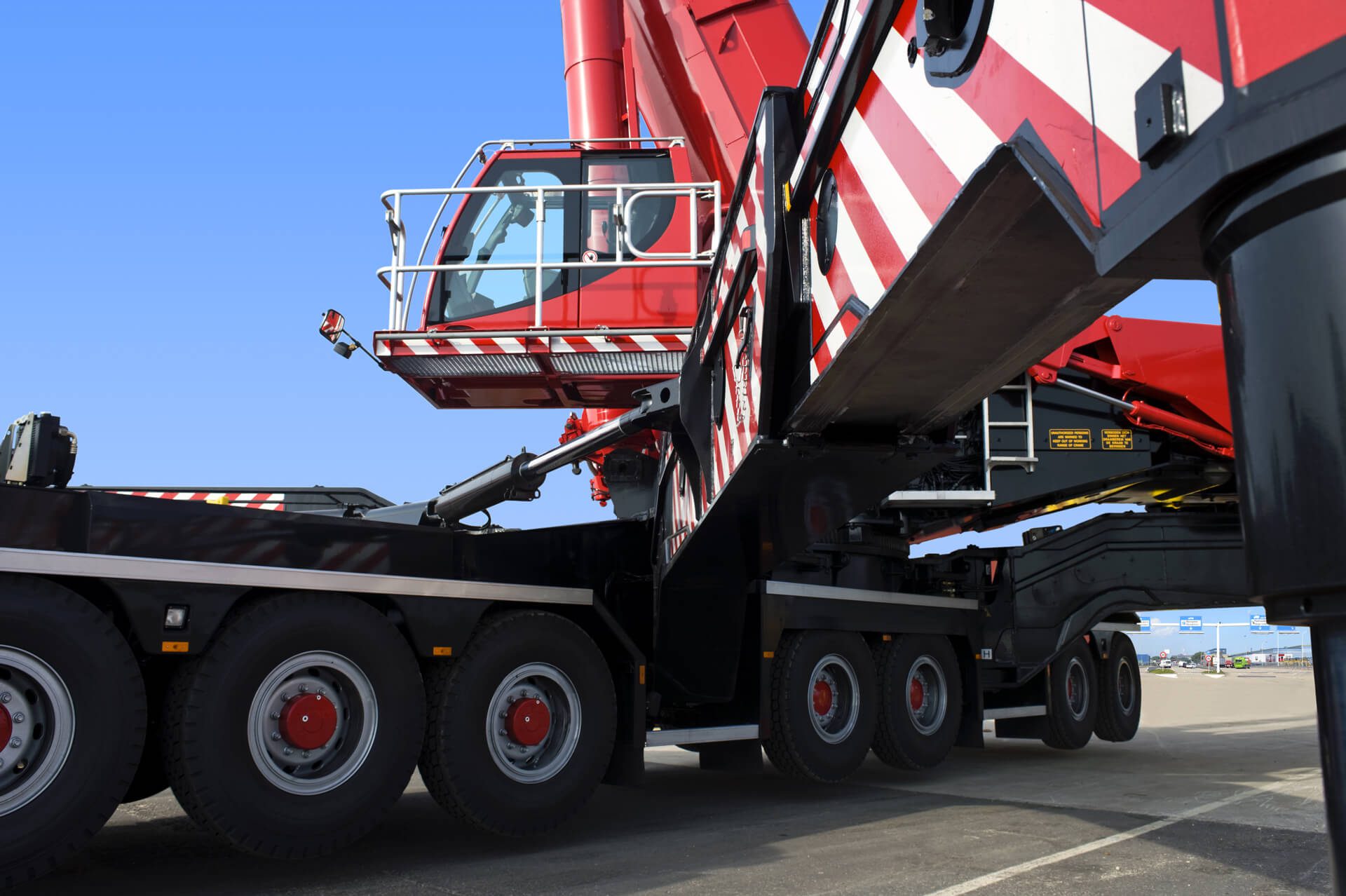
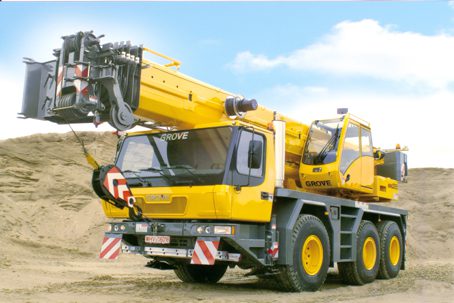
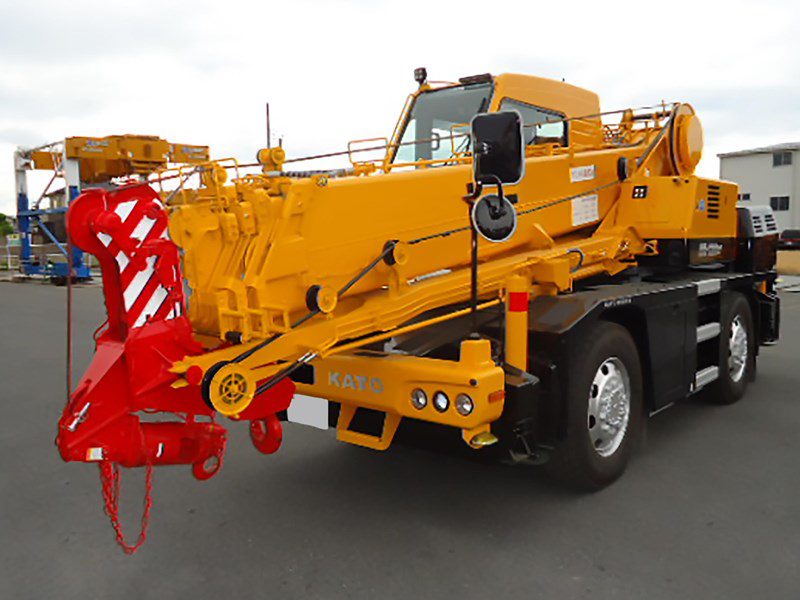
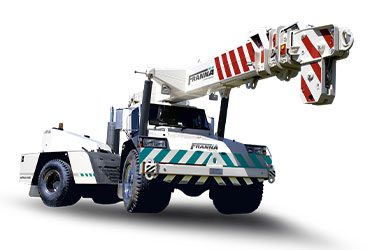
Mobile cranes encompass a broad category, including all-terrain, rough-terrain, and pick-and-carry units. Their defining feature is flexibility. They can be mobilised quickly, repositioned as needed, and removed without leaving permanent infrastructure. In regional construction and industrial projects, franna crane hire southern highlands exemplifies this adaptability, allowing contractors to respond to varied lifting requirements without long-term commitments.
High-Rise and Dense Urban Projects
High-rise construction is where tower crane hire most clearly demonstrates its strategic value. Tall buildings require repetitive lifting of formwork, reinforcement, and prefabricated elements to significant heights. A tower crane’s fixed mast and slewing jib provide predictable coverage, supporting efficient construction cycles and reducing reliance on multiple mobile crane visits.
Urban density further reinforces this preference. In constrained city sites, space for crane setup and repositioning is limited, and frequent mobile crane movements can disrupt traffic and neighbouring properties. A tower crane, once installed, minimises ground-level congestion and allows lifting operations to proceed with fewer interruptions. This is particularly important where local councils and transport authorities impose strict controls on access and working hours.
Infrastructure and Short-Duration Projects
Infrastructure projects often present a contrasting picture. Bridges, roadworks, and utilities installations typically involve linear sites with shifting lift locations. In these contexts, the permanence of a tower crane may be impractical. Mobile cranes offer the ability to adapt to changing site conditions, making them suitable for projects with varied lifting points and shorter timelines.
In regional areas and smaller population centres, franna crane hire southern highlands reflects this practical approach. Pick-and-carry cranes can lift, transport, and place loads without additional equipment, streamlining operations where site access is less constrained. While their lifting capacity is limited compared to tower cranes, their efficiency in specific contexts underscores the importance of matching crane type to project characteristics.
Cost, Time, and Efficiency Considerations
Cost comparisons between tower crane hire and mobile cranes are rarely straightforward. Tower cranes involve significant upfront costs for erection, foundations, and dismantling, but these are often offset by efficiencies over long project durations. Continuous availability and high lifting frequency can reduce labour downtime and accelerate construction schedules.
Mobile cranes typically operate on a hire-per-day or hire-per-lift basis, which can be cost-effective for intermittent use. However, repeated mobilisation and demobilisation can accumulate costs and introduce scheduling risks, particularly if weather or traffic restrictions delay lifts. Projects must therefore evaluate not only direct hire costs, but the broader economic impact of crane choice on programme certainty and productivity.
Safety Standards and Regulatory Frameworks
Australian safety regulations play a central role in crane selection decisions. Work health and safety legislation, administered by regulators such as SafeWork NSW and WorkSafe Victoria, imposes strict duties on those conducting lifting operations. These duties include ensuring that crane selection is appropriate for the task and environment.
Australian Standards, including AS 2550 for crane safe use, set out requirements for planning, erection, and operation. Tower cranes are subject to additional scrutiny due to their height and long-term presence, with requirements for engineering certification, regular inspections, and exclusion zones. Mobile cranes, while more flexible, must also comply with licensing and maintenance standards, particularly when operating in public or high-risk environments.
Licensing, Competency, and Workforce Implications
Crane operation in Australia is tightly regulated through licensing regimes that differentiate between crane types and capacities. Tower crane operators require high-risk work licences specific to their equipment, reflecting the complexity and responsibility associated with these machines. The availability of qualified operators can influence crane selection, particularly in regional areas where specialist skills may be less accessible.
Mobile crane operators also require appropriate licensing, but the workforce pool is often broader, especially for smaller units such as franna cranes. This dynamic can affect project planning, as the choice of crane type may determine recruitment needs and training requirements. In an industry facing skills shortages, these human factors are increasingly relevant.
Technological Developments Shaping Crane Use
Technological innovation is narrowing some of the traditional distinctions between crane types. Modern tower cranes feature advanced control systems, anti-collision technology, and remote monitoring, enhancing safety and efficiency in dense urban environments. These features support their continued dominance in high-rise construction.
Mobile cranes are also evolving, with improved mobility, higher lifting capacities, and digital load monitoring systems. These advances extend their suitability into more complex projects, blurring the lines between traditional use cases. Nevertheless, the fundamental trade-off between permanence and flexibility remains central to crane strategy.
Making the Strategic Choice
Choosing tower crane hire over mobile cranes is ultimately a strategic decision informed by project scale, duration, and context. High-rise and dense urban developments tend to favour tower cranes for their sustained lifting capacity and spatial efficiency. Infrastructure, industrial, and regional projects often rely on mobile solutions, including franna crane hire southern highlands, to meet diverse and changing lifting needs.
As Australia’s built environment continues to evolve, crane selection will remain a visible indicator of broader construction trends. The choice reflects not only engineering requirements, but the economic, regulatory, and environmental realities shaping how projects are delivered. In this sense, cranes are more than tools; they are strategic assets that embody the priorities and constraints of modern Australian construction.