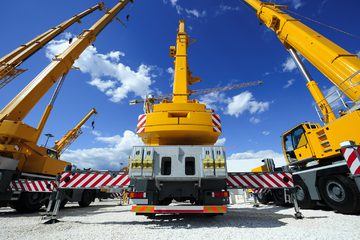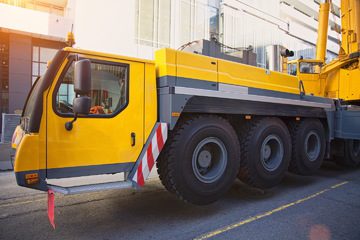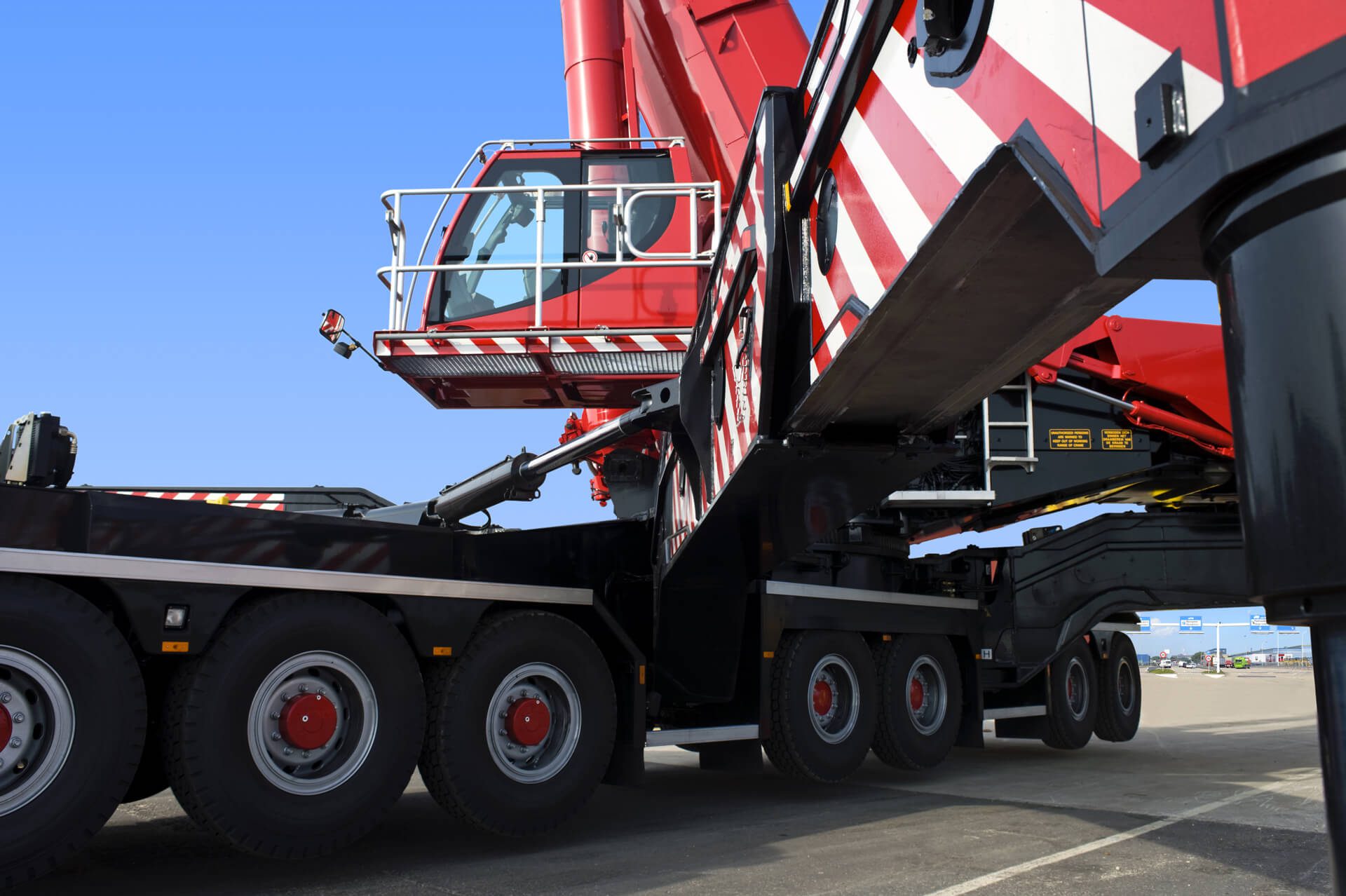
Australia’s major cities are building upward at an unprecedented pace. From residential towers reshaping skylines to transport and energy infrastructure embedded in dense urban environments, the question of how much weight can safely be lifted has become central to modern construction planning. Understanding the load capacity of tower cranes for hire is no longer a purely technical concern; it is a strategic issue that affects project sequencing, safety compliance, cost control, and urban logistics across the country.
This article examines how load capacity is defined, regulated, and applied in Australian construction, and why decisions around tower crane hire and city crane hire southern highlands increasingly influence the success of complex developments.
Understanding Load Capacity in Tower Cranes
Load capacity refers to the maximum weight a tower crane can safely lift under specified conditions. It is not a single, fixed number. Instead, capacity varies depending on factors such as jib length, radius from the mast, counterweight configuration, and wind conditions. A crane’s maximum load is typically achievable only at short radii, close to the mast, while capacity decreases as the load is lifted further outward.
In practical terms, this means a tower crane capable of lifting 20 tonnes near the mast may only lift a fraction of that weight at the end of its jib. Australian construction planners rely on detailed load charts provided by manufacturers and verified through engineering assessments to ensure lifts remain within safe parameters.
As urban construction becomes more vertical and space constrained, the precision required in matching crane load capacity to building design has increased significantly. Errors in this calculation can cause delays, redesigns, or safety incidents, making load analysis an early-stage priority rather than a late logistical detail.
Strategic Role of Tower Crane Hire in Urban Development
Tower crane hire plays a critical role in Australia’s urban growth model, particularly in Sydney, Melbourne, Brisbane, and expanding regional centres. High-rise residential and commercial projects depend on cranes that can lift prefabricated components, reinforcement cages, concrete skips, and mechanical plant to considerable heights with consistency and control.
In dense environments, the selection of crane capacity affects more than lift performance. It influences the number of cranes required on site, the duration of construction stages, and even planning approvals where oversailing and airspace constraints apply. Choosing a crane with insufficient capacity can result in multiple lifts or additional cranes, increasing congestion and risk. Conversely, overspecifying capacity may introduce unnecessary structural demands on foundations and surrounding buildings.
In regional contexts, including city crane hire southern highlands projects, load capacity decisions are shaped by different constraints. Lower-rise buildings may still require substantial lifting power due to heavy precast elements or infrastructure components, while transport access and ground conditions can limit crane size. In both metropolitan and regional settings, load capacity has become a strategic lever for balancing efficiency, safety, and cost.
Load Capacity Across Different Project Types
The demands placed on tower cranes vary markedly across infrastructure, commercial high-rise, and mixed-use developments. Infrastructure projects such as bridges, rail corridors, or energy facilities often require lifting fewer but significantly heavier components. In these cases, cranes with high maximum load capacities at shorter radii are prioritised, even if overall height is moderate.
High-rise residential and office towers, by contrast, typically involve repetitive lifts of lighter loads to increasing heights. Here, the ability to maintain stable capacity at extended radii becomes more important than peak lifting power. Climbing cranes that grow with the building are commonly used, allowing load capacity to remain aligned with construction progress.
Dense urban projects introduce additional complexity. Wind loading, proximity to neighbouring structures, and restricted crane swing zones all affect usable capacity. Australian engineers increasingly rely on real-time monitoring systems to adjust lift parameters dynamically, ensuring that theoretical load capacities translate into safe, operational performance on site.
Technological Advances Shaping Load Management
Technological innovation has significantly improved how load capacity is managed and monitored in modern tower cranes. Advanced load moment indicators, anti-collision systems, and wind sensors are now standard on most cranes operating in Australia’s major cities. These systems continuously calculate the relationship between load weight, radius, and crane configuration, preventing lifts that exceed safe limits.
Digital integration has also changed planning practices. Building information modelling allows crane load capacity to be simulated alongside construction sequencing, reducing uncertainty and rework. Engineers can test different crane configurations virtually, ensuring that tower crane hire decisions align with structural design and logistics planning from the outset.
Automation and remote diagnostics are further enhancing reliability. By analysing operational data, crane operators and site managers can identify patterns that affect capacity utilisation, such as frequent near-limit lifts or weather-related interruptions. This data-driven approach supports safer, more predictable construction outcomes, particularly on long-duration projects.
Australian Safety Standards and Regulatory Frameworks
Load capacity management in Australia operates within a robust regulatory environment. Safe Work Australia provides national guidance on high-risk work, while state-based regulators such as SafeWork NSW and WorkSafe Victoria enforce compliance on construction sites. Tower cranes are classified as plant under work health and safety legislation, requiring rigorous inspection, certification, and operator competency.
Australian Standards, including AS 1418 for cranes and AS 2550 for safe use, set out detailed requirements for design, testing, and operation. These standards specify how load ratings must be determined and displayed, and how cranes must be maintained to ensure ongoing compliance. Any modification to crane configuration, such as jib extensions or climbing operations, triggers additional engineering verification.
Licensing requirements further reinforce capacity control. Crane operators must hold the appropriate high-risk work licence, demonstrating both theoretical knowledge and practical competence. Doggers and riggers involved in lifting operations are similarly regulated, ensuring that decisions about load weight and lift execution are made by qualified personnel.
Comparing Industry Practices and Regional Variations
Industry practices around load capacity reflect both regulatory consistency and regional variation. Major metropolitan projects often adopt conservative capacity margins due to public scrutiny and complex risk profiles. Detailed lift studies, independent engineering reviews, and continuous monitoring are common features of city-based developments.
In regional and semi-urban areas, including the southern highlands, practices may differ in scale but not in principle. Projects may operate with fewer cranes and simpler configurations, yet the consequences of exceeding load capacity remain just as serious. Here, the challenge often lies in balancing crane capability with transport logistics and site access, particularly where roads or ground conditions limit crane size.
Across both contexts, the underlying trend is toward greater transparency and documentation. Developers, contractors, and regulators increasingly expect clear evidence that load capacity has been assessed comprehensively and managed proactively throughout the project lifecycle.
The Broader Implications for Construction Efficiency
Understanding the load capacity of tower cranes for hire has implications beyond individual lifts. Capacity decisions influence construction timelines, workforce allocation, and even urban disruption. Efficient load management can reduce the number of lifts required, shorten project durations, and minimise noise and congestion in surrounding communities.
As Australia continues to urbanise, the interplay between crane technology, regulatory oversight, and strategic planning will only intensify. Load capacity, once a technical specification buried in engineering documents, is now a central consideration in how cities are built and rebuilt.
In this context, both tower crane hire and city crane hire southern highlands arrangements reflect broader shifts in the construction sector. They illustrate how technical precision, regulatory discipline, and strategic foresight converge to support safer, more efficient urban development. Understanding load capacity is therefore not just about lifting weight; it is about lifting the overall performance and resilience of Australia’s construction industry.