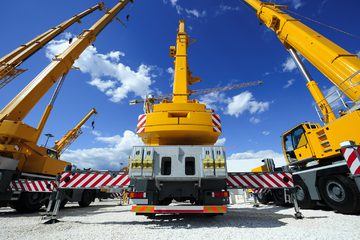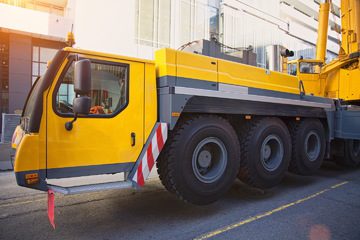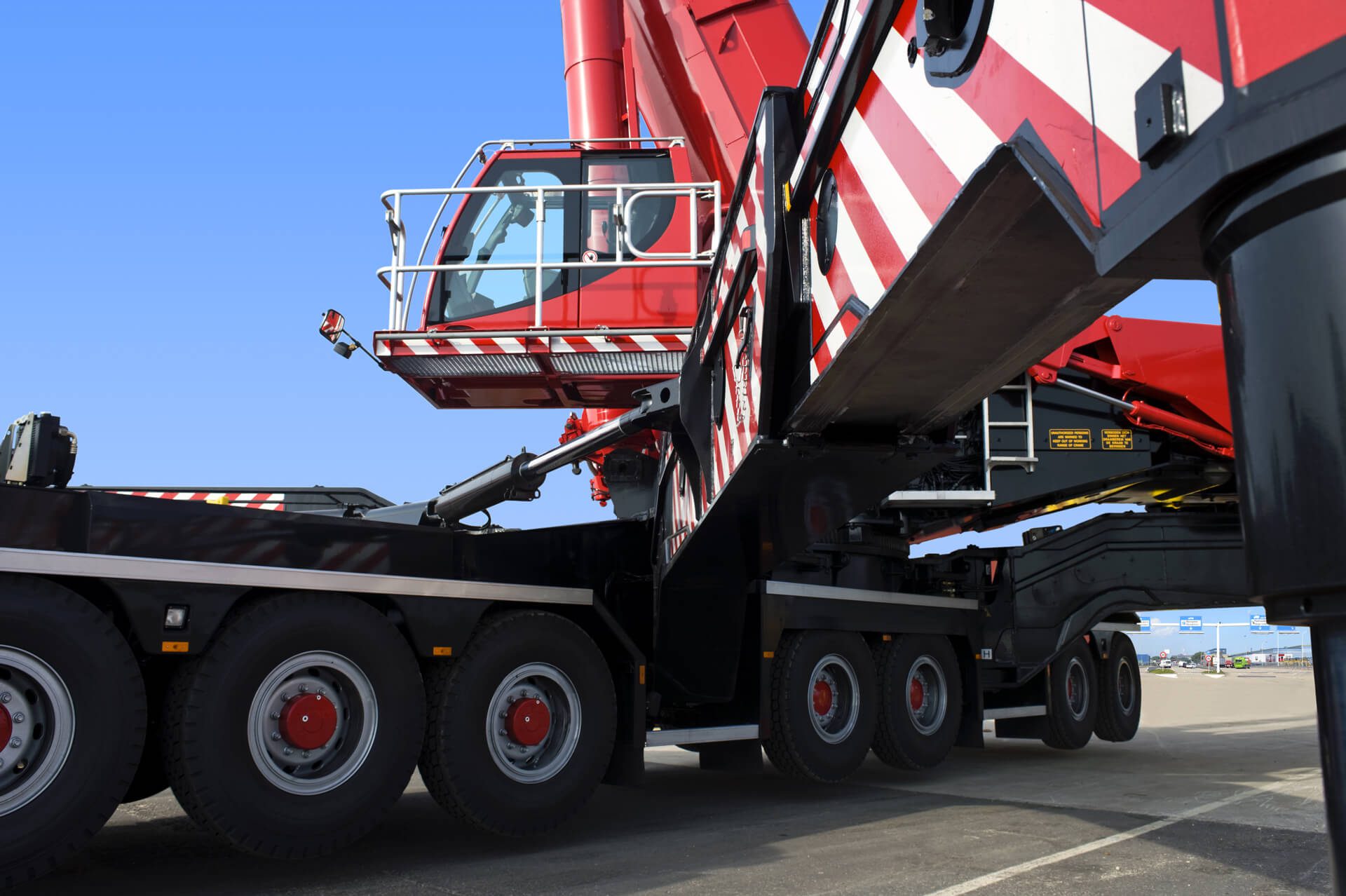
Australia’s construction sector is under sustained pressure to deliver complex projects faster, safer, and with tighter margins. As cities densify and infrastructure programs expand, productivity has become a central concern for developers, contractors, and policymakers alike. Within this context, tower crane hire has emerged as a critical operational lever, particularly on high-rise and large-scale urban projects where vertical logistics determine the pace of work. Examining how professional tower crane hire functions across Australian construction offers insight into where genuine productivity gains are achieved—and where structural limits remain.
The Strategic Role of Tower Cranes in Australian Urban Development
Modern Australian cities are increasingly defined by vertical growth. In Sydney, Melbourne, and Brisbane, planning constraints, land scarcity, and population growth have driven a sustained pipeline of mid- to high-rise developments. In this environment, tower crane hire is not simply an equipment decision but a strategic one that shapes site layout, sequencing, and labour deployment.
Tower cranes enable the continuous vertical movement of materials across confined sites, reducing reliance on horizontal transport and minimising congestion at ground level. This capability becomes especially valuable on dense urban sites where access windows are restricted and surrounding infrastructure limits staging areas. Professional tower crane hire typically includes not only the crane itself but also engineering support for optimal placement, height configuration, and load capacity planning. These elements directly affect how efficiently trades can operate across multiple floors simultaneously.
From a productivity standpoint, the ability to maintain consistent material flow to different work fronts reduces downtime and mitigates the cascading delays that often arise in high-rise construction. In Australia’s major cities, where labour costs are high and project delays carry significant financial penalties, these efficiencies are central to commercial viability.
Productivity Impacts Across High-Rise and Infrastructure Projects
The productivity benefits associated with tower crane hire vary depending on project type and scale. On residential and commercial high-rise developments, cranes act as the backbone of vertical logistics, supporting formwork cycles, concrete pours, façade installation, and mechanical services. Consistent lifting capacity allows project managers to plan predictable work rhythms, which is critical for maintaining programme certainty.
Infrastructure projects present a different dynamic. While tower cranes are less common on horizontal transport projects, they play an important role in complex builds such as transport interchanges, hospitals, and civic precincts where large components must be positioned with precision in constrained environments. In these contexts, professional tower crane hire supports productivity by reducing the need for repeated mobile crane mobilisations, which can interrupt site operations and increase safety risks.
Across both sectors, productivity gains are closely linked to early integration of crane strategy into project planning. Australian contractors increasingly recognise that late decisions around crane selection and configuration often result in suboptimal performance, requiring costly adjustments once construction is underway.
Comparing Professional Hire Models and Operational Approaches
Not all tower crane hire arrangements deliver the same productivity outcomes. Professional hire models typically involve comprehensive site assessment, engineering certification, and ongoing maintenance, whereas more basic arrangements may focus narrowly on equipment supply. The distinction has practical implications for construction efficiency.
In complex urban environments such as central Sydney, tower crane hire Sydney projects often require bespoke solutions that account for airspace restrictions, oversailing agreements, and interaction with neighbouring properties. Professional providers work closely with project teams to design crane systems that align with construction sequencing and regulatory constraints. This collaborative approach reduces the likelihood of operational bottlenecks and unplanned stoppages.
By contrast, projects that treat crane hire as a transactional procurement exercise may encounter limitations when site conditions change or when lifting demands evolve. Productivity losses in these cases often stem from insufficient capacity, poorly positioned cranes, or maintenance downtime that disrupts critical path activities.
Technology and Innovation Driving Efficiency Gains
Technological advancements have reshaped the productivity profile of tower cranes over the past decade. Modern cranes incorporate advanced control systems, load monitoring, and anti-collision technology that allow safer and more precise operations. These features are particularly relevant on Australian sites where multiple cranes often operate in close proximity.
Digital integration is also influencing how tower crane hire contributes to productivity. Increasingly, crane operations are linked with building information modelling systems, enabling more accurate lift planning and coordination with other trades. While adoption varies across the industry, early evidence suggests that digital planning reduces rework and improves utilisation rates, particularly on large, multi-tower developments.
Remote diagnostics and predictive maintenance technologies further support productivity by minimising unplanned downtime. In an industry where crane availability can determine whether a project stays on schedule, the ability to identify and address mechanical issues before failure represents a tangible efficiency gain.
Safety Standards as a Foundation for Productivity
In Australia, safety and productivity are closely intertwined. Tower crane operations are governed by a robust regulatory framework that includes state-based WorkSafe authorities, Safe Work Australia guidance, and relevant Australian Standards such as AS 2550 for cranes and hoists. Compliance with these frameworks is not optional, and failure to meet safety obligations can halt works entirely.
Professional tower crane hire providers typically embed compliance into their operating models, ensuring that installation, operation, and dismantling meet regulatory requirements. While safety procedures can be perceived as adding time or cost, in practice they underpin productivity by reducing incidents that lead to stoppages, investigations, or workforce disruption.
Licensed crane operators, doggers, and riggers are also integral to this equation. Australian licensing requirements ensure a baseline level of competence, which supports efficient communication and coordinated lifting operations. On complex sites, experienced crews are better equipped to manage variable conditions without compromising pace or safety.
Regulatory Constraints and Urban Realities
Productivity gains from tower crane hire must be understood within the constraints of Australia’s regulatory and planning environment. Oversailing regulations, noise restrictions, and working hour limitations can all affect crane utilisation, particularly in inner-city locations. In Sydney, for example, approvals for tower crane hire Sydney projects often involve detailed negotiations with local councils and neighbouring property owners.
These constraints mean that productivity improvements are not solely a function of crane performance but also of regulatory navigation and stakeholder management. Professional hire arrangements that anticipate approval processes and integrate compliance planning into project schedules are better positioned to maintain momentum over the life of a build.
At the same time, regulatory oversight has driven improvements in industry standards, contributing indirectly to productivity by promoting safer, more predictable operating conditions. While compliance can add upfront complexity, it reduces the likelihood of disruptive enforcement actions once construction is underway.
Balancing Costs, Capacity, and Outcomes
A common assumption is that larger or more advanced cranes automatically deliver greater productivity. In practice, the relationship is more nuanced. Overspecifying crane capacity can increase costs without proportional efficiency gains, while underspecifying can constrain operations and create delays. Professional tower crane hire seeks to strike a balance by aligning crane capability with realistic project demands.
In Australia’s current construction climate, characterised by cost pressures and skills shortages, these optimisation decisions have become more consequential. Productivity gains increasingly come not from working faster, but from working more predictably, with fewer interruptions and less rework.
A Measured Contribution to Industry Productivity
Tower cranes are not a panacea for Australia’s construction productivity challenges, which are shaped by factors ranging from industrial relations to supply chain volatility. However, when deployed strategically, tower crane hire can deliver meaningful efficiency improvements at the project level. These gains arise from improved material flow, reduced downtime, enhanced safety, and better integration with modern construction planning practices.
As urban development continues to push construction vertically, the role of professional tower crane hire is likely to grow in significance. The productivity question, then, is not whether tower cranes matter, but how effectively they are integrated into the broader systems that govern how Australia builds its cities.