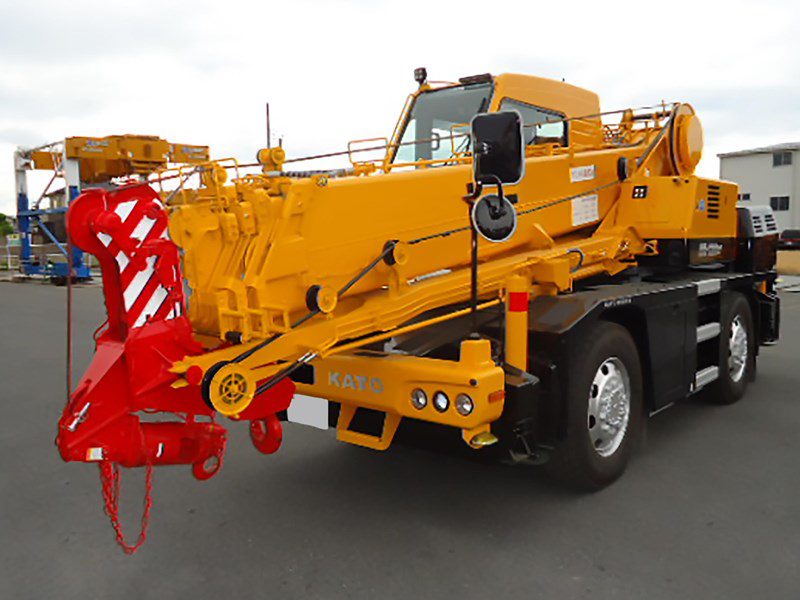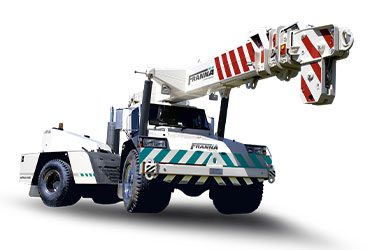
Australia’s urban skyline has changed dramatically over the past two decades. Cities are denser, buildings are taller, and infrastructure projects are increasingly complex. From high-rise residential towers to transport corridors threaded through established neighbourhoods, construction today demands a level of accuracy that would have been difficult to achieve a generation ago. At the centre of this transformation is mobile crane hire, a segment of the construction sector that has quietly evolved into a cornerstone of modern urban development.
Precision lifting is no longer simply a matter of strength. It is the product of engineering design, digital planning, regulatory oversight, and operator expertise working together. Understanding what enables this “sky-high precision” offers insight into how Australian cities are being built and rebuilt under tight spatial, safety, and environmental constraints.
The Strategic Role of Mobile Cranes in Australian Construction
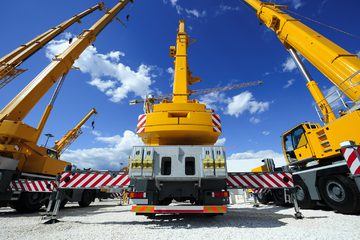
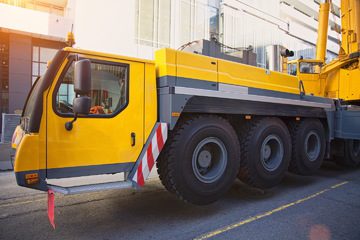
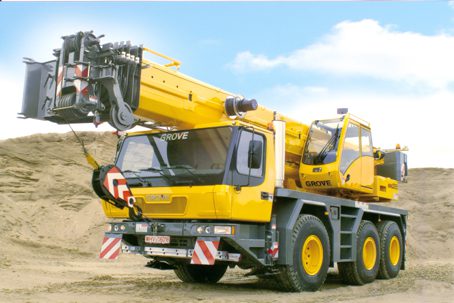
Mobile crane hire has become strategically important because it offers flexibility in an environment where space is scarce and project timelines are unforgiving. Unlike fixed tower cranes, mobile cranes can be transported, assembled, and redeployed quickly. This mobility is particularly valuable in urban renewal projects where sites are small, access is restricted, and disruption to surrounding areas must be minimised.
In dense metropolitan regions, including city crane hire western sydney, mobile cranes support a wide range of work, from structural steel installation to modular construction and plant maintenance. Their ability to operate on constrained sites allows projects to proceed without the long-term footprint associated with fixed lifting infrastructure. For developers and contractors, this flexibility translates into greater adaptability when schedules change or unexpected site conditions emerge.
Beyond efficiency, mobile cranes have become integral to staging complex builds. High-rise projects increasingly rely on a combination of lifting solutions, with mobile cranes handling early-stage works, rooftop plant placement, or specialised lifts that fall outside the reach or capacity of tower cranes. This hybrid approach reflects a broader trend toward customised lifting strategies rather than one-size-fits-all solutions.
Precision Engineering and Load Control
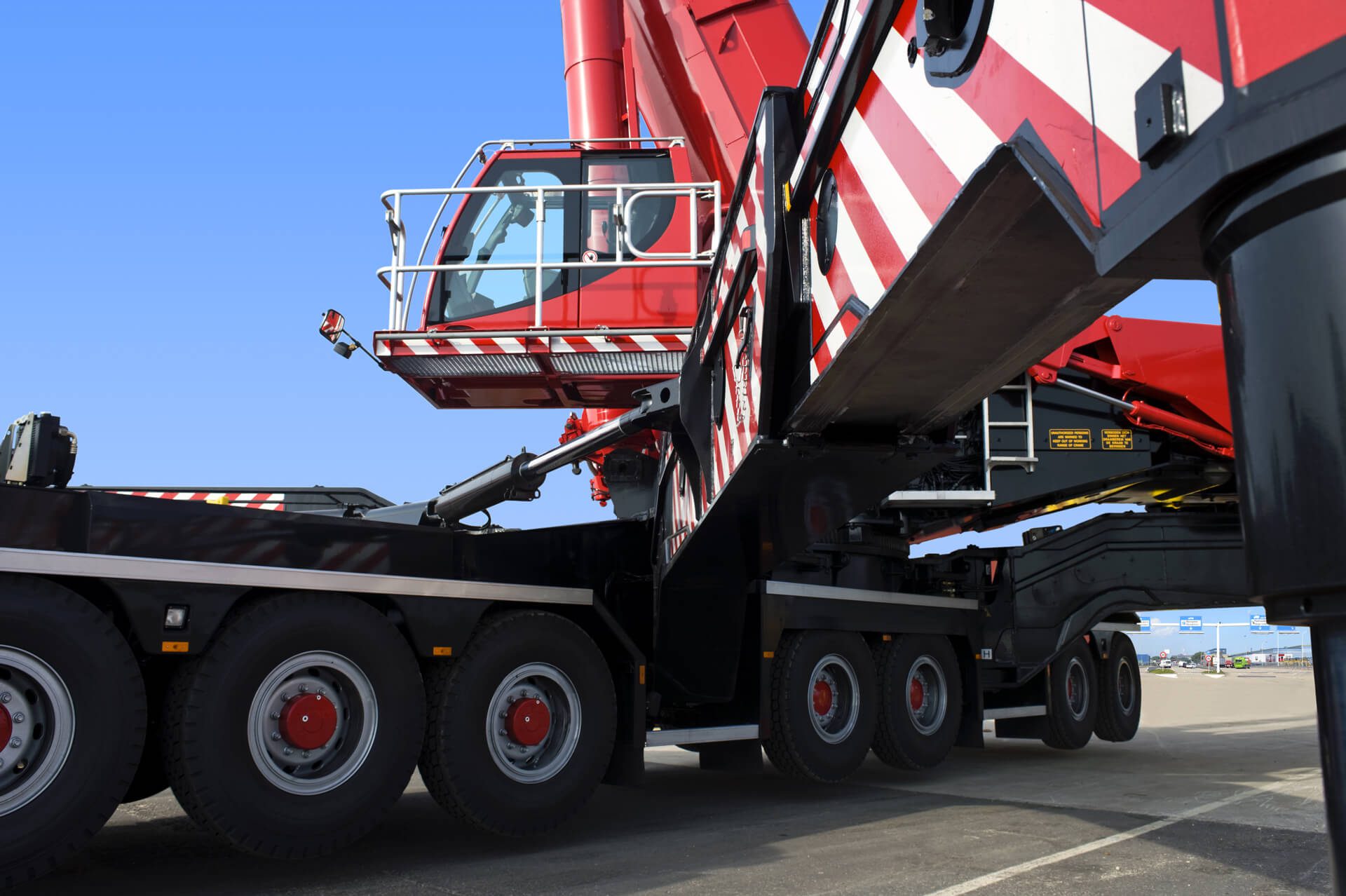
The defining feature of modern mobile crane hire is not raw lifting power but precision control. Contemporary cranes are engineered with advanced hydraulic systems and load moment indicators that continuously calculate safe operating parameters. These systems factor in boom length, radius, counterweight configuration, and wind conditions, reducing the margin for error during critical lifts.
Computer-aided design and lift planning software have further refined this process. Before a crane arrives on site, engineers model each lift digitally, identifying clearances, load paths, and potential conflicts. This pre-planning is especially important in urban environments where cranes must operate near live traffic, occupied buildings, or overhead services. Precision, in this context, begins long before the crane’s outriggers touch the ground.
The integration of these technologies has reshaped expectations across the industry. What was once considered a high-risk manoeuvre can now be executed with a level of predictability that supports both safety and productivity. However, this precision depends as much on human judgement as it does on software, underscoring the importance of skilled operators and lift supervisors.
Urban Density and the Challenges of Constrained Sites
Australia’s major cities present unique challenges for lifting operations. Urban infill development often occurs on sites hemmed in by existing structures, leaving little room for error. In these settings, mobile crane hire plays a critical role by offering machines designed for tight access and variable ground conditions.
City crane hire western sydney illustrates how cranes are adapted to operate within mixed-use precincts that combine residential, commercial, and industrial activity. Lifts may need to be scheduled outside peak hours, coordinated with road closures, or executed within narrow time windows to limit disruption. Precision here is not only technical but logistical, requiring close collaboration between contractors, local councils, and transport authorities.
Ground bearing pressure is another factor shaping crane selection and setup. Urban sites often sit atop existing services or variable soil conditions, demanding careful engineering assessment. Modern cranes are designed with adjustable outrigger configurations and real-time monitoring to manage these constraints, allowing heavy lifts without compromising site stability.
Safety Standards and Regulatory Oversight in Australia
Precision in lifting is inseparable from safety, and Australia’s regulatory framework plays a central role in shaping industry practice. Work health and safety laws, administered by state and territory regulators such as SafeWork NSW and WorkSafe Victoria, set clear expectations for crane operations. These laws are supported by Australian Standards, including AS 2550 for cranes, which outlines requirements for safe use, inspection, and maintenance.
Compliance extends beyond equipment condition. Operators must hold appropriate high-risk work licences, and lifting operations require documented lift plans and risk assessments. For complex or non-routine lifts, independent engineering sign-off is often required. These processes are not bureaucratic formalities; they are mechanisms designed to ensure that precision is systematically embedded in every stage of the operation.
The regulatory environment also reflects lessons learned from past incidents. Investigations into crane-related accidents have led to stricter controls on wind monitoring, exclusion zones, and communication protocols. As projects grow taller and more complex, regulatory scrutiny has increased, reinforcing the link between precision planning and public safety.
Technological Innovation and the Future of Lifting
Technological advancement continues to redefine what is possible with mobile crane hire. Telematics systems now allow real-time monitoring of crane performance, transmitting data on load, utilisation, and maintenance status. This information supports predictive maintenance, reducing the risk of mechanical failure during critical lifts.
Automation and semi-autonomous features are also emerging, particularly in load stabilisation and anti-sway systems. These technologies help maintain control in challenging conditions, such as high winds or long-radius lifts, enhancing precision without diminishing the operator’s role. Rather than replacing human expertise, innovation is augmenting it.
Digital integration extends to broader construction workflows. Building information modelling increasingly incorporates crane data, allowing lifting considerations to be factored into design decisions. This alignment between design and construction reflects a more holistic approach to project delivery, where precision lifting is planned as an integral component rather than an afterthought.
Comparing Mobile Cranes and Alternative Lifting Methods
While mobile cranes offer clear advantages, they are not universally suited to every project. Tower cranes remain essential for long-term, high-volume lifting on large sites, particularly where repeated lifts to similar locations are required. Their fixed position can offer efficiencies once installed, but at the cost of flexibility.
Mobile crane hire distinguishes itself in projects requiring adaptability, short-term lifts, or specialised operations. In infrastructure works, such as bridge construction or rail upgrades, mobile cranes can be mobilised quickly and removed once tasks are complete, minimising disruption. In urban renewals, their ability to work within tight envelopes often makes them the only viable option.
This contrast highlights an important industry reality. Precision is context-dependent, shaped by project scale, duration, and environment. The most effective lifting strategies are those that align the capabilities of the equipment with the specific demands of the site.
Balancing Efficiency, Cost, and Public Impact
Beyond technical considerations, mobile crane operations are increasingly evaluated through a broader societal lens. Urban construction affects communities, traffic flows, and local businesses. Precision lifting can reduce these impacts by shortening construction phases and limiting the need for extended road closures or large exclusion zones.
From an economic perspective, efficiency gained through precise planning and execution can offset higher upfront costs associated with advanced equipment and specialist expertise. In regions like city crane hire western sydney, where infrastructure investment is closely tied to population growth, this balance between cost and impact is a critical consideration for policymakers and developers alike.
Public expectations have also evolved. There is greater scrutiny of construction practices, particularly in relation to safety and environmental impact. Precision lifting, supported by modern mobile crane hire, aligns with these expectations by prioritising control, predictability, and accountability.
A Quiet Enabler of Modern Skylines
Mobile cranes rarely attract public attention, yet they are essential to the structures that define contemporary Australia. The precision they deliver is the result of decades of engineering progress, regulatory refinement, and professional practice. As cities continue to grow upward and inward, the demand for accurate, adaptable lifting solutions will only intensify.
What makes sky-high precision possible is not a single innovation but a system. It is the alignment of technology, regulation, and human expertise within a sector that has adapted to the realities of modern urban construction. In that sense, mobile crane hire is less a background service and more a quiet enabler of the nation’s evolving built environment.