Across Australia’s rapidly evolving construction landscape, cranes are among the most visible symbols of economic activity. From transport infrastructure to residential towers and industrial redevelopments, lifting operations underpin almost every major project. Within this ecosystem, mobile crane hire has emerged as a critical enabler of flexibility, particularly in environments where space, time, and access are constrained. Nowhere is this more evident than in dense metropolitan regions, including city crane hire Western Sydney, where urban growth is colliding with logistical complexity.
Understanding how mobile crane hire works, and why it has become integral to modern construction, offers insight into broader shifts in how Australia builds its cities.
Defining Mobile Crane Hire in the Australian Context
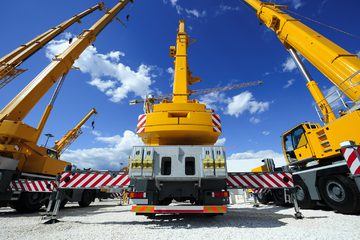
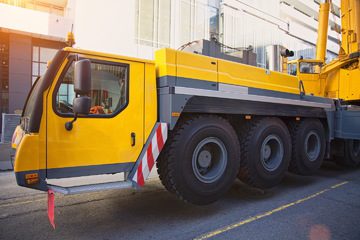
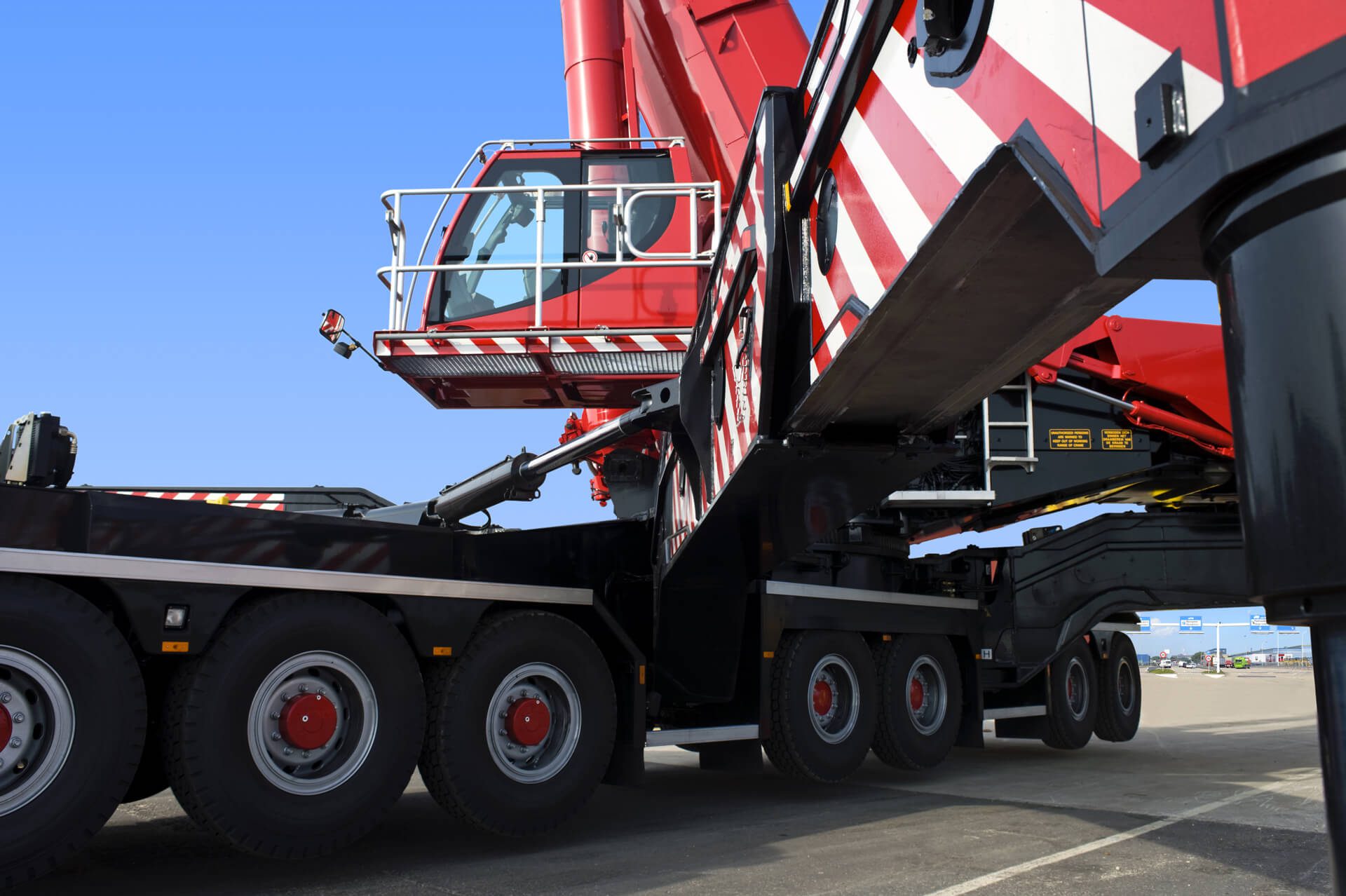
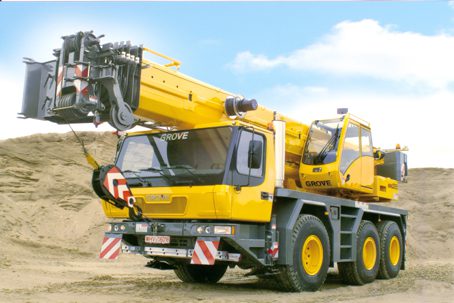
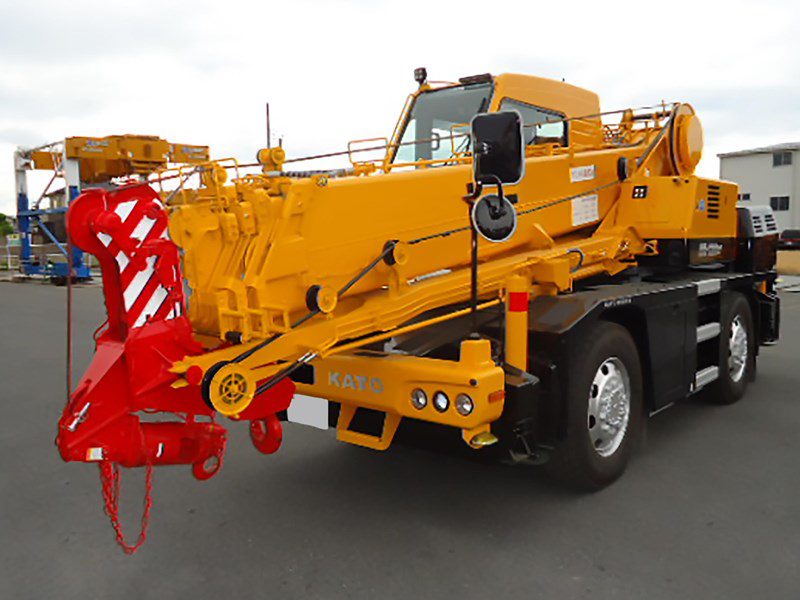
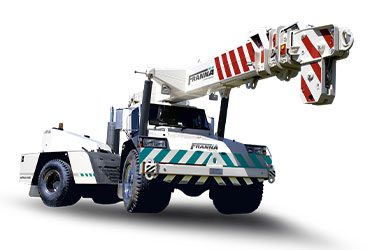
Mobile crane hire refers to the temporary engagement of crane equipment that is mounted on wheeled or crawler-based carriers, allowing it to be transported directly to a worksite and redeployed with minimal fixed infrastructure. Unlike tower cranes, which are assembled on site and remain in place for months or years, mobile cranes are designed for short- to medium-term lifting tasks across multiple locations.
In Australia, mobile crane hire supports a wide spectrum of activities, from installing precast concrete panels and structural steel to handling mechanical plant, bridge components, and utility infrastructure. The model allows construction firms to access lifting capacity without owning and maintaining expensive equipment, a consideration that has become increasingly significant as project pipelines fluctuate with economic cycles.
Strategic Importance in Urban Development
The strategic role of mobile crane hire extends beyond convenience. It reflects a shift toward more agile construction methodologies, particularly in urban areas experiencing rapid densification. Western Sydney illustrates this trend. As industrial estates are converted into mixed-use precincts and transport corridors expand, construction sites are often constrained by existing buildings, traffic flows, and community sensitivities.
In these environments, city crane hire Western Sydney frequently relies on mobile cranes due to their ability to enter and exit sites quickly, operate within narrow footprints, and complete lifts without long-term disruption. This flexibility supports staged construction approaches, allowing projects to progress incrementally rather than committing to permanent crane installations from the outset.
At a strategic level, mobile crane hire enables developers and contractors to align lifting capacity more closely with project phases, reducing idle time and improving overall efficiency. This responsiveness is particularly valuable in infrastructure upgrades, where work windows may be limited to overnight or weekend periods.
Applications Across Infrastructure and High-Rise Projects
Mobile crane hire plays a different role depending on project type. In large-scale infrastructure, such as road upgrades, rail expansions, and energy projects, mobile cranes are often the primary lifting solution. Their mobility allows them to follow linear worksites, relocating as bridges, gantries, or substations are assembled.
In high-rise construction, the picture is more nuanced. Tower cranes typically dominate vertical builds, but mobile cranes remain essential during early and late stages. They are used to assemble tower cranes, lift heavy plant during basement works, and dismantle equipment once the structure is complete. In dense urban projects, mobile cranes may also supplement tower cranes for specific lifts that exceed fixed crane capacity or require precise positioning.
This hybrid approach reflects a broader industry practice of matching lifting solutions to task-specific requirements rather than relying on a single system throughout a project lifecycle.
Efficiency and Suitability in Dense Urban Sites
Efficiency in urban construction is increasingly measured not only by speed but by minimising disruption. Mobile crane hire aligns with this priority by reducing the need for prolonged site occupation. Setup times vary depending on crane size and configuration, but many operations can be completed within hours rather than days.
In Western Sydney’s growing commercial and residential corridors, this capability has practical implications. Roads can be partially closed for shorter durations, pedestrian access can be maintained, and neighbouring businesses experience less interruption. These factors are particularly relevant in areas undergoing redevelopment while remaining economically active.
However, suitability is not universal. Mobile cranes require stable ground conditions and sufficient space for outriggers or crawler tracks. In extremely confined sites, alternatives such as luffing jib tower cranes may still be preferred. The choice ultimately reflects a balance between spatial constraints, load requirements, and regulatory approvals.
Safety Standards and Compliance Frameworks
Safety is a central consideration in mobile crane operations, governed by a combination of national standards and state-based regulations. In Australia, crane design and operation are guided by standards such as AS 1418 for cranes, hoists, and winches, along with relevant sections of AS/NZS 2550 covering safe use.
WorkSafe authorities in each state and territory enforce compliance with these standards, requiring detailed lift planning, risk assessments, and qualified personnel. Crane operators must hold the appropriate high-risk work licences, and doggers and riggers involved in lifts are similarly regulated.
For city crane hire in Western Sydney, additional scrutiny often applies due to proximity to public spaces, overhead services, and live traffic. Local councils and transport authorities may impose conditions related to road occupancy, noise, and working hours, adding layers of regulatory coordination to each lift.
Technological Advancements Shaping the Sector
Technological innovation has significantly altered how mobile crane hire operates in practice. Modern cranes are equipped with advanced load moment indicators, real-time telemetry, and automated safety systems that reduce the risk of overload or instability. These features enhance precision and allow operators to work closer to capacity limits while maintaining compliance.
Digital lift planning tools have also become standard across the sector. Using three-dimensional modelling and simulation, engineers can visualise lifts in advance, accounting for obstacles, slew paths, and ground pressures. This capability is particularly valuable in urban environments, where margins for error are minimal.
Telematics systems enable fleet managers to monitor crane utilisation, maintenance requirements, and operating conditions remotely. While primarily an operational tool, this data-driven approach contributes to broader industry trends toward transparency and accountability.
Regulatory and Licensing Considerations
Beyond safety standards, mobile crane hire in Australia is shaped by a complex regulatory environment. Each state applies its own work health and safety legislation, although harmonisation efforts have reduced some inconsistencies. In New South Wales, SafeWork NSW oversees licensing and compliance, while local councils retain authority over development approvals and traffic management.
Environmental considerations are also gaining prominence. Noise restrictions, emissions standards, and community consultation requirements increasingly influence when and how cranes can operate. In metropolitan areas, compliance with these conditions can be as critical as technical capability.
These regulatory layers underscore why planning is central to effective mobile crane deployment. Lifts are rarely spontaneous; they are the outcome of coordination between contractors, engineers, regulators, and local stakeholders.
MantiKore Cranes in the Australian Lifting Landscape
MantiKore Cranes operates within Australia’s mobile crane hire sector, supporting lifting requirements across commercial construction, infrastructure works, and complex urban projects. Positioned within a regulatory environment shaped by Australian Standards and WorkSafe oversight, the company’s operations reflect the broader industry emphasis on compliance, technical planning, and site-specific risk management. In metropolitan growth corridors, including Western Sydney, operators such as MantiKore Cranes illustrate how mobile crane services are integrated into modern construction workflows, where adaptability, coordination with project stakeholders, and adherence to safety frameworks are as critical as lifting capacity itself.
Industry Challenges and Future Outlook
Despite its advantages, mobile crane hire faces ongoing challenges. Urban congestion, rising compliance costs, and skills shortages place pressure on the sector. At the same time, demand continues to grow as Australia invests in infrastructure and housing to support population growth.
Looking ahead, the role of mobile crane hire is likely to expand further into modular construction and prefabrication, where large components are assembled off-site and lifted into place with precision. This trend aligns with broader efforts to improve productivity and reduce on-site labour demands.
In regions such as Western Sydney, where development intensity is increasing alongside infrastructure investment, mobile cranes will remain a visible and essential component of the built environment. Their adaptability reflects not only engineering capability but an industry responding to the realities of modern urban development.
In this sense, mobile crane hire is more than a logistical service. It is a lens through which the evolution of Australian construction can be observed, balancing efficiency, safety, and regulatory complexity in the pursuit of building the cities of the future.