Australia’s construction sector is under persistent pressure to deliver faster, safer, and more cost-efficient outcomes. Major infrastructure programs, acute housing shortages, and dense urban redevelopment have converged to make time one of the most valuable commodities on any project. Against this backdrop, the question of whether tower crane hire can materially compress project timelines has become more than hypothetical. It now sits at the centre of strategic planning for many large-scale builds across the country.
This question is not about marketing claims or best-case scenarios. It is about how lifting strategies, equipment selection, regulatory compliance, and site logistics interact in practice. When examined closely, the role of tower crane hire reveals both genuine opportunities for acceleration and important constraints that must be understood by decision-makers.
The Strategic Role of Tower Crane Hire in Australian Construction
In modern Australian construction, tower crane hire has evolved from a purely operational decision into a strategic lever. High-rise residential towers, transport hubs, hospitals, and mixed-use precincts increasingly depend on vertical lifting solutions that can operate continuously over long project durations.
Tower cranes enable simultaneous workstreams by supplying materials, formwork, and prefabricated elements across multiple levels of a site. This vertical reach is particularly valuable in cities such as Sydney and Melbourne, where footprint constraints limit ground-based logistics. By reducing internal material bottlenecks, tower crane hire can help stabilise construction sequencing, a factor that directly influences schedule reliability.
In contrast, projects that rely heavily on intermittent mobile lifting often face cumulative delays from repeated setup, repositioning, and access management. While mobile cranes remain essential in many contexts, the consistent availability of a tower crane can fundamentally change how a project is programmed.
Comparing Tower Cranes and Mobile Lifting in Time-Critical Projects
The productivity gains associated with tower crane hire become clearer when compared with mobile crane operations in dense urban environments. Mobile cranes excel in flexibility and rapid deployment, especially during short-term or specialised lifts. However, their efficiency declines when a project requires continuous vertical movement of materials over many months.
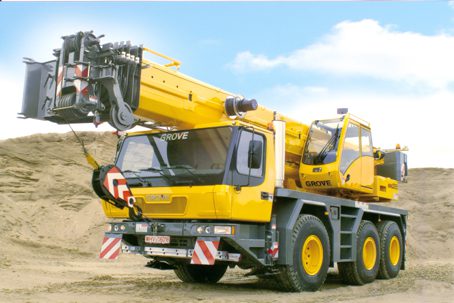
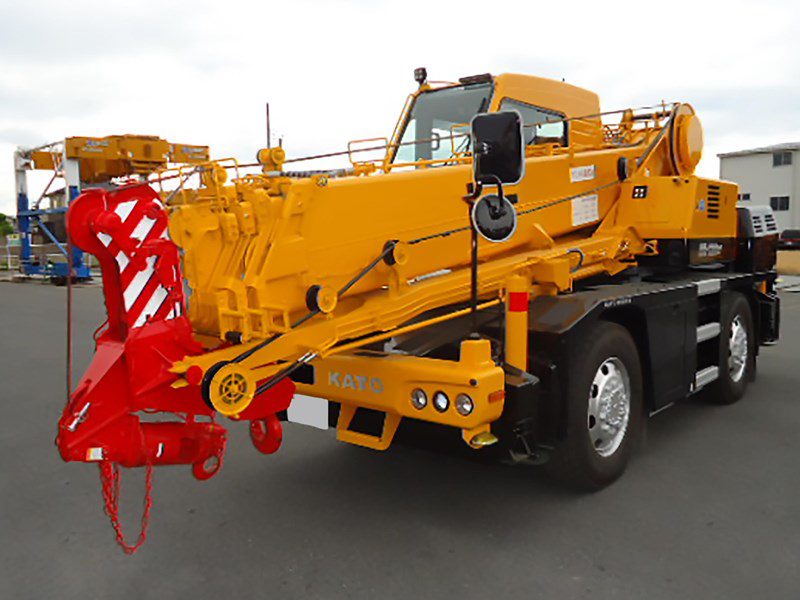
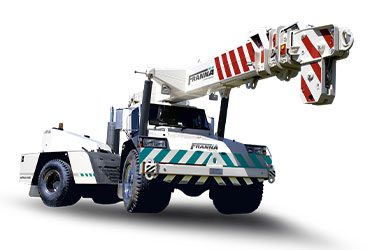
In Sydney, franna crane hire sydney is frequently used during early works, structural steel installation, or plant movements where mobility is critical. Franna cranes can navigate tight access points and complete lifts without outriggers, making them well suited to constrained sites. Yet their lifting radius and height limitations mean they cannot replace tower cranes on high-rise projects.
The distinction is not one of superiority but suitability. Projects that integrate both tower crane hire and franna crane hire sydney tend to achieve better schedule control, using each method where it is most effective. When poorly coordinated, however, overlapping lifting strategies can introduce inefficiencies rather than eliminate them.
How Tower Crane Hire Influences Construction Sequencing
Construction timelines are rarely delayed by a single event. More often, delays accumulate through small disruptions to sequencing. Tower crane hire affects sequencing by allowing predictable, repeatable lifting cycles that support just-in-time delivery of materials.
On high-rise projects, the ability to service multiple trades concurrently reduces idle time between activities such as formwork placement, reinforcement installation, and concrete pours. This predictability enables project managers to tighten float allowances, which in turn shortens overall program durations.
However, these gains depend heavily on planning discipline. Poor crane positioning, inadequate lift studies, or unrealistic load assumptions can negate the advantages of tower crane hire. In some cases, poorly integrated crane operations have even become critical path constraints.
Regulatory and Safety Frameworks Governing Crane Operations
Any discussion of accelerated timelines must be grounded in Australia’s safety and regulatory environment. Crane operations are subject to stringent requirements under state-based Work Health and Safety legislation, enforced by regulators such as SafeWork NSW and WorkSafe Victoria.
Tower crane hire must comply with Australian Standards including AS 2550 for crane operation and AS 1418 for crane design and manufacturing. These standards govern load ratings, inspection regimes, and operational controls, all of which influence how quickly a crane can be commissioned and utilised.
Operators and riggers must hold appropriate High Risk Work Licences issued by state regulators. These licensing requirements are not procedural formalities; they shape labour availability and rostering, particularly during peak construction cycles. While compliance can extend pre-construction timelines, it also reduces the risk of incidents that would cause far more severe delays.
Technological Advancements Shaping Crane Productivity
Technology has become a quiet but significant factor in how tower crane hire impacts project schedules. Modern cranes increasingly incorporate anti-collision systems, load moment indicators, and remote monitoring technologies. These systems improve safety while enabling more confident operation in congested airspace.
Digital planning tools now allow lift paths to be modelled during design stages, reducing the likelihood of late-stage modifications. In some Australian projects, crane data is integrated into Building Information Modelling platforms, allowing real-time coordination between lifting operations and on-site activities.
By contrast, franna crane hire sydney has benefited from advancements in vehicle stability systems and telematics, improving efficiency and safety for mobile lifts. The convergence of these technologies underscores that time savings are rarely achieved through equipment alone, but through the systems that support its use.
Urban Density and the Economics of Time
In dense urban centres, time has a direct financial value. Extended project durations increase holding costs, disrupt neighbouring communities, and heighten exposure to regulatory and weather-related risks. In these contexts, tower crane hire can offer a form of temporal insurance by reducing variability in daily productivity.
However, tower cranes also represent significant fixed costs. Extended idle periods, weather shutdowns, or industrial action can erode any schedule advantages. This is why some developers remain cautious, preferring hybrid strategies that combine tower cranes with targeted franna crane hire sydney to retain flexibility.
The economic calculus is therefore nuanced. Tower crane hire can shorten timelines, but only when utilisation rates remain high and sequencing assumptions hold true.
Infrastructure Projects and Long-Term Crane Deployment
Large infrastructure projects present a different dynamic. Rail corridors, bridges, and port developments often require lifting across extended horizontal distances rather than vertical height. In these cases, tower crane hire may play a supporting rather than central role.
Nonetheless, on station developments and transport-oriented precincts, tower cranes are increasingly deployed for extended periods to support staged construction. Their ability to service complex geometries without repeated mobilisation can yield meaningful time savings over multi-year programs.
The integration of tower crane hire into infrastructure projects also demands close coordination with public authorities, including Transport for NSW and local councils. Road closures, airspace management, and community safety considerations can all affect crane operations and, by extension, project timelines.
Can Timelines Really Be Cut in Half?
The idea that tower crane hire could halve a project timeline is provocative, but rarely literal. In practice, schedule reductions tend to be incremental rather than dramatic. Gains of weeks or months, however, can be transformative on projects valued in the hundreds of millions of dollars.
Where dramatic improvements do occur, they are usually the result of systemic change rather than a single decision. Early integration of lifting strategies, realistic programming, skilled operators, and compliance with Australian standards all contribute to the outcome.
Tower crane hire is therefore best understood as an enabler rather than a guarantee. When aligned with thoughtful planning and complementary solutions such as franna crane hire sydney, it can materially improve delivery speed. When misapplied, it becomes just another expensive asset waiting to be used.
A Measured Answer to an Urgent Question
Australia’s construction sector continues to search for ways to deliver faster without compromising safety or quality. Tower crane hire occupies a central position in this conversation because it touches every aspect of project delivery, from design and logistics to regulation and workforce capability.
The evidence suggests that while tower cranes alone will not halve project timelines, they can significantly compress schedules when deployed strategically. In an industry where marginal gains often determine commercial success, that distinction matters.