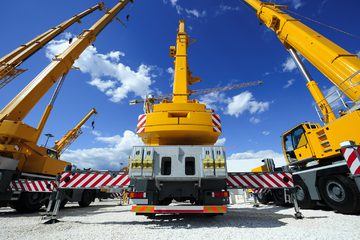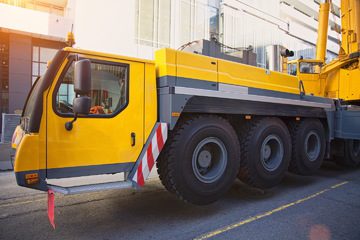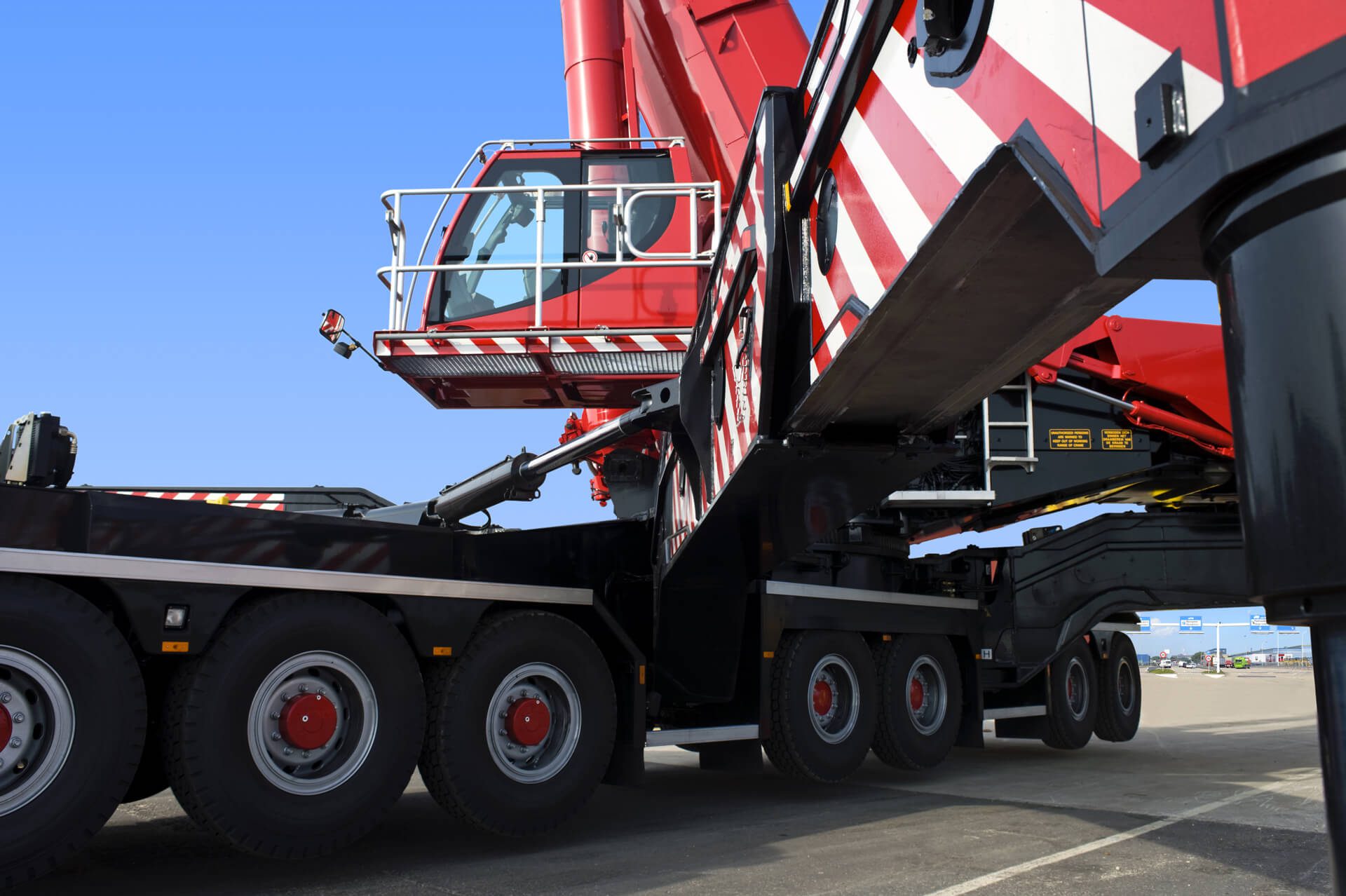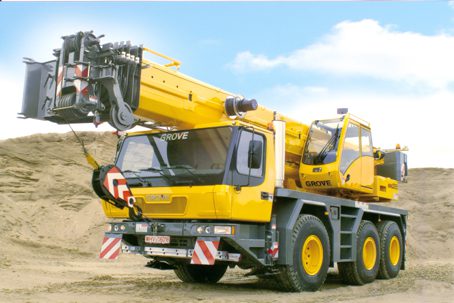
The construction landscape across Australia’s most densely populated cities is undergoing a fundamental transformation. As Sydney’s skyline continues its vertical expansion and infrastructure projects grow in complexity, the equipment underpinning these developments faces mounting pressure to deliver precision, efficiency, and safety in increasingly constrained environments. At the center of this evolution stands a question that resonates throughout the industry: how can heavy lifting operations adapt to meet the demands of modern urban construction while maintaining the highest standards of safety and operational excellence?
The Strategic Imperative of Specialized Lifting Solutions
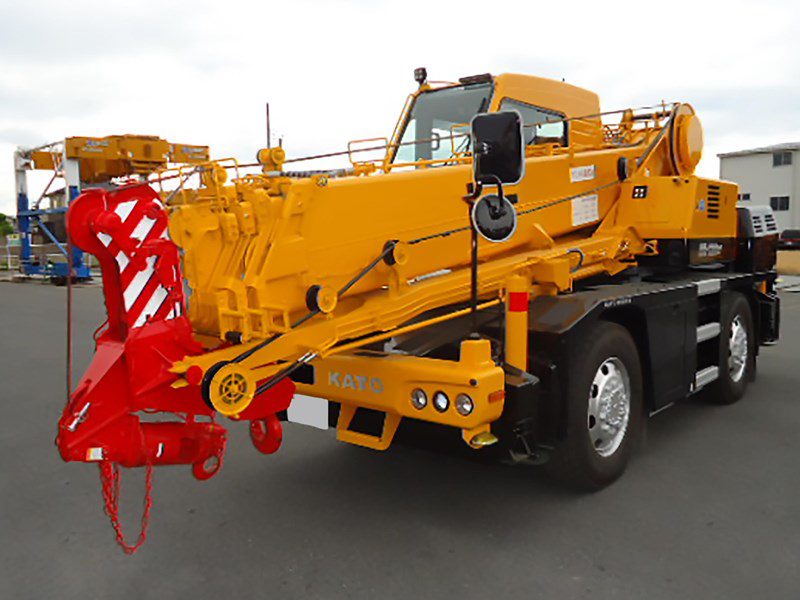
Mobile crane hire has emerged as a critical component of Australia’s construction ecosystem, particularly in metropolitan centers where space constraints and regulatory requirements demand sophisticated equipment deployment. Unlike permanent tower cranes that dominate long-term construction sites, mobile cranes offer flexibility that aligns with the diverse needs of projects ranging from high-rise developments to complex infrastructure installations. The distinction matters significantly in cities like Sydney, where construction timelines, site accessibility, and logistical challenges create unique operational parameters.
The Australian construction industry generated approximately $360 billion in economic activity during the 2023-24 financial period, with New South Wales accounting for nearly one-third of that output. Within this substantial market, the deployment of heavy lifting equipment represents a fundamental operational decision that influences project timelines, budget allocations, and safety outcomes. Industry professionals increasingly recognize that the choice of lifting solutions extends beyond simple equipment selection, encompassing considerations of operator expertise, regulatory compliance, and technological capability.
Urban Density and the Evolution of Lifting Technology
Sydney’s construction environment presents distinctive challenges that separate it from less constrained markets. The city’s established urban fabric means that new developments frequently occur within neighborhoods where residential buildings, commercial structures, and critical infrastructure coexist in close proximity. This reality transforms every lifting operation into a carefully orchestrated exercise in spatial management and risk mitigation.
City crane hire western sydney has become particularly complex as the region experiences rapid growth across industrial, commercial, and residential sectors. Western Sydney’s transformation from predominantly suburban sprawl to a diversified economic hub includes the development of the Western Sydney Aerotropolis, significant transport infrastructure projects, and expanding manufacturing facilities. Each of these developments requires lifting solutions capable of navigating sites with variable access points, proximity to active roadways, and integration with ongoing operations.
The technological advancement of mobile crane systems reflects this operational reality. Modern equipment incorporates computer-aided load calculation systems that analyze ground conditions, load weights, boom configurations, and environmental factors in real time. These systems provide operators with precise operational parameters, significantly reducing the margin for human error that historically contributed to lifting incidents. Load moment indicators, anti-two-block systems, and automated overload protection represent standard features on contemporary equipment, yet the integration of these technologies varies considerably across the industry.
Regulatory Architecture and Compliance Frameworks
Australia’s approach to crane operations reflects a sophisticated understanding of the risks inherent in heavy lifting. The national framework established through Work Health and Safety regulations requires that high-risk construction work, including crane operations, be conducted under strict licensing and certification requirements. SafeWork NSW, the primary regulatory authority for workplace safety in New South Wales, maintains comprehensive guidelines that govern every aspect of crane deployment.
Licensed crane operators in Australia must complete nationally recognized training that addresses both theoretical knowledge and practical competency. The licensing regime distinguishes between different crane types and capacities, recognizing that mobile crane operations require distinct skill sets compared to tower or overhead crane work. Beyond individual operator licensing, the regulatory framework requires that businesses conducting crane hire operations maintain detailed safety management systems, conduct regular equipment inspections, and document all lifting operations above specified thresholds.
The Australian Standard AS 2550 series provides technical specifications for crane operations, covering design, inspection, testing, and operation of cranes across various categories. Compliance with these standards represents a baseline requirement rather than a competitive differentiator, yet industry observers note significant variation in how thoroughly different operators implement these requirements. The distinction between minimal compliance and comprehensive safety culture becomes apparent in operational practices, maintenance protocols, and incident response procedures.
Comparative Approaches in Equipment Deployment
The Australian market for mobile crane hire encompasses diverse operational models that reflect different strategic priorities. Some providers maintain extensive fleets of equipment across multiple capacity ranges, enabling rapid deployment for projects with varying requirements. This approach offers clients flexibility and potentially shorter mobilization times, though it requires substantial capital investment and maintenance infrastructure.
Alternative models emphasize specialization in particular crane types or capacity ranges, developing deep expertise in specific applications. This focused approach can deliver superior performance for projects that align with the provider’s specialization but may lack the versatility required for diverse project portfolios. The tension between breadth and depth of capability represents a fundamental strategic choice within the industry.
Project-specific considerations often determine which approach delivers optimal outcomes. High-rise construction projects in Sydney’s central business district typically require different lifting solutions compared to infrastructure projects in developing areas or industrial installations in western suburbs. Tower cranes may dominate vertical construction sites where long-term deployment justifies installation costs, while mobile cranes excel in projects requiring frequent repositioning or diverse lifting tasks across distributed work areas.
Economic Pressures and Operational Efficiency
The construction industry faces persistent pressure to deliver projects within tight budget constraints and compressed timelines. Equipment costs represent a significant component of project budgets, creating incentive for contractors to optimize crane deployment strategies. The calculation extends beyond simple hourly rates to encompass mobilization costs, operator expertise, insurance implications, and potential delays associated with equipment limitations or availability.
Recent analysis suggests that equipment-related delays account for approximately twelve percent of construction project overruns in Australia, with lifting equipment availability and capability representing a substantial portion of these delays. The economic impact extends beyond direct costs to encompass contractual penalties, extended site overhead, and reputational consequences that influence future project opportunities.
Efficient crane deployment requires sophisticated planning that considers load requirements, site access limitations, sequential lifting operations, and coordination with other construction activities. Projects that invest in detailed lift planning typically experience fewer operational disruptions and enhanced safety outcomes compared to those that address lifting requirements reactively. Industry professionals increasingly recognize that the lowest initial equipment cost rarely translates to optimal project economics when broader operational impacts are considered.
Future Trajectories in Heavy Lifting
The Australian construction industry stands at the intersection of several transformative trends that will reshape heavy lifting operations. Digital integration promises enhanced operational visibility through telematics systems that monitor equipment performance, operator behavior, and maintenance requirements in real time. These systems enable predictive maintenance approaches that reduce unplanned downtime while extending equipment lifecycles.
Automation represents another frontier, though industry observers note that fully autonomous crane operations remain distant given the complexity and variability of construction environments. Near-term developments focus on operator assistance systems that enhance human decision-making rather than replacing it entirely. Remote operation capabilities may offer solutions for particularly hazardous lifting scenarios while maintaining human judgment in the control loop.
Sustainability considerations increasingly influence equipment selection as the construction industry confronts pressure to reduce carbon emissions. Electric and hybrid power systems represent emerging alternatives to traditional diesel powertrains, though the performance requirements and operational patterns of heavy lifting equipment present distinct challenges compared to other construction machinery.
The evolution of Sydney’s construction landscape ensures that mobile crane hire and specialized lifting solutions will remain central to the industry’s operational capability. As projects grow in complexity and regulatory frameworks continue emphasizing safety and environmental performance, the distinction between adequate and exceptional lifting services will likely become more pronounced. For an industry building the infrastructure that shapes Australia’s urban future, the stakes could hardly be higher.