Australia’s urban skylines are increasingly defined by vertical construction. From high-rise residential towers to transport interchanges and hospital redevelopments, tower cranes have become critical enablers of dense, capital-intensive projects. Yet while the cranes themselves dominate public attention, the foundations beneath them are often overlooked. These foundations are not incidental engineering details; they are among the most risk-sensitive components of any construction program. Understanding what foundation requirements tower cranes need is therefore central to safety, efficiency, and project certainty across the Australian construction sector.
The Strategic Role of Tower Cranes in Australian Cities
Tower cranes underpin much of Australia’s contemporary urban development. In cities such as Sydney, Melbourne, and Brisbane, constrained land availability and rising population density have shifted construction activity upward rather than outward. In this context, tower crane hire has become a strategic input, enabling the vertical movement of materials, formwork, and prefabricated components at scale.
Foundations play a decisive role in whether these cranes can operate safely within tight urban footprints. Unlike mobile equipment, tower cranes impose long-term, static and dynamic loads on a single location. The foundation must resist vertical compression, lateral wind forces, torsional stresses, and cyclic loading over months or years. Failure to design or execute these foundations correctly can compromise not only the crane but the surrounding site and neighbouring properties.
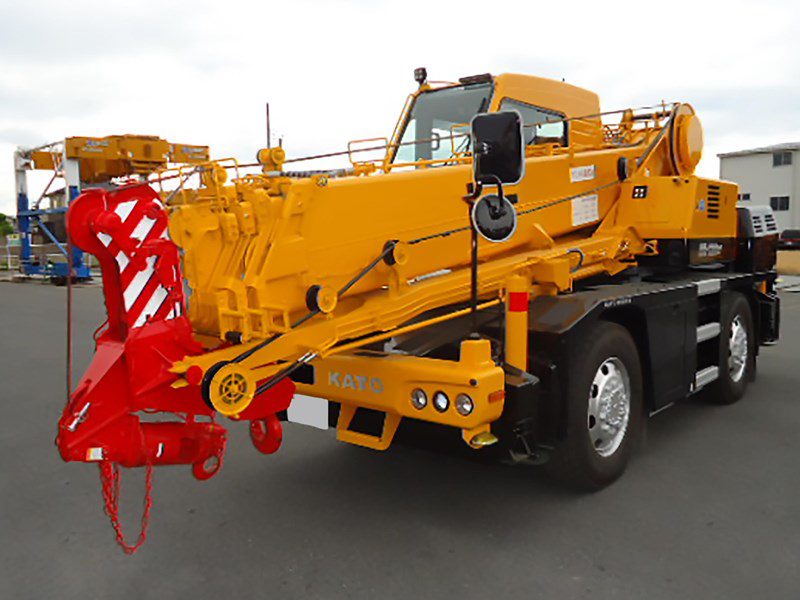
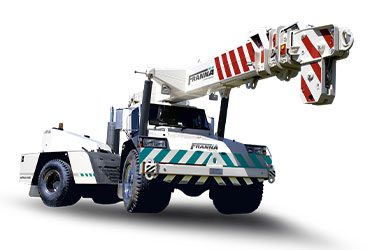
In contrast, franna crane hire sydney is often associated with shorter-duration lifts and lower ground bearing demands, particularly during early site works or logistics operations. The comparison highlights why tower crane foundations require a fundamentally different engineering and regulatory approach.
Ground Conditions and Geotechnical Investigation
The starting point for any tower crane foundation is a detailed geotechnical assessment. Australian construction sites present highly variable soil conditions, ranging from sandstone bedrock in parts of Sydney to deep clay profiles and reclaimed land in coastal or former industrial zones. These conditions directly influence foundation type, depth, and reinforcement strategy.
Geotechnical investigations typically include borehole drilling, soil classification, groundwater analysis, and bearing capacity testing. The results inform whether a shallow foundation, such as a reinforced concrete pad, is sufficient or whether deep solutions, including piles or caissons, are required. In dense urban projects, neighbouring structures, basements, and underground services further complicate these assessments, increasing the importance of conservative design assumptions.
The reliance on empirical data aligns with Australian Standards, particularly AS 2159 for piling design and installation, which emphasises site-specific analysis rather than generic load assumptions.
Common Foundation Types Used for Tower Cranes
Foundation selection reflects both crane configuration and site constraints. For smaller cranes on competent ground, a large reinforced concrete base anchored directly to soil or rock may be adequate. These bases are engineered to distribute loads evenly and prevent differential settlement over time.
On sites with weaker soils or deep excavations, piled foundations are more common. Steel or reinforced concrete piles transfer crane loads to deeper, more stable strata, reducing settlement risk. In high-rise developments with deep basements, cranes are often founded within the basement structure itself, integrating crane loads into the permanent works.
These integrated solutions require close coordination between structural engineers, crane suppliers, and builders. While tower crane hire enables flexibility in crane selection, the foundation design must be finalised early, often before superstructure construction begins. This contrasts with franna crane hire sydney, where ground preparation is typically less complex and more adaptable.
Load Calculations and Structural Engineering Considerations
Tower crane foundations are designed to accommodate multiple load cases. These include self-weight, maximum lifting capacity at various radii, wind loading under both operating and out-of-service conditions, and dynamic effects from slewing and braking. Australian wind codes, particularly AS/NZS 1170.2, play a significant role in determining lateral and overturning forces.
Structural engineers must also account for fatigue, especially on long-duration projects where cranes operate daily. Reinforcement detailing, concrete strength, and anchorage systems are all specified to manage these stresses over the crane’s service life. Independent certification of these calculations is common practice on major projects, reflecting the high-risk profile of tower crane operations.
Regulatory Oversight and Safety Compliance in Australia
Tower crane foundations are subject to rigorous regulatory oversight. WorkSafe authorities in each state, including SafeWork NSW and WorkSafe Victoria, require documented evidence that crane bases are designed, constructed, and inspected in accordance with relevant standards and manufacturer specifications.
Licensing requirements under state-based work health and safety legislation mandate that crane erection and commissioning are supervised by appropriately qualified personnel. Foundations must be inspected prior to crane installation, with sign-off often required from a registered professional engineer. Any modification to the foundation or crane configuration typically triggers a reassessment and updated certification.
These compliance frameworks reflect lessons learned from past incidents, both in Australia and internationally, where foundation failures have led to catastrophic outcomes.
Technological Advancements in Foundation Design and Monitoring
Advances in digital engineering are reshaping how tower crane foundations are designed and managed. Building information modelling allows foundation designs to be integrated with broader site models, identifying clashes with services, basements, and adjacent structures before construction begins.
Sensor technology is also gaining traction. Load cells, tilt sensors, and settlement monitoring systems can provide real-time data on foundation performance throughout the crane’s operation. While not yet universal, these tools are increasingly adopted on high-risk sites, supporting proactive risk management rather than reactive intervention.
Such innovations reinforce the strategic value of tower crane hire in complex projects, where predictability and data-driven decision-making are essential.
Comparing Tower Crane and Mobile Crane Foundation Needs
The distinction between tower crane foundations and those required for mobile equipment is instructive. Tower cranes demand permanent or semi-permanent foundations designed for sustained loads and environmental exposure. Their installation is a structural event, often embedded in the critical path of a project.
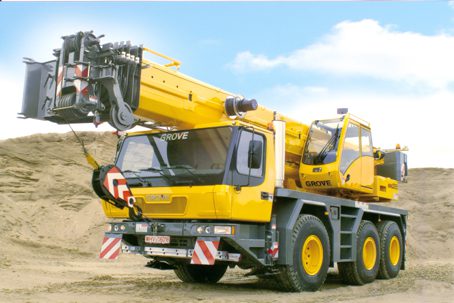
By comparison, franna crane hire sydney typically relies on existing pavements or temporary ground improvements. Franna cranes are designed to distribute loads through tyres and outriggers, allowing for rapid relocation and minimal ground intervention. This makes them well suited to logistics, plant installation, and short-term lifting tasks but unsuitable for continuous vertical construction in dense urban environments.
Understanding these differences allows project teams to deploy crane types strategically, aligning foundation investment with operational requirements.
Risk Management and Project Planning Implications
Foundation design has broader implications for project risk and sequencing. Delays in foundation construction can cascade into crane erection delays, affecting structure, façade, and services trades. Conversely, over-designed foundations can inflate costs and constrain future site flexibility.
Effective risk management therefore requires early collaboration between developers, engineers, and crane specialists. In Australia’s increasingly regulated and capacity-constrained construction market, this collaboration is a defining factor in successful project delivery.
Foundations as the Invisible Enablers of Vertical Construction
Tower crane foundations rarely attract attention outside engineering circles, yet they are fundamental to modern construction. As Australian cities continue to densify, the technical, regulatory, and strategic importance of these foundations will only grow. Whether through tower crane hire supporting multi-year high-rise developments or franna crane hire sydney facilitating flexible site operations, the choice of crane and the design of its foundation reflect deeper decisions about risk, efficiency, and urban form.
In this sense, tower crane foundations are not merely concrete and steel. They are the physical expression of planning discipline, regulatory compliance, and engineering judgement that underpin Australia’s built environment.