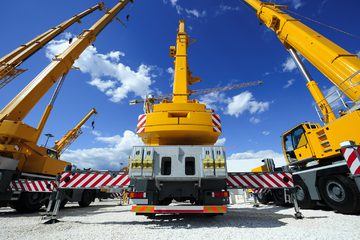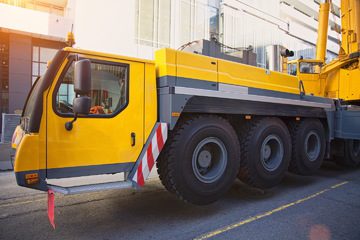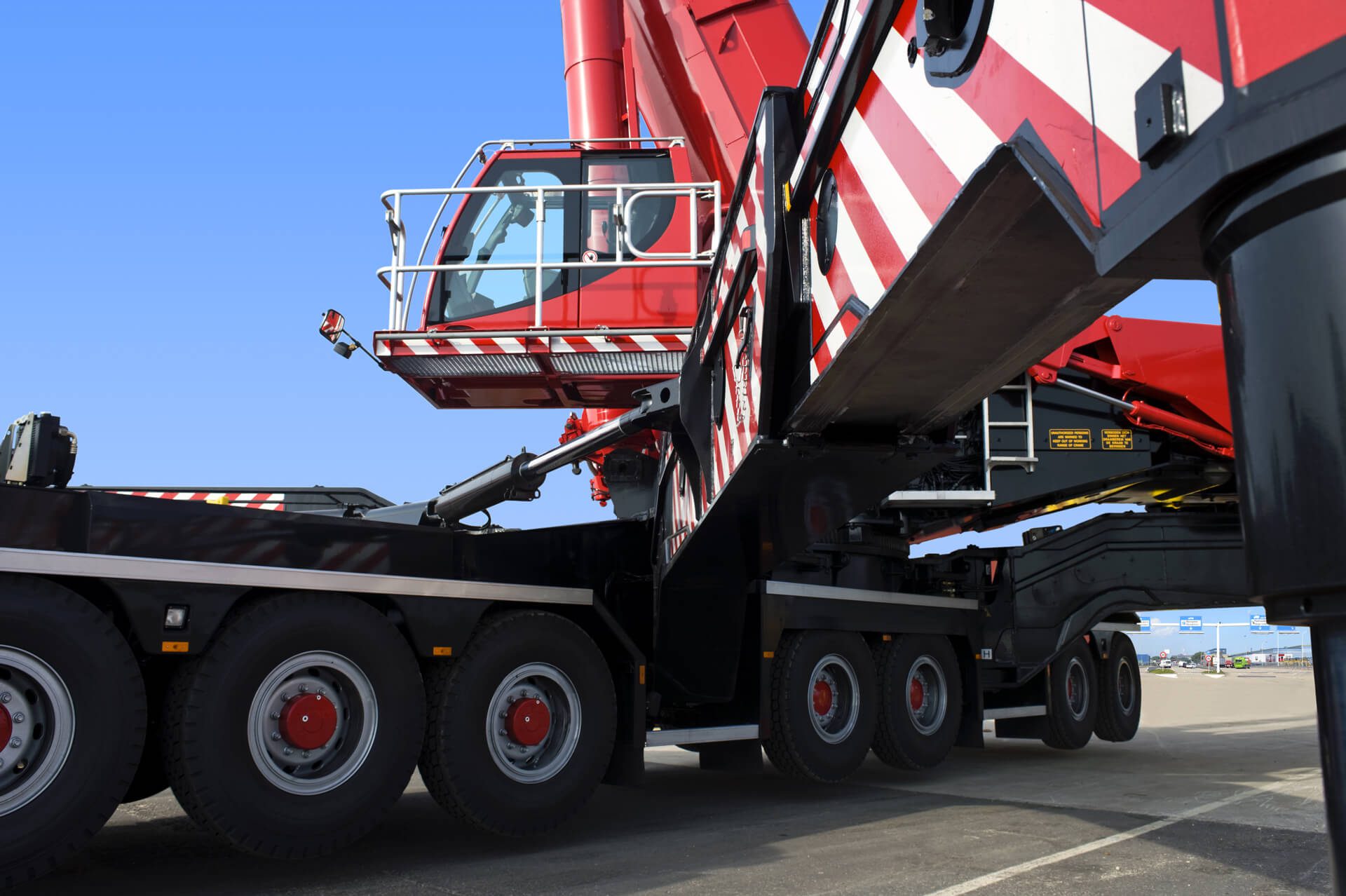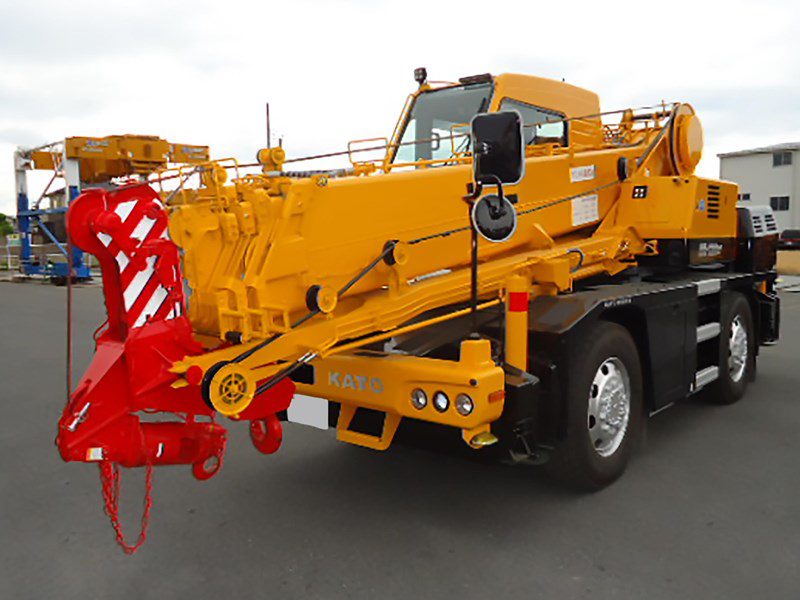
The skeletal silhouettes of tower cranes have become synonymous with Australian urban growth. From Sydney’s ever-evolving skyline to regional infrastructure corridors, these engineering marvels represent far more than construction equipment. They embody a complex intersection of safety protocols, regulatory compliance, technological innovation, and strategic project management that determines whether multimillion-dollar developments succeed or falter.
As Australia’s construction sector navigates workforce shortages, supply chain pressures, and increasingly ambitious project timelines, the question of what constitutes reliable tower crane hire has never been more consequential for industry stakeholders.
The Strategic Imperative of Tower Crane Deployment
Modern Australian construction operates on razor-thin margins where equipment reliability directly correlates with project viability. Tower crane hire represents a strategic decision that ripples through every phase of development, from initial site planning to final handover. The choice of equipment supplier, crane specification, and maintenance regime can mean the difference between meeting contractual deadlines and incurring substantial liquidated damages.
Industry data suggests that crane-related delays cost Australian construction projects an estimated forty-seven million dollars annually. This figure encompasses not merely equipment downtime but the cascading effects on subcontractor scheduling, material deliveries, and workforce productivity. For project managers and developers, understanding what distinguishes dependable tower crane hire from substandard alternatives has become an essential competency.
The equation extends beyond major metropolitan centres. Regional expansion has created demand corridors where specialized expertise remains scarce. Crane hire southern highlands operations, for instance, must navigate unique logistical challenges including transportation access, local planning requirements, and the absence of readily available backup equipment that metropolitan counterparts take for granted.
Technical Standards Governing Australian Operations
The Australian regulatory framework for tower crane operations ranks among the most rigorous globally. Safe Work Australia oversees the national harmonisation of work health and safety laws, while state-based regulators including SafeWork NSW and WorkSafe Victoria enforce compliance at the operational level.
Central to this framework are the AS/NZS 1418 series of standards, which establish comprehensive requirements for crane design, construction, and operation. Part five of this standard specifically addresses tower cranes, mandating regular inspections, load testing protocols, and documentation requirements that reputable tower crane hire providers must satisfy before equipment reaches any Australian worksite.
The licensing regime adds another layer of accountability. Crane operators must hold appropriate High Risk Work Licences issued under the national licensing system, with tower crane operation designated as a specialist category requiring both theoretical assessment and practical demonstration of competency. Equipment suppliers bear responsibility for verifying operator credentials before permitting crane access, creating a shared accountability model that underpins sector safety performance.
Regional Considerations and Logistical Complexity
The decentralisation of Australian construction activity has created new operational paradigms for equipment providers. Growth corridors extending beyond traditional metropolitan boundaries require suppliers capable of servicing geographically dispersed projects without compromising response times or technical support quality.
Crane hire southern highlands exemplifies this regional dynamic. The area’s proximity to greater Sydney has attracted significant residential and commercial development, yet its semi-rural character presents distinct challenges. Road access limitations affect the transportation of crane components, while the relative scarcity of local technical personnel means that equipment issues may require specialists travelling considerable distances.
Reliable regional operators have adapted by establishing localised maintenance capabilities and maintaining closer relationships with project teams. This approach reduces dependency on metropolitan support networks and enables faster response to emerging issues. For developers operating in these growth corridors, evaluating a supplier’s regional service infrastructure has become as important as assessing their equipment fleet.
Technological Evolution in Crane Operations
The tower crane sector has witnessed substantial technological advancement over the past decade, reshaping industry expectations regarding what constitutes professional-grade tower crane hire. Telematics systems now enable real-time monitoring of crane performance metrics, allowing both operators and suppliers to identify potential issues before they manifest as operational failures.
Anti-collision systems have become standard on complex sites where multiple cranes operate in proximity. These technologies employ sensors and programmable zone restrictions to prevent equipment conflicts, addressing a risk factor that historically accounted for significant incident rates on dense urban projects.
Load moment indicators have similarly evolved, providing operators with increasingly sophisticated data regarding lifting operations. Modern systems integrate weather monitoring, automatically restricting operations when wind speeds exceed safe thresholds. This automation removes subjective judgment from critical safety decisions, reducing the potential for human error during high-pressure project phases.
Australian adoption of these technologies varies considerably across the hire market. Premium providers have embraced technological integration as a competitive differentiator, while budget-focused alternatives may operate older equipment lacking contemporary safety features. For construction professionals, understanding these technological distinctions enables more informed procurement decisions.
Compliance Documentation and Due Diligence
The documentary burden associated with Australian construction has intensified significantly, with tower crane hire arrangements attracting particular scrutiny from principal contractors and project managers. Standard due diligence now encompasses verification of equipment registration, maintenance records, insurance coverage, and operator licensing before any crane arrives on site.
Safe Work Method Statements specific to crane operations must detail rigging procedures, exclusion zones, communication protocols, and emergency response arrangements. These documents require review and acceptance by site management, creating a contractual record that assigns responsibilities across the project team.
Maintenance documentation presents another critical checkpoint. Australian standards mandate regular inspections at prescribed intervals, with findings recorded and defects addressed before continued operation. Hire agreements that include comprehensive maintenance regimes transfer significant compliance burden from the hirer to the supplier, though project teams retain ultimate responsibility for ensuring equipment meets legislative requirements.
Evaluating Reliability Beyond Equipment Condition
Equipment quality represents merely one dimension of hire reliability. Equally significant are the support structures surrounding each deployment. Technical advisory services assist project teams in selecting appropriate crane configurations for specific applications, considering factors including lift requirements, site constraints, and construction methodology.
Emergency response capability distinguishes established providers from marginal operators. The capacity to dispatch qualified technicians within acceptable timeframes, supply replacement components from maintained inventory, and if necessary provide substitute equipment determines whether equipment issues become minor inconveniences or project-threatening crises.
The Australian construction sector’s maturation has elevated expectations regarding these support functions. Industry professionals increasingly recognise that tower crane hire constitutes a service relationship rather than a simple equipment transaction. Providers capable of functioning as technical partners rather than mere equipment lessors command premium positioning within the market.
As Australia’s infrastructure pipeline extends through the decade, these reliability fundamentals will continue determining project outcomes across metropolitan centres and regional growth corridors alike. For construction professionals navigating an increasingly complex operating environment, understanding what genuinely ensures dependable crane operations has become indispensable professional knowledge.