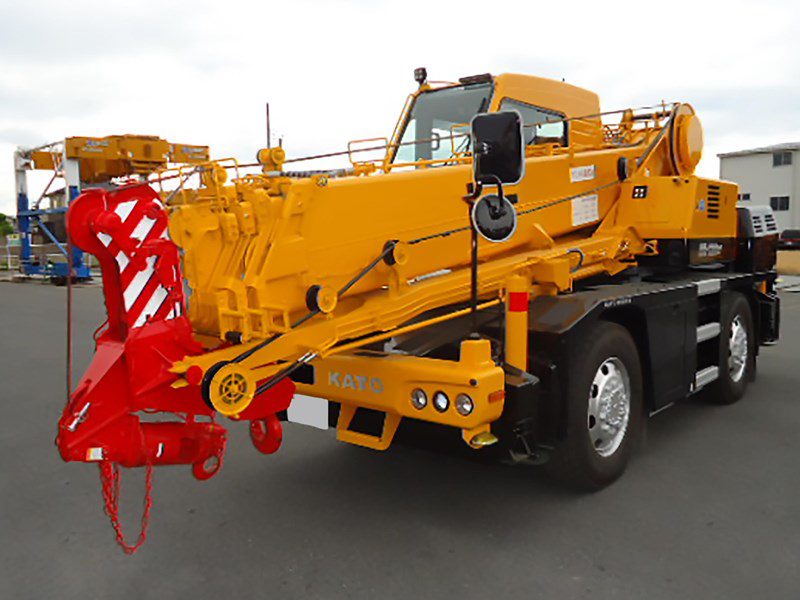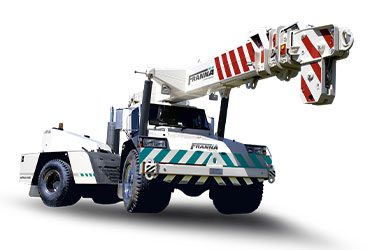
In Australia’s booming construction sector, where urban expansion and infrastructure demands are accelerating, the choice of lifting equipment plays a pivotal role in project success. Tower crane hire has emerged as a cornerstone for efficient operations, particularly in high-rise developments and large-scale builds. This approach allows contractors to access specialized machinery without the burdens of ownership, enabling focus on core tasks while adapting to the nation’s diverse project landscapes.
The Strategic Role of Crane Hire in Modern Australian Construction
Tower crane hire provides a flexible solution that aligns with the dynamic needs of Australia’s construction industry, which is projected to grow amid government-backed initiatives. By opting for tower crane hire, builders can scale operations according to project phases, avoiding the capital lockup associated with purchasing equipment. This strategic choice enhances resource allocation, as funds can be redirected toward skilled labor or materials, ultimately boosting overall project viability in a competitive market.
In urban development, where space constraints and timelines are critical, tower crane hire facilitates vertical growth in cities like Sydney and Melbourne. It supports the lifting of heavy loads to significant heights, streamlining workflows in densely populated areas. Such efficiency is vital for meeting Australia’s housing and commercial demands, as seen in recent high-rise projects that rely on these cranes to maintain momentum without disrupting surrounding environments.
Furthermore, the integration of tower crane hire into broader infrastructure strategies underscores its role in fostering sustainable practices. Contractors benefit from access to modern, well-maintained units that comply with environmental standards, reducing downtime and emissions. This adaptability is particularly evident in mixed-use developments, where precise lifting ensures seamless coordination among trades.
Applications in Infrastructure, High-Rise, and Dense Urban Projects
Across Australia’s infrastructure landscape, tower crane hire is deployed in varied contexts, from bridge construction to airport expansions. In high-rise buildings, these cranes excel at hoisting steel beams and concrete panels, enabling rapid assembly that shortens project durations. Their fixed positioning offers stability for repetitive lifts, making them indispensable for skyscrapers in central business districts.
In contrast, dense urban projects often require a blend of lifting solutions to navigate tight sites. Here, tower crane hire complements other methods by providing overhead coverage that minimizes ground-level obstructions. For instance, in ongoing rail and road upgrades, these cranes handle oversized components with precision, ensuring minimal impact on public thoroughfares.
Technological methods further enhance applications, with modular crane designs allowing customization for specific project scales. In Western Sydney’s burgeoning infrastructure hubs, where rapid development is underway, builders increasingly turn to specialized services like franna crane hire western Sydney to address mobility needs alongside tower setups. This combination supports efficient material handling in areas with limited access, reflecting the sector’s shift toward integrated lifting strategies.
Comparing Industry Practices: Tower Cranes Versus Mobile Alternatives
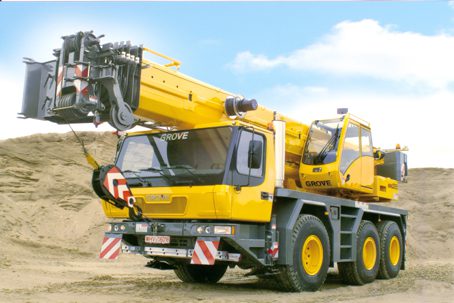
When evaluating efficiency, tower crane hire stands out for its superior reach and capacity in prolonged vertical operations, often outperforming mobile cranes in high-volume lifts. Tower models can extend hundreds of meters, ideal for multi-story structures, whereas mobile units like Franna cranes prioritize quick deployment and maneuverability. This distinction influences suitability, with towers favoring static, long-term sites and mobiles excelling in dynamic environments.
In terms of application, tower crane hire promotes labor productivity by centralizing lifting, reducing the need for multiple ground-based machines. However, Franna cranes offer advantages in pick-and-carry tasks, where loads must be transported across sites without disassembly. For projects in franna crane hire western Sydney, this mobility proves essential for navigating suburban construction zones, contrasting with the fixed efficiency of towers in urban cores.
Efficiency metrics reveal towers achieve higher throughput in dense builds, with lower operational interruptions, while Frannas minimize setup times, suiting shorter engagements. Industry practices highlight this contrast in Western Sydney’s airport-related works, where franna crane hire western Sydney facilitates agile responses to logistical challenges, versus towers’ role in sustained elevation tasks. Such comparisons underscore the need for project-specific assessments to optimize outcomes.
Safety Standards and Compliance Frameworks in Australia
Australia’s crane operations are governed by rigorous safety standards, ensuring worker protection amid the sector’s inherent risks. The AS/NZS 1418 series outlines requirements for crane design, installation, and maintenance, mandating regular inspections to prevent failures. Compliance with these standards is non-negotiable, as they address load limits, stability, and operator training, fostering a culture of accountability across sites.
WorkSafe authorities in each state enforce these frameworks, conducting audits and issuing guidelines tailored to local conditions. For tower crane hire, this includes verifying structural integrity and wind resistance, critical in cyclone-prone regions. Violations can lead to severe penalties, emphasizing the importance of partnering with certified providers to uphold safety protocols.
Beyond basic compliance, standards like AS 2550 for crane usage incorporate risk assessments for high-risk activities. These measures have reduced incident rates, with data from Safe Work Australia showing improved outcomes through mandatory reporting and education. In practice, this translates to enhanced site protocols, where tower crane hire operators must adhere to pre-lift planning to mitigate hazards effectively.
Technological Advancements Shaping the Crane Sector
Innovations in tower crane technology are transforming efficiency, with 2025 marking advances in automation and monitoring systems. Telematics now enable real-time data tracking, allowing operators to optimize fuel use and predict maintenance needs, thereby extending equipment lifespan. AI-driven sensors enhance precision, automatically adjusting for load swings and environmental factors.
Remote operation features are gaining traction, permitting control from safer distances and reducing exposure to site dangers. Electric-powered models, increasingly common in tower crane hire fleets, align with Australia’s sustainability goals by lowering carbon footprints. These developments not only boost productivity but also integrate with building information modeling for seamless project coordination.
In urban settings like Western Sydney, where franna crane hire western Sydney incorporates similar tech for compact operations, advancements ensure compatibility across crane types. Anti-collision systems, now standard, prevent overlaps in multi-crane environments, further elevating sector standards. As these technologies evolve, they promise to redefine lifting efficiency in Australia’s construction landscape.
Regulatory Considerations and Licensing Requirements
Navigating Australia’s regulatory environment is essential for crane operations, with licensing overseen by bodies like Safe Work Australia and state regulators. High-risk work licenses are required for tower crane operators, involving competency assessments under national frameworks. These ensure proficiency in handling complex machinery, with renewals tied to ongoing training.
Industry standards such as AS/NZS 1418 extend to hiring practices, mandating documentation of crane history and compliance certificates. For franna crane hire western Sydney, similar requirements apply, including vehicle registration for mobile units traversing public roads. Breaches can halt projects, highlighting the need for thorough due diligence in procurement.
Government initiatives, including infrastructure funding, often stipulate adherence to these regulations, promoting best practices. WorkSafe’s codes of practice provide detailed guidance on erection and dismantling, crucial for tower crane hire. This layered approach safeguards public interest while supporting sector growth through standardized excellence.
Challenges and Future Outlook in the Industry
Despite benefits, tower crane hire faces challenges like supply chain disruptions and skilled labor shortages, impacting availability in peak seasons. Urban congestion complicates logistics, particularly in high-density areas, requiring innovative solutions to maintain efficiency. Economic fluctuations also influence hiring decisions, as rising costs pressure budgets.
Looking ahead, the sector’s future appears robust, driven by investments in Western Sydney’s infrastructure, where projects like the M12 Motorway demand advanced lifting capabilities. Integration of sustainable technologies will likely address environmental concerns, with hybrid models gaining prominence. As Australia advances urban renewal, tower crane hire will remain central, evolving to meet demands for speed and safety.
In summary, the real benefits of tower crane hire lie in its capacity to deliver efficient, compliant lifting solutions tailored to Australia’s diverse construction needs. By balancing strategic deployment with regulatory rigor, the industry positions itself for sustained progress. This approach not only accelerates project delivery but also upholds the high standards expected in modern development.