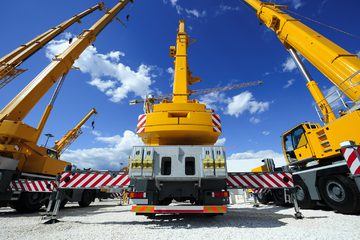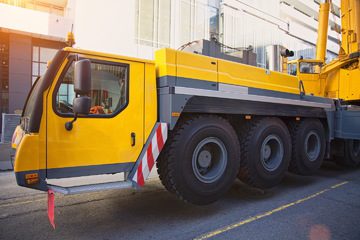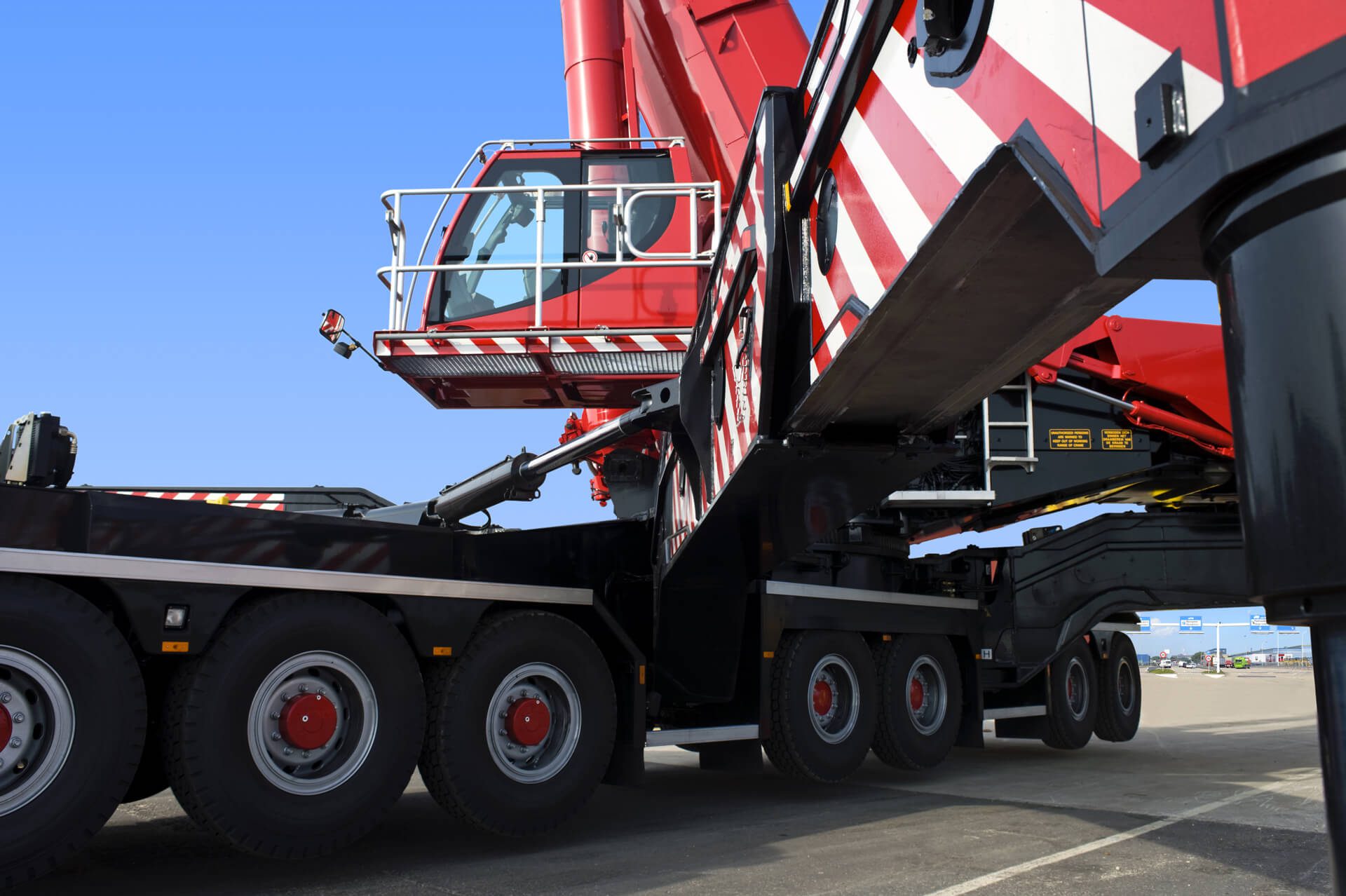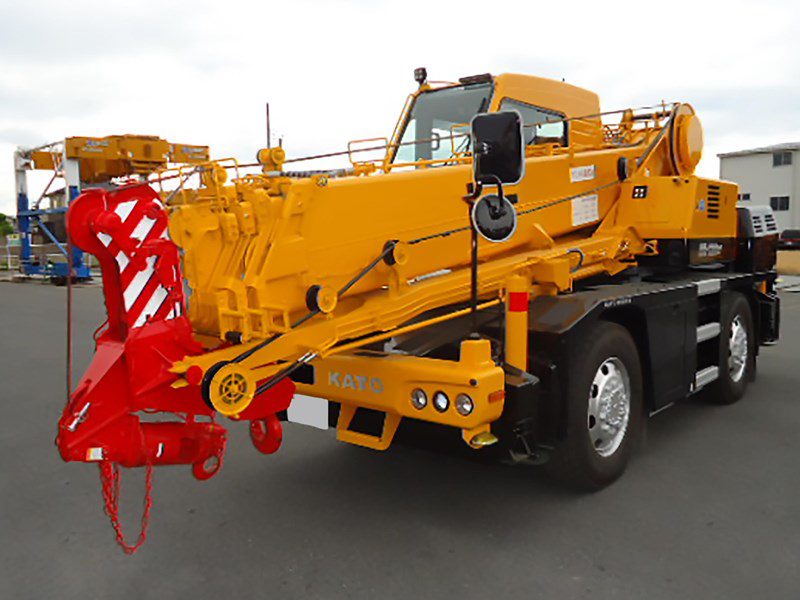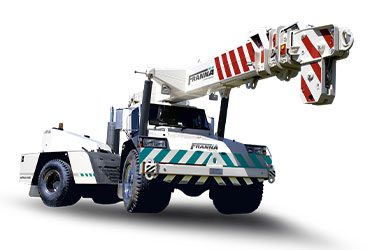
Mobile cranes have become a familiar presence across Australian construction sites, from regional infrastructure works to suburban developments. Their flexibility and rapid deployment have made mobile crane hire an integral part of modern construction logistics. Yet, as their use has expanded, so too has recognition of their limitations. Understanding where mobile cranes are less effective is as important as appreciating their advantages, particularly in an industry where safety, efficiency, and regulatory compliance are non-negotiable.
The Strategic Role of Mobile Cranes in Australian Construction
Mobile crane hire plays a strategic role in Australia’s construction sector by enabling short-term and highly adaptable lifting solutions. These cranes are commonly used for intermittent lifts, installation of prefabricated elements, and support tasks that do not justify permanent crane installations. In regions experiencing dispersed development, including transport upgrades and utility projects, mobile cranes allow contractors to move efficiently between sites.
However, this strategic flexibility also defines their limitations. Mobile cranes are inherently designed for temporary deployment rather than sustained, high-volume lifting. As Australian cities densify and projects become taller and more complex, the suitability of mobile crane hire must be carefully weighed against fixed alternatives and emerging hybrid approaches.
Capacity Constraints and Vertical Reach
One of the most significant limitations of mobile crane hire is lifting capacity relative to height and radius. While modern mobile cranes can handle substantial loads, their capacity reduces sharply as boom length and outreach increase. This physical constraint becomes pronounced in high-rise construction, where repeated lifts at significant heights are required.
In contrast to fixed cranes designed specifically for vertical reach, mobile cranes are often limited to early-stage works or specialist lifts on tall buildings. This makes them less suitable for projects where continuous lifting is central to construction sequencing, particularly in dense urban environments with limited tolerance for delays.
Ground Conditions and Site Preparation Challenges
Mobile cranes rely heavily on stable ground conditions to operate safely. Australian construction sites vary widely in soil composition, from coastal sands to reactive clays common in parts of New South Wales. Ensuring adequate ground bearing capacity is a critical prerequisite for mobile crane deployment.
In some cases, extensive ground preparation or engineered crane pads are required, reducing the perceived speed and simplicity of mobile crane hire. On constrained or uneven sites, particularly in established town centres or heritage areas, these requirements can limit feasibility and increase planning complexity.
Space Limitations in Dense Urban Projects
Although mobile cranes are often associated with flexibility, they still require sufficient space for outriggers, counterweights, and exclusion zones. In dense urban developments, this spatial demand can conflict with pedestrian access, traffic flows, and neighbouring properties.
Urban councils and state road authorities impose strict controls on road closures and footpath occupation. Securing approvals for mobile crane operations can be time-consuming, particularly when repeated lifts are required. In these contexts, the logistical footprint of mobile crane hire can become a constraint rather than an advantage.
Productivity and Repetition in Long-Duration Projects
Productivity is another area where limitations emerge. Mobile cranes are well suited to discrete lifting tasks, but their efficiency diminishes when lifts must be repeated over long periods. Each mobilisation involves setup, inspection, and demobilisation processes that add time and cost.
For extended construction programs, these interruptions can affect overall productivity. Fixed crane solutions, once installed, allow continuous operation with fewer daily disruptions. This distinction is particularly relevant for multi-storey residential and commercial projects that dominate Australia’s urban growth corridors.
Regional Considerations and Access Challenges
In regional and semi-rural areas, including locations where crane hire southern highlands is commonly utilised, access constraints can limit the effectiveness of mobile cranes. Narrow roads, weight restrictions, and limited staging areas can complicate transport and setup.
While mobile cranes offer versatility across dispersed sites, their size and mass still present logistical challenges. Transport permits, escort requirements, and coordination with local councils can introduce delays, reducing the responsiveness that mobile crane hire is often expected to deliver.
Safety Risks and Regulatory Oversight
Crane operations are classified as high-risk construction work under Australian law, and mobile cranes are subject to stringent safety requirements. Regulators such as SafeWork NSW and WorkSafe Victoria oversee compliance with Work Health and Safety legislation, while Australian Standards including AS 2550 and AS 1418 set out technical and operational benchmarks.
Mobile cranes face unique safety challenges due to their variability. Each setup differs depending on site conditions, load configuration, and environmental factors such as wind. This variability increases reliance on detailed lift planning and competent supervision, and any lapse can have serious consequences.
Licensing and Workforce Constraints
Operator licensing represents another limitation. Mobile crane operators must hold the appropriate High Risk Work Licence class, determined by crane capacity. In periods of high construction activity, shortages of suitably licensed operators can constrain availability.
The reliance on specialised personnel also affects scheduling flexibility. Unlike fixed cranes with dedicated crews embedded in long-term projects, mobile crane hire depends on coordinating external resources, which can be challenging in tight labour markets.
Technological Advances and Their Boundaries
Technological innovation has improved mobile crane performance through load-moment indicators, digital lift planning, and real-time monitoring systems. These advancements have enhanced safety and expanded operational envelopes.
Despite this progress, technology does not eliminate fundamental physical limitations. Sensors and software can mitigate risk, but they cannot overcome constraints related to height, reach, or ground stability. As a result, technology enhances but does not redefine the role of mobile crane hire within complex construction ecosystems.
Environmental and Community Impacts
Environmental considerations increasingly influence construction decisions. Mobile cranes can reduce long-term visual impact compared with permanent installations, but frequent mobilisation contributes to transport emissions and noise.
Community expectations around construction disruption are rising, particularly in residential areas. Repeated crane visits may attract scrutiny from local residents and councils, challenging the assumption that mobile solutions are always less intrusive.
Balancing Mobile Crane Hire Within Project Strategy
The limitations of mobile crane hire do not diminish its importance, but they underscore the need for strategic alignment. Mobile cranes are most effective when deployed for specific, well-defined tasks rather than as a universal solution. Their role within Australian construction is complementary, supporting stages of work that demand flexibility rather than continuity.
For decision-makers, the challenge lies in recognising these boundaries early in project planning. In regions where crane hire southern highlands supports diverse and often smaller-scale developments, mobile cranes remain essential. Yet even there, their limitations shape how projects are sequenced and managed.
As Australia’s construction sector continues to evolve under regulatory, technological, and urban pressures, a nuanced understanding of mobile crane hire is critical. Appreciating not only what mobile cranes can do, but also where they fall short, is central to delivering safe, efficient, and resilient built environments.