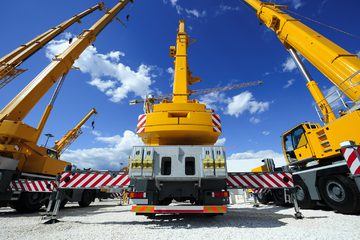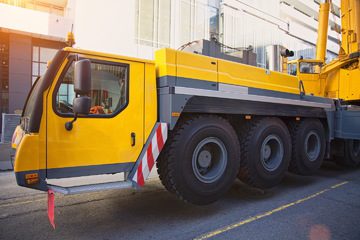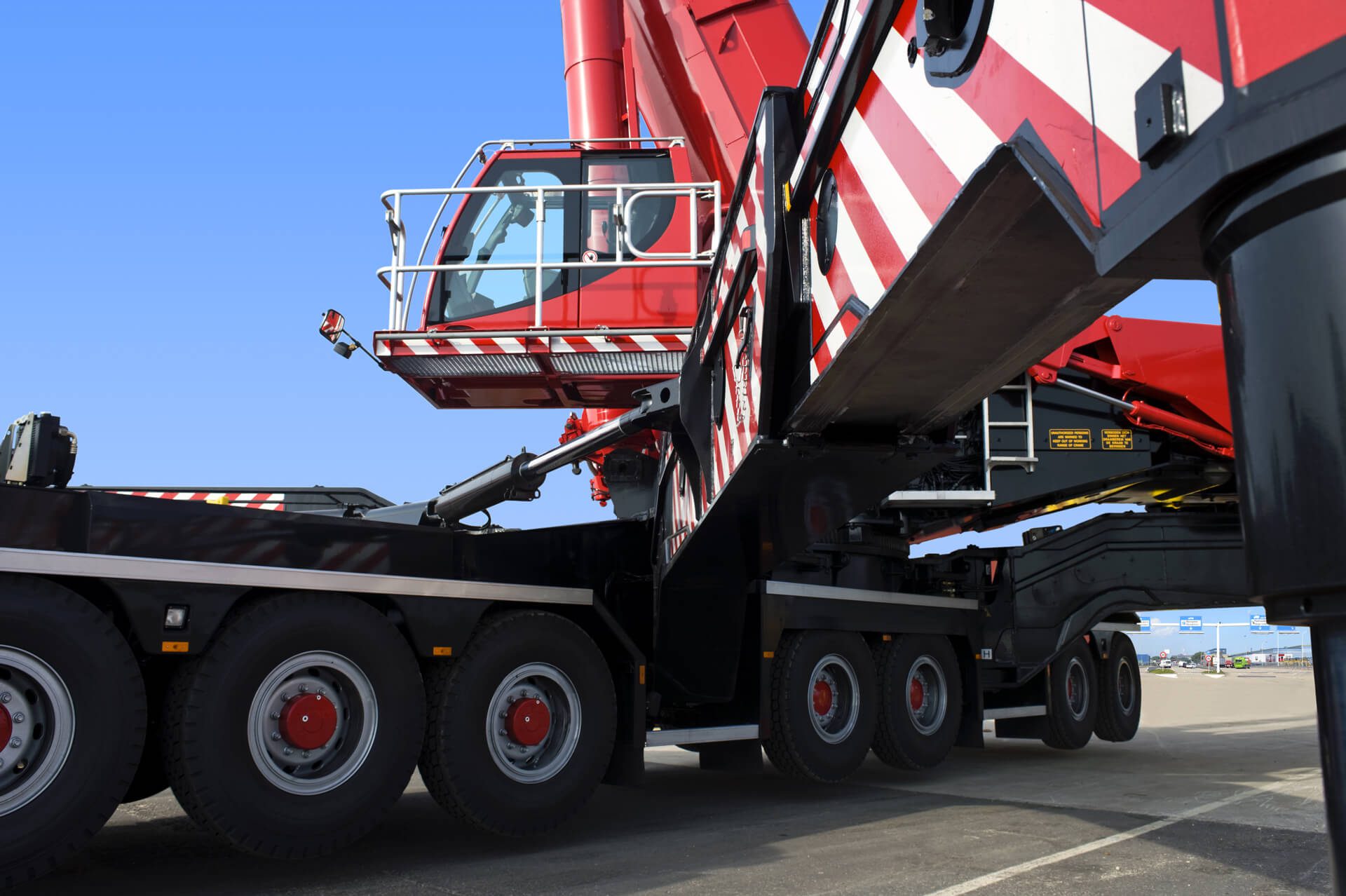
Australia’s major cities are growing upward rather than outward. As land scarcity, planning constraints, and community expectations intensify, construction firms are being forced to rethink how heavy lifting is performed in dense metropolitan environments. Among the most consequential adaptations has been the increasing reliance on luffing cranes for urban projects, particularly in high-rise residential, commercial, and mixed-use developments. Once considered a specialist solution, luffing cranes have become a strategic asset in Australia’s evolving construction landscape.
Urban Density and the Changing Economics of Construction
Australia’s urban centres, from Sydney and Melbourne to Brisbane and Perth, are characterised by constrained sites, close property boundaries, and complex airspace restrictions. Traditional hammerhead tower cranes, with their long horizontal jibs, are often impractical in these settings due to oversailing risks and limited slewing space. In contrast, luffing cranes are engineered to operate efficiently in vertical environments, where precision and spatial control outweigh sheer horizontal reach.
The strategic value of luffing crane hire lies in its ability to support construction without encroaching on neighbouring properties or public infrastructure. By allowing the jib to raise and lower, rather than remaining fixed, luffing cranes significantly reduce the radius of operation when not lifting. This capability has become increasingly important as planning authorities impose stricter controls on crane oversail and air rights in inner-city developments.
How Luffing Cranes Address Space Constraints
At the core of a luffing crane’s advantage is its variable jib angle, which can typically range from near-horizontal to almost vertical. This design allows loads to be lifted close to the mast, minimising the footprint required for operation. In dense urban corridors, such as those found in central business districts or transport-oriented developments, this reduced swing radius is often the deciding factor in crane selection.
The relevance of city crane hire northern Sydney illustrates this point. Northern Sydney features a mix of commercial towers, residential developments, and sensitive infrastructure corridors, including rail lines and arterial roads. Luffing cranes enable construction activity to proceed while maintaining compliance with local council conditions and Transport for NSW requirements, particularly where uninterrupted public access must be preserved.
Safety Performance in High-Density Environments
Safety considerations are central to crane deployment in Australian cities. Luffing cranes offer inherent safety advantages in crowded environments by reducing the likelihood of uncontrolled load movement over adjacent properties. This characteristic aligns closely with obligations under the Work Health and Safety Act and associated regulations enforced by state-based WorkSafe authorities.
Australian Standard AS 2550, which governs the safe use of cranes, places strong emphasis on load control, exclusion zones, and risk management. Luffing cranes, when properly engineered and operated, support compliance by enabling tighter lifting envelopes and clearer delineation of safe working areas. These attributes are particularly relevant on sites where pedestrian traffic, live roads, or occupied buildings remain in close proximity to construction activity.
Regulatory and Planning Considerations in Australia
Planning frameworks across Australia increasingly favour construction methodologies that minimise disruption to surrounding communities. Councils in New South Wales and Victoria, for example, frequently impose conditions on crane operations, including limits on oversailing and requirements for airspace agreements. Luffing cranes are often selected specifically because they help developers meet these regulatory expectations without costly redesigns.
The approval process for crane installation typically involves engineering sign-off, compliance with AS/NZS standards, and coordination with SafeWork NSW or equivalent bodies in other states. In this context, luffing crane hire is not simply an operational decision but a regulatory strategy that supports project approvals and ongoing compliance throughout the build program.
Comparative Efficiency Versus Hammerhead Cranes
While hammerhead cranes remain effective for large, open sites, their suitability diminishes as urban density increases. Hammerhead cranes offer faster cycle times for horizontal lifting but require significant slewing space and clear oversail zones. Luffing cranes, by contrast, trade some speed for control and adaptability.
In practice, this trade-off often results in improved overall efficiency on constrained sites. Reduced stoppages due to oversail restrictions, fewer disputes with neighbouring property owners, and smoother coordination with other site activities can offset slower individual lift cycles. For projects in tightly packed precincts, these cumulative efficiencies are frequently decisive.
Integration With Modern Construction Technologies
Luffing cranes are increasingly integrated with advanced control systems and digital site management tools. Anti-collision systems, wind monitoring technology, and automated zoning features are now standard on many modern cranes operating in Australian cities. These technologies enhance safety and productivity by providing operators with real-time data and predictive alerts.
Such innovations are particularly relevant in high-rise projects where multiple cranes operate simultaneously. Coordinated crane movements, supported by digital planning models, allow complex lifts to be executed with minimal risk. As Australia’s construction sector continues to adopt Building Information Modelling and other digital workflows, luffing cranes are well suited to this data-driven environment.
Environmental and Community Impact Considerations
Beyond technical performance, luffing cranes contribute to broader sustainability and community impact goals. Their ability to operate within tight boundaries reduces the need for temporary road closures or extensive exclusion zones, helping to maintain urban mobility during construction. Noise impacts can also be more easily managed, as controlled lifting movements reduce abrupt mechanical actions.
In cities where community tolerance for disruption is low, these factors carry significant weight. The strategic deployment of city crane hire northern Sydney reflects a broader industry recognition that construction must coexist with daily urban life rather than dominate it.
Workforce Skills and Licensing Requirements
Operating luffing cranes requires a high level of technical skill. In Australia, crane operators must hold the appropriate High Risk Work Licence, with specific endorsements depending on crane class and capacity. Additional site-specific training is often required due to the complexity of luffing crane operations in urban settings.
This emphasis on skilled operation aligns with national efforts to improve safety outcomes across the construction sector. It also reinforces the perception of luffing cranes as precision instruments rather than generic lifting equipment, suitable for projects where accuracy and judgement are paramount.
Strategic Implications for Urban Development
As Australian cities continue to densify, the advantages of luffing cranes are likely to become even more pronounced. Their compatibility with regulatory frameworks, adaptability to constrained sites, and alignment with modern safety and technology standards position them as a critical enabler of vertical urban growth.
From a strategic perspective, luffing crane hire represents a response to structural changes in how cities are built. It reflects a shift away from expansive construction footprints toward more compact, vertically oriented projects that demand precision, coordination, and regulatory sensitivity.
Conclusion: A Tool Shaped by the City It Serves
Luffing cranes are not a universal solution, nor are they intended to replace all other crane types. Their value lies in their suitability for specific urban conditions that increasingly define Australia’s construction environment. By addressing spatial constraints, enhancing safety, and supporting regulatory compliance, they have become integral to the successful delivery of complex urban projects.
In this sense, the rise of luffing cranes mirrors the evolution of Australian cities themselves: denser, more regulated, and more technologically sophisticated. Their advantages are not merely mechanical but strategic, shaped by the demands of building upward in some of the most constrained urban environments in the country.