Australia’s urban skyline continues its upward trajectory, with high-rise residential towers, commercial developments, and infrastructure projects reshaping cities from Sydney to Melbourne. At the center of this transformation stands an engineering marvel that has become synonymous with modern construction: the tower crane. As building densities increase and projects grow more complex, understanding when and why construction firms turn to tower crane hire has become essential knowledge for industry professionals navigating Australia’s competitive construction landscape.
Understanding Tower Crane Hire in Modern Construction
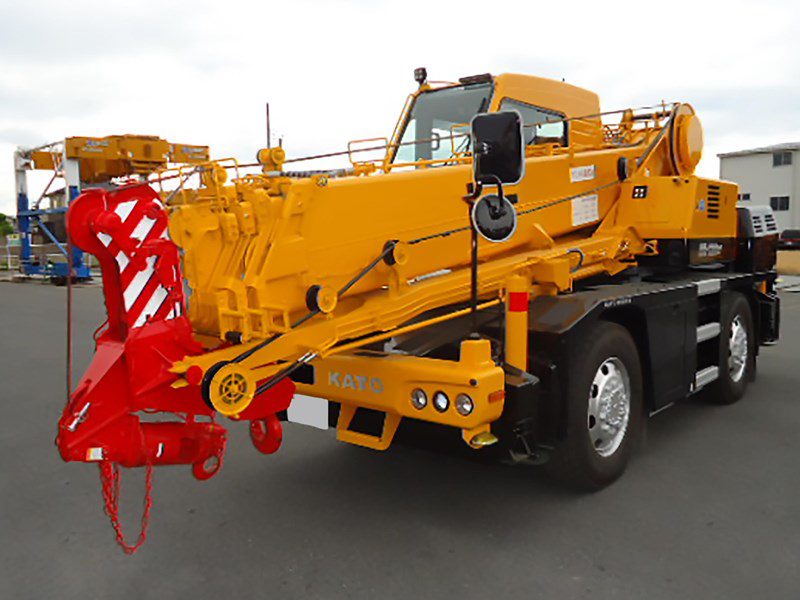
Tower crane hire represents a specialized equipment service that provides construction projects with the lifting capacity necessary to move materials and personnel vertically across significant heights. Unlike mobile cranes that operate from ground level with limited reach, tower cranes are fixed installations that can rise alongside a building as construction progresses, offering superior height capability and precision control. The hire model has become the predominant approach in Australia, where the capital costs of purchasing these sophisticated machines—often exceeding several million dollars—make ownership economically unfeasible for most construction firms.
The decision to engage tower crane hire typically emerges during the planning phase of projects exceeding eight to ten stories, though the threshold varies based on site constraints, building design, and logistical considerations. Construction managers evaluate factors including maximum lift capacity requirements, site access limitations, duration of the project, and the vertical reach needed to determine whether tower crane hire becomes not just practical but essential. In dense urban environments where space is constrained and building heights are substantial, tower cranes often represent the only viable solution for material handling.
When Projects Demand Tower Crane Solutions
The construction industry has developed clear parameters that signal when tower crane hire becomes necessary rather than optional. High-rise residential and commercial developments universally require tower cranes once they surpass the effective reach of mobile crane alternatives. Projects in this category must move substantial quantities of concrete, steel reinforcement, prefabricated components, and finishing materials to upper floors repeatedly throughout the construction cycle. The efficiency gains from having a dedicated lifting mechanism positioned at the construction face far outweigh the costs of alternative methods.
Dense urban sites present particular challenges that make tower crane hire indispensable. In established city centers where surrounding buildings limit access and ground-level space is scarce, tower cranes can be erected within the building’s footprint and operate above existing structures. This vertical approach to logistics solves problems that would otherwise halt construction entirely. Major infrastructure projects, including hospital complexes, university facilities, and transport hubs, frequently incorporate tower crane hire into their project plans from inception, recognizing that the complexity and scale of these developments demand sophisticated lifting solutions.
The duration of construction also influences the tower crane hire decision. Projects with timelines extending beyond twelve months often find that the cumulative efficiencies of tower crane operations justify the ongoing hire costs. The ability to maintain continuous lifting operations throughout the working day, moving materials precisely to required locations without the delays associated with mobile crane scheduling, translates directly into accelerated project timelines and reduced labor costs.
The Tower Crane Hire Landscape in Western Sydney
Western Sydney has emerged as one of Australia’s most dynamic construction markets, with the region experiencing unprecedented growth driven by population expansion, infrastructure investment, and commercial development. The demand for tower crane hire Western Sydney reflects this transformation, as multiple large-scale projects proceed simultaneously across suburbs that were previously characterized by low-rise development. The Western Sydney Aerotropolis, residential tower clusters in Parramatta, and major health and education facilities have created sustained demand for specialized lifting equipment.
Tower crane hire Western Sydney presents unique logistical considerations compared to established city centers. While sites in Western Sydney often offer more generous spatial allowances than inner-city locations, the distances from equipment suppliers and the need to coordinate multiple crane installations across dispersed project sites create distinct challenges. Construction firms operating in the region must factor in transportation costs, assembly timeframes, and the availability of qualified crane operators—a workforce segment experiencing notable shortages as construction activity intensifies.
The regulatory environment in Western Sydney follows the same standards as metropolitan Sydney, but local council requirements regarding crane oversail—the swing of the crane jib over adjacent properties—and notification procedures vary between local government areas. Projects engaging tower crane hire Western Sydney must navigate approvals from councils including Parramatta, Blacktown, Penrith, and Liverpool, each with specific protocols for managing construction activities in their jurisdictions.
Safety Standards and Compliance Framework
Australian construction operates under stringent safety regulations that govern tower crane operations, with oversight provided by SafeWork NSW, WorkSafe Victoria, and equivalent bodies across other states and territories. The national standard AS 1418.18 specifically addresses tower cranes, establishing requirements for design, installation, operation, and maintenance. Compliance with these standards is non-negotiable, and hire providers must demonstrate that equipment meets certification requirements before cranes can be deployed on construction sites.
Beyond equipment standards, the licensing framework for crane operators ensures that only qualified personnel control these powerful machines. High-risk work licenses issued under the national framework require operators to complete approved training and demonstrate competency in tower crane operations. The responsibility for ensuring licensed operators are engaged typically falls to the principal contractor, though hire agreements clearly delineate maintenance and inspection obligations between the equipment provider and the construction firm.
Recent years have seen increased scrutiny of tower crane safety following several high-profile incidents, including crane collapses during severe weather events. This has prompted reviews of wind speed monitoring requirements, emergency response protocols, and the structural adequacy of crane installations. Industry bodies including Master Builders Australia and the Australian Crane Industry Council have advocated for enhanced safety measures while working to ensure regulations remain practical for construction operations.
Technological Evolution and Industry Trends
Tower crane technology has advanced significantly, with modern equipment incorporating sophisticated control systems, remote monitoring capabilities, and enhanced safety features that were unavailable a decade ago. Digital load moment indicators provide real-time feedback on crane capacity and load position, reducing the risk of overloading and improving operational safety. Some advanced systems now incorporate anti-collision technology that prevents contact between multiple cranes operating in proximity—a common scenario in areas with concentrated construction activity.
The integration of building information modeling with crane operations represents an emerging frontier in construction logistics. By simulating crane movements and lift sequences during the planning phase, construction managers can optimize equipment selection, identify potential conflicts, and improve overall site efficiency before physical construction commences. This digital approach to crane planning reduces costs and enhances safety outcomes by addressing challenges in the virtual environment.
Environmental considerations are also shaping tower crane hire practices. Modern electric tower cranes offer reduced emissions compared to diesel-powered alternatives, aligning with broader industry efforts to lower carbon footprints. Some hire providers now offer carbon-offset programs and energy-efficient equipment options, responding to client demands for sustainable construction practices and anticipating future regulatory requirements around construction emissions.
Economic Considerations and Market Dynamics
The tower crane hire market operates on pricing models that reflect equipment capacity, hire duration, and service requirements. Day rates for tower cranes vary substantially based on lifting capacity, with larger cranes commanding premium rates that can exceed several thousand dollars daily. However, construction economics favor hire arrangements over purchase for most contractors, as hire agreements bundle equipment provision with maintenance, inspection, and technical support services that would otherwise require dedicated internal resources.
Market dynamics in Australia’s tower crane hire sector have tightened as construction activity has accelerated, with equipment shortages reported in major markets during peak periods. This supply constraint has prompted longer lead times for crane procurement and encouraged contractors to secure equipment commitments earlier in project planning cycles. The concentration of construction activity in growth corridors has created regional variations in equipment availability and pricing, with emerging markets sometimes experiencing more acute shortages than established centers with mature hire infrastructure.
As Australia’s construction sector continues its expansion, tower crane hire remains fundamental to delivering the high-density developments reshaping urban landscapes. Understanding the technical, regulatory, and economic factors that influence crane deployment decisions has become essential knowledge for construction professionals navigating an industry where vertical growth defines the future of Australian cities.