Australia’s construction sector is navigating a period of structural change. Rapid urban densification, ambitious infrastructure pipelines, and tightening safety and environmental regulations are reshaping how lifting operations are planned and executed. Against this backdrop, tower crane hire has emerged as more than a logistical necessity. It is increasingly viewed as a strategic lever for resilience, efficiency, and long-term adaptability across projects ranging from metropolitan high-rises to regional developments in the Southern Highlands.
This evolution reflects broader shifts in how construction businesses think about capital deployment, risk management, and technological integration. As projects grow more complex and margins narrower, lifting strategies are being scrutinised not just for immediate cost, but for their ability to withstand regulatory change, workforce constraints, and future demand.
The Strategic Role of Tower Crane Hire in Modern Construction
Tower crane hire plays a central role in Australia’s contemporary construction ecosystem because it aligns operational capability with project variability. Rather than committing to ownership of high-value assets with fixed specifications, contractors can select crane configurations that match project scale, height, and duration. This flexibility is particularly valuable in dense urban environments where space constraints and sequencing pressures dominate planning decisions.
In major cities, tower crane hire supports vertical construction by enabling continuous material flow to elevated workfaces. The predictability of lift cycles reduces bottlenecks and allows other trades to plan with greater certainty. This predictability becomes a strategic advantage when projects are subject to liquidated damages or tight completion windows driven by financing and tenancy agreements.
At the same time, regional markets are adopting similar approaches. In areas such as the Southern Highlands, city crane hire southern highlands arrangements are increasingly used on mixed-use and institutional projects that demand urban-grade lifting capability without metropolitan scale permanence. This reflects a broader diffusion of advanced construction practices beyond capital cities.
Adapting Lifting Strategies Across Project Types
Different project categories impose distinct demands on lifting operations, and tower crane hire allows these demands to be met with precision. Large infrastructure projects, such as transport interchanges or hospitals, often require cranes with extended jib lengths and high load capacities to service sprawling sites. These cranes must operate reliably over long durations, sometimes spanning multiple project phases.
High-rise residential and commercial developments prioritise height, reach, and integration with formwork and prefabrication systems. In these settings, tower crane hire enables tailored solutions that evolve as the building rises, including climbing cranes that adjust with the structure. This adaptability supports faster floor cycles and reduces reliance on secondary lifting methods.
Dense urban infill projects present a different challenge. Limited laydown space, proximity to neighbouring properties, and strict noise and safety controls demand cranes with compact footprints and advanced control systems. Here, tower crane hire allows project teams to deploy equipment optimised for constrained sites without compromising lifting capacity or compliance.
Efficiency and Suitability Compared With Alternative Practices
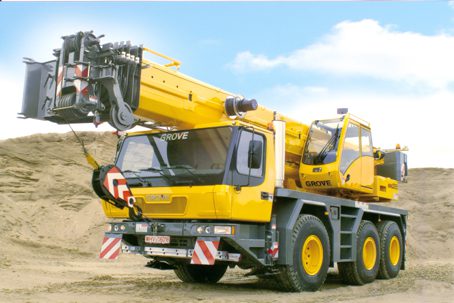
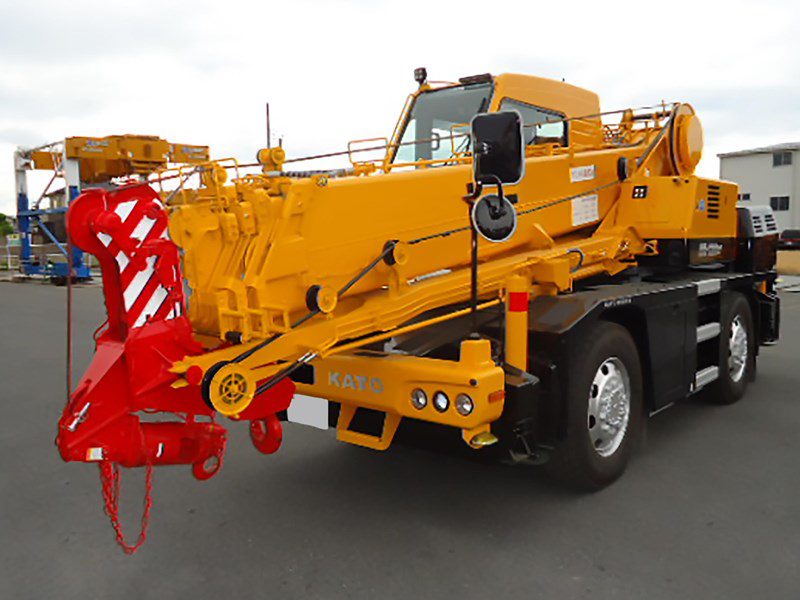
When compared with mobile or all-terrain cranes, tower cranes offer superior efficiency for repetitive vertical lifting tasks. Their fixed position and wide operating radius reduce travel time between lifts, which translates into productivity gains over the life of a project. While mobile cranes remain essential for short-term or highly flexible tasks, they are less suited to sustained high-rise operations.
Industry practice increasingly reflects this distinction. Contractors are segmenting lifting strategies, using tower crane hire for core structural works while reserving mobile cranes for installation, maintenance, or demobilisation phases. This hybrid approach balances efficiency with flexibility and reflects a more nuanced understanding of equipment suitability.
In regional contexts, including projects that rely on city crane hire southern highlands services, similar distinctions apply. Even where project scale is modest, the efficiency of a tower crane can outweigh the perceived simplicity of mobile alternatives, particularly when schedules are compressed or site access is limited.
Safety Standards and Regulatory Frameworks in Australia
Safety and compliance are central to any discussion of lifting strategy in Australia. Tower crane operations are governed by a combination of national standards, state-based regulations, and industry codes of practice. Australian Standards such as AS 1418 for cranes and AS 2550 for safe use provide the technical foundation for design, installation, operation, and maintenance.
WorkSafe authorities in each state enforce these standards through licensing, inspection, and incident reporting requirements. Operators must hold high-risk work licences, and crane erectors and riggers are subject to strict competency assessments. For principal contractors, these obligations extend to ensuring that hired cranes are installed and operated in accordance with approved safe work method statements.
Tower crane hire arrangements intersect with this framework by allocating responsibilities between asset owners and site controllers. Clear delineation of duties for maintenance, inspection, and operation is essential to compliance and risk management. As enforcement activity has increased in recent years, particularly following high-profile incidents, adherence to these frameworks has become a strategic consideration rather than a procedural afterthought.
Technological Innovation Shaping Lifting Operations
Technological advancement is reshaping the tower crane landscape, reinforcing the future-proofing potential of hire-based strategies. Modern cranes increasingly incorporate digital load monitoring, anti-collision systems, and remote diagnostics. These features enhance safety by reducing human error and providing real-time visibility of operating conditions.
Data integration is another emerging trend. Some tower crane hire providers support platforms that feed lift data into broader project management systems. This enables more accurate tracking of productivity, downtime, and utilisation, informing scheduling decisions and post-project analysis. For large contractors, such insights contribute to continuous improvement across portfolios.
Automation and remote operation are also gaining attention, particularly in response to skilled labour shortages. While fully autonomous crane operation remains limited, incremental advances are reducing operator fatigue and improving precision. These developments align with broader construction industry efforts to leverage technology for resilience and workforce sustainability.
Licensing, Planning, and Community Considerations
Beyond technical compliance, tower crane deployment engages planning and community considerations that influence long-term strategy. Local councils often require permits for crane oversailing, road occupancy, and night operations. In urban areas, community expectations around noise, visual impact, and safety have become more pronounced.
Tower crane hire strategies must therefore account for stakeholder engagement and planning timelines. Early coordination with councils and WorkSafe authorities can mitigate delays and reputational risk. In regional settings, including those using city crane hire southern highlands solutions, similar dynamics apply, albeit at a different scale, as communities balance development with amenity.
These considerations reinforce the value of adaptable lifting strategies. The ability to select crane types and configurations that minimise impact while meeting project needs supports smoother approvals and execution.
Future-Proofing Through Strategic Flexibility
Future-proofing in construction is less about predicting specific outcomes than about building adaptability into core decisions. Tower crane hire contributes to this adaptability by allowing contractors to respond to regulatory change, technological advancement, and market volatility without locking capital into depreciating assets.
As Australia’s construction pipeline continues to evolve, lifting strategies will remain under scrutiny from financiers, regulators, and the public. Projects that integrate tower crane hire as part of a broader, flexible approach are better positioned to navigate uncertainty while maintaining productivity and compliance.
In this sense, tower crane hire is not merely an operational choice. It is a strategic response to an industry in transition, offering a pathway to resilient, efficient, and future-ready construction practices across both metropolitan centres and regional markets.